


Low FODMAP Vegetables: Portions and Cooking Ideas

Your Complete Guide to Low FODMAP Vegetables for IBS Relief
The best low fodmap vegetables for ibs include spinach, carrots, bell peppers, zucchini, and potatoes. Stick to Monash University-tested serving sizes: 1 cup spinach, 1/2 cup carrots, or 3/4 cup bell peppers. Avoid high FODMAP options like onions, garlic, and cauliflower during elimination phases.
Why Vegetables Matter for IBS
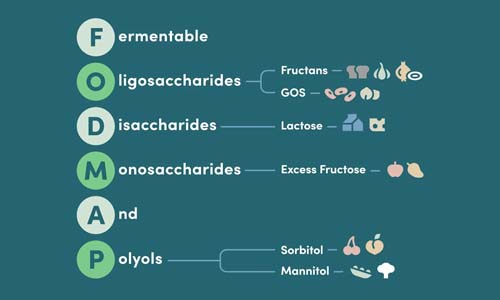
FODMAPs are fermentable carbohydrates that trigger digestive symptoms in sensitive people. Since vegetables contain varying levels of these compounds, smart selection helps reduce bloating, gas, and abdominal discomfort while still providing fiber, vitamins, and minerals.
The research is clear: choosing the right vegetables can mean the difference between a painful flare and a comfortable day.Founder's Note: After my own IBS journey, I learned that restriction doesn't mean flavor sacrifice. The key is knowing which vegetables work with your digestive system.
The Gourmend Approach: Flavor Without Fear
We build meals around safer vegetables and boost taste with thoughtful seasoning choices. Our Low FODMAP Taco Seasoning transforms simple vegetables into bold, satisfying meals using garlic scape and green onion powders instead of problematic onion and garlic bulbs.
The Green Light List: Safe Vegetables and Smart Portions
Leafy Greens: Your Daily Foundation
Spinach leads the pack at 1-cup servings, while kale works well at 2/3 cup portions. Most lettuce varieties are even more forgiving. These nutrient powerhouses form the backbone of gut-friendly salads and side dishes.
Root Vegetables: Comfort Food Classics
Carrots bring natural sweetness at 1/2-cup portions. Parsnips add earthy depth in similar quantities. White potatoes are reliably tolerated in typical servings, making them perfect for hearty, comforting meals.
Colorful Additions for Flavor and Variety
Bell peppers shine at 3/4 cup servings, zucchini works well at 2/3 cup, and broccoli florets are typically fine at 3/4 cup. These measurements represent tested thresholds that keep FODMAP content manageable for most people following low fodmap vegetables for ibs guidelines.
Seven Go-To Low FODMAP Vegetables

These seven vegetables form the foundation of a gut-friendly kitchen:
- Bell peppers (all colors): Versatile and low FODMAP at the 3/4 cup serving above, and packed with vitamin C. Use them raw in salads, roasted as a side, or stuffed with rice and ground turkey for a complete meal.
- Carrots: A safe bet for most people with digestive issues. Rich in beta-carotene, with a satisfying crunch raw or natural sweetness roasted. Try them as crudités with a low FODMAP dip, shredded in salads, or roasted with a drizzle of maple syrup and herbs.
- Cucumber: High water content and a refreshing taste, and low FODMAP at generous servings. Add it to sandwiches and salads, or make a cooling tzatziki with lactose-free yogurt.
- Zucchini (courgette): Replaces many high FODMAP vegetables in recipes. Keep portions to about 2/3 cup, then spiralize it as a pasta alternative, grill it as a side, or dice it into soups and stews. It takes on the flavor of whatever you cook it with.
- Spinach: A nutritional powerhouse that is also low in FODMAPs, rich in iron, vitamin K and antioxidants. Wilt it into soups, add it to omelets, or use it as a base for grain bowls.
- Potatoes: White potatoes are low FODMAP and provide satisfying carbohydrates most people with IBS tolerate well: roasted, mashed, baked or made into fries. Sweet potatoes add beta-carotene and natural sweetness but need a smaller portion (about 1/3 cup cooked, see below).
- Bok choy: Low FODMAP at typical servings, with a mild flavor that works beautifully in stir-fries and soups. It provides calcium and vitamins A and C, and is especially useful when you crave Asian flavors but need to skip onion and garlic.
Proceed with Caution: Vegetables That Require Careful Portions
The Tomato Question: Are Tomatoes Low FODMAP?
Fresh tomatoes work for many people at 1/2 cup servings, but canned versions can be trickier due to concentrated sugars. Cherry tomatoes are generally safe at about five pieces. The confusion comes from processing methods and ripeness levels affecting FODMAP content.
The Sweet Potato Portion Puzzle
When people ask, is sweet potato low fodmap, the answer depends entirely on portion size. Sweet potatoes can work in smaller amounts. Roughly 1/3 cup cooked. To limit mannitol content. Individual tolerance varies significantly.
Broccoli Strategy: Choose Florets Over Stems
Broccoli florets are typically tolerated at 3/4 cup servings, while stems concentrate more FODMAPs. During symptom flares, stick with florets only.
The Color Myth Debunked
Many people assume green equals safe, but asparagus and artichokes rank among the worst vegetables for ibs during elimination. Color doesn't determine FODMAP content. Red bell peppers may actually be easier to digest than green ones due to ripeness and sugar development.
Reality Check: Individual tolerance often differs from general guidelines. Personal testing during reintroduction builds your customized safe list.
The Flavor Solution: Gourmend Seasonings
Traditional vegetable seasonings rely heavily on onion and garlic bulbs. Digestive nightmares for sensitive guts. Our Organic Garlic Scape Powder and green onion powders deliver savory depth without the digestive consequences.
High FODMAP Vegetables to Avoid During Elimination
Knowing which vegetables might trigger symptoms is just as important as knowing which ones are safe. These contain significant amounts of FODMAPs and are typically eliminated during the initial phase of the diet:

- Onions (all types, including red, white and yellow)
- Garlic (including black garlic and garlic powder)
- Cauliflower
- Mushrooms (except oyster mushrooms, which are low FODMAP)
- Artichokes
- Asparagus
- Leeks (white parts)
Low FODMAP Swaps for Onion and Garlic Flavor
Onions and garlic are foundational in many cuisines. These swaps provide similar flavor without the high FODMAP bulbs:
- Instead of onions: Use chives, the green parts of scallions, leek greens, asafoetida powder, or our Organic Green Onion Powder.
- Instead of garlic: Try garlic-infused oil, garlic chives (or our Organic Garlic Chive Powder), or Organic Garlic Scape Powder.
- For umami flavor: Incorporate oyster mushrooms, nori seaweed, or low FODMAP broths.
Our organic broths use these swaps to create rich, flavorful bases for your cooking without onion or garlic bulbs.
Beyond Restriction: Building a Sustainable, Gut-Friendly Diet
Reintroduction Roadmap: Expanding Your Options
After 2-6 weeks of elimination, systematic reintroduction begins. Test one FODMAP group at a time with small portions, spacing challenges over several days. This methodical approach identifies personal triggers while keeping meals practical and enjoyable.
The "Vegetable Ladder" for Gradual Expansion
Start with proven safe choices, then step up cautiously. Many people successfully reintroduce small amounts of higher-FODMAP vegetables once symptoms stabilize. Document portions and reactions to build your personal guide to low fodmap vegetables for ibs success.
Strategies That Help During Reintroduction
Many people discover they can tolerate certain higher FODMAP vegetables in small amounts or specific preparations. For example, you might handle garlic-infused oil but not whole garlic, or find that cooked onions cause fewer symptoms than raw ones. Strategies that help:
- Starting with very small portions of higher FODMAP vegetables
- Cooking vegetables thoroughly, which can sometimes make them easier to tolerate
- Combining a potentially triggering vegetable with definitely safe ones, as in this low FODMAP mushroom risotto
- Using digestive enzymes, under healthcare guidance
Keep a food and symptom journal to track how different vegetables affect you. What works for one person with IBS may not work for another.
Cooking Techniques for Easier Digestion
Roasting softens tough fibers and often improves tolerability. Steaming preserves nutrients without added fats. During active flares, cooked vegetables typically digest easier than raw preparations.
Smart Pairing for Balanced Meals
Combine safe vegetables with proven staples like rice or quinoa (check our guide on low fodmap grains). When incorporating low fodmap fruits, watch total portions to keep overall FODMAP load manageable. Our organic, gut-friendly broths make excellent cooking liquids that add depth to both grains and vegetables.
Meal Planning with Low FODMAP Vegetables
Rotating a variety of low FODMAP vegetables through the week gives you diverse nutrients while keeping symptoms at bay.
Sample Weekly Meal Plan
- Monday: Stir-fried bok choy and carrots with ginger and maple-glazed salmon (or try this Dijon roasted salmon recipe)
- Tuesday: Roasted bell peppers stuffed with quinoa, tomatoes and ground turkey
- Wednesday: Zucchini noodles with cherry tomatoes, spinach and grilled chicken (or this low FODMAP seafood spaghettini)
- Thursday: Potato and kale soup made with our Organic Chicken Bone Broth (or a comforting carrot ginger soup)
- Friday: Eggplant and oyster mushroom curry with basmati rice (see this golden cumin fish recipe for inspiration)
- Weekend: Experiment with new vegetables or slightly larger portions of your favorites, such as a simple low FODMAP risotto
Batch cooking several low FODMAP vegetables at the start of the week saves time and makes quick, balanced meals easier when you're busy.
Low FODMAP Vegetable Snack Ideas
- Carrot and cucumber sticks with low FODMAP hummus (pair with Indian-inspired flavors)
- Bell pepper slices with lactose-free cream cheese
- Kale chips seasoned with Gourmend low FODMAP seasonings
- Cherry tomatoes (about five) with a sprinkle of sea salt
- Roasted potato wedges with herbs (they pair well with this brisket and pan sauce recipe)
When you're ready for something new, visit our Low FODMAP recipes page for fresh ideas, from one-pan dinners to make-ahead snacks.
When You're Short on Time
- Keep pre-washed, pre-cut low FODMAP vegetables in your refrigerator
- Use Gourmend broths as flavor-packed shortcuts for soups and sauces (try our Organic Chicken Bone Broth or browse all our broths)
- Roast a large batch of mixed vegetables to use throughout the week
- Freeze portions of low FODMAP vegetable soup for quick meals
Eating Out with Confidence
- Look for simple grilled or steamed vegetables like carrots, zucchini or potatoes
- Request no onion or garlic in your dishes and explain it's a medical need (see more tips in our FODMAP eating out guide)
- Order side salads with oil and vinegar dressing on the side
- Bring a small container of Gourmend seasoning to add flavor to plain options, such as Organic Green Onion Salt or Organic Garlic Chive Salt
Most restaurants are willing to accommodate dietary needs when they're explained clearly.
Practical Kitchen Guide: Delicious, Simple Vegetable Prep
Quick Gourmend-Inspired Sides
Sauté spinach with Organic Garlic Chive Powder and fresh lemon juice for a restaurant-quality side in minutes. Roast carrots and parsnips with our Low FODMAP Taco Seasoning for bold, unexpected flavors. These simple preparations prove that low fodmap vegetables for ibs never have to mean boring food.
Chef's Secret: The difference between bland restriction and satisfying meals usually comes down to seasoning. A well-crafted spice blend does most of the work.
Building Hearty, Gut-Friendly Meals
Construct bowls around safe vegetables, lean proteins, and tolerated grains. Bell peppers and zucchini excel in stir-fries, while potatoes anchor warming stews. For comprehensive guidance on low fodmap fruits and vegetables, always prioritize serving sizes over ingredient variety.
The Formula for a Complete Low FODMAP Meal
- 1-2 low FODMAP vegetables (aim for different colors)
- A lean protein (chicken, fish, tofu, eggs)
- A low FODMAP carbohydrate (rice, quinoa, potato, gluten-free pasta)
- A source of healthy fat (olive oil, a small amount of avocado, nuts)
- Herbs and spices for flavor, such as our Low FODMAP Taco Seasoning
Simple Low FODMAP Vegetable Preparations
- Roasting: Toss zucchini, bell peppers and carrots with olive oil, salt and herbs, then roast at 400°F until caramelized.
- Stir-frying: Quick-cook bok choy with ginger and the green parts of scallions in a hot wok.
- Salads: Combine cucumber, spinach, tomato and carrots with a simple olive oil and lemon vinaigrette, or try this low FODMAP French vinaigrette.
Gourmend Broth as a Flavor Base
Most classic recipes start with onion and garlic bulbs for their flavor foundation. Our products replace these trigger ingredients with low FODMAP alternatives, letting you cook familiar, satisfying dishes while supporting digestive comfort.
Moving Forward: A Practical Perspective
Managing IBS with vegetables requires patience and portion awareness, but it doesn't require giving up great food. Start with your safest options, respect tested serving sizes, and expand thoughtfully through systematic reintroduction. New to this approach? Review comprehensive guidance on the low fodmap diet for beginners to structure your elimination phase properly.
When in doubt, compare your choices against known high fodmap vegetables and remember that questions like are tomatoes low fodmap always depend on serving size and preparation method. Your long-term goal is more plants on your plate, not fewer, while honoring low fodmap vegetables for ibs guidelines that actually work for your body.
Check out our Low FODMAP Organic Vegetable Broth
Further reading: this study on IBS and FODMAPs reviews the research behind the low FODMAP diet.
 Organic Garlic Chive PowderGarlic flavor from freeze-dried organic garlic chives, without the garlic bulb.Shop now
Frequently Asked Questions
What vegetables are good for IBS sufferers?
For IBS sufferers, low FODMAP vegetables like spinach, carrots, bell peppers, zucchini, and white potatoes are often well-tolerated. It's important to stick to Monash University-tested serving sizes, such as 1 cup of spinach or 1/2 cup of carrots, to keep FODMAP content low. These choices help you get essential nutrients without digestive upset.
What seasonings are gentle on the stomach?
When looking for flavorings gentle on the stomach, many traditional seasonings rely on high FODMAP ingredients like onion and garlic bulbs. At Gourmend, we create seasonings like our Low FODMAP Taco Seasoning using ingredients such as garlic scape and green onion powders. This allows you to build delicious meals without common triggers, making simple vegetables satisfying.
What vegetables have no FODMAPs?
While it's rare for any vegetable to have absolutely no FODMAPs, many are considered 'low FODMAP' in specific serving sizes. The goal is to choose vegetables and portions that keep the FODMAP load below your personal symptom threshold. This includes options like spinach, carrots, and bell peppers when consumed according to Monash University guidance.
What vegetables make IBS worse?
During the elimination phase of a low FODMAP diet, certain vegetables are known to trigger IBS symptoms for many people. Common culprits include onions, garlic, and cauliflower due to their high FODMAP content. Asparagus and artichokes are also frequently listed as vegetables to avoid initially.
How do I know the right serving sizes for low FODMAP vegetables?
Understanding serving sizes is key for low FODMAP vegetables, and Monash University publishes lab-tested guidance. They test vegetables to identify portions that keep FODMAP content below common symptom thresholds. For example, 1 cup of spinach or 1/2 cup of carrots are often well-tolerated amounts.
Can I still enjoy flavorful meals with low FODMAP vegetables?
Absolutely, restriction does not mean flavor sacrifice low FODMAP vegetables. At Gourmend, we believe in building meals around safer vegetables and boosting taste with thoughtful seasoning choices. Our Low FODMAP Taco Seasoning, for example, uses garlic scape and green onion powders to create bold, satisfying meals without common triggers.
Are all green vegetables low FODMAP?
It's a common misconception that all green vegetables are automatically low FODMAP. However, color doesn't determine FODMAP content. For example, while spinach and kale are often well-tolerated, green vegetables like asparagus and artichokes are high in FODMAPs and typically avoided during the elimination phase. Always check reliable sources like Monash University for specific guidance.
What vegetables can I eat on low FODMAP?
You can enjoy a variety of vegetables on a low FODMAP diet, including carrots, zucchini, bell peppers, spinach, green beans, and the green parts of scallions and leeks. These veggies offer great flavor and nutrition while being gentle on digestion. Choosing fresh, whole vegetables and watching portion sizes helps keep symptoms in check.
What vegetables don't trigger IBS?
Vegetables that are low in FODMAPs tend to be the safest choices for people managing IBS, such as carrots, spinach, green beans, and the green parts of scallions and leeks. These options provide essential nutrients and flavor without common fermentable carbs that can cause bloating or discomfort. It’s important to listen to your body, as individual sensitivities can vary.
What are the ultimate low FODMAP foods?
Ultimate low FODMAP foods combine great taste with digestive comfort, such as quinoa, rice, eggs, firm tofu, and low FODMAP vegetables like carrots and zucchini. Gourmend’s broths and seasonings also fit this list, offering rich, savory flavor without common triggers like onion or garlic bulbs. These foods support easy digestion and help you enjoy meals without compromise.
Can you eat peanut butter on low FODMAP?
Yes, peanut butter can be enjoyed on a low FODMAP diet in moderate amounts—usually about 2 tablespoons or less per serving. It’s a great source of protein and healthy fats, but watch out for added ingredients like high FODMAP sweeteners or fillers. Always choose natural, clean-label peanut butter to keep it gut-friendly.
What are the most common FODMAP triggers?
Common FODMAP triggers include garlic and onion bulbs, wheat, rye, certain legumes like lentils and chickpeas in large amounts, as well as some fruits like apples, pears, and stone fruits. These foods contain fermentable carbs that can cause bloating, gas, and discomfort in sensitive digestive systems. Swapping these for low FODMAP alternatives helps reduce symptoms while keeping meals flavorful.