



Is Bok Choy Low FODMAP? Serving Sizes and Cooking Tips

Key Takeaways
- Bok choy is considered a low FODMAP vegetable suitable for sensitive stomachs.
- It provides a satisfying crunch and mild peppery flavor.
- Unlike many cruciferous vegetables, bok choy is less likely to trigger IBS symptoms.
- Bok choy is a versatile option for those managing digestive issues.
Table of Contents
- Quick Answer – Is Bok Choy Low FODMAP and How Much Can You Eat?
- Bok Choy 101 – What It Is and Why It Works So Well on a Low FODMAP Diet
- The Science – FODMAP Content of Bok Choy and How It Impacts IBS
- Eating Bok Choy in Each Phase of the Low FODMAP Diet
- Nutrition Benefits – Why Bok Choy Deserves a Spot in Your Low FODMAP Rotation
- How to Measure, Prep, and Cook Bok Choy the Low FODMAP Way
- Best Low FODMAP Ways to Cook and Season Bok Choy (Flavor-First, IBS-Friendly)
Is Bok Choy Low FODMAP? A Gourmet, Gut-Friendly Guide for IBS
If you're wondering is bok choy low FODMAP, you're in luck, this crisp, versatile Asian green is one of the safest vegetables for sensitive stomachs. Unlike many cruciferous vegetables that can trigger IBS symptoms, bok choy delivers satisfying crunch and mild peppery flavor without the digestive drama.
For those seeking to build a gut-friendly kitchen, bok choy pairs beautifully with low FODMAP essentials that make meal prep easier and tastier. This makes it a perfect addition to your routine if you're just starting out or looking to expand your low FODMAP pantry.
Bok choy is also a versatile option for those managing digestive issues, offering a satisfying crunch and mild flavor that works well in a variety of dishes. Its gentle nature makes it a favorite among those following a low FODMAP lifestyle.
The Monash-Style Serving Size You Need to Know
Bok choy tests as low FODMAP at 75 g (about 1 cup chopped or 1 small head of baby bok choy). Moderate FODMAP levels may appear around 112 g and beyond, where symptom risk increases. Both the crisp white stalks and tender green leaves are included in that 75 g measurement, making this serving size suitable for most people during the elimination phase unless extremely sensitive.
Is Baby Bok Choy Also Low FODMAP?
Baby bok choy and full-size bok choy come from the same plant family and follow identical low FODMAP guidelines. One cup chopped equals approximately 1–2 baby heads depending on size, while full-size varieties measure as 1 packed cup of sliced stalks and leaves. What matters most for FODMAPs is total grams per serving, not the variety name.
Fast Rules of Thumb for IBS-Friendly Portions
Follow these simple guidelines: 1 low FODMAP serving equals 75 g bok choy (about 1 cup chopped). In mixed dishes, keep total bok choy per person at ≤¾ cup cooked. Leave 3–4 hours between bok choy–containing meals to reduce stacking with other FODMAPs.
Bok Choy 101 – What It Is and Why It Works So Well on a Low FODMAP Diet

Meet Bok Choy (a.k.a. Pak Choi / Chinese White Cabbage)
Bok choy is a mild, slightly peppery Chinese brassica with crunchy white stalks and tender green leaves. Known by various names including pak choi and Chinese white cabbage, this vegetable offers a unique texture that's crisp like celery, tender like spinach, and sweetens as it cooks.
Where Bok Choy Fits in the Cabbage Family
As part of the Brassica family alongside napa cabbage, kale, and broccoli, bok choy stands out for being lower in FODMAPs per serving than several cousins. Its high water content and relatively modest carbs help keep FODMAP load manageable at common portions.
For those who love experimenting in the kitchen, bok choy is a fantastic addition to low FODMAP-friendly seasonings and can be paired with a variety of gut-friendly flavors.
Why Bok Choy Is a Star for Low FODMAP Cooks
This vegetable excels on the low FODMAP diet because it's gentle on digestion at recommended portions while remaining extremely versatile in stir-fries, soups, braises, and raw salads. It pairs beautifully with low FODMAP broths, ginger, citrus, and fresh herbs for bold flavor without discomfort, serving as an ideal "bridge vegetable" when transitioning from garlic-and-onion-heavy cooking to gut-friendly meals.
The Science – FODMAP Content of Bok Choy and How It Impacts IBS
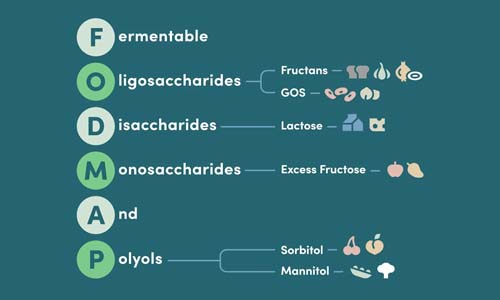
What FODMAPs Are (Plain-Language Refresher)
FODMAPs are short-chain carbs that can be poorly absorbed and fermented by gut bacteria, leading to typical symptoms like bloating, gas, and urgency in sensitive individuals.
Does Bok Choy Contain Sorbitol or Other FODMAPs?
Bok choy is considered very low in FODMAPs at standard serving sizes. Analyses show no meaningful levels of sorbitol or other problem FODMAPs at 75 g, which explains its low FODMAP rating. However, fiber and natural plant compounds can still cause symptoms in ultra-sensitive guts, even when FODMAP content remains low.
If you're interested in how other vegetables compare, you might also enjoy our guide on is avocado low FODMAP for more insights on gut-friendly produce.
How Monash-Style Testing Classifies Bok Choy
Foods receive green (low), amber (moderate), or red (high) FODMAP classifications based on portion size testing. Bok choy earns a green rating at 75g, with potential amber levels emerging around 112g and above. This traffic-light system helps you understand that classification depends entirely on serving size, not the food itself.
Multiple green servings throughout the day can "stack" and potentially trigger symptoms, which is why spacing bok choy-containing meals by 3-4 hours helps maintain digestive comfort.
Why Low FODMAP Doesn't Always Mean Symptom-Free
IBS responses depend on multiple factors beyond FODMAP content. Portion size and stacking with other foods, individual sensitivity to fiber or brassicas, and your overall gut state that day (stress, hormones, sleep) all influence tolerance.
Consider bok choy a "likely safe" vegetable to test during elimination, while still listening to your body's unique responses. Even low FODMAP foods can cause discomfort in ultra-sensitive individuals or when consumed in excessive amounts.
Eating Bok Choy in Each Phase of the Low FODMAP Diet
Elimination Phase – How to Start Safely
Begin with ½ cup cooked bok choy (40-50g) in a meal, progressing to the full 1 cup (75g) serving if well-tolerated. Keep accompanying foods simple and monotone in FODMAPs, pair with plain rice, seared protein, and bok choy sautéed in garlic-infused oil.
Avoid combining with lentils, large portions of other brassicas, or multiple moderate FODMAP foods in the same meal during this testing phase.
Reintroduction Phase – Testing Your Personal Tolerance
Test your bok choy tolerance systematically over three days: Day 1 with ½ cup cooked (40-50g), Day 2 with 1 cup cooked (~75g), and Day 3 with 1½ cups cooked (90-110g) if the previous days went smoothly.
Track timing, symptoms, stress levels, and other foods consumed in a simple log. If symptoms appear only at the highest portion, your personal "green zone" likely sits at ≤75g per serving.
Maintenance Phase – Making Bok Choy a Regular Staple
Aim for one green serving per meal (75g), up to 1-2 meals daily if tolerated. Space bok choy-containing meals by at least 3 hours to prevent FODMAP stacking, and rotate with other low FODMAP greens like spinach and lettuce throughout the week.
Use bok choy strategically in higher-risk meals like stir-fries to replace higher-FODMAP vegetables while maintaining satisfying crunch and flavor.
For more inspiration on low FODMAP meals, check out our recipe for low FODMAP miso salmon, a delicious way to enjoy gut-friendly eating.
Ultra-Sensitive IBS? How to Adjust Portions
Start as low as ¼ cup cooked (20-25g) if your gut flares easily. Pair with gentle proteins like grilled chicken or eggs and plain starches like rice or quinoa. Increase by ¼ cup increments every 2-3 attempts if symptoms remain calm.
Phase-by-Phase Serving Guide:
• Elimination: ½ cup cooked (40-50g)
• Reintroduction: Test up to 1½ cups (90-110g)
• Maintenance: 1 cup per meal (75g), 2x daily max
• Ultra-sensitive: Start at ¼ cup (20-25g)
Nutrition Benefits – Why Bok Choy Deserves a Spot in Your Low FODMAP Rotation

Key Nutrients in a 75g Low FODMAP Serving
One cup (75g) of raw bok choy delivers impressive nutrient density without fermentable carbs. You'll get substantial vitamin A for eye health, vitamin C for immune support, and vitamin K for bone health, plus smaller amounts of folate, calcium, and potassium, all in a very low-calorie package.
This nutritional profile makes bok choy an excellent choice for adding vitamins and minerals to your low FODMAP meals without contributing significant digestive stress.
For those looking to stock up on gut-friendly basics, consider exploring our Gourmend Low FODMAP Ingredient Bundles to make meal planning even easier.
Fiber and IBS – Finding the Sweet Spot
Bok choy provides modest fiber content, enough to gently support digestion without the gassiness associated with beans or large servings of broccoli. For smoother digestion, chew thoroughly, start with cooked rather than raw preparations if sensitive, and maintain adequate water intake throughout the day.
The fiber in bok choy tends to be better tolerated than tougher cruciferous vegetables, making it an ideal bridge food for those transitioning to low FODMAP eating.
Flavor, Satisfaction, and Feeling "Normal" at the Table
Bok choy delivers the crunch of celery with the leafy tenderness of spinach, creating visual appeal with bright greens and crisp white stalks. Using bok choy in stir-fries, soups, and sautés helps low FODMAP meals feel more like restaurant favorites, without the garlic and onion that typically trigger symptoms.
This versatility makes bok choy invaluable for maintaining social dining experiences and recipe satisfaction while managing IBS symptoms effectively.
How to Measure, Prep, and Cook Bok Choy the Low FODMAP Way
How to Accurately Measure a Low FODMAP Serving
With a scale: Rinse and trim the root end, pat dry, roughly chop, then weigh out 75g raw per person. Without a scale: One loosely packed cup chopped equals approximately one low FODMAP serving, or 1-2 baby bok choy heads depending on size.
When in doubt, under-fill the cup slightly to stay comfortably within the safe zone for digestive comfort.
Cleaning and Cutting for Even Cooking
Cut off the base and separate stalks, then rinse under cold water for 30-60 seconds, paying attention to where dirt hides near the base. For stir-fries, slice stalks into ½-inch pieces and leaves into wide strips. For soup, chunk into 1-2 inch pieces.
Keep stalks and leaves in separate piles so you can cook stalks 2-3 minutes longer than the tender leaves for even texture throughout.
Essential Low FODMAP Cooking Methods (No Garlic or Onion Needed)
Quick sauté (5-7 minutes): Heat 1 tablespoon garlic-infused oil per 2 servings over medium-high heat. Add bok choy stalks and cook 2-3 minutes until starting to soften, then add leaves for 2-3 more minutes. Season with salt, pepper, ginger, and lemon.
Brothy simmer (5-10 minutes): Bring Gourmend Chicken, Beef, or Vegetable Bone Broth to gentle simmer, add sliced bok choy, and cook 3-5 minutes until stalks are crisp-tender. Finish with chives, scallion greens, or leek tops for onion-like depth.
For the best results in brothy dishes, try using Organic Chicken Bone Broth | Low FODMAP & Unsalted or Organic Beef Bone Broth | Low FODMAP & Unsalted for rich flavor without digestive upset.
Sheet pan roasting (10-12 minutes at 425°F): Halve baby bok choy, brush with oil, season, and roast cut-side down. Check at 10 minutes for browned edges and tender cores.
Best Low FODMAP Ways to Cook and Season Bok Choy (Flavor-First, IBS-Friendly)
Flavor Foundations Without Garlic and Onion
Build bold flavors using ginger (fresh or ground), chives, scallion greens, and leek greens for onion-like depth. Add citrus juice and zest, plus low FODMAP herbs like basil, cilantro, chili flakes, and sesame seeds for complexity.
Bloom spices in oil for 30-60 seconds before adding bok choy, and add citrus or vinegar off the heat to preserve bright flavors.
For more creative low FODMAP sides, you might enjoy our low FODMAP crisp roasted baby potatoes recipe for a delicious pairing.
Pairing Bok Choy with Low FODMAP Proteins and Carbs
Excellent protein companions include grilled chicken, seared beef strips, eggs, firm tofu, and shrimp. Pair with gentle starches like white rice, brown rice, quinoa, or rice noodles for complete satisfaction.
A perfect low FODMAP plate: ¾ cup rice + 3 oz grilled chicken + 1 cup (75g) sautéed bok choy creates a nutritionally complete, digestively gentle meal.
Our Top 3 Low FODMAP Bok Choy Cooking Styles
Fast Weeknight Stir-Fry (15 minutes): Combine bok choy with bell peppers and your choice of protein, cooked in garlic-infused oil and finished with tamari, ginger, and lime for restaurant-quality results.
Comforting Brothy Bowl (20 minutes): Simmer Gourmend bone broth, then add cooked rice, bok choy, shredded chicken, and chives for a warming, gut-friendly meal that satisfies completely.
Simple Side Dish (10 minutes): Pan-sear baby bok choy halves with sesame oil, salt, and black pepper, finishing with lemon zest for an elegant accompaniment to any protein.
For additional guidance on the low FODMAP diet, see this helpful low FODMAP diet resource from the University of Wisconsin.
If you’re interested in the scientific research behind FODMAPs and IBS, you can read more in this peer-reviewed article on FODMAPs and gut health.
Frequently Asked Questions
Is bok choy safe to eat during all phases of the low FODMAP diet?
Yes, bok choy is considered safe to eat during all phases of the low FODMAP diet when consumed within recommended serving sizes. Its gentle nature and low FODMAP content make it a reliable choice for sensitive stomachs throughout elimination and reintroduction phases.
What is the recommended serving size of bok choy to avoid triggering IBS symptoms?
The recommended serving size is 75 grams, roughly 1 cup chopped or one small head of baby bok choy. Staying at or below this amount helps keep bok choy low FODMAP and less likely to cause digestive discomfort.
How does bok choy compare to other cruciferous vegetables in terms of FODMAP content?
Bok choy is lower in FODMAPs compared to many other cruciferous vegetables, which often contain higher levels that can trigger IBS symptoms. Its mild peppery flavor and crunch come without the typical digestive challenges of its cruciferous cousins.
Can baby bok choy be used interchangeably with full-size bok choy on a low FODMAP diet?
Yes, baby bok choy and full-size bok choy follow the same low FODMAP guidelines. The key factor is the total grams per serving, not the variety, so you can use them interchangeably as long as you keep portion sizes in check.