



Is Beer Low FODMAP? Serving Sizes and Ingredients to Check

Key Takeaways
- Beer can be low FODMAP when consumed in appropriate serving sizes.
- Fermentation plays a important role in reducing high-FODMAP components in beer.
- Although beer is brewed from high-FODMAP grains like barley and wheat, yeast consumption during fermentation lowers problematic sugars and fructans.
- Understanding the science behind fermentation helps IBS sufferers enjoy beer without discomfort.
Table of Contents
- Beer and the Low FODMAP Diet: Why You Can Still Raise a Glass
- What Is FODMAP and Why Beer Matters to Digestion
- How Fermentation Breaks Down FODMAPs in Beer
- Low FODMAP Beer: What Serving Size Actually Means
- Which Beer Styles Are Lower in FODMAPs
- How to Identify Low FODMAP Beer When Shopping
- Beer and Individual IBS Triggers: Beyond FODMAP
- Low FODMAP Beer Versus Other Alcoholic Options
- Practical Tips for Drinking Beer Safely on a Low FODMAP Diet
- What to Do If Beer Still Triggers Symptoms Despite Low FODMAP Status
- Gluten-Free Beer and Low FODMAP Status: Understanding the Difference
- Low FODMAP Beer Brands and Where to Find Them
- Pairing Low FODMAP Beer with Complementary Foods
- The Role of Broths and Seasonings in Supporting Low FODMAP Beer Enjoyment
- Alcohol-Free and Low FODMAP Alternatives for Social Occasions
Beer and the Low FODMAP Diet: Why You Can Still Raise a Glass
Here's news that'll make IBS sufferers smile: is beer low FODMAP? The answer is yes, when you understand serving size and fermentation science. Despite being brewed from high-FODMAP grains like barley and wheat, beer transforms during fermentation as yeast consumes problematic sugars and fructans.
Your ability to enjoy beer on a low FODMAP diet depends on three critical factors: fermentation completeness, serving size (375ml is the research-backed threshold), and your individual tolerance to alcohol's independent digestive effects. The key isn't avoiding beer entirely, it's drinking strategically. Low FODMAP Pantry Starter Bundle essentials can help you pair your beer with safe snacks and meals, supporting your digestive comfort from the start.
We'll decode the fermentation science that makes beer digestible, identify which styles work best for sensitive stomachs, and give you a practical framework for testing your personal tolerance without triggering symptoms. For those seeking a flavorful, gut-friendly base for beer pairings, try our Organic Vegetable Broth (Low FODMAP & Unsalted) to create delicious, IBS-friendly dishes.
What Is FODMAP and Why Beer Matters to Digestion

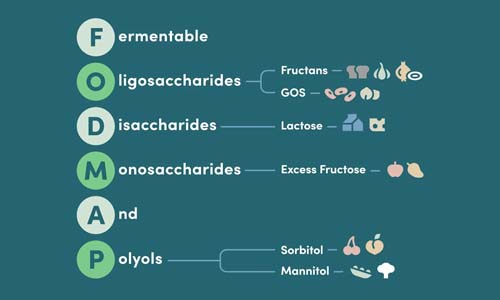
FODMAPs, fermentable oligosaccharides, disaccharides, monosaccharides, and polyols, are short-chain carbohydrates that resist digestion in the small intestine. When they reach the colon, gut bacteria ferment them rapidly, producing gas, drawing in water, and triggering IBS symptoms like bloating, cramping, and diarrhea.
The low FODMAP diet reduces this problematic fermentation by temporarily eliminating high-FODMAP foods, then systematically reintroducing them to identify personal triggers. Alcohol complicates this process because ethanol independently irritates the digestive tract, increasing stomach acid, disrupting the gut barrier, and accelerating intestinal motility regardless of FODMAP content.
Here's the brewing paradox: beer starts with high-FODMAP grains (barley contains fructans, wheat harbors oligosaccharides), but fermentation fundamentally changes its molecular structure. Yeast consumes the sugars and breaks down fructan chains, dramatically reducing FODMAP content. However, fermentation isn't always complete, which is why serving size remains critical.
This transformation explains why beer low FODMAP status isn't black and white, it depends on brewing methods, fermentation time, and residual sugar levels that vary by style and brand.
How Fermentation Breaks Down FODMAPs in Beer
During brewing, yeast performs molecular surgery on FODMAP compounds. Fructans, chains of fructose molecules that make barley and wheat problematic, get partially dismantled as yeast breaks them into digestible sugars, then converts those sugars into alcohol and carbon dioxide.
The extent of this breakdown depends on fermentation time and yeast efficiency. Longer fermentation (4+ weeks) typically produces lower residual FODMAP levels than rushed brewing. Dry beer styles indicate more complete sugar consumption, while sweet or malty beers retain higher FODMAP loads.
However, fermentation rarely eliminates FODMAPs entirely. Even well-fermented beer contains trace amounts that accumulate with volume. This is why Monash University research established the 375ml (12 oz) serving threshold, below this amount, most people with IBS tolerate beer without symptoms.
Temperature and yeast strain also influence FODMAP reduction. Lagers, fermented cold with bottom-fermenting yeast, often achieve more complete sugar conversion than ales. This scientific reality makes light lagers your safest bet for fodmaps beer compatibility.
Low FODMAP Beer: What Serving Size Actually Means
Monash University's gold-standard research identifies 375ml (12 oz) as the low FODMAP threshold for regular beer. This isn't arbitrary, it represents the point where FODMAP accumulation typically remains below symptom-triggering levels for most IBS sufferers.
Portion precision matters more than you'd think. A standard beer can contains exactly 355ml, making it slightly under the threshold. A pint glass holds 473ml, 25% over the safe zone. This difference between "probably fine" and "likely problematic" explains why some people experience inconsistent reactions to beer.
The "stacking effect" compounds this challenge. Consuming 375ml of beer alongside other FODMAP sources, sourdough bread, a small apple, or lactose-containing cheese, can exceed your daily tolerance threshold even though each item individually qualifies as low FODMAP. Track your cumulative intake across meals, not just single servings.
Which Beer Styles Are Lower in FODMAPs

Light lagers and pilsners top the low FODMAP hierarchy. Extended cold fermentation and minimal residual sugars make them the safest choice. Think Heineken, Corona, or Carlsberg, crisp, clean, and consistently well-fermented.
Pale ales and IPAs occupy the middle ground. Moderate FODMAP levels make them manageable for many, though hoppy bitterness can independently irritate sensitive digestive systems. Start with lighter-colored IPAs rather than hazy or New England styles.
Wheat beers and hefeweizens require caution. Wheat's oligosaccharide content often survives fermentation, especially in traditional German styles that prioritize cloudy appearance over complete clarification. If you choose wheat beer, stick strictly to the 375ml limit.
Stouts and porters vary widely. Dark color doesn't indicate FODMAP content, roasted malts contribute color without adding problematic sugars. However, sweet stouts or those with lactose additions (milk stouts) become high-FODMAP quickly.
Fruit-flavored and specialty beers present the highest FODMAP risk. These often contain fruit concentrates, honey, agave nectar, or artificial sweeteners that bypass the fermentation process entirely. Even small servings can trigger symptoms in sensitive individuals.
Non-alcoholic beer varies significantly by brand. While the fermentation process remains similar, some producers add sugars or sweeteners during final processing. Always verify the ingredient list rather than assuming FODMAP safety based on alcohol content alone.
How to Identify Low FODMAP Beer When Shopping
Smart shopping starts with reading ingredient lists systematically. Step one: scan for high-FODMAP additions like honey, agave, fruit concentrates, or high-fructose corn syrup. These ingredients immediately disqualify a beer regardless of base grain fermentation.
Step two: look for fermentation time indicators on premium labels. Longer fermentation periods (4+ weeks) typically correlate with lower residual sugars, though this information isn't always available on mainstream brands. When in doubt, choose established light lagers from major breweries that maintain consistent fermentation protocols.
Recognize reliable patterns: Corona, Heineken, and Carlsberg consistently produce low FODMAP options due to their standardized brewing processes. Avoid anything marketed as "fruit-flavored" or containing "natural flavors", these often hide fruit-derived FODMAP sources. The Monash University app provides verified options when available, though coverage remains limited compared to food products.
Beer and Individual IBS Triggers: Beyond FODMAP
Carbonation sensitivity affects many IBS sufferers independently of FODMAP content. Beer's carbonation can worsen bloating and gas even in technically low FODMAP servings. Some people benefit from letting beer sit for 15+ minutes to reduce carbonation, while others find non-carbonated spirits more tolerable overall.
Alcohol creates independent digestive effects regardless of whether beer is beer low fodmap compliant. Ethanol increases stomach acid production, irritates the gut lining, and disrupts beneficial bacteria. These effects occur within 30-60 minutes of consumption, faster than typical FODMAP fermentation symptoms that emerge 1-2 hours later.
Fermented beverages contain histamine, which triggers symptoms in histamine-sensitive individuals through different pathways than FODMAP intolerance. Hoppy bitters and polyphenols may accelerate gastric emptying, particularly problematic for IBS-D sufferers. Testing protocol: consume 375ml of verified low FODMAP beer on a calm stomach and track symptoms over 24 hours to distinguish FODMAP sensitivity from alcohol sensitivity.
Low FODMAP Beer Versus Other Alcoholic Options

Wine servings are smaller (150ml vs. 375ml) but vary dramatically in FODMAP content. Dry red and white wines ferment most sugars, making them generally safer choices than sweet or fortified wines. However, some individuals tolerate the larger beer serving better than wine's higher alcohol concentration per volume.
Distilled spirits in 30-45ml servings are typically lower FODMAP and eliminate carbonation concerns entirely. Clear spirits like vodka and gin cause less gut irritation than dark spirits aged in barrels. Most commercial hard seltzers contain problematic sugar alcohols or high-FODMAP sweeteners despite marketing claims.
| Beverage Type | Typical Serving | FODMAP Risk | Carbonation Level | Alcohol Irritation | Low FODMAP Options |
|---|---|---|---|---|---|
| Beer | 375ml | Low (if fermented) | High | Moderate | Widely available |
| Wine | 150ml | Variable | None/Low | Higher concentration | Dry varieties |
| Spirits | 30-45ml | Very Low | None | High concentration | Most clear spirits |
| Hard Seltzer | 355ml | Often High | High | Low-Moderate | Limited options |
Practical Tips for Drinking Beer Safely on a Low FODMAP Diet
Always eat before or with beer, never consume alcohol on an empty stomach. Pair with low FODMAP snacks like aged cheese, rice crackers, or grilled proteins. Food slows alcohol absorption and reduces direct gut irritation while providing a buffer against cumulative FODMAP effects from other meal components. For a delicious pairing idea, try this low FODMAP miso salmon recipe, which complements light lagers beautifully.
Alternate with water and sip slowly over 30+ minutes per beer. This technique reduces alcohol's concentrated impact on gut lining while maintaining hydration. Avoid beer cocktails and mixers, as most commercial options contain high-FODMAP sweeteners or fruit juices that can push total intake over tolerance thresholds.
Keep a detailed symptom diary tracking beer consumption (brand, volume, timing) alongside digestive symptoms over 2-3 weeks. Plan social occasions in advance, deciding how many low FODMAP beers fit your personal tolerance and having non-alcoholic backups ready. For another crowd-pleasing side, consider these low FODMAP crisp roasted baby potatoes that pair well with most beer styles.
What to Do If Beer Still Triggers Symptoms Despite Low FODMAP Status
When you've followed all the guidelines but still experience digestive discomfort, the issue likely extends beyond FODMAP content. First, verify your beer choice by double-checking the ingredient label for hidden high-FODMAP additions like honey, fruit concentrates, or natural flavors. Even certified low FODMAP beers can vary between batches, especially craft varieties.
Consider non-FODMAP factors systematically. Carbonation sensitivity affects many people with IBS, try letting your beer sit for 15-20 minutes to reduce fizz, or switch to less carbonated options like cask ales. Alcohol itself irritates the gut lining and increases stomach acid production regardless of FODMAP content. If symptoms appear within 30 minutes of drinking, alcohol sensitivity rather than FODMAP reaction is the likely culprit. In this case, reducing serving size to 250ml or switching to lower-alcohol options may help.
Gluten-Free Beer and Low FODMAP Status: Understanding the Difference

The most common misconception in digestive-friendly drinking is that gluten-free automatically means low FODMAP. These are completely separate considerations. Gluten-free beers use alternative grains like rice, corn, sorghum, or certified gluten-free barley, but their FODMAP content depends entirely on fermentation completeness and residual sugars, not gluten removal.
Most properly fermented gluten-free beers fall within low FODMAP guidelines at the standard 375ml serving, making them excellent choices for people managing both celiac disease and IBS. Popular options like Glutenberg and Omission undergo thorough fermentation processes that break down potential FODMAPs. However, some gluten-free specialty beers contain added fruits or sweeteners that push them into high-FODMAP territory, so ingredient scrutiny remains essential. If you want to learn more about how other foods compare, check out this guide on is avocado low FODMAP.
Low FODMAP Beer Brands and Where to Find Them
Mainstream light lagers offer the most reliable low FODMAP options due to consistent brewing processes and longer fermentation times. Corona, Heineken, Carlsberg, and Modelo consistently meet low FODMAP criteria and are widely available at standard liquor stores. These brands prioritize clean fermentation that naturally reduces residual FODMAPs.
When shopping, look for beers with ingredient transparency and fermentation details on the label. Avoid anything marketed as "fruit-flavored," "honey-infused," or containing "natural flavors", these terms often indicate high-FODMAP additions. Local craft breweries increasingly offer fermentation information when asked, though consistency varies. The Monash University FODMAP app provides verified brand recommendations specific to your region, making it an invaluable shopping companion.
For those who want a variety of broths to pair with their meals, the Bone Broth Sampler Bundle is a great way to explore different flavors while supporting your low FODMAP lifestyle.
Pairing Low FODMAP Beer with Complementary Foods
Strategic food pairing transforms is beer low fodmap from a simple yes-or-no question into an opportunity for gourmet enjoyment. Consuming beer with low FODMAP foods slows alcohol absorption, reduces gut irritation, and enhances overall satisfaction. Pair light lagers with aged cheeses like cheddar or brie, served alongside rice crackers and smoked salmon for a sophisticated combination that supports digestive comfort.
Protein-rich pairings work exceptionally well, grilled chicken seasoned with chive sprigs and herbs, or beef prepared with garlic-infused oil (not fresh garlic cloves) provide substance without FODMAP complications. Roasted vegetables like carrots, bell peppers, and zucchini seasoned with oregano and thyme create satisfying accompaniments. Always avoid traditional beer snacks containing garlic powder, onion rings, or wheat-based items that could trigger symptoms regardless of your beer choice. For a seasoning that delivers flavor without FODMAPs, try our Organic Garlic Chive Powder in your next meal.
The Role of Broths and Seasonings in Supporting Low FODMAP Beer Enjoyment

High-quality broths elevate low FODMAP meals consumed alongside beer, creating satisfying dining experiences that support digestive wellness. Gourmend Foods shelf-stable broths use chive sprigs, scallion greens, and leek greens instead of problematic onion bulbs or garlic cloves, delivering rich umami depth without FODMAP complications. Their Beef and Vegetable broths incorporate nori seaweed and oyster mushrooms for additional savory complexity that pairs beautifully with beer's malty notes.
These broths transform simple low FODMAP ingredients into restaurant-quality dishes perfect for social drinking occasions. Create a risotto using Gourmend Vegetable Broth, prepare beef stew with their Beef Broth, or craft light soups with Chicken Broth, all designed to complement rather than compete with your carefully chosen low FODMAP beer. The Gourmend Low FODMAP Recipe Conversion Tool helps adapt family favorites by substituting high-FODMAP ingredients with digestive-friendly alternatives.
If you want to explore more broth options, check out our Organic, Gut Friendly, Low FODMAP Broths collection for a variety of choices to suit your needs.
Alcohol-Free and Low FODMAP Alternatives for Social Occasions
Non-alcoholic beers eliminate alcohol's independent irritant effects while maintaining social participation, though FODMAP verification remains necessary. Guinness 0.0 and Carlsberg 0.0 generally meet low FODMAP criteria, but always check labels for added sugars or fruit concentrates. These options work particularly well for people whose IBS symptoms worsen with any alcohol consumption, regardless of FODMAP content.
Creative mocktails using soda water, fresh lime juice, mint, and low FODMAP sweeteners like maple syrup (never honey) provide festive alternatives. For more inspiration on low FODMAP entertaining, you might enjoy this simple low FODMAP gourmet risotto recipe that pairs beautifully with a cold beer or a refreshing mocktail.
For additional authoritative information on FODMAPs and IBS, visit the Monash University FODMAP website.
Frequently Asked Questions
How does the fermentation process reduce FODMAP content in beer despite being made from high-FODMAP grains?
During fermentation, yeast consumes the high-FODMAP sugars and fructans present in barley and wheat, breaking them down into simpler compounds. This transformation significantly lowers the FODMAP content, making beer easier to digest despite its high-FODMAP grain origins.
What is the recommended serving size of beer to keep it low FODMAP and avoid IBS symptoms?
Research supports a serving size of about 375ml (roughly one standard bottle or can) as low FODMAP and generally well tolerated. Staying within this limit helps minimize FODMAP-related digestive discomfort for most people.
Which beer styles are generally lower in FODMAPs and better tolerated by those on a low FODMAP diet?
Lighter beers such as lagers, pilsners, and some gluten-free options tend to have lower FODMAP levels. These styles often undergo more complete fermentation or use ingredients that reduce fermentable carbohydrates, making them gentler on sensitive digestion.
How can individuals with IBS determine their personal tolerance to beer given the effects of alcohol beyond FODMAP content?
It's best to start with small servings within the low FODMAP range and monitor symptoms carefully. Since alcohol itself can affect digestion independently, keeping a food and symptom diary helps identify personal triggers and safe limits for enjoying beer without discomfort.