



Are Avocados Low FODMAP? Serving Sizes and Practical Swaps

Are avocado low fodmap
Navigating the low FODMAP diet can sometimes feel like deciphering a culinary code, especially beloved foods like avocado. For years, many have wondered about avocado's place in a gut-friendly eating plan, often recalling older advice that labeled it as high FODMAP. This confusion is understandable, as dietary guidelines can evolve with new research. At Gourmend Foods, we believe in bringing clarity and confidence back to your kitchen, empowering you to enjoy delicious foods without the worry of digestive distress. We understand the challenges our customers face, and we're here to provide the most up-to-date, evidence-based guidance.
Key Takeaways
- Avocado's place in a gut-friendly eating plan has long been misunderstood due to outdated advice labeling it as high FODMAP.
- Dietary recommendations continue to shift as new research emerges, making it important to rely on current evidence rather than older assumptions.
- Understanding which foods trigger your symptoms allows you to enjoy flavorful meals without the anxiety of digestive discomfort.
- Accessing up-to-date, science-based guidance gives you the confidence to make informed choices about ingredients like avocado in your daily cooking.
The good news is that the science has advanced, offering a clearer picture. Thanks to dedicated research, particularly from Monash University, our understanding of avocado and its FODMAP content has been refined. This means you might be able to reintroduce this creamy, versatile fruit into your diet in a way that respects your digestive needs. Let's explore the current findings and understand what this means for your low FODMAP journey.
Understanding Avocado's FODMAP Status
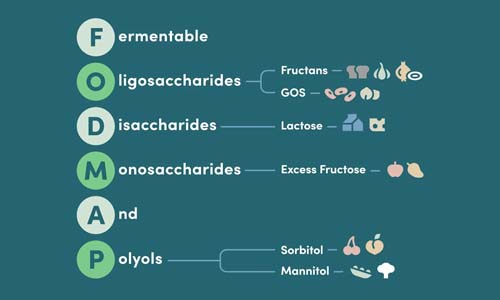
For those following a low FODMAP diet, the question "are avocado low fodmap?" has a nuanced answer that has shifted with updated research. Historically, avocado was often flagged as high in FODMAPs due to its sorbitol content. However, more recent testing by Monash University, a leading authority on FODMAP research, has clarified this. The primary polyol identified in avocado is actually perseitol, not sorbitol. Perseitol is not classified as a FODMAP, which has led to a re-evaluation of avocado's FODMAP status by Monash University, as detailed in their latest findings.
This updated understanding is significant. It means that avocado can be enjoyed by many individuals on a low FODMAP diet, provided it's consumed in appropriate portion sizes. Monash University's guidelines now indicate that a small serving of avocado is considered low FODMAP. Specifically, about 1/8 of a whole avocado, which equates to approximately 30 grams, is classified as low FODMAP. This is a crucial piece of information for anyone looking to incorporate more variety and flavor into their meals while managing digestive sensitivities like IBS. It also highlights the importance of relying on the most current research when making dietary choices.
It's also worth noting that avocado oil is entirely different. Because oils are primarily fat and contain negligible amounts of carbohydrates, they are naturally FODMAP-free. This means avocado oil can be used freely in cooking and dressing without concern for FODMAP triggers. The distinction between the whole fruit and its oil is important for accurate dietary planning. Understanding these specifics allows for more flexible and enjoyable meal preparation, moving away from overly restrictive interpretations of the diet.
Key Benefits of Avocado in a Gut-Friendly Lifestyle

Incorporating avocado into a low FODMAP eating plan, within recommended serving sizes, offers a wealth of nutritional and culinary advantages. For individuals managing Irritable Bowel Syndrome (IBS), finding foods that are both gentle on the stomach and packed with nutrients can be a challenge. Avocado, when consumed mindfully, provides healthy monounsaturated fats, fiber, and various vitamins and minerals, contributing to overall well-being. The texture and rich flavor profile also make it a satisfying addition that can prevent feelings of deprivation often associated with restrictive diets. Many people find that embracing foods like avocado, once their FODMAP status is clarified, makes the diet much more sustainable and enjoyable.
The positive impact of a well-managed low FODMAP diet on IBS symptoms is substantial. Studies indicate that a significant portion of individuals with IBS experience relief. The Gastroconsa study noted that approximately 75% of IBS patients feel better within one week of starting a low FODMAP diet. For those who find that avocado, in small, tested portions, agrees with them, it can be a valuable tool in achieving this relief. It's not just about avoiding triggers; it's about strategically adding nutrient-dense foods that support gut health and overall vitality. This aligns with our mission at Gourmend Foods: to help you enjoy bold, gourmet flavor without digestive discomfort.
The versatility of avocado means it can be integrated into numerous meals, making adherence easier. Whether blended into a dressing, mashed as a spread, or added to salads, it elevates dishes. For those seeking delicious ways to season their meals, Gourmend's Low FODMAP Taco Seasoning, made with garlic scape and green onion powders instead of onion and garlic bulbs, can be paired wonderfully with avocado for a flavorful taco night. This seasoning, along with our other clean-label products, is designed to provide the depth of flavor you love, safely. When considering avocado's role in digestive health, the answer depends on individual tolerance and portion size, but its healthy fats and nutrients can contribute to a balanced diet that supports digestive health.
It's also important to consider ripeness. Research suggests that unripe avocados may contain higher levels of perseitol compared to ripe ones. Opting for a ripe avocado might further improve tolerance for some individuals. This attention to detail, combined with sticking to the recommended serving sizes, allows you to explore the benefits of avocado without triggering digestive upset. Our commitment at Gourmend Foods, as a Certified B Corporation with an impact score of 114.0, is to provide high-quality, clean-label ingredients that support your journey toward better gut health and culinary enjoyment.
How to Choose are avocado low fodmap
Navigating grocery aisles can feel overwhelming when you are trying to determine which produce aligns with your digestive needs. When evaluating whether are avocado low fodmap, the answer ultimately depends on how you select and portion the fruit. Monash University updated its guidelines in 2026 after discovering that the polyol present in the fruit is actually perseitol rather than sorbitol. This scientific refinement means you can confidently incorporate the fruit into your meals, provided you pay close attention to ripeness and serving thresholds. Choosing the right specimen starts with understanding how polyol concentration shifts as the fruit matures. Unripe avocados typically hold higher levels of perseitol, which may trigger sensitivity in some individuals. Opting for a fruit that yields slightly to gentle pressure signals peak ripeness and lower polyol content, making it easier for your digestive system to process. You should also check the stem cap; if it slides off easily and reveals a bright green color underneath, the interior is fully developed and ready for consumption.
Portion control remains the most reliable strategy for maintaining comfort. While the fruit offers excellent healthy fats and fiber, exceeding the recommended threshold can overwhelm your gut. Monash University currently classifies approximately 1/8 of a whole avocado, or roughly 30 grams, as a safe low FODMAP serving. If you are wondering whether are avocado low fodmap in larger quantities, it is wise to start with the smaller portion and gradually adjust based on your personal tolerance. Many people find that pairing a measured amount with other gentle ingredients creates a satisfying meal without digestive distress. For those tracking their intake, keeping a food journal alongside your culinary experiments helps you identify exactly how much your body can handle. You might also explore whether are egg low fodmap when building balanced plates, as protein sources like eggs naturally complement the creamy texture of properly selected avocados and provide a stable base for nutrient absorption.
Quick Selection Guide for Digestive Comfort
- Look for dark, slightly pebbled skin that yields gently to palm pressure
- Verify the stem cap removes cleanly to reveal bright green flesh underneath
- Store at room temperature until ripe, then refrigerate to slow polyol progression
- Use a kitchen scale to measure the 30 gram threshold during initial reintroduction
- Pair measured portions with certified low FODMAP ingredients to stabilize digestion
Building a reliable kitchen pantry goes beyond simply picking the right fruit. It requires selecting complementary ingredients that deliver deep, savory notes without relying on traditional high FODMAP staples. When preparing dishes that call for aromatic bases, many home cooks turn to Low FODMAP Taco Seasoning as a reliable foundation. This seasoning is made with garlic scape and green onion powders instead of onion and garlic bulbs, offering authentic flavor without common triggers. This meticulous approach ensures that every container supports your digestive comfort without compromising on culinary excellence.
Finally, verify certifications and sourcing practices before making a purchase. Looking for recognized independent low FODMAP certification, such as FODMAP Friendly, helps confirm that a product has undergone rigorous testing against current FODMAP thresholds. You will also want to prioritize brands that maintain transparent sourcing and sustainability standards. Gourmend Foods operates as a Certified B Corporation with an impact score of 114.0, reflecting a genuine commitment to clean-label ingredients and responsible manufacturing. When you examine packaging, check for clear serving sizes, absence of hidden additives, and straightforward ingredient lists. This disciplined approach to label reading transforms grocery shopping from a guessing game into a straightforward process. By focusing on certified low FODMAP fruits, verifying portion guidelines, and stocking your shelves with carefully formulated seasonings, you create a kitchen environment that actively supports your long-term digestive wellness. Many of our customers report that having a trusted, FODMAP Friendly certified alternative to avocado-based spreads and savory blends reduces meal preparation anxiety and brings confidence back to everyday cooking.
References
Frequently Asked Questions About Avocado and FODMAPs
Navigating the nuances of a low FODMAP diet can bring up many questions, especially concerning foods that have had their classification updated. For many, the question "are avocado low fodmap?" remains a common point of curiosity. We understand that dietary advice can change as research evolves, and at Gourmend Foods, we are committed to providing you with the most current and reliable information. Our goal is to empower you to make informed choices that support both your digestive health and your enjoyment of delicious food. Let's address some of the most frequent inquiries about incorporating avocado into your low FODMAP lifestyle.
Understanding Avocado's FODMAP Status: The Latest
- Monash University's Findings: Recent research from Monash University has identified perseitol as the primary polyol in avocados, not sorbitol. Perseitol is not classified as a FODMAP.
- Serving Size is Key: A small serving of approximately 1/8 of a whole avocado (about 30 grams) is currently classified as low FODMAP.
- Avocado Oil: Avocado oil is virtually fat and contains no carbohydrates, making it FODMAP-free and safe for consumption.
- Ripeness Matters: Unripe avocados may contain higher levels of perseitol than ripe ones. Opting for ripe fruit is generally recommended for better tolerance.
- Personal Tolerance: While guidelines provide a starting point, individual tolerance levels can vary. It's always recommended to test your tolerance with small, measured portions.
Is Avocado Truly Low FODMAP Now?
Yes, according to the latest research from Monash University, avocado is now considered low FODMAP in specific serving sizes. The scientific understanding has evolved, with retesting revealing that the main carbohydrate component is perseitol, which is not a FODMAP. This is a significant update from older classifications that flagged avocado as high FODMAP due to its sorbitol content. For individuals with IBS or other digestive sensitivities, this news can be incredibly welcome, offering a chance to enjoy this nutrient-dense fruit again. It underscores the importance of consulting up-to-date resources, such as those from Monash University, when adhering to a low FODMAP diet, as information is continuously refined.
What is the Recommended Serving Size for Avocado on a Low FODMAP Diet?
The key to enjoying avocado while following a low FODMAP diet lies in portion control. Monash University, the leading authority in FODMAP research, has established that a small serving of avocado is low FODMAP. Specifically, this serving size is approximately 1/8 of a whole avocado, which weighs in at around 30 grams. Consuming more than this amount may increase the perseitol content to levels that could trigger symptoms in sensitive individuals. It's advisable to start with this measured portion, especially if you are reintroducing avocado after a period of avoidance, and observe how your body responds. Keeping a food diary can help track your intake and any potential reactions, guiding you toward your personal tolerance threshold.
Can I Eat Avocado If I Have IBS Diarrhea?
For individuals experiencing IBS diarrhea, the answer to whether are avocado low fodmap can be yes, but with careful consideration of serving size and ripeness. The healthy fats and fiber in avocado can be beneficial for digestive health, potentially aiding in stool formation for some. However, like any food, individual tolerance varies greatly. The recommended low FODMAP serving of 1/8 of an avocado (about 30g) is the best starting point. If you find that even this small portion causes discomfort, it might be a sign that avocado is not suitable for your system at this time, or that you are sensitive to the perseitol content. It's also worth noting that unripe avocados may contain higher levels of perseitol, so opting for a ripe avocado is generally a safer bet. Prioritizing a balanced diet with other gentle, low FODMAP foods is essential, and Gourmend's own Low FODMAP Taco Seasoning can help add exciting flavors to your meals without common triggers.
Is Avocado Oil Low FODMAP?
Yes, is avocado oil low fodmap? Absolutely. Avocado oil is considered FODMAP-free. This is because the oil is extracted from the avocado flesh and consists primarily of fatty acids, with negligible amounts of carbohydrates, including polyols. Therefore, you can use avocado oil freely in your cooking, dressings, and marinades without concern for triggering FODMAP-related symptoms. Its high smoke point makes it a versatile option for various cooking methods, and its mild flavor profile means it won't overpower your dishes. This makes it an excellent choice for those following a low FODMAP diet who are seeking healthy cooking fats.
What is a Low FODMAP Alternative to Avocado?
When seeking a creamy texture or healthy fats similar to avocado but need a low FODMAP alternative, several options can fit the bill, depending on the culinary application. For a spread or dip, hummus made from canned chickpeas (rinsed and drained thoroughly, as large servings of chickpeas are higher FODMAP) can offer creaminess, though it's important to stick to a low FODMAP portion (around 2 tablespoons). Mashed sweet potato, when consumed in a low FODMAP serving (about 1/2 cup), provides a smooth texture and a touch of sweetness. For healthy fats, consider incorporating small amounts of nuts like walnuts or macadamia nuts, or seeds such as pumpkin or sunflower seeds, which are low FODMAP in specified quantities. Another option for richness in savory dishes could be a small amount of plain, lactose-free yogurt or a dairy-free alternative like coconut cream (in limited servings). While these offer different flavor profiles, they can help replicate the satisfying mouthfeel that avocado provides.
How Do I Know If Avocado Is Right for Me?
Determining if avocado agrees with your digestive system involves a process of careful reintroduction and self-monitoring, especially when managing IBS. The general guidance that 1/8 of an avocado (approximately 30g) is low FODMAP serves as an excellent starting point. When you decide to test avocado, ensure you are using a ripe fruit and that you consume only the recommended portion. Pay close attention to your body's signals for the next 24-48 hours. Look for any signs of bloating, gas, abdominal pain, or changes in bowel habits. If you experience no adverse reactions, you might gradually try slightly larger portions, always staying within the limits of what your body tolerates comfortably. Remember that individual sensitivities can differ, and what works for one person may not work for another. Consulting with a registered dietitian specializing in gut health can provide personalized guidance throughout this process, helping you navigate complex dietary choices with confidence.
What About Ripe vs. Unripe Avocado?
The ripeness of an avocado can influence its FODMAP content, particularly its concentration of the polyol perseitol. Research suggests that unripe avocados tend to have higher levels of perseitol compared to those that are fully ripe. As the avocado ripens, the composition of its carbohydrates changes, and the perseitol content generally decreases. For individuals who are sensitive to polyols, choosing a ripe avocado is therefore a more prudent choice when following a low FODMAP diet. A ripe avocado will yield gently to pressure when squeezed and will have bright green flesh underneath the stem cap when removed. By selecting ripe fruit and adhering to the recommended low FODMAP serving size of 1/8 of a whole avocado (around 30g), you increase your chances of enjoying avocado without digestive discomfort. This attention to detail, from selection to portioning, is a hallmark of successful low FODMAP eating.
Does the Low FODMAP Diet Still Restrict Avocado Completely?
No, the low FODMAP diet does not restrict avocado completely. Thanks to updated research, particularly from Monash University, avocado is now recognized as being low FODMAP when consumed in appropriate serving sizes. The previous classification that labeled avocado as high FODMAP has been revised. The current guidance allows for a small portion, typically 1/8 of a whole avocado (about 30 grams), to be included in a low FODMAP diet. This nuanced understanding means that individuals managing digestive issues can reintroduce this versatile and nutritious fruit into their meals. It's a shows the ongoing scientific effort to refine dietary recommendations, making the low FODMAP approach more sustainable and less restrictive over time, allowing for greater culinary freedom.
How Does Avocado Fit Into a Balanced Low FODMAP Meal?
Incorporating a low FODMAP serving of avocado (about 1/8 of a whole fruit, or 30g) can add healthy fats, creaminess, and nutritional value to a balanced meal. For example, a simple salad can be elevated by a few slices of avocado, paired with lean protein like grilled chicken or fish, and a vinaigrette made with FODMAP-friendly oils and vinegars. It can also be a delightful addition to low FODMAP toast, providing a satisfying base for poached eggs or smoked salmon. For those who enjoy a Mexican-inspired flair, a small amount of avocado can complement dishes seasoned with low FODMAP spices. Gourmend's Low FODMAP Taco Seasoning is crafted with garlic scape and green onion powders, offering authentic flavor without common high FODMAP ingredients, and pairs wonderfully with avocado in tacos or bowls. The key is to build meals around a foundation of certified low FODMAP ingredients, using avocado as a complement rather than a centerpiece, and always respecting the recommended portion size.
Frequently Asked Questions
Can I eat avocado if I have IBS?
Yes, you can eat avocado if you have IBS, but portion size matters. Monash University's updated research shows that 1/8 of a whole avocado, about 30 grams, is low FODMAP and well tolerated by many. Always test your individual tolerance to confirm it works for you.
Is avocado gut friendly?
Avocado is gut friendly when consumed in the right portion. Its healthy monounsaturated fats and fiber support overall digestive health. The key is sticking to the low FODMAP serving size of roughly 30 grams.
Can I eat avocado on a low FODMAP diet?
Yes, you can eat avocado on a low FODMAP diet. Recent testing by Monash University confirmed that avocado's primary polyol is perseitol, not sorbitol, so it is not classified as a high FODMAP fruit. Limit your serving to about 1/8 of a whole avocado.
How much avocado is low FODMAP?
The low FODMAP serving of avocado is approximately 1/8 of a whole avocado, or about 30 grams. This portion is considered safe for most people following a low FODMAP diet for IBS management. Eating more than this may trigger symptoms.
Is avocado oil low FODMAP?
Yes, avocado oil is low FODMAP and completely safe to use freely. Because oils contain negligible carbohydrates, they are naturally FODMAP free and can be used in cooking or dressings without any concern for FODMAP triggers.
Does avocado ripeness affect FODMAP content?
Avocado ripeness may affect FODMAP content, as unripe avocados can contain higher levels of perseitol. Choosing a ripe avocado might improve tolerance for some individuals on a low FODMAP diet. Always test your own response.
What are the benefits of avocado on a low FODMAP diet?
Avocado provides healthy monounsaturated fats, fiber, and essential nutrients, making it a valuable addition to a low FODMAP diet. It adds creamy texture and rich flavor, helping prevent feelings of deprivation while supporting digestive health and overall well being.