



Is Seaweed Low FODMAP? Varieties, Portions, and Seasonings

Key Takeaways
- Most seaweed varieties are low FODMAP when consumed in typical serving sizes.
- Nori is safe to eat up to 5 grams per serving on a low FODMAP diet.
- Wakame and dulse are generally well-tolerated by those following a low FODMAP diet.
- Kombu contains high levels of mannitol and should be limited or avoided on a strict low FODMAP diet.
Table of Contents
- What Are FODMAPs and What Does "Low FODMAP" Mean, In Plain English?
- What Exactly Is Seaweed? Types, Textures & Nutrition (Beyond Sushi Rolls)
- Seaweed & the Low FODMAP Diet: What the Science Says
- Portion Control, Stacking, and Safe Seaweed Use on the Low FODMAP Diet
- Seaweed Myths & FAQs (Sushi, Snacks, Supplements, and More)
- Expert Tips for Cooking Low FODMAP, Gourmet Meals (Embracing Flavor Without Fear)
- Troubleshooting & Solutions for Seaweed on a Low FODMAP Diet
- Understanding FODMAP Stacking with Seaweed
- Advanced Seaweed Cooking Techniques for Maximum Flavor
- Strategic Meal Planning with Seaweed
- Quality and Sourcing: What Really Matters
- Future Considerations and Emerging Research
Is Seaweed Low FODMAP? The Ultimate Guide to Seaweed & Gut-Friendly Eating
Is seaweed low FODMAP? Most seaweed varieties are low FODMAP in typical serving sizes. Nori (sushi wrapper) is safe at up to 5g per serving, while wakame and dulse are generally well-tolerated. However, kombu contains high levels of mannitol and should be limited or avoided on a strict low FODMAP diet.
Seaweed is a versatile ingredient that brings both flavor and nutrition to low FODMAP diets. For those seeking convenient, gut-friendly options, Organic Chicken Bone Broth | Low FODMAP & Unsalted and Organic Vegetable Broth (Low FODMAP & Unsalted) are excellent choices, as they incorporate seaweed for umami depth without triggering symptoms.
Whether you're new to seaweed or a seasoned fan, understanding how different varieties fit into a low FODMAP lifestyle is key. If you're looking to sample a range of gut-friendly broths, the Bone Broth Sampler Bundle offers a curated selection designed for sensitive stomachs.
Most people find that integrating seaweed into their meals is easiest with the right pantry staples. Consider the Low FODMAP Pantry Starter Bundle to ensure you have everything you need for flavorful, FODMAP-friendly cooking.
| Seaweed Type | FODMAP Status | Safe Serving Size | Common Uses |
|---|---|---|---|
| Nori | Low FODMAP | Up to 5g (2-3 sheets) | Sushi, snacks, garnish |
| Wakame | Low FODMAP | Up to 10g dried | Salads, soups |
| Dulse | Low FODMAP | Up to 15g | Snacking, seasoning |
| Kombu | High FODMAP | Limit or avoid | Broth base (strain out) |
What Are FODMAPs and What Does "Low FODMAP" Mean, In Plain English?
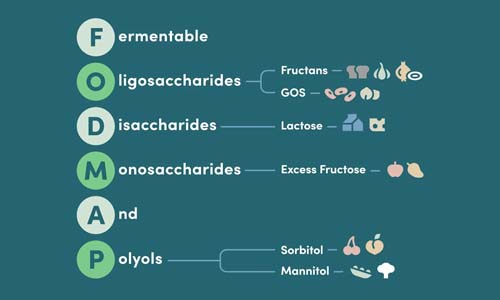
FODMAPs are specific types of fermentable carbohydrates that can trigger digestive symptoms like bloating, gas, and stomach pain, especially for people with IBS or sensitive guts. The acronym stands for Fermentable Oligosaccharides, Disaccharides, Monosaccharides, and Polyols, but what matters is this: these compounds resist digestion in your small intestine and ferment in your colon, creating uncomfortable symptoms.
When we say something is "low FODMAP," we're talking about portion-controlled eating that keeps these fermentable compounds below your personal symptom threshold. It's not all-or-nothing, it's about finding the sweet spot where you can enjoy flavorful food without digestive drama. This approach has transformed how our customers at Gourmend Foods experience cooking, turning restriction into abundance through smart ingredient choices.
The low FODMAP diet works by temporarily eliminating high-FODMAP foods, then systematically reintroducing them to identify your personal triggers. During this process, sea vegetables like seaweed become valuable allies, they deliver umami depth and essential nutrients while staying gentle on your digestive system. That's exactly why we incorporate nori and oyster mushrooms into our carefully crafted broths, ensuring every sip supports both flavor and digestive wellness.
What Exactly Is Seaweed? Types, Textures & Nutrition (Beyond Sushi Rolls)

Seaweed encompasses a diverse family of marine plants that bring oceanic umami and impressive nutrition to your plate. Far from being just "sushi wrappers," these sea vegetables offer distinct flavors, textures, and culinary applications that can elevate any dish while supporting digestive wellness.
Nori appears as thin, dark sheets with a mild, slightly sweet flavor and crisp texture when toasted. Beyond sushi, it crumbles beautifully over rice bowls or salads. Wakame has a silky, slightly chewy texture with a briny taste that shines in soups and salads. Dulse offers a bacon-like smokiness when dried, making it perfect for snacking or seasoning. Kombu provides intense umami for broths but requires careful portion control due to its high mannitol content.
Nutritionally, seaweed delivers concentrated minerals often missing from land-based foods, particularly iodine, calcium, and magnesium. The umami compounds naturally present in seaweed can replace high-FODMAP flavor enhancers, making it an invaluable tool for gut-friendly gourmet cooking.
When selecting seaweed, look for products with minimal processing and clear origin labeling. Store dried varieties in airtight containers away from light and moisture to preserve their delicate flavors and extend shelf life up to two years.
Seaweed & the Low FODMAP Diet: What the Science Says
Monash University's rigorous FODMAP testing reveals that is seaweed low FODMAP depends entirely on the variety and serving size. Their laboratory analysis shows nori tests as low FODMAP at servings up to 5 grams, equivalent to about 2-3 standard sushi sheets. Wakame similarly passes low FODMAP testing at portions up to 10 grams dried, while dulse remains safe at 15-gram servings.
The color and type differences matter significantly for FODMAP content. Brown seaweeds like kombu contain higher levels of mannitol, a polyol that can trigger symptoms even in small amounts. Red and green varieties generally contain lower FODMAP levels, making them safer choices for sensitive digestive systems.
If you're interested in creative ways to enjoy seaweed, you might like this recipe for low FODMAP miso salmon, which pairs beautifully with nori or wakame.
Portion Control, Stacking, and Safe Seaweed Use on the Low FODMAP Diet
Understanding portion control is crucial when incorporating seaweed into your low FODMAP meals. Even foods tested as "low FODMAP" can become problematic when consumed in excessive amounts or combined with other FODMAP-containing foods throughout the day, a phenomenon called "stacking."
For most seaweed varieties, safe serving sizes are relatively small but still flavorful. Nori sheets typically remain low FODMAP at up to 5 grams per serving (roughly one standard sushi sheet), while wakame stays safe at approximately 10 grams of dried seaweed. The key is measuring accurately, use a kitchen scale rather than estimating, especially when you're new to the diet.
If digestive symptoms return after eating seaweed, reduce your portion size for a few days and reintroduce gradually. Track your intake in a food diary, noting both the type of seaweed and exact amounts consumed. This systematic approach helps you identify your personal tolerance levels while still enjoying the umami-rich flavors that make low FODMAP eating exciting rather than restrictive.
Seaweed Myths & FAQs (Sushi, Snacks, Supplements, and More)

Can I eat sushi if I'm low FODMAP? Yes, but focus on simple rolls with low FODMAP fillings like cucumber, carrot, or cooked fish. Avoid tempura (often contains wheat), spicy mayo (may contain garlic), and large quantities of avocado in one sitting. One standard roll with nori wrapping is typically well-tolerated.
Is kombu safe for low FODMAP diets? Generally no. Kombu contains high levels of mannitol, a polyol that can trigger symptoms even in small amounts. If you're looking for umami depth in broths, choose Gourmend's bone broths, which use nori and oyster mushrooms for complex flavor without the FODMAP concerns.
Does dried seaweed equal fresh seaweed in FODMAP content? Drying concentrates nutrients and potentially FODMAPs, but most testing data reflects dried seaweed since that's the most common form consumed. Fresh seaweed may be slightly lower in FODMAP density, but stick to tested portion sizes regardless of preparation.
Are seaweed seasonings and powders safe? Pure seaweed powders like ground nori or dulse flakes are typically fine in small amounts (1-2 teaspoons). However, flavored seaweed seasonings may contain garlic powder, onion powder, or other high FODMAP additives, always read ingredient labels carefully.
I reacted to seaweed, now what? First, reduce your portion size and eliminate seaweed for 2-3 days. When reintroducing, try a different variety (switch from wakame to nori, for example) and start with half your previous portion. Some people tolerate certain seaweed types better than others, so experimentation with guidance from a FODMAP-trained dietitian can help identify your personal triggers.
Expert Tips for Cooking Low FODMAP, Gourmet Meals (Embracing Flavor Without Fear)
Improve your low FODMAP cooking by using seaweed as a natural umami booster. Toast nori sheets lightly in a dry pan for 30 seconds, then crumble over rice bowls or salads for an instant flavor upgrade. This technique works particularly well for our customer Claire, who needs quick meal solutions that don't compromise on taste or ingredient quality.
Replace high FODMAP umami sources strategically throughout your cooking. Instead of sautéing high-FODMAP aromatics for soup base, add a small piece of nori to your Gourmend bone broth while simmering. The seaweed dissolves partially, creating depth without overwhelming oceanic flavor, perfect for customers like Irene who want familiar tastes with digestive comfort.
Master these flavor pairings for restaurant-quality results: nori pairs beautifully with toasted sesame oil and rice vinegar in grain bowls, while dulse flakes enhance roasted potatoes and root vegetables. Wakame adds freshness to cucumber salads when combined with lime juice and a touch of maple syrup. These combinations satisfy adventurous home cooks like Chris while remaining approachable for the whole family.
Prep seaweed ingredients ahead for busy weeknight cooking. Store toasted, crumbled nori in an airtight container for up to one week, it stays crispy and ready to sprinkle. Rehydrate wakame in batches and refrigerate in portion-sized containers, making it easy to add to soups or salads throughout the week. This meal prep strategy helps busy professionals like Amateur Chef Cindy maintain gourmet standards even on hectic schedules.
For more inspiration, try these low FODMAP crisp roasted baby potatoes, a perfect side to any seaweed-infused meal.
Troubleshooting & Solutions for Seaweed on a Low FODMAP Diet
When digestive symptoms appear after eating seaweed, consider multiple factors beyond just FODMAP content. Check for hidden additives in flavored seaweed products, many contain garlic powder, onion powder, or high FODMAP sweeteners that aren't immediately obvious on packaging. Even "natural flavoring" can mask problematic ingredients, so choose plain, single-ingredient seaweed products when possible.
Examine your total daily intake if symptoms persist despite following portion guidelines. You might be experiencing FODMAP stacking, consuming multiple small amounts of seaweed throughout the day that collectively exceed safe thresholds. Track your intake across meals, that morning nori snack, lunchtime miso soup with wakame, and evening sushi roll can add up quickly.
Understanding FODMAP Stacking with Seaweed

Consider timing your seaweed consumption strategically. Space servings at least 3-4 hours apart to allow proper digestion. If you're planning a sushi dinner, skip the seaweed snacks earlier in the day. This approach prevents overwhelming your digestive system while still enjoying the umami richness seaweed provides.
Keep a simple food diary noting seaweed types and amounts. Many Gourmend customers find that visual tracking, using photos or portion sketches, helps them maintain awareness without obsessive measuring. Remember, the goal is sustainable enjoyment, not restriction.
Advanced Seaweed Cooking Techniques for Maximum Flavor
Improve your low FODMAP cooking by treating seaweed as a seasoning rather than a vegetable. Toast nori sheets lightly in a dry pan for 30 seconds to intensify their oceanic flavor, then crumble over rice bowls or salads. This technique concentrates the umami while using minimal quantities.
Create seaweed-infused oils by gently heating olive oil with a small piece of kombu (within safe limits) for 10 minutes, then straining. This technique extracts flavor compounds without the fiber content that can trigger symptoms. Use this aromatic oil to finish soups or drizzle over roasted vegetables.
Master the art of seaweed layering in broths. Start with Gourmend's bone broths, which already incorporate nori for depth, then add a whisper of additional wakame in the final minutes of cooking. This builds complex flavor profiles while respecting FODMAP boundaries. Our customers consistently report that this technique delivers restaurant-quality results at home.
Chef's Secret: Rehydrate dried seaweed in warm water for exactly 5 minutes, no longer. Over-soaking releases excess fiber and can create a slimy texture that overwhelms delicate dishes. Pat dry before adding to recipes for optimal integration.
If you're looking to explore more plant-based options, the Plant Based Bundle is a great way to stock your kitchen with low FODMAP essentials.
Strategic Meal Planning with Seaweed
Plan seaweed consumption around your weekly meal rhythm rather than daily portions. Designate 2-3 "seaweed days" per week, allowing your digestive system recovery time between exposures. This approach works particularly well for our customers managing IBS, as it provides predictability while maintaining variety.
Batch-prepare seaweed components for easy meal assembly. Toast and store nori flakes in airtight containers, pre-soak wakame in measured portions, or prepare seaweed-infused broths in advance. Having these elements ready eliminates guesswork during busy weeknights while ensuring portion control.
Consider seasonal rotation of seaweed types. Use lighter varieties like nori in summer salads and heartier options like dulse in winter stews. This natural variation prevents palate fatigue and reduces the risk of developing sensitivities from repetitive consumption. Gourmend's recipe collection offers seasonal inspiration that aligns with this philosophy.
For more on FODMAP-friendly ingredient choices, see our guide: is avocado low FODMAP.
Quality and Sourcing: What Really Matters

Source seaweed from cold-water regions when possible, as these varieties typically contain higher mineral concentrations and cleaner flavor profiles. Atlantic dulse and Pacific nori from northern waters often provide superior taste compared to warm-water harvests. Check packaging for specific harvest locations rather than just country of origin.
Prioritize organic certification, especially for seaweed products you'll consume regularly. Seaweed naturally concentrates minerals from seawater, including both beneficial nutrients and potential contaminants. Certified organic producers follow stricter water quality standards and testing protocols.
Examine processing methods carefully. Sun-dried or low-temperature dehydrated seaweed retains more nutrients and flavor compounds than high-heat processed varieties. Avoid products with added preservatives, flavor enhancers, or anti-caking agents, these additives can introduce unexpected FODMAP sources or digestive irritants.
| Quality Factor | Premium Indicators | Red Flags | Impact on Digestion |
|---|---|---|---|
| Harvest Location | Cold northern waters, specific region listed | Vague "Pacific" or "Atlantic" only | Higher mineral content, cleaner taste |
| Processing Method | Sun-dried, low-temperature dehydration | High-heat processing, chemical treatment | Better nutrient retention, gentler on gut |
| Additives | Single ingredient (seaweed only) | Preservatives, flavor enhancers, salt | Reduces FODMAP contamination risk |
| Certification | Organic, third-party tested | No certifications or testing claims | Lower contaminant exposure |
For those who want a comprehensive approach to gut-friendly eating, the Gourmend Sampler provides a variety of low FODMAP products to try.
Future Considerations and Emerging Research
Recent studies suggest that regular seaweed consumption may positively influence gut microbiome diversity, potentially benefiting long-term digestive health. While research is ongoing, early findings indicate that certain seaweed compounds act as prebiotics, feeding beneficial bacteria without triggering symptoms in most people.
To learn more about the science behind the low FODMAP diet and its long-term effects, see this research update from Monash University.
For a broader overview of low FODMAP eating and IBS, you may also find this health encyclopedia article helpful.
Frequently Asked Questions
Which types of seaweed are considered low FODMAP and safe to eat in typical serving sizes?
Nori, wakame, and dulse are considered low FODMAP and safe to eat in typical serving sizes. Nori is safe up to 5 grams per serving, wakame up to 10 grams dried, and dulse up to 15 grams, making them great options for adding flavor and nutrition without digestive discomfort.
Why should kombu be limited or avoided on a strict low FODMAP diet?
Kombu contains high levels of mannitol, a type of polyol that can trigger digestive symptoms on a strict low FODMAP diet. Because of this, kombu should be limited or avoided to help manage symptoms and maintain easier digestion.
How can seaweed be incorporated into a low FODMAP diet without triggering digestive symptoms?
Incorporate seaweed by choosing low FODMAP varieties like nori, wakame, and dulse and sticking to recommended serving sizes. Using these seaweeds in broths, salads, or as snacks helps add umami and nutrition while keeping digestion comfortable.
What does 'low FODMAP' mean in terms of portion control and managing digestive health?
'Low FODMAP' means consuming foods with fermentable carbohydrates in amounts that are less likely to cause digestive symptoms like bloating or gas. Portion control is key, eating recommended serving sizes helps you enjoy flavorful meals that support easier digestion and gut comfort.