



Is Mozzarella Cheese Low FODMAP? Serving Sizes and Label Tips

Key Takeaways
- Mozzarella cheese is considered low FODMAP at a serving size of 40g.
- A 40g serving is roughly equivalent to 1.5 ounces or 2-3 thin slices.
- Monash University testing confirms mozzarella's low FODMAP status at this portion.
- Consuming larger portions of mozzarella may cause symptoms due to lactose content.
Table of Contents
- Yes, Mozzarella Is Low FODMAP – Here's the Exact Serving Size and Science
- How Mozzarella's Production Makes It Naturally Low Lactose
- Mozzarella vs. Other Cheeses: FODMAP and Lactose Comparison
- Step-by-Step: How to Pick, Portion, and Store Low FODMAP Mozzarella
- 5 Gourmet Ways to Use Mozzarella in Low FODMAP Recipes (Flavor-Packed, Digestive-Safe)
- Why Mozzarella Might Still Trigger Symptoms – And 4 Fixes to Enjoy It Every Time
Yes, Mozzarella Is Low FODMAP – Here's the Exact Serving Size and Science
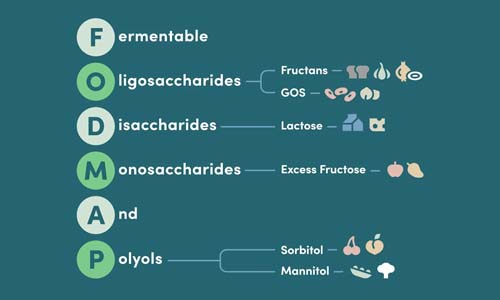
Is mozzarella cheese low FODMAP? Yes, mozzarella is low FODMAP at 40g (about 1.5 oz or 2-3 thin slices) per serving, according to Monash University testing. Larger portions may trigger symptoms due to residual lactose content.
Mozzarella's low FODMAP status comes down to one key factor: lactose content. During cheesemaking, whey, the liquid containing most milk sugars, drains away from the curds. This natural process removes roughly 80% of the original lactose, leaving mozzarella with just 0.9-1.2g of lactose per 100g compared to milk's 5g per 100g. For those seeking a curated selection of low FODMAP essentials, the Low FODMAP Foodie Bundle is a great way to stock your pantry.
Here's why the 40g threshold matters for IBS management. When lactose exceeds your digestive capacity, undigested sugars ferment in your gut, producing gas and triggering bloating. The 40g serving size keeps lactose below 0.5g, well within most people's tolerance range, even those with lactose sensitivity. If you're just starting out, the Low FODMAP Pantry Starter Bundle provides the basics for safe and delicious meals.
Three precision tips for perfect portions: Use a kitchen scale rather than eyeballing (cheese is denser than it appears), pre-portion 40g servings in freezer bags for grab-and-go convenience, and track your symptoms in a 3-day food journal to confirm your personal tolerance level.
How Mozzarella's Production Makes It Naturally Low Lactose

The magic happens in the vat. When cheesemakers add rennet to milk, proteins coagulate into curds while lactose-rich whey separates out. As the curds drain for 4-6 hours, they lose 75-85% of their original lactose content. Fresh mozzarella undergoes minimal aging, but even this brief process allows beneficial bacteria to convert remaining lactose into lactic acid.
Laboratory testing reveals the numbers: fresh mozzarella contains 1-2g lactose per 100g, while aged varieties drop to under 1g per 100g. Compare this to ricotta cheese, which retains whey during production and clocks in at 3-4g lactose per 100g, explaining why ricotta often triggers symptoms while mozzarella doesn't. For a deeper dive into how different cheeses compare, see our guide on whether cheese is low FODMAP.
Watch out for flavored varieties that sneak in high-FODMAP additives. Herb-infused mozzarella often contains garlic powder or dried chive stems, while some commercial brands add inulin for texture. Stick to plain mozzarella blocks over pre-shredded options, which frequently contain anti-caking agents and preservatives that can irritate sensitive digestive systems. For safe flavor, try using Organic Garlic Chive Salt as a FODMAP-friendly seasoning alternative.
Storage and prep tips: Grate fresh mozzarella within 5 minutes of use for optimal meltability, store opened packages in airtight containers for up to 7 days, and choose blocks over pre-shredded varieties to avoid unnecessary additives that might trigger symptoms.
Mozzarella vs. Other Cheeses: FODMAP and Lactose Comparison
| Cheese Type | Low FODMAP Serving | Lactose Content (g/100g) | Best For |
|---|---|---|---|
| Mozzarella | 40g | 0.9-1.2g | Melting, pizza, caprese |
| Cheddar | 40g | 0.1g | Sharp flavor, snacking |
| Parmesan | 60g | 0.05g | Grating, umami depth |
| Feta | 125g | 0.1-0.5g | Salads, Mediterranean dishes |
The aging advantage becomes clear in these numbers. Cheddar and parmesan undergo extended aging (6+ months), allowing bacteria more time to consume lactose completely. This explains why aged cheeses often have more generous serving sizes, their lactose content drops to virtually zero. Learn more about parmesan's FODMAP status in our detailed parmesan cheese guide.
Buffalo mozzarella offers an interesting alternative. Made from water buffalo milk, it typically contains 20-30% less lactose than cow's milk versions due to different protein structures. The creamy texture comes from higher fat content, not higher lactose, making it potentially easier to digest for sensitive individuals.
Sheep and goat milk cheeses like traditional feta provide another option. Research shows 33% of lactose-intolerant individuals tolerate sheep milk better than cow milk, though the exact mechanism remains unclear. The 125g serving size for feta makes it the most generous among common cheese options.
Step-by-Step: How to Pick, Portion, and Store Low FODMAP Mozzarella
Start with the nutrition label's sugar line, this reveals lactose content. Look for less than 1g sugars per 40g serving (some labels round to 0g, which is ideal). Scan ingredients for sneaky FODMAP additions like inulin, honey, or garlic powder that could trigger symptoms. Organic varieties often provide cleaner profiles, though conventional plain mozzarella works perfectly if it meets these criteria.
Quick Label Check
- Sugars: Under 1g per 40g serving
- Ingredients: Milk, salt, enzymes, cultures only
- Avoid: Inulin, garlic, onion powder, honey
Brand selection doesn't require special certifications if labels align with Monash University guidelines. Organic options often provide cleaner ingredient profiles, but conventional plain mozzarella performs equally well for digestive comfort. Avoid processed slices with fillers, block cheese gives you better control over portions and fresher flavor. For hearty recipes, Organic Beef Bone Broth is a gut-friendly addition to your kitchen.
Portioning accuracy prevents accidental FODMAP stacking. Use 40g as your maximum, roughly 1/2 cup shredded or 2-3 thin slices. Pre-portion into 1-oz balls or freeze in measured amounts for grab-and-go convenience. A kitchen scale eliminates guesswork and builds confidence in your low FODMAP cooking.
Proper storage extends freshness and maintains texture. Refrigerate opened mozzarella for 5-7 days wrapped in parchment, not plastic, to prevent moisture buildup. For longer storage, freeze portions up to 3 months, thaw at room temperature for 30 minutes before use. Fresh-grated cheese melts more evenly than pre-shredded varieties.
5 Gourmet Ways to Use Mozzarella in Low FODMAP Recipes (Flavor-Packed, Digestive-Safe)
Transform simple ingredients into restaurant-quality dishes with these tested combinations that keep is mozzarella cheese low fodmap portions in check while maximizing flavor impact.
- Elevated Caprese Salad: Layer 40g fresh mozzarella with vine tomatoes, fresh basil, and aged balsamic. Drizzle with chive-infused olive oil for onion depth without the digestive consequences.
- Gourmet Low FODMAP Pizza: Spread gluten-free base with sauce made from Gourmend shelf-stable broth carton reduced with tomato paste. Top with 40g shredded mozzarella, bell peppers, and fresh oregano. The broth's umami from chives and nori creates complex flavor layers.
- Cheesy Quinoa Bake: Combine 1 cup cooked quinoa (prepared with Gourmend broth for extra richness) with 40g melted mozzarella, baby spinach, and fresh herbs. Bake until golden and bubbly.
- Stuffed Rice Balls (Arancini): Form cooled risotto rice around 20g mozzarella cubes, coat in gluten-free breadcrumbs, and pan-fry until crispy. Serve two per portion to stay within FODMAP limits. For a savory twist, try adding Organic Garlic Scape Powder to your breadcrumb mixture.
- Herb-Crusted Mozzarella Flatbread: Top oat flour flatbread with 40g mozzarella, fresh thyme, and chive sprigs. Finish with a drizzle of Gourmend-infused oil for gourmet complexity.
Each recipe showcases how strategic ingredient pairing amplifies flavor while respecting digestive boundaries. Serve with cucumber slices, rice crackers, or carrot sticks to complete the meal without FODMAP concerns. Browse more low FODMAP recipes for additional inspiration.
For more creative inspiration, explore our complete low FODMAP recipe collection or use our recipe conversion tool to adapt family favorites.
Why Mozzarella Might Still Trigger Symptoms – And 4 Fixes to Enjoy It Every Time

Even with proper portioning, some people experience digestive discomfort from mozzarella. Common culprits include portion creep, gradually increasing beyond the 40g threshold, or pairing cheese with hidden high-FODMAP ingredients like garlic-laden tomato sauce or wheat-based crackers. If you're troubleshooting your diet, the Low FODMAP Sampler Bundle lets you experiment with a variety of safe ingredients.
| Problem | Quick Fix | Long-term Solution |
|---|---|---|
| Bloating after pizza | Halve cheese portion, use Gourmend broth-based sauce | Pre-portion cheese, track symptoms |
| Gas with pasta dishes | Switch to rice pasta, measure cheese | Test gluten sensitivity separately |
| Cramping with large servings | Split 40g across two meals | Take lactase enzyme before eating |
For more information on how other dairy products fit into a low FODMAP diet, you may want to read is cream cheese low FODMAP.
Frequently Asked Questions
What is the recommended serving size of mozzarella cheese to keep it low FODMAP?
The recommended serving size of mozzarella cheese to keep it low FODMAP is 40 grams, which is about 1.5 ounces or 2-3 thin slices. This portion size keeps lactose intake low enough to be well tolerated by most people with IBS.
How does the production process of mozzarella cheese reduce its lactose content?
During mozzarella production, the whey containing most of the lactose drains away from the curds, removing roughly 80% of the original lactose. Additionally, beneficial bacteria convert some remaining lactose into lactic acid, resulting in naturally low lactose levels in the cheese.
Why might larger portions of mozzarella cheese cause digestive symptoms in people with IBS?
Larger portions of mozzarella contain more lactose, which can exceed an individual's digestive capacity. Undigested lactose ferments in the gut, producing gas and bloating, which may trigger digestive symptoms in people with IBS.
Are there specific types or varieties of mozzarella cheese that are better suited for a low FODMAP diet?
Fresh mozzarella is naturally low in lactose due to its production process, making it suitable for a low FODMAP diet at recommended serving sizes. Aged mozzarella varieties have even lower lactose levels, but portion control remains important to avoid symptoms.