



Is Parmesan Cheese Low FODMAP? Serving Sizes and Label Tips

Key Takeaways
- Parmesan cheese is considered low FODMAP when consumed within recommended portion sizes.
- Authentic Parmigiano Reggiano is low in lactose due to its extensive aging process.
- Even low FODMAP foods like parmesan can cause symptoms if eaten in large amounts.
- Portion control is essential to maintain parmesan's low FODMAP benefits.
Table of Contents
- Quick Answer – Is Parmesan Cheese Low FODMAP?
- Low FODMAP Basics – Why Cheese (and Parmesan) Are Different from Other Dairy
- Parmesan Cheese and FODMAPs – What the Research and Testing Say
- How Much Parmesan Can You Eat on a Low FODMAP Diet?
- Reading Parmesan Labels Like a Pro – Spotting Low FODMAP Options
Is Parmesan Cheese Low FODMAP? A Flavor-First Guide for IBS-Friendly Eating
Is parmesan cheese low FODMAP? Absolutely, when you respect portion limits. Parmesan, including authentic Parmigiano Reggiano, earns its low FODMAP status through extensive aging that naturally reduces lactose content. However, "low FODMAP" doesn't mean unlimited, even gentle foods can trigger symptoms when portion sizes creep beyond tested amounts.
The magic number to remember: stick to roughly one ounce (30g) per meal. This translates to about 2 tablespoons of finely grated cheese or one thin slice from a wedge. Going beyond 40-45 grams in a single sitting may shift Parmesan from the "green light" category into moderate FODMAP territory for sensitive individuals. Low FODMAP Pantry Starter Bundle and Bone Broth Sampler Bundle are excellent options to help you build IBS-friendly meals that pair well with Parmesan and keep your FODMAP load in check.
The low lactose principle directly connects to low FODMAP guidelines: since lactose is the primary FODMAP in dairy, reducing lactose generally means reducing FODMAP load. A quality Parmesan often contains less than 1 gram of carbohydrates per ounce, a stark contrast to the 12+ grams found in the same amount of milk.
The Role of Lactose in Parmesan
Parmesan's low FODMAP credentials stem from its naturally minimal lactose content. During the 12-24 month aging process, beneficial bacteria consume most of the milk's original lactose, leaving behind concentrated protein and fat with only trace carbohydrates. This extended fermentation is why aged cheeses like Parmesan typically cause fewer digestive issues than fresh dairy products.
When Parmesan Might Not Feel Low FODMAP
Even low FODMAP foods can cause trouble when portions balloon or other triggers sneak onto your plate. That "small" Parmesan serving can quickly double when you add grated cheese to pasta, then sprinkle more on top, then enjoy a cheesy side dish. FODMAP load accumulates across your entire meal, not just individual ingredients.
Common culprits that masquerade as "Parmesan problems" include wheat-based pasta, cream-heavy sauces, or high FODMAP vegetables hiding in the same dish. Start your tolerance testing with 1 tablespoon (about 7-8 grams) alongside simple, known low FODMAP foods, then increase gradually while monitoring your body's response over 24-48 hours.
How This Article Will Help You Use Parmesan Confidently
We'll provide clear serving guidelines, teach you to decode cheese labels, troubleshoot unexpected symptoms, and show you how to build satisfying low FODMAP meals that showcase Parmesan's umami richness. You'll learn to pair aged cheese with Gourmend Foods broths and seasonings for restaurant-quality flavor that supports your digestive comfort.
This guidance comes from a food-lover's perspective, not a medical textbook. We believe you shouldn't have to choose between bold flavor and feeling good, you can absolutely have both with the right knowledge and quality ingredients.
Low FODMAP Basics – Why Cheese (and Parmesan) Are Different from Other Dairy

What Are FODMAPs in Plain Language?
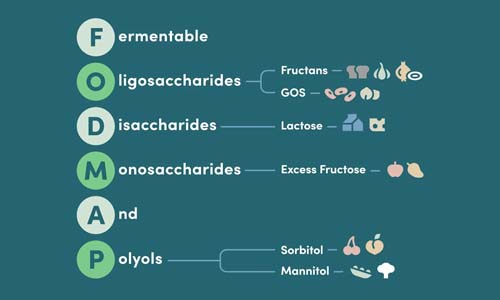
FODMAPs are specific types of carbohydrates that ferment rapidly in your gut, potentially causing gas, bloating, and digestive discomfort for people with IBS. The acronym stands for Fermentable Oligosaccharides, Disaccharides, Monosaccharides, and Polyols, but you don't need to memorize that mouthful to eat well. For a deeper dive into the science, see this authoritative resource on high and low FODMAP foods.
The low FODMAP approach isn't a permanent elimination diet. It's a systematic method to identify your personal triggers through a 2-6 week elimination phase, followed by careful reintroduction of specific FODMAP groups. The goal is expanding your food freedom, not restricting it forever.
Lactose, Dairy, and the Low FODMAP Diet
In the dairy world, lactose is the primary FODMAP of concern. This milk sugar can ferment in the gut when your body doesn't produce enough lactase enzyme to break it down efficiently. However, not all dairy products contain equal amounts of lactose, and this is where cheese-making science becomes your digestive ally.
Traditional aging and fermentation processes allow beneficial bacteria to consume lactose as fuel, dramatically reducing the FODMAP load in the final product. This is why aged cheeses like Parmesan often receive "green light" status while milk and ice cream require much more careful portion control. If you're curious about other cheeses, you may find this article on is cheese low FODMAP helpful.
Why Parmesan Behaves Differently Than Milk or Cream
Consider the lactose mathematics: one cup of milk delivers approximately 12 grams of lactose, while a 30-gram serving of aged Parmesan typically contains less than 1 gram of total carbohydrates. During Parmesan's extended aging process, naturally occurring bacteria essentially "pre-digest" the lactose, leaving behind concentrated umami compounds and minimal fermentable sugars. This is why Parmesan is so often tolerated by those following a low FODMAP diet.
Parmesan Cheese and FODMAPs – What the Research and Testing Say
How Parmesan Is Typically Rated in FODMAP Apps
Major FODMAP research programs consistently classify Parmesan and Parmigiano Reggiano with "green light" status at approximately 30-gram servings. This translates to roughly 2 tablespoons of finely grated cheese or one generous sprinkle over a pasta dish. The consistent rating across different testing bodies reflects Parmesan's reliably low lactose profile.
Reading Between the Lines of Serving Sizes
FODMAP tolerance operates on a sliding scale rather than absolute cutoffs. A 30-gram portion typically remains in the "low" category, while doubling to 60 grams may shift into "moderate" territory for some individuals. More critically, FODMAP effects accumulate throughout meals, combining Parmesan with other moderate-FODMAP foods can push total intake beyond comfortable thresholds even when individual components seem safe.
Parmesan's Lactose Numbers in Context
Well-aged Parmesan typically contains less than 1 gram of total carbohydrates per 30-gram serving, with most of those carbohydrates being residual lactose. When nutrition labels show 0 grams of carbohydrates per ounce, lactose content is essentially negligible from a FODMAP perspective. This dramatic reduction from milk's original 12+ grams per serving explains why is parmesan cheese low FODMAP receives such consistent affirmative answers across research platforms. If you're interested in how other dairy spreads compare, check out this guide on is cream cheese low FODMAP.
Why Different Sources List Different "Safe" Amounts
Variations in recommended serving sizes stem from differences in testing protocols, regional cheese-making practices, and moisture content variations. Some apps suggest 20 grams as conservative, others allow up to 40 grams based on their specific testing cohorts. Rather than mixing guidelines from multiple sources, choose one trusted FODMAP resource and apply its recommendations consistently throughout your elimination and reintroduction phases.
When to Be Extra Cautious with Parmesan
During strict elimination phases, err toward smaller portions (15-20 grams) to establish clear baseline tolerance. Individuals with both IBS and diagnosed lactose intolerance may need more conservative approaches, as may those combining Parmesan with other moderate-FODMAP foods in single meals. The goal is building confidence through successful experiences rather than pushing boundaries prematurely.
How Much Parmesan Can You Eat on a Low FODMAP Diet?
Quick Reference: Start with 20-30 grams (2 tablespoons finely grated) per meal during elimination. Test tolerance by increasing gradually during reintroduction phases.
Evidence-Based Starting Point for Serving Size
A conservative baseline of 20-30 grams per meal provides robust flavor while respecting digestive sensitivities during elimination phases. This amount delivers the umami punch Parmesan is famous for without risking symptom triggers. Treat this as a per-meal allocation rather than a grazing allowance, concentrated use maximizes both flavor impact and digestive comfort. For a convenient way to add flavor and nutrition to your meals, try the Gourmend Sampler.
Safe Ranges by Phase
- Elimination phase: Stick to 20-30 grams once per meal, avoiding multiple cheese sources in the same dish.
- Reintroduction phase: Systematically test increases from 1 tablespoon to 3-4 tablespoons over several days, logging symptoms for 24-48 hours after each test.
- Personalization phase: Use your individual response data to establish sustainable daily amounts that support both nutrition goals and digestive wellness.
Visual Portion Cues You Can Rely On
Master these visual references for consistent portioning: 1 tablespoon finely grated equals 7-8 grams, one thin slice from a wedge approximates 10-12 grams, and a snack-size cube measuring roughly 1 inch contains 15-20 grams. These visual anchors eliminate guesswork and support consistent tolerance testing throughout your low FODMAP journey.
Daily Use – Is Parmesan Okay Every Day?
Many people successfully include Parmesan daily within controlled portions, provided total FODMAP load remains manageable across all meals. The key lies in avoiding cheese dependency as your primary flavor source, rotate proteins, fats, and umami builders like Plant Based Bundle and Broth Lover Bundle to maintain dietary variety while supporting long-term digestive health.
| Form | Approximate Weight | Low FODMAP Guidance |
|---|---|---|
| Finely grated | 1 tablespoon = 7-8g | 2-4 tablespoons per meal |
| Coarsely shredded | 1 tablespoon = 5-6g | 3-5 tablespoons per meal |
| Thin shaved | 5-6 pieces = 10g | 15-18 pieces per meal |
| Cubed (1-inch) | 1 cube = 15-20g | 1-2 cubes per meal |
Reading Parmesan Labels Like a Pro – Spotting Low FODMAP Options

Step 1 – Check the Ingredients List
Authentic Parmesan contains just four ingredients: milk, salt, cultures, and rennet, often accompanied by aging statements. Red flags include added milk solids, milk powder, cream, sweeteners, or any high FODMAP additives that compromise the cheese's naturally low lactose profile. Simple ingredient lists typically indicate traditional production methods that maximize lactose reduction during aging.
Step 2 – Read the Carbohydrates and Sugars Line
Target products showing ≤1 gram total carbohydrates per 30-gram serving as your low-lactose indicator. In Parmesan, virtually all listed carbohydrates represent residual lactose, so lower numbers are better for FODMAP management.
If you want to see how Parmesan can be used in delicious low FODMAP recipes, check out this simple low FODMAP gourmet risotto for inspiration.
For more background on the low FODMAP diet and its clinical evidence, see this peer-reviewed research article.
Frequently Asked Questions
Why is Parmesan cheese considered low FODMAP compared to other dairy products?
Parmesan cheese is low FODMAP because its long aging process breaks down most of the lactose, the primary FODMAP in dairy. This results in very low lactose content, making it easier to digest compared to fresh dairy products that contain higher lactose levels.
How much Parmesan cheese can I safely consume on a low FODMAP diet without triggering symptoms?
You can safely enjoy up to about 30 grams (roughly 2 tablespoons finely grated or one thin slice) of Parmesan per serving on a low FODMAP diet. Staying within this portion helps keep lactose intake low and reduces the chance of digestive discomfort.
What factors can cause Parmesan cheese to become problematic for people with IBS despite being low FODMAP?
Even low FODMAP Parmesan can cause symptoms if eaten in large amounts or combined with other FODMAP-containing foods in the same meal. Portion control is key, as FODMAPs add up across all ingredients, and overindulging can shift Parmesan into moderate FODMAP territory for sensitive individuals.
How can I read Parmesan cheese labels to ensure I am choosing low FODMAP options?
Look for authentic Parmigiano Reggiano or aged Parmesan with minimal added ingredients. Check that lactose or milk solids aren’t listed in high amounts, and choose products with simple, natural ingredients. When in doubt, stick to recommended portion sizes to maintain low FODMAP benefits.