



Is Monk Fruit Low FODMAP? Sweetener Blends and Labels

Key Takeaways
- Monk fruit is considered low FODMAP when using pure monk fruit extract or properly formulated blends.
- Many commercial monk fruit products contain hidden high FODMAP ingredients such as sorbitol or mannitol.
- High FODMAP additives in monk fruit products can trigger IBS symptoms.
- Careful product selection is essential for managing digestive health with monk fruit.
Table of Contents
- Is Monk Fruit Low FODMAP? Your Complete Guide
- What Is Monk Fruit and Why It Matters for Low FODMAP Living
- Understanding FODMAP and Why Sweetener Choice Matters for IBS
- Is Monk Fruit Low FODMAP? The Evidence and Important Caveats
- Monk Fruit vs. Other Low FODMAP Sweetening Options
- How to Choose and Use Monk Fruit Safely on a Low FODMAP Diet
- Baking and Cooking With Monk Fruit: Practical Substitution Guide
- What to Avoid: Hidden High FODMAP Ingredients in Monk Fruit Products
- Managing Symptoms If Monk Fruit Doesn't Work for You
Is Monk Fruit Low FODMAP? Your Complete Guide
Yes, monk fruit is considered low FODMAP when you choose pure monk fruit extract or properly formulated blends. However, many commercial monk fruit products contain hidden high FODMAP ingredients like sorbitol or mannitol that can trigger IBS symptoms, making product selection critical for digestive success.
If you're managing IBS through a low FODMAP diet, finding safe sweetening options feels like navigating a minefield. Sugar alcohols cause bloating, honey triggers fructose malabsorption, and artificial sweeteners leave an unpleasant aftertaste. Monk fruit offers a promising solution, but only when you understand the nuances of product formulation and individual tolerance.
We'll explore the science behind monk fruit's FODMAP status, reveal the hidden traps in commercial products, and provide practical guidance for incorporating this natural sweetener into your low FODMAP lifestyle. At Gourmend Foods, we understand the importance of clean-label ingredients that support digestive wellness without compromising flavor. For those looking to stock their pantry with safe options, consider starting with the Low FODMAP Pantry Starter Bundle or the Low FODMAP Foodie Bundle for a curated selection of essentials.
What Is Monk Fruit and Why It Matters for Low FODMAP Living

The Origin and Science Behind Monk Fruit
Monk fruit (Siraitia grosvenorii) originates from southern China, where Buddhist monks have cultivated it for centuries as a natural sweetener and medicinal herb. The FDA recognizes monk fruit extract as GRAS (Generally Recognized As Safe), and unlike sugar, it provides zero calories and zero glycemic impact, making it particularly appealing for those seeking stable blood sugar without digestive triggers.
The sweetness comes from mogrosides, unique compounds that are 150-250 times sweeter than sugar. These molecules pass through your digestive system largely unchanged, avoiding the fermentation process that makes other sweeteners problematic for IBS sufferers.
How Processing Affects FODMAP Safety
The extraction method directly impacts whether monk fruit is low FODMAP for your digestive system. Pure monk fruit extract undergoes concentration and purification to isolate mogrosides, removing potentially fermentable fruit sugars and fibers. This creates the safest option for low FODMAP diets.
Commercial "monk fruit juice" or multi-ingredient blends often retain fermentable compounds or include high FODMAP bulking agents. When shopping, prioritize products labeled "pure monk fruit extract" or "monk fruit extract with erythritol" over juice-based formulations. For more inspiration on low FODMAP cooking, check out this recipe for low FODMAP miso salmon.
Understanding FODMAP and Why Sweetener Choice Matters for IBS
FODMAP 101: A Digestive Perspective
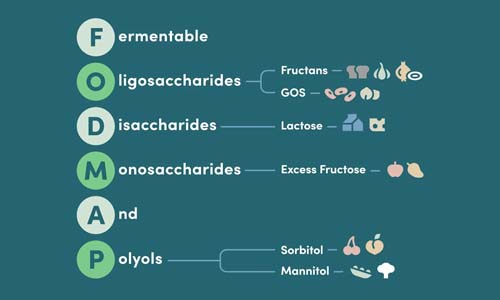
FODMAP stands for fermentable oligosaccharides, disaccharides, monosaccharides, and polyols, compounds that ferment in your colon and trigger bloating, gas, and cramping in sensitive individuals. The low FODMAP elimination diet systematically removes these triggers to identify your personal tolerance levels.
Sweetener choice directly impacts symptom control because many common options fall into high FODMAP categories. Understanding this connection empowers you to make informed decisions that support both flavor and digestive comfort.
The Problem with Common Sweeteners and IBS
Sugar alcohols like sorbitol, mannitol, and xylitol ferment rapidly in the large intestine, causing distension and diarrhea even in small amounts. High-fructose sweeteners trigger malabsorption when consumed beyond your individual threshold, leading to similar symptoms.
Why Monk Fruit Won't Trigger IBS Symptoms
Mogrosides (monk fruit's active compounds) are absorbed in the small intestine and excreted unchanged, no fermentation, no gas, no bloating. This makes monk fruit fundamentally different from problematic sugar alcohols.
Monk fruit represents a rare exception in the sweetener landscape: it doesn't ferment, doesn't spike blood sugar, and doesn't contain the molecular structures that cause digestive distress in IBS sufferers.
Is Monk Fruit Low FODMAP? The Evidence and Important Caveats
What the Research Says (And Doesn't Say)
Monash University, the gold standard for FODMAP testing, has not officially tested pure monk fruit extract in isolation. However, multiple monk fruit-sweetened products have been tested and certified as low FODMAP, including certain chocolates and beverages. This indirect evidence, combined with monk fruit's molecular structure, supports its low FODMAP classification.
The absence of direct testing doesn't indicate a problem, it reflects monk fruit's relatively recent entry into Western markets. The biochemical evidence strongly suggests monk fruit is low FODMAP when consumed in typical serving sizes.
The Hidden FODMAP Trap in Blended Products
Many commercial monk fruit products contain sorbitol, mannitol, or xylitol to reduce manufacturing costs and improve taste. These additives are high FODMAP and will trigger symptoms regardless of the monk fruit content. Reading ingredient lists becomes critical for avoiding these hidden triggers.
Look for products labeled "pure monk fruit extract" with erythritol as the only additional sweetener. Erythritol is a low FODMAP polyol that's well-tolerated by most people, though individual sensitivity can vary. If you're looking for a variety of low FODMAP seasonings to complement your sweetener choices, explore our Low FODMAP Seasonings collection.
Individual Tolerance Varies
While monk fruit is generally well-tolerated, individual responses can vary. Some people may experience digestive discomfort due to other ingredients in monk fruit blends or personal sensitivity to polyols like erythritol. Always introduce new sweeteners gradually and monitor your body's response.
Monk Fruit vs. Other Low FODMAP Sweetening Options

| Sweetener | FODMAP Status | Taste Profile | Best Applications | Key Considerations |
|---|---|---|---|---|
| Monk fruit (pure) | Low | Clean, slightly herbal | Beverages, desserts, baking | Check for blend ingredients |
| Erythritol | Low | Mild, slight cooling effect | Baking, bulk sweetening | Some report digestive sensitivity |
| Stevia | Low | Bitter, licorice-like aftertaste | Tea, smoothies | Strong flavor limits versatility |
| Allulose | Low | Nearly identical to sugar | Any application | Higher cost, limited availability |
| Table sugar (sucrose) | Moderate (portion-dependent) | True sugar taste | Small portions only | High FODMAP in large quantities |
| Maple syrup | High FODMAP | Warm, caramel-like | Avoid on low FODMAP | Contains excess fructose |
Why Monk Fruit + Erythritol Combinations Work
Erythritol absorbs poorly in the digestive tract and doesn't ferment like other polyols, making it low FODMAP in typical serving sizes. When combined with monk fruit extract, erythritol provides the bulk and mouthfeel that pure extract lacks, creating blends that substitute 1:1 for sugar in recipes.
However, some individuals with IBS may still react to erythritol during the elimination phase. The cooling sensation and potential for digestive sensitivity means these blends work best when introduced during the reintroduction phase, starting with small portions to assess tolerance.
When to Choose Stevia, Allulose, or Limited Sucrose
Stevia remains completely low FODMAP but carries a distinctive bitter aftertaste that limits its applications. It works well in beverages where you can mask the flavor with citrus or mint, but fails in delicate desserts where monk fruit is low FODMAP and flavor-neutral.
Allulose mimics sugar's taste and functionality almost perfectly, making it ideal for baking applications where monk fruit's intensity creates challenges. Table sugar in small portions (1-2 tablespoons daily) stays within low FODMAP limits for most people, providing a familiar option when other sweeteners don't suit your preferences. For a delicious low FODMAP dessert idea, try this low FODMAP crisp roasted baby potatoes recipe.
How to Choose and Use Monk Fruit Safely on a Low FODMAP Diet
Reading Labels Like a Pro
Check the first ingredient, it should read "monk fruit extract" or "monk fruit juice concentrate," not "monk fruit flavor." Scan the complete ingredient list for sorbitol, mannitol, xylitol, inulin, chicory root, or generic "sugar alcohols" that indicate high FODMAP content.
Look for third-party certifications like "Certified Low FODMAP" or "Tested Low FODMAP by [laboratory name]." When ingredient lists include "natural flavors," contact the manufacturer directly, as these can hide garlic or onion extracts that compromise FODMAP safety. For a robust, low FODMAP flavor boost in your cooking, consider using Organic Garlic Chive Powder.
Timing and Portion Guidance
Start with ¼ teaspoon of pure monk fruit extract or one serving of a certified low FODMAP monk fruit product. Wait 24-48 hours to assess your response before increasing portions, this mirrors the systematic approach of the low FODMAP reintroduction phase.
Establish a daily limit of 1-2 tablespoons of monk fruit sweetener, equivalent to 2-3 servings of sweetened products. This prevents overwhelming your system while allowing you to enjoy sweetened foods without triggering symptoms.
Incorporation During Low FODMAP Diet Phases
During elimination, use sparingly or omit entirely, stick to small amounts of table sugar or focus on building flavor with Gourmend's clean-label broths and seasonings. The reintroduction phase offers the ideal time to test monk fruit's low FODMAP status for your individual tolerance, introducing it within the "sweeteners" group in isolation.
Once you've established tolerance, the maintenance phase allows regular use within your tested limits. Keep portions reasonable to avoid creating dependency on sweet flavors that can derail long-term dietary success. If you want to expand your pantry, the Low FODMAP Sampler Bundle is a great way to try a variety of essentials.
Baking and Cooking With Monk Fruit: Practical Substitution Guide
Substitution Ratios and Techniques
Pure monk fruit extract requires dramatic ratio adjustments, use ¼ to ½ teaspoon for every cup of sugar called for in traditional recipes. This dramatic sweetness concentration means precision matters, too much creates an overwhelming, almost metallic taste.
Monk fruit + erythritol blends offer more forgiving 1:1 sugar substitutions, but always check the product label for specific ratios. These blends work because erythritol provides bulk while monk fruit delivers sweetness without the cooling effect of erythritol alone.
Critical technique: Start with half the recommended amount, taste, then adjust. Monk fruit's sweetness builds on the palate, so what seems mild initially may become overpowering after a few bites.
Best and Worst Applications
Monk fruit excels in moisture-rich recipes where sugar's structural properties aren't essential. Best applications include beverages, chocolate ganaches, fruit compotes, custards, and dense brownies. The liquid content masks any subtle herbal notes while allowing monk fruit's clean sweetness to shine.
Avoid using monk fruit in cookies, meringues, or bread where sugar provides crucial bulk, browning, or crystallization. These applications require sugar's physical properties, not just sweetness. For such recipes, consider combining small amounts of table sugar with monk fruit + erythritol blends.
Pro tip: Dark chocolate desserts pair exceptionally well with monk fruit, as the robust cocoa flavor complements monk fruit's subtle complexity while masking any cooling sensation from erythritol. For more savory inspiration, try this low FODMAP braised short ribs recipe.
What to Avoid: Hidden High FODMAP Ingredients in Monk Fruit Products

Common Culprits in Commercial Blends
The biggest threat to your low FODMAP success isn't monk fruit itself, it's the additives manufacturers use to reduce costs and improve texture. Sorbitol, mannitol, and xylitol top the danger list, all high FODMAP polyols that trigger rapid fermentation and digestive distress.
Inulin and chicory root fiber appear frequently in "health-focused" monk fruit products as prebiotic additions. While beneficial for some, these compounds are decidedly high FODMAP and will sabotage your symptom management.
Even more insidious: "natural flavors" may contain garlic or onion extracts for savory applications, or fruit concentrates with excess fructose. When ingredient lists include vague terms like "natural flavoring" or "fruit essence," contact the manufacturer directly for clarification.
Red-Flag Ingredient Checklist:
- ❌ Sorbitol, mannitol, xylitol (high FODMAP polyols)
- ❌ Inulin, chicory root, Jerusalem artichoke (prebiotic fibers)
- ❌ Honey, agave syrup, high-fructose corn syrup
- ❌ "Natural flavors" without specific sourcing details
- ❌ Multiple sweeteners in one product (complexity increases risk)
Why "Natural" Doesn't Mean Low FODMAP
Marketing terms like "all-natural" or "clean label" have zero correlation with FODMAP content. Honey is natural but high in excess fructose. Chicory root is a natural prebiotic fiber that's also high FODMAP.
Focus exclusively on ingredient lists and third-party testing. Look for products explicitly labeled "tested low FODMAP" or "certified low FODMAP by [testing laboratory]." These certifications require actual digestive tolerance testing, not just theoretical analysis.
When in doubt, choose products with the shortest ingredient lists. Pure monk fruit extract with erythritol represents the safest commercial option for most people following a low FODMAP diet. For a flavorful addition to your meals, try our Low FODMAP Taco Seasoning.
Managing Symptoms If Monk Fruit Doesn't Work for You
Troubleshooting Individual Reactions
If you experience bloating, gas, or cramping after consuming monk fruit products, the culprit likely isn't the monk fruit itself. Erythritol sensitivity affects some individuals even though it's technically low FODMAP, the cooling sensation and mild laxative effect at higher doses can trigger symptoms in sensitive people.
Hidden additives represent another common cause. That "pure" monk fruit sweetener may contain trace amounts of high FODMAP bulking agents or processing aids not required on labels due to their minimal quantities.
Solution approach: Eliminate all monk fruit products for 1-2 weeks, then retest with a different brand or pure extract form. Start with ⅛ teaspoon in plain water and monitor for 48 hours before increasing the dose.
Alternative Sweeteners to Explore
Stevia offers another zero-calorie, low FODMAP option, though its bitter aftertaste limits applications. Pure stevia extract works well in beverages and fruit-based desserts where other flavors can mask its intensity.
Allulose provides the closest sugar substitute experience, it browns, caramelizes, and measures cup-for-cup like sugar while remaining low FODMAP. However, availability and cost currently limit its practicality for many home cooks.
Table sugar (sucrose) in small portions remains low FODMAP and may be better tolerated than any sugar substitute during the elimination phase. A teaspoon of sugar in coffee or a tablespoon in baking rarely triggers symptoms and eliminates the guesswork of processed alternatives. For more on FODMAP-friendly foods, you may also be interested in is avocado low FODMAP.
Frequently Asked Questions
Is pure monk fruit extract safe to use on a low FODMAP diet for managing IBS symptoms?
Yes, pure monk fruit extract is considered low FODMAP and generally safe for managing IBS symptoms when used in appropriate amounts. It provides sweetness without the fermentable carbohydrates that can trigger digestive discomfort.
What hidden high FODMAP ingredients should I watch out for in commercial monk fruit products?
Many commercial monk fruit products include sugar alcohols like sorbitol or mannitol, which are high FODMAP and can cause bloating or other IBS symptoms. Always check labels carefully to avoid these additives.
How does the processing of monk fruit affect its suitability for a low FODMAP lifestyle?
Processing can introduce high FODMAP ingredients or sugar alcohols into monk fruit products, making some blends unsuitable for a low FODMAP diet. Choosing pure monk fruit extract or carefully formulated blends ensures better digestive tolerance.
How can I effectively incorporate monk fruit into my cooking and baking while following a low FODMAP diet?
Use pure monk fruit extract as a direct sweetener substitute in recipes, paying attention to portion sizes. Avoid blends with high FODMAP additives, and experiment with Gourmend’s low FODMAP broths and seasonings to balance flavors in your dishes.