


Where to Buy Low FODMAP Seasonings in US Stores: A Practical Guide

US stores selling low FODMAP seasonings
Finding US stores selling low FODMAP seasonings starts with knowing what to check on the label. Many everyday blends include garlic or onion, and vague ingredient terms can make a quick aisle scan difficult. A clear label-reading routine helps you decide what belongs in your cart and where to look first.
Key Takeaways
- Many common seasoning blends contain garlic or onion, so reading ingredient labels carefully is the first step before buying anything.
- Vague terms like "natural flavors" can hide high FODMAP ingredients, so it pays to research brands before you shop.
- Major grocery chains and specialty health food stores both carry low FODMAP options, though selection varies by location.
- Online retailers offer a wider variety of certified low FODMAP seasonings when local stores fall short.
- Keeping a short list of trusted brands makes each shopping trip faster and reduces the chance of buying an unsuitable blend.
Below, you’ll find ingredient guidance and store-by-store shopping tips. For a dedicated option, Low FODMAP Seasonings include certified choices made with organic ingredients from U.S. farm partners.
What Makes a Seasoning Low FODMAP (and Which Ingredients to Watch For)
Check the spice aisle, natural foods section, and specialty diet shelf at major grocery stores, including Walmart, Kroger, Sprouts, and Whole Foods. Availability varies by location, so confirm the ingredient list and any certification on the package rather than assuming a seasoning is suitable based on its shelf placement. A store’s website or app can help you check local inventory before making a trip.
The Hidden Allium Problem: Garlic, Onion, and Vague Label Terms
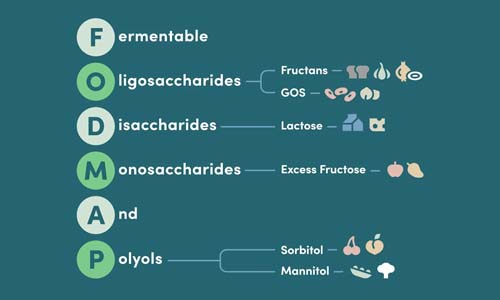
Garlic and onion are common seasoning ingredients, including in blends labeled for tacos, grilling, vegetables, or poultry. Monash University identifies garlic and onion among common high FODMAP triggers. Look for garlic powder, onion powder, dried garlic, and dried onion in the ingredient list. Pause at broad terms such as “seasoning blend” if the label does not disclose what the blend contains.
How to Decode “Natural Flavors” and “Spices” on a Seasoning Label
“Spices” and “natural flavors” may not identify each component, leaving shoppers unsure whether a blend contains an ingredient they are avoiding. If the package does not give enough detail, contact the manufacturer for clarification or choose a product with a more specific ingredient list. Check the full label each time you buy: recipes and packaging can change, and front-of-package claims do not replace ingredient details.
Certification Logos to Trust: FODMAP Friendly and Monash
Certification can offer a useful screening signal. FODMAP Friendly and Monash University run separate testing and certification programs; look for their marks on the product itself and verify that the specific seasoning or serving has been tested. A logo does not mean every product from a company is certified, nor does it establish that every serving size suits every person. Follow the package guidance and any individualized advice from your dietitian.
Safe Allium Alternatives That Deliver Real Flavor
For a savory allium note, try green parts of scallions, chives, garlic chives, or garlic scapes, using portions that fit your personal plan. Gourmend’s Low FODMAP Seasonings include garlic scape powder, garlic chive powder, green onion powder, garlic chive salt, green onion salt, and taco seasoning. All products are Low FODMAP certified. They use organic ingredients sourced from U.S. farm partners, with no fillers, preservatives, maltodextrin, corn starch, or artificial flavors.
Store-by-Store: Where to Buy Low FODMAP Seasonings in Person
US stores selling low FODMAP seasonings may carry them in different sections, and local stock can vary. Start with the spice aisle, then check natural foods shelves and specialty diet displays. Treat store suggestions as places to investigate, not a guarantee that a particular location carries a dedicated low FODMAP option. Use the store app or call ahead to save time.
| Store | Where to check | Shopping tip |
|---|---|---|
| Walmart | Spice aisle and specialty diet section | Search the local store’s inventory, then verify the full label in person. |
| Kroger and affiliate chains | Spice shelves and natural foods area | Check the local app; Ralphs, King Soopers, and Fred Meyer may differ by location. |
| Sprouts and Whole Foods | Natural foods and packaged seasoning sections | Read the ingredients, even when a product is displayed with specialty foods. |
| Trader Joe’s, Costco, and regional health food stores | Seasonings, bulk spices, and specialty displays | Check package size and ingredient details; selection can change between stores. |
Walmart: Budget-Friendly Blends and What to Look For
At Walmart, begin with individual herbs and spices if certified blends are not easy to spot. Single-ingredient options can make it simpler to avoid garlic and onion, though the label still matters. Check the store’s online listing for local availability, then confirm package details before purchase. A “natural” or “organic” label alone does not indicate low FODMAP status.
Kroger and Affiliate Chains (Ralphs, King Soopers, Fred Meyer)
These chains may organize specialty foods differently across regions. Search the store app for “low FODMAP” and individual spice names, then check the aisle listed for each item. If the app shows a broad seasoning blend without ingredient detail, use it as a locator, not as evidence that the blend meets your needs.
Sprouts Farmers Market and Whole Foods: Natural Aisles Worth Checking
Look in both the main spice section and any natural or specialty diet area. Placement in a natural foods aisle does not guarantee that a product avoids garlic or onion. Read the ingredient list for specific alliums and check for a recognized certification mark when you want a tested option.
Trader Joe’s, Costco, and Regional Health Food Stores
Smaller or changing selections can make an in-person search unpredictable. At Costco, inspect larger containers carefully because they may last longer, leaving less flexibility if the flavor or ingredients do not suit your cooking. Regional health food stores may be able to identify specialty items by phone before you visit.
What to Do When Your Local Store Doesn’t Stock Them
Ask a grocery manager whether the store can order a certified seasoning or share its delivery schedule. Check a retailer’s store locator and online inventory, and consider buying directly from a manufacturer when nearby shelves come up empty. Keep a photo of the ingredient list you trust so you can compare packages quickly on a later shopping trip.
Comparing Certified Brands You'll See on Shelves
What Certified Brands Have in Common
A certification mark can help identify a seasoning tested for FODMAP content, but check which specific product is covered. Certification applies to the tested item and serving guidance, not automatically to every product made by a company. Monash University and FODMAP Friendly operate separate testing and certification programs, so check for a clear mark and follow the serving information provided.
Compare the ingredient list with your own needs, too. A clear list makes it easier to spot ingredients you avoid, while the stated serving size helps you use the seasoning as tested. Gourmend’s Low FODMAP Seasonings are all Low FODMAP certified.
How to Evaluate Flavor, Salt Level, and Clean-Label Ingredients
Check whether salt appears near the beginning of the ingredient list, since that can affect how much you need to add to a dish. Consider the intended use: taco seasoning should suit beans, vegetables, or meat, while a simple herb blend may work across soups and roasted vegetables. A short, specific ingredient list also helps you judge how a seasoning will taste and fit into a recipe.
Comparison Table: Certifications, Product Range, and Store Availability
Use this checklist to compare package information with your cooking needs. Retail availability changes by location, so check local inventory rather than treating a product range or store listing as a promise of shelf stock.
| What to compare | What to check | Why it helps |
|---|---|---|
| Certification | Whether the specific product carries a recognized FODMAP certification mark | Shows that the marked product has been tested within that program’s guidelines. |
| Product range | Whether the available forms suit your recipes, such as powders, salts, or a taco blend | Helps match seasoning format and flavor to your cooking. |
| Ingredients | Named ingredients, salt level, and serving guidance | Makes label review and portion planning more straightforward. |
| Availability | Local store inventory or the manufacturer’s current product listings | Helps you plan around regional stock differences. |
Why Ingredient Quality Matters More Than Brand Name
A familiar name alone cannot tell you whether a seasoning suits your personal plan. Read the full label, check the serving guidance, and consider how the ingredients contribute to the dish. Gourmend’s Low FODMAP Seasonings include garlic scape powder, garlic chive powder, green onion powder, garlic chive salt, green onion salt, and taco seasoning. They use organic ingredients sourced from U.S. farm partners, with no fillers, preservatives, maltodextrin, corn starch, or artificial flavors.
DIY Blends and Cooking Techniques: Big Flavor Without Garlic or Onion
Two DIY Seasoning Blends Using Garlic Scape Powder, Chives, and Green Onion
Mix these small-batch blends in a clean, dry jar and label each with its ingredients. Start with a modest amount in a dish, then adjust to taste and your individual plan. Gourmend’s Low FODMAP Seasonings include garlic scape, garlic chive, and green onion powders that can also be measured into homemade blends.
- Herby vegetable blend: Combine 4 grams dried chives, 3 grams garlic scape powder, 2 grams green onion powder, 2 grams dried thyme, and 1 gram black pepper. Use on potatoes, carrots, or zucchini before roasting.
- Smoky taco blend: Combine 4 grams ground cumin, 3 grams smoked paprika, 2 grams green onion powder, 1 gram garlic chive powder, and 1 gram dried oregano. Add gradually to a pan of cooked vegetables, rice, or protein.
Building Umami: Broths, Mushrooms, Seaweed, and Acid
Umami gives food a rounded, savory taste without relying on garlic or onion. Add a splash of suitable broth to loosen browned bits in a pan, or stir a small amount of broth powder into soup, grains, or sauces. Finely chopped mushrooms can bring a deep, earthy note; seaweed can add a briny, savory edge. Finish with lemon juice or vinegar to sharpen the flavor. Check ingredient labels and portions, since products and individual tolerances vary.
Layering Flavor Like a Chef: Bloom, Finish, and Taste as You Go
For a warm dish, briefly stir dried spices into oil over low heat to release their aroma, taking care not to scorch them. Add broth or other recipe liquids next, then simmer so the flavors spread through the dish. Save delicate herbs or chive-like seasonings for the end, when their fresh notes are more noticeable. Taste before adding salt, especially if the broth or seasoning already contains it.
- Bloom: Warm ground spices briefly in oil, then add the main ingredients.
- Build: Add broth, mushrooms, or another savory ingredient for depth.
- Finish: Add herbs or a small splash of acid, then taste and adjust.
FAQ: Shopping for Low FODMAP Seasonings in the US
US stores selling low FODMAP seasonings may carry dedicated options, but shelf availability and ingredients vary by location. Use these answers to guide a label check and choose a seasoning that fits your cooking and personal plan.
Are low FODMAP seasonings available at Walmart, Kroger, or Whole Foods?
They may be available, though selection differs among stores and locations. Check the spice aisle and specialty-food shelves, then use the retailer’s app or call the store to confirm current stock. A store listing can help you locate a product, but inspect the package for its full ingredient list, certification, and serving guidance before buying.
How can I tell if a seasoning blend is low FODMAP without a certification logo?
Read the complete ingredient list and look for garlic, onion, and their powdered or dried forms. If the label uses broad terms such as “natural flavors” or “spices” and does not provide enough detail, contact the manufacturer for clarification or choose a more transparent option. Check the serving guidance, too. Without testing or clear ingredient information, a label review cannot confirm that a blend is suitable for every person.
Is garlic-infused oil a safe seasoning alternative?
Garlic-infused oil can provide garlic flavor because FODMAPs are water-soluble and do not dissolve into pure oil. Choose a product without garlic pieces, follow its storage instructions, and use a portion that suits your individual plan. If you are uncertain about a product’s ingredients or handling, ask your dietitian for guidance.
What can I use instead of garlic and onion powder in everyday cooking?
Try chives, green parts of scallions, garlic chives, or garlic scapes, using portions that work for your plan. For a ready-made option, Low FODMAP Seasonings include garlic scape powder, garlic chive powder, and green onion powder. Add a little at a time, then taste and adjust alongside herbs, spices, citrus, or suitable broth.
Frequently Asked Questions
What seasonings are ok for low FODMAP?
Low FODMAP seasonings avoid garlic and onion in favor of safe allium alternatives like green parts of scallions, chives, garlic chives, and garlic scapes. Single-ingredient herbs and spices can also work, but you should always read the full ingredient list since blends often hide garlic or onion powder.
What are some popular low FODMAP brands in the US?
Gourmend is a popular US brand offering certified low FODMAP seasonings made with organic ingredients from American farm partners. Its lineup includes garlic scape powder, garlic chive powder, green onion powder, garlic chive salt, green onion salt, and taco seasoning, all free from fillers, preservatives, and artificial flavors.
What are some good low FODMAP seasonings to look for?
Good low FODMAP seasonings include products certified by FODMAP Friendly or Monash University, since certification confirms the blend has been tested. Look for options made with garlic scape powder, garlic chive powder, or green onion powder instead of garlic or onion bulbs.
Can I buy Fody products in stores?
Fody and other low FODMAP brands may appear in the spice aisle, natural foods section, or specialty diet shelf at major US grocery chains. Availability varies by location, so check the store's website or app for local inventory and verify the label in person before buying.
Does Walmart carry Fody products?
Walmart may carry Fody and similar low FODMAP products in its spice aisle or specialty diet section, but stock varies by store. Search the local store's inventory on Walmart's website or app first, then confirm the ingredient list and certification on the package in person.
How can I tell if a seasoning is truly low FODMAP?
Check the ingredient list for garlic powder, onion powder, dried garlic, and dried onion, and pause at vague terms like "spices" or "natural flavors" that do not disclose components. Certification logos from FODMAP Friendly or Monash University offer a reliable screening signal for tested products.
What should I do if my local store doesn't stock low FODMAP seasonings?
Ask a grocery manager whether the store can order a certified low FODMAP seasoning or check its delivery schedule. You can also use a retailer's store locator and online inventory, or buy directly from a manufacturer like Gourmend when nearby shelves come up empty.