


What Is Beef Broth Used For? Cooking Ideas and Everyday Uses

What is beef broth used for
Beyond the Basic Bowl: Unpacking the Versatile Uses of Beef Broth
Beef broth serves as a foundational cooking liquid for soups, stews, grains, sauces, and gravies. You can use it to cook rice and pasta, deglaze pans, create rich reductions, and add depth to casseroles. What is beef broth used for spans far more than most home cooks realize. It's the difference between bland and restaurant-quality results.
What Exactly Is Beef Broth (and Why It Matters for Flavor)
Beef broth is a savory liquid created by simmering beef bones, meat, and aromatics in water for 1-3 hours. Unlike bone broth (which simmers 12-24 hours for collagen) or stock (which focuses on bones for body), regular broth emphasizes quick flavor development from meat and vegetables. You get immediate umami impact without the heavy mouthfeel.
The Gourmend Difference: Clean Label, Gut-Friendly Flavor
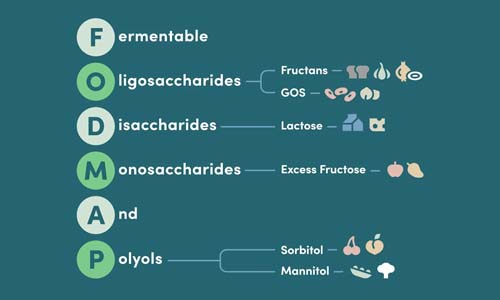
Quality matters when selecting your cooking foundation. Our Organic Beef Bone Broth | Low FODMAP & Unsalted proves clean ingredients create better flavor. We use grass-fed beef bones, leek green tops, scallion green tops, and oyster mushrooms instead of onion bulbs. Delivering aromatic complexity without common digestive triggers.
Pro Tip
Choose unsalted varieties to control sodium across your cooking. You can season each dish to taste without risking oversalted results.
The Heart of the Meal: Beef Broth in Soups, Stews, and Hearty Dishes

Soup Foundations That Actually Work
Start with quality broth, add aromatics like carrots and celery, then layer proteins and starches. The broth's savory foundation keeps flavors cohesive rather than muddled. Simple recipes with beef broth often work best. Let the broth do the heavy lifting while fresh ingredients provide texture and brightness.
Braising and Stewing: Where Beef Broth Shines
Stews benefit from beef broth's ability to unite disparate ingredients. Use it to braise tougher cuts of meat and cook root vegetables until tender. The extended cooking time allows flavors to meld while the broth reduces into a thick, coating consistency that clings to every ingredient.
Casserole Success: Moisture Without Mushiness
Casseroles need moisture and flavor distribution during baking. Beef broth prevents drying while infusing each layer with savory notes. It's particularly effective in grain-based casseroles where you want the liquid absorbed completely, leaving only concentrated flavor behind.
Elevating Everyday Ingredients: Beef Broth for Grains, Sauces, and Sides
improve your Grain Game
Swap cooking water for beef broth to turn plain grains into restaurant-worthy sides. Recipes with beef broth and rice deliver impressive results because grains absorb every drop of that savory liquid. The 2:1 ratio still applies. Just use broth instead of water for the absorption method.
Pan Sauces in 3 Minutes Flat
After searing proteins, deglaze the pan with broth to capture fond (those brown bits), then reduce until syrupy. Add a pat of butter and you've got a restaurant-quality sauce that complements your protein perfectly. No complicated techniques required.
Pasta Water's Flavorful Cousin
Cook pasta directly in beef broth for built-in flavor without heavy sauces. The starch from noodles helps thicken the broth into a light coating. This works especially well for what to make with beef broth and noodles. Simple preparations where the broth becomes the sauce.
Deglazing Demystified: Bringing Flavor Back to the Pan
Deglazing captures caramelized bits (fond) left after searing and turns them into concentrated flavor. Pour beef broth into the hot pan and scrape up those brown bits while the liquid simmers. You'll be amazed how much flavor would otherwise stay stuck to the pan.
Kitchen Hack: Pre-Diced Aromatics for Broth-Based Cooking
Freeze diced carrots, celery, and scallion greens in ice cube trays with a splash of broth. These cubes melt quickly in hot dishes, saving prep time while adding consistent flavor.
Beyond the Human Plate: Unexpected Uses for Beef Broth

Making Kibble More Appealing
Plain, unsalted beef broth can make dry kibble more enticing for picky dogs. Pour cooled broth over regular food to add moisture and flavor. Always choose no-salt-added varieties and consult your veterinarian about dietary changes, especially for dogs with health conditions.
Leftover Revival Strategy
Leftover grains and proteins often dry out in storage. Add a splash of beef broth when reheating to restore moisture and refresh flavor. This works particularly well for healthy recipes that use beef broth, keeping them closer to their original taste.
Global Inspiration at Home
Quality broth forms the foundation for dishes across cultures. Vietnamese-style noodle soups, Italian risotto, Mexican pozole. Dinner recipes with beef broth span continents. Our Organic, Gut Friendly, Low FODMAP Broths collection offers variety while maintaining clean flavor without onion or garlic bulbs.
The Gourmend Advantage: Why Your Gut Will Thank You
Clean-label cooking starts with knowing what's in your ingredients. Our broths use organic ingredients without preservatives or artificial flavor additives. That transparency helps you cook with confidence and avoid ingredient surprises.
Low FODMAP certification means our broths are designed to be easier on sensitive digestive systems without sacrificing flavor. By using scallion greens instead of onion bulbs and skipping garlic bulbs, we create the aromatic profile you want while respecting gut comfort. I'm not a dietitian, so please consult a healthcare provider for personalized medical guidance.
When you know what is beef broth used for, everyday cooking becomes simpler, more flavorful, and more consistent. The right broth transforms ordinary ingredients into satisfying meals.
Storage Smart: Making Your Broth Last
Proper storage extends beef broth's shelf life while maintaining flavor quality. Refrigerate opened containers for up to five days, or freeze in ice cube trays for easy portioning. Frozen cubes melt quickly in hot dishes. Perfect for single-serve additions without waste.
When making recipes with beef broth and ground beef, brown the meat first to develop fond, then deglaze with broth. This captures those caramelized flavors instead of leaving them behind. Heat matters too. Gentle simmering preserves cleaner flavor while hard boiling can make broth taste flat and look cloudy.
Salt timing affects final results. Add broth early so flavors blend, then adjust seasoning near the end. Reduction concentrates everything, including salt. For flavor enhancement without extra sodium, try our Organic Garlic Chive Powder.
Nutritional Benefits and Dietary Fit

Beef broth contributes protein and minerals while staying relatively low in calories, depending on preparation. Reading ingredient lists matters if you follow specific eating plans. Clean-label options help you avoid ingredients that don't fit your preferences.
Sodium Awareness for Health-Conscious Cooking
Many commercial broths contain excessive sodium. Choosing unsalted varieties lets you control salt intake and build flavor with herbs, spices, and technique instead of relying on salt alone.
People following a Low FODMAP approach often seek broths made without onion or garlic bulbs. These products use alternatives like scallion greens and chives to create similar savory profiles with fewer triggers.
Modern cooking increasingly emphasizes ingredient transparency and digestive comfort. Meal prep routines often depend on broth for batch-cooking grains, proteins, and vegetables. For convenient single-serve options, consider our Organic Unsalted Chicken Bone Broth Powder - 8 Single Serve Packets for quick meal preparation.
Restaurant techniques continue moving into home kitchens, and broth plays a central role. From deglazing to quick reductions, understanding what is beef broth used for helps home cooks achieve more consistent results. Whether you cook simple comfort food or globally-inspired dinners, quality broth supports flavor and makes meals more satisfying.
 Organic Beef Bone BrothOrganic grass-fed beef bones and oyster mushrooms, with no onion or garlic bulbs. Unsalted.Shop now
Frequently Asked Questions
What would you use beef broth for?
Beef broth is incredibly versatile in the kitchen. I use it as a flavorful base for soups and stews, to cook grains like rice and pasta, and to make delicious gravies and pan sauces. It also adds depth to casseroles and helps deglaze pans, capturing all those savory bits.
What broth is good for IBS?
For those managing IBS, choosing a low FODMAP broth is key. Our Organic Beef Bone Broth is specifically crafted with ingredients like leek green tops, scallion green tops, and oyster mushrooms instead of common digestive triggers like onion bulbs. This allows you to enjoy rich flavor without discomfort.
Does bone broth lower cortisol?
While many people enjoy bone broth for its general wellness benefits, our article focuses on its culinary uses and digestive comfort. I'm not a dietitian, so I can't speak to specific physiological effects like cortisol regulation. We prioritize delicious, gut-friendly flavor for your cooking.
What is the purpose of beef broth?
The primary purpose of beef broth is to serve as a foundational liquid that infuses dishes with deep, umami-rich flavor. It creates a cohesive taste in soups and stews, prevents casseroles from drying out, and elevates simple ingredients like grains and pasta. It's all about building a delicious base for your meals.
Can you drink beef broth directly?
Absolutely, you can drink beef broth directly, and many people find it comforting. If you plan to sip it, I always suggest choosing an unsalted variety, like our Organic Beef Bone Broth. This way, you can season it to your personal taste without worrying about oversalting.