


What Causes IBS? Key Triggers Explained

what causes ibs
Understanding what causes IBS starts with one fact: IBS usually has several contributing factors rather than one universal cause. Irritable bowel syndrome is a disorder of gut-brain interaction, meaning intestinal movement, sensitivity, immune signals, gut bacteria, and stress responses can affect one another. The condition is real and deserves careful evaluation, even when routine tests show no visible tissue damage.
Key Takeaways
- Irritable bowel syndrome typically arises from a combination of multiple contributing factors rather than a single universal cause.
- This condition involves a complex interaction between the gut and the brain that influences intestinal movement and sensitivity.
- Immune signals and gut bacteria play a significant role in how the digestive system functions in affected individuals.
- Stress responses can directly impact intestinal health and contribute to the symptoms experienced by patients.
- Doctors should evaluate the condition seriously even when standard medical tests do not reveal visible tissue damage.
Food can influence symptoms, but it is rarely the whole explanation. A previous stomach infection, constipation, diarrhea, altered gut bacteria, food sensitivities, menstrual-cycle changes, and stress may all contribute. Learning your own pattern can make low FODMAP cooking more practical while a qualified clinician checks for conditions that may resemble IBS.
What causes IBS?
IBS is a long-term digestive condition marked by abdominal pain linked with changes in bowel movements, such as diarrhea, constipation, or alternating patterns. The cause varies from person to person. Possible contributors include a previous foodborne infection, changes in the gut microbiome, increased intestinal sensitivity, altered intestinal movement, and communication between the digestive tract and nervous system.
According to Cleveland Clinic, IBS affects about 10% to 15% of adults in the United States, though only about 5% to 7% seek medical care and receive a diagnosis. Women are nearly twice as likely as men to have IBS, according to Cedars-Sinai. Symptoms may include bloating, gas, urgency, incomplete bowel movements, cramping, and stool changes. Fatigue, disrupted sleep, food anxiety, and difficulty traveling or socializing can occur alongside digestive symptoms.
Research from Cedars-Sinai on post-infectious IBS links about 60% of cases with bacteria associated with food poisoning. That does not mean every case follows an infection. A gastrointestinal illness may change intestinal nerves, immune activity, or bacterial balance, leaving the digestive system more reactive. Some gastroenterology practices also evaluate suspected small intestinal bacterial overgrowth, or SIBO, with breath testing when a person’s symptoms and medical history support it.
Which factors can trigger IBS symptoms?

IBS symptoms often reflect the combined effect of food, portion size, meal timing, sleep, stress, and bowel patterns. A short-term symptom diary can show whether a specific ingredient or a larger serving is the more likely factor. That distinction matters: FODMAP tolerance is dose-dependent, so a food may work in one meal and cause trouble in a larger portion.
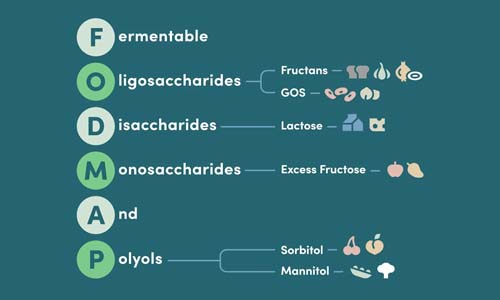
FODMAPs are short-chain carbohydrates that some people absorb poorly in the small intestine. Gut bacteria ferment them, which can increase gas and draw water into the intestine. A registered dietitian can guide a structured low FODMAP trial followed by reintroduction. The goal is to learn personal thresholds while keeping meals varied.
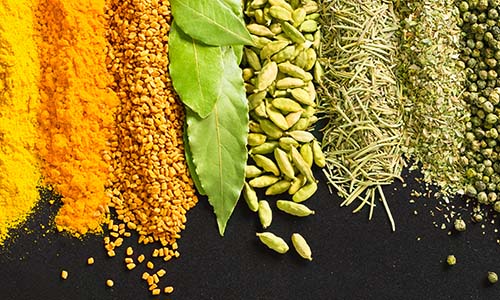
Flavor does not need to disappear from the plate. Chive sprigs, garlic-chive stems, garlic scapes, herbs, spices, garlic-infused oil, and low FODMAP broth can add savory depth. Gourmend Foods founder Ketan Vakil began the company after his own digestive challenges, and that experience shapes our flavor-first approach: practical food should be both gentle and worth eating.
Why the gut-brain connection matters
The gut-brain axis is a two-way communication system involving the intestinal nervous system, immune signals, hormones, and the brain. Stress does not mean symptoms are imaginary. Stress can affect intestinal movement and sensitivity, while pain and unpredictable bowel habits can increase stress in return. Regular meals, adequate hydration, sleep support, gentle movement, breathing exercises, and appropriate counseling may complement medical care.
IBS itself does not damage the digestive tract or cause colon cancer, according to Mayo Clinic and Cleveland Clinic. Blood in the stool, unexplained weight loss, persistent fever, anemia, nighttime symptoms, repeated vomiting, or a strong family history of colorectal disease needs medical review. Ask about testing for celiac disease, inflammatory bowel disease, infection, medication effects, or other causes of similar symptoms if the diagnosis feels incomplete.
How can you identify IBS food triggers?
Identify patterns by recording meals, portions, bowel movements, abdominal pain, bloating, urgency, sleep, stress, menstrual-cycle changes, medications, and recent illness for a limited period. Include preparation details. A small serving may be tolerated while a larger portion, concentrated sauce, or combination of fermentable ingredients causes symptoms. Bring the record to a gastroenterologist or registered dietitian rather than relying on memory during an appointment.
A label-reading strategy is more useful than a blanket list of IBS symptoms foods to avoid. During a structured low FODMAP trial, review seasoning blends, soups, sauces, marinades, and snacks for ingredients such as inulin, chicory root, honey, high-fructose corn syrup, sorbitol, mannitol, and large amounts of lactose. Serving size still matters. A certified product’s tested serving information can be more useful than a broad assumption about an entire food category.
For savory meals, a short, transparent ingredient list makes cooking easier to assess. A FODMAP Friendly Certified broth or broth powder can build flavor in rice, soup, gravy, mashed potatoes, and pan sauces. Gourmend’s low FODMAP broths, broth powder, garlic-chive seasonings, garlic scapes, and green-onion products give cooks practical ways to build allium-style depth. Start with a modest amount, taste, and keep the rest of the meal familiar so you can tell what changed.
Use a stepwise process
First, ask a clinician to consider conditions that can resemble IBS, including celiac disease, inflammatory bowel disease, infection, medication effects, and, when appropriate, SIBO. Next, test one dietary change, such as checking lactose tolerance or replacing a seasoning blend, instead of removing many foods at once. Assess the result over a defined period, then reintroduce foods methodically. This approach preserves variety and makes personal thresholds easier to understand.
Be cautious with advice promising that IBS can be cured permanently. Current care focuses on symptom control, trigger discovery, bowel-pattern support, and quality of life. A healthcare professional can discuss fiber type, hydration, meal timing, medication, and psychological support when appropriate. Build meals you will want to repeat: use fresh herbs, citrus, ginger, infused oils, toasted spices, and suitable broth to keep the cooking satisfying.
This information is for educational purposes. Consult a registered dietitian or healthcare provider for personalized advice.
 Organic Garlic Chive PowderGarlic flavor from freeze-dried organic garlic chives, without the garlic bulb.Shop now
Frequently Asked Questions
What is IBS, and how common is it?
Irritable bowel syndrome is a disorder of gut-brain interaction involving recurring abdominal pain and changes in bowel habits. Symptoms may include constipation, diarrhea, bloating, gas, urgency, or a sensation of incomplete evacuation. Cleveland Clinic reports that IBS affects about 10% to 15% of adults in the United States, although many people never receive a formal diagnosis.
What are common IBS triggers?
Triggers differ from person to person. Large meals, rapid eating, caffeine, alcohol, poor sleep, stress, menstrual-cycle changes, and certain fermentable carbohydrates may contribute to symptoms. High-FODMAP foods such as onion, garlic, some beans, certain fruits, milk, and products containing sugar alcohols can cause gas, bloating, or stool changes for some people. A food and symptom record can reveal patterns without requiring permanent avoidance of every suspected food.
Are symptoms different in females?
Women are nearly twice as likely as men to have IBS, according to Cedars-Sinai research. Some women notice symptom changes around menstruation, with increased cramping, bloating, constipation, diarrhea, or abdominal sensitivity. These symptoms can overlap with gynecologic conditions, so persistent or severe pain deserves a healthcare evaluation rather than an assumption that IBS explains everything.
Is IBS dangerous, or can it lead to colon cancer?
IBS does not damage the digestive tract and does not cause colon cancer, according to Mayo Clinic. It can still disrupt work, travel, sleep, eating, and emotional well-being. Blood in the stool, unexplained weight loss, anemia, fever, nighttime symptoms, persistent vomiting, or a strong family history of colorectal disease requires prompt medical attention.
Can IBS be cured permanently?
There is no universal permanent cure, but many people gain meaningful symptom control through individualized care. A gastroenterologist or registered dietitian may recommend dietary adjustments, soluble fiber, hydration, regular meals, stress support, medication, or testing for conditions that resemble IBS. The goal is not to fear food. It is to identify personal tolerances while preserving nutritious, satisfying meals.