


Top Clean-Label Broths for Health Nuts: The Label Reading Guide

Top clean-label broths for health nuts?
Reading a broth label takes more than looking for an organic seal. If you are searching for Top clean-label broths for health nuts?, start with the ingredient panel, not the front of the carton. Onion, garlic, yeast extract, vague flavoring, excess sweeteners, and unnecessary preservatives can make a seemingly wholesome cooking staple unsuitable for sensitive eaters.
Key Takeaways
- Ignore front-of-carton claims and flip the package over to read the ingredient list first.
- Watch for onion, garlic, yeast extract, and vague flavorings that can trigger sensitivities.
- Excess sweeteners and unnecessary preservatives signal a broth that is not truly clean-label.
- An organic seal alone does not guarantee a pure ingredient panel for sensitive eaters.
A genuinely clean broth should offer recognizable ingredients, transparent sourcing, culinary depth, and a clear approach to digestive compatibility. The goal is full flavor built from ingredients you can identify and tolerate.
The “Clean-Label” Broth Conundrum: What Health Nuts Really Need to Know
Clean-label broth is defined by what it includes and leaves out. Look for named vegetables, meat or bones, herbs, salt status, and cooking aids disclosed plainly. A USDA Organic claim addresses production standards, but it does not automatically mean a broth is onion-free, garlic-free, low FODMAP, unsalted, or free from flavor additives. Sensitive eaters should assess each ingredient and the intended serving size.
Beyond the Organic Seal: Decoding “Clean” in Broth
“Clean” has no single legal definition for broth. A carton may be organic while containing concentrated onion or garlic, yeast extract, palm oil, stabilizers, or a broad “natural flavors” statement. Those ingredients may suit some kitchens, yet they do not meet every wellness purist’s standard for a transparent pantry staple.
Ask four questions: Can you recognize every ingredient? Does the label identify the main flavor sources? Is the broth salted or unsalted? Does it state relevant certifications without using them as a substitute for disclosure? The most useful label explains how the broth gets its savory character.
Why “Healthy” Broths Still Cause Digestive Distress
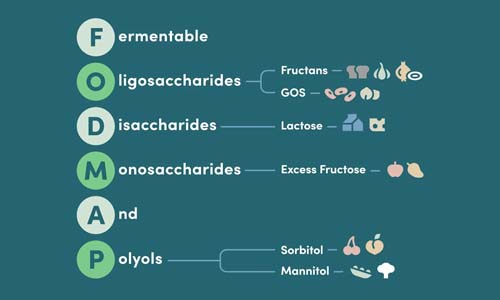
Onion and garlic are common sources of fructans, a fermentable carbohydrate group that can challenge people with IBS or other digestive sensitivities. Powdered forms deserve attention because a small-looking amount may represent concentrated allium ingredients. Yeast derivatives, flavor concentrates, and hard-to-identify additives can also cause trouble.
Reactions do not all have the same cause, and a product label cannot diagnose a condition. People managing IBS, SIBO, MCAS, or personal food sensitivities may benefit from a careful elimination approach and guidance from a qualified clinician. For shoppers seeking Top clean-label broths for health nuts?, “organic” should be one screening point, not the entire decision.
The Gourmend Difference: Our Founder’s Journey to Gut-Friendly Flavor
Gourmend’s approach began with a practical cooking problem: how can broth deliver the savory character cooks expect from onion and garlic while remaining suitable for a low FODMAP kitchen? The answer centers on deliberate ingredient selection, culinary extraction, and flavor sources that are easier to identify on the label.
Singular Broths includes Organic Chicken Bone Broth, Organic Beef Bone Broth, Organic Vegetable Broth, and Instant Bone Broth Powder. All products are organic and Low FODMAP, and they are Unsalted. The format gives cooks control over seasoning in soup, rice, pan sauces, and braises. Singular Broths is designed for people who want a clear ingredient story without giving up a savory foundation.
Label Forensics: Your Checklist for Spotting Hidden Gut Triggers
Audit the label from the first ingredient to the last. Check the base, flavor system, texture agents, preservatives, and serving information. A short panel helps, but transparency matters more than an arbitrary ingredient count. Each component should have a clear culinary purpose.
The “Natural Flavors” Trap: Unmasking Yeast Extract and MSG Precursors
Natural flavors are not automatically artificial, unsafe, or problematic. The concern is limited disclosure. A broad flavor term may not reveal whether the savory profile comes from yeast extract, hydrolyzed vegetable protein, autolyzed yeast, or another glutamate-rich ingredient. These are not identical to added MSG, yet sensitive shoppers may prefer to avoid vague flavor systems.
Scan for yeast extract, yeast autolyzate, hydrolyzed protein, flavor enhancer, and monosodium glutamate. Check seasoning blends too, since their complete formula may appear in a separate sub-ingredient list.
Beyond Onion and Garlic Powder: Identifying Allium Fructans and Their Hiding Places
Look for onion powder, garlic powder, dehydrated onion, garlic juice, onion extract, garlic extract, shallot, leek, and “spices” supported by no further detail. Allium ingredients may appear in the broth base, seasoning blend, vegetable puree, or flavor concentrate. Concentration and serving size matter, so pair label review with personal tolerance and professional low FODMAP guidance.
Citric Acid, Preservatives, and Thickeners: What to Watch Out For
Citric acid may adjust acidity or support shelf stability. It is not inherently a digestive trigger for everyone, though its presence may signal a heavily processed formula rather than slowly cooked stock. Review potassium sorbate, sodium benzoate, gums, modified starches, maltodextrin, and caramel color. Each may have a technical role, but a culinary-first broth should make that role easy to understand.
Decoding “Broth” vs. “Stock”: Understanding Simmer Time and Collagen Content
Names vary across products, so the ingredient list and preparation method provide better clues than the front label. Bone broth generally depends on prolonged, gentle cooking to extract gelatin and collagen from bones and connective tissue. Research cited in the Gourmend editorial brief identifies 12 to 24 hours as the minimum slow-simmer range for full collagen extraction and natural gelation in bone broth. A gel when chilled can indicate gelatin concentration, while a liquid texture does not automatically indicate poor quality.
Gourmend’s “Clean” Ingredient Philosophy: What’s In, What’s Out
Use this checklist before placing broth in your cart:
- Confirm the named base, such as organic chicken bones, beef bones, or vegetables.
- Check for onion, garlic, leek, shallot, and concentrated allium derivatives.
- Look for yeast extract, hydrolyzed protein, and unspecified flavor systems.
- Verify whether the broth is salted, unsalted, or highly seasoned.
- Review certifications and low FODMAP statements separately from marketing language.
- Check package format, best-by date, storage directions, and serving size.
Gourmend’s Singular Broths use organic ingredients, Low FODMAP positioning, and an Unsalted finish across the line. That gives sensitive cooks a clear starting point for label reading and seasoning control. For anyone evaluating Top clean-label broths for health nuts?, the strongest choice states its ingredients, preparation purpose, and digestive fit plainly.
The Sensitive Eater's Guide to Flavorful, Gut-Friendly Broth Selection
For sensitive cooks, broth selection involves more than scanning for organic certification. Flavor sources, processing methods, package integrity, and serving guidance all matter. A good choice should provide a savory foundation without onion, garlic, vague flavor additives, or excess salt. If you are evaluating Top clean-label broths for health nuts?, assess digestive fit and culinary performance before judging the package.
The Allium Alternative: Mastering Flavor with Garlic Scapes and Green Onion Tops
Garlic scapes and green onion tops can provide fresh, green allium character without garlic bulbs or large amounts of onion powder. Their flavor is useful in broths, marinades, finishing oils, and low FODMAP seasoning systems. Tolerance depends on preparation and serving size, so personal testing remains appropriate for anyone with significant sensitivity.
Singular Broths are designed around this flavor-first idea. The collection includes Organic Chicken Bone Broth, Organic Beef Bone Broth, Organic Vegetable Broth, and Instant Bone Broth Powder. All products are organic and Low FODMAP,Available in single and multi-packs,Unsalted. The unsalted format lets you add herbs, spices, citrus zest, or a measured amount of salt according to the dish and your preferences.
Beyond Umami Basics: Leveraging Nori and Mushrooms for Depth
Nori, dried mushrooms, roasted carrots, parsnips, and fresh herbs can build savory depth without a bulb-heavy seasoning base. Nori contributes a subtle marine note and natural glutamates, while mushrooms provide earthy flavor and body. Use small amounts first, especially in delicate vegetable broth, since dried ingredients become more concentrated during simmering.
Distinguish recognizable umami ingredients from broad terms such as “flavoring.” A named mushroom, sea vegetable, herb, or vegetable offers a clearer culinary explanation. Singular Broths provides an unsalted base that can support rice, soup, gravy, or pan sauce without dictating the final seasoning profile.
Assessing Broth Purity: Gel Test, Clarity, and Simmering Duration
A chilled bone broth that sets into a soft gel often contains gelatin extracted from collagen-rich bones and connective tissue. Research cited in the Gourmend editorial brief identifies 12 to 24 hours as the minimum slow-simmer range for full collagen extraction and natural gelation. Clear broth can reflect careful straining, while slight cloudiness may result from fat, proteins, or cooking technique. Appearance alone proves neither quality nor digestive suitability.
| Quality marker | What it can suggest | What to verify |
|---|---|---|
| Soft gel after chilling | Gelatin-rich extraction | Ingredients, simmer method, and serving size |
| Clear or lightly cloudy liquid | Straining and natural cooking variation | Fat separation, sediment, and package condition |
| Short, named ingredient list | More transparent flavor construction | Allium derivatives and undefined flavor terms |
Sourcing Transparency: Organic Certification and Ingredient Origin
USDA Organic certification can provide information about agricultural and processing standards, yet it does not replace ingredient-level scrutiny. Look for a clear statement about the broth base, vegetable sources, country or region of origin when available, and manufacturing practices. Third-party standards such as FODMAP Friendly, Clean Label Project, or Certified B Corporation status may add context, though each addresses a different purchasing concern.
Purity includes safety communication. California AB 899 establishes reporting thresholds for arsenic, cadmium, lead, and mercury in consumer foods, so transparent companies should take heavy-metal testing and disclosure seriously. A certification mark is most useful when paired with accessible sourcing and quality information.
Storage and Shelf-Life: Ensuring Freshness Without Compromise
Before opening, store shelf-stable broth in a cool, dry cabinet away from direct sunlight. Inspect cartons, jars, and pouches for swelling, leakage, broken seals, or unusual damage. Follow the best-by date and discard opened broth that develops an off odor, unexpected gas, mold, or unusual texture. Refrigerate opened liquid broth promptly and use the package’s stated timeline.
Instant Bone Broth Powder offers a practical option for smaller portions and compact pantry storage. Keep the container tightly sealed so moisture does not affect the powder, and use a clean, dry scoop. For readers assessing Top clean-label broths for health nuts?, dependable storage guidance is part of product quality.
Culinary Applications: Elevating Your Gut-Friendly Cooking with Clean Broth
Clean broth earns its place in a sensitive kitchen by making everyday food taste more complete, not by serving only as a warm drink. An unsalted, low FODMAP base gives you control over salt, acidity, herbs, and spice. Singular Broths can support soups, grains, sauces, and braises while keeping the ingredient decision straightforward.
Broth as a Flavor Base: Soups, Stews, and Sauces Reimagined
Use chicken or beef bone broth to build body in soup, then add cooked rice, potatoes, carrots, spinach, or shredded meat. Vegetable broth works with lentils, quinoa, tomatoes, and tender greens. For a pan sauce, reduce broth with mustard, lemon juice, and herbs after cooking protein. Broth can also loosen a stew, hydrate stuffing made with tolerated grains, or replace water in a savory risotto-style dish.
Quick and Simple Meals Using Broth
Broth shortens the distance between a bare pantry and a satisfying meal. Simmer rice in broth, poach chicken in a shallow layer of liquid, or warm leftover vegetables with broth before blending them into soup. Instant Bone Broth Powder suits a single bowl, small skillet sauce, or lunch prepared at work. Add it gradually, taste before salting, and finish with scallion greens, chives, parsley, black pepper, or lime according to your tolerance.
Beyond Sipping: Creative Uses for Broth in Everyday Cooking
Broth can bring moisture and savory flavor to dishes that do not resemble soup. Stir a spoonful into mashed potatoes, use it to steam carrots or zucchini, or whisk it into gravy made with gluten-free flour or cornstarch. It can moisten ground meat mixtures, cook polenta, or become the base of a quick noodle bowl with firm tofu and bok choy. Singular Broths gives cooks a flexible starting point because its unsalted profile leaves room for the finished dish to guide seasoning.
Using Broth in Everyday Cooking: Tasks and Finishing Ideas
Low FODMAP status applies to a stated serving, not an unlimited quantity. Begin with the package serving size, especially if the broth is concentrated or prepared from powder. Track the total amount used across a meal, since broth may join other ingredients that contribute fermentable carbohydrates. Personal tolerance varies, so a food diary and guidance from a registered dietitian can help during structured reintroduction. Choose a smaller portion when testing a new formula, then adjust based on flavor needs and individual response.
| Kitchen task | Useful broth approach | Finishing ideas |
|---|---|---|
| Fast lunch | Prepare a measured cup with rice, greens, or noodles | Herbs, citrus, toasted sesame seeds |
| Pan sauce | Reduce a small amount after cooking protein | Mustard, pepper, lemon, fresh chives |
| Grain or vegetable cooking | Replace part or all of the water | Olive oil, parsley, grated hard cheese |
| First tolerance test | Use the package serving and avoid stacking new foods | Keep the rest of the meal familiar |
 Organic Chicken Bone BrothLeek and scallion tops stand in for onion and garlic. Seven organic ingredients, unsalted.Shop now
Frequently Asked Questions
What should health-conscious shoppers look for in a clean-label broth?
Clean-label broth should list recognizable ingredients, clear flavor sources, and its salt status without relying only on front-label claims. Top clean-label broths for health nuts? should also provide transparent sourcing and a clear approach to digestive compatibility, since organic certification alone does not establish low FODMAP suitability.
Are organic broths always suitable for a low FODMAP kitchen?
Organic broths are not automatically suitable for a low FODMAP kitchen. USDA Organic addresses production standards, while low FODMAP status depends on the ingredients and serving size, so shoppers should review each label and look for a verified certification when needed.
Which Gourmend broths fit a clean-label, low FODMAP pantry?
Gourmend Singular Broths include Organic Chicken Bone Broth, Organic Beef Bone Broth, Organic Vegetable Broth, and Instant Bone Broth Powder, all organic, certified low FODMAP, and made without added salt. These broth bases give cooks control over seasoning in soups, rice, sauces, and braises.
Why does an unsalted broth help with clean cooking?
Unsalted broth lets cooks control the final sodium level of each recipe. Gourmend Singular Broths contain no added salt, so the same broth base can work in a lightly seasoned soup, a pan sauce, rice, or a braise without locking in a preset salt level.
How can shoppers spot vague flavor wording on a broth label?
Shoppers can spot vague flavor wording by checking every ingredient and reviewing seasoning blends for broad terms such as natural flavors, yeast derivatives, or hydrolyzed proteins. A more transparent clean-label broth identifies its main culinary components plainly, helping sensitive eaters make informed choices.
What makes Gourmend broth a practical choice for sensitive eaters?
Gourmend broth is certified low FODMAP, organic, and made without added salt, with ingredient information designed for clear label review. Gourmend offers chicken, beef, vegetable, and instant bone broth formats, giving sensitive eaters options for everyday cooking while allowing personal seasoning control.