


Recommended Low FODMAP Spice Blends: A Complete Guide for Flavor Without FODMAPs

Recommended low FODMAP spice blends?
Recommended low FODMAP spice blends? Start with blends made from individual herbs and spices, then check the ingredient list for garlic, onion, and vague flavorings. For allium flavor without garlic or onion bulbs, garlic scape, garlic chive, and green onion powders offer useful options for seasoning familiar dishes.
Key Takeaways
- The safest low FODMAP spice blends are built from single herbs and spices rather than proprietary mixes with hidden ingredients.
- Always scan labels for garlic, onion, and generic flavorings, since these common additives can trigger symptoms even in small amounts.
- Garlic scape powder, garlic chive powder, and green onion powder deliver allium flavor while staying within low FODMAP limits.
- Choosing certified or carefully vetted blends lets you season familiar dishes without sacrificing taste or digestive comfort.
The right choice depends on both the ingredients and the amount you use. A clear label and a sensible serving can make pantry seasoning less of a guessing game. 💚
Choose a blend with an ingredient list you can understand, no garlic or onion powder, and a serving size that suits the dish. Single-ingredient spices and dried herbs are useful starting points, while seasonings without onion or garlic bulbs can bring back some of the savory character that garlic and onion bulbs provide.
The short list: blends and seasonings without onion or garlic bulbs that pass the label test
Look for simple combinations of spices and herbs, such as cumin, paprika, oregano, basil, thyme, black pepper, or chili powder. For an allium note, try garlic scape powder, garlic chive powder, or green onion powder. Gourmend’s FODMAP Friendly certified seasonings are another option; check the package for serving guidance and current ingredients.
How garlic and onion hide in spice blends, and what replaces their flavor
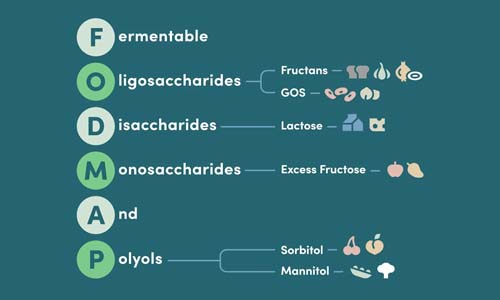
Garlic and onion contain fructans, a type of FODMAP, and can appear in seasoning mixes as powders or less specific flavor ingredients. Read the full ingredient list rather than relying on a blend’s name or front-label description. Garlic scapes, garlic chives, and green onion tops provide distinctive savory notes without using the bulbs. Try them in small amounts first, then adjust to taste.
Serving size basics: why the dose makes the FODMAP
Low FODMAP suitability depends on both the ingredient and the serving. A small amount of a seasoning may fit differently into a meal than a large quantity, and combining several moderate-FODMAP ingredients can contribute to FODMAP stacking. Follow serving information on certified products and consider the full plate, not just the spice jar.
Store-Bought Low FODMAP Spice Blends: What to Look For on the Label
 Low FODMAP Taco SeasoningEverything you need for taco and chili nights, with no onion or garlic bulbs.Shop now
A label is your first practical tool for assessing a packaged seasoning. Scan the full ingredient list, serving information, and any certification mark before using a blend. If an ingredient is vague or serving guidance is missing, you may have less information to make a confident choice.
Red-flag ingredients: garlic powder, onion powder, maltodextrin, and “natural flavors”
Garlic powder and onion powder are direct signs that a blend contains common fructan sources. Maltodextrin and “natural flavors” need a closer look: the ingredient name alone does not tell you whether a product is suitable for your needs. Check the package for certification or specific ingredient details, and contact the manufacturer if the source remains unclear. When unsure, choose a blend with more specific ingredients.
What FODMAP Friendly certification means and how to verify a product
FODMAP Friendly certification indicates that a product has been tested and certified under that program. Check the package for the certification mark and serving information, since testing applies to a product and specified amount rather than every possible portion. Gourmend’s FODMAP Friendly certified seasonings can offer a clearly identified option; confirm the current package details before serving.
What whole spices and single-ingredient herbs are usually suitable
Plain spices and dried herbs, such as cumin, paprika, oregano, basil, thyme, and black pepper, are practical pantry choices when used in typical seasoning amounts. Prefer products listing just the named spice or herb, without added garlic or onion. “Usually suitable” is not a guarantee for every person or serving, so follow your individual plan and any guidance from your dietitian.
Comparison table: certified versus “check the label” blend types
Use this distinction to decide what information you need before adding a blend to a meal. Certification offers product-specific testing context, while an uncertified seasoning calls for a careful ingredient and portion review. Neither label reading nor certification replaces your own serving guidance.
| Blend type | What to check | Practical use |
|---|---|---|
| FODMAP Friendly certified seasoning | Certification mark, tested product identity, and serving guidance | Use the package serving information when seasoning a dish. |
| Uncertified multi-ingredient blend | Every ingredient, especially garlic, onion, and unclear flavorings | Choose only when the ingredients are clear and fit your plan. |
| Single-ingredient herb or spice | Check for added ingredients and use a sensible amount | Season gradually and keep track of the portion. |
For savory depth in soups or grains, Organic Chicken Bone Broth (Low FODMAP, Unsalted) is made with scallion green tops, leek green tops, and chives in place of onion and garlic bulbs. The ingredient list gives you a clear basis for deciding how it fits with your seasoning and recipe.
Organic Chicken Bone Broth (Low FODMAP, Unsalted) is a liquid broth for sipping or cooking, and its unsalted profile lets you adjust seasoning in the pot. Check the full recipe alongside your spice portions so the finished meal reflects your individual low FODMAP plan.
Comparing Low FODMAP Spice Sets: What You Get, How to Verify, and How to Use Each
Once you know how to read a label, the next choice is format. A ready-made blend saves measuring, while a set of single spices gives you more control over what goes into each dish. The certified-versus-label-check table above sorts seasonings by certification status; this one compares four common spice-set formats so you can match one to the way you cook. Either way, certification counts only when it covers the specific seasoning, so check the packaging or the manufacturer’s current information for ingredients and portion guidance.
| Option | What you get | How to verify | How to use it |
|---|---|---|---|
| Gourmend seasonings | Garlic scape, garlic chive, and green onion flavors, without onion or garlic bulbs | Check each product’s label for certification and serving details | Follow the product label and adjust to taste |
| Taco or chili blend | Ready-to-use Mexican-inspired seasoning | Verify certification for the exact blend | Use the stated portion and add gradually |
| Italian or Mediterranean set | Herbs such as basil, oregano, and thyme | Confirm product-specific testing or guidance | Check the blend’s portion details |
| Single-spice starter set | Individual spices for mixing your own blends | Check each jar; a set may not be certified as a whole | Measure each spice separately, as in the DIY recipes below |
DIY Low FODMAP Spice Blend Recipes (With Exact Measurements)
Making seasoning at home lets you choose every ingredient and adjust the flavor without garlic or onion powder. Measure the spices into a clean, dry jar, seal, and shake to combine. Label the jar with its ingredients and date, and use a dry spoon to keep the blend fresh. The recipes below make small batches for regular home cooking. They use herbs and spices as flavorings, but your suitable portion depends on your individual plan and the rest of the meal.
Low FODMAP taco seasoning (with gram measurements and serving notes)
Ingredients: 8 g ground cumin, 6 g paprika, 4 g dried oregano, 3 g chili powder, 2 g ground coriander, 2 g fine salt, and 1 g black pepper. Check that the chili powder is a plain spice blend without garlic or onion. Mix everything in a small bowl, then transfer it to a jar.
Start with about 1 tablespoon of seasoning for 1 pound of ground meat or a comparable amount of firm tofu, adding a splash of water as it cooks. Taste and adjust gradually. Serve with rice, lettuce, or other ingredients that fit your plan. The seasoning amount is a cooking suggestion, not a guarantee that a full meal meets every person’s low FODMAP needs.
All-purpose Italian herb blend
Ingredients: 8 g dried oregano, 6 g dried basil, 4 g dried thyme, 3 g dried rosemary, and 2 g black pepper. Crush the rosemary between your fingers or with a mortar and pestle so it distributes evenly. Stir the herbs together and store them in a sealed jar away from heat and moisture.
Use about 1 teaspoon to season a pan of roasted vegetables, a pot of tomato sauce, or a serving of rice. For a more pronounced herb flavor, add some during cooking and reserve a pinch to finish the dish. Check packaged dried herbs for added ingredients if you are avoiding garlic or onion.
Smoky Cajun-style blend without onion or garlic bulbs
Ingredients: 8 g paprika, 5 g smoked paprika, 4 g dried thyme, 3 g ground cumin, 2 g cayenne, 2 g black pepper, and 2 g salt. Stir until the colors and textures look evenly mixed. If you prefer less heat, reduce the cayenne; the other spices still provide a smoky, peppery base.
Begin with 1 to 2 teaspoons per pound of chicken, fish, or firm tofu, then cook and taste before adding more. This blend works in a skillet, on a sheet pan, or stirred into a rice dish. Keep a note of the amount used so you can repeat a version that suits your taste and serving plan.
How to substitute Gourmend garlic chive powder and green onion powder in any recipe
Garlic chive powder and green onion powder can contribute an allium-like savory note without using garlic or onion bulbs. Their flavor and concentration differ from conventional powders, so treat them as adjustable seasonings rather than automatic one-to-one replacements. Start with a small pinch in a single serving, taste, and add more only if it suits the dish and your personal plan.
| Seasoning | Good starting point | Where to try it |
|---|---|---|
| Garlic chive powder | A pinch per serving, adjusted to taste | Herb blends, sauces, eggs, or roasted vegetables |
| Green onion powder | A pinch per serving, adjusted to taste | Taco seasoning, rice, soups, or savory tofu |
For a batch recipe, first test the powder in one portion before scaling up. This keeps a new flavor from overwhelming the blend and makes it easier to track your serving. Choose the powder whose aroma best fits the dish, then record the amount that works for you. 💚
How to Build Big Flavor Without Garlic or Onion Bulbs: Layering Techniques
When a dish seems flat without garlic or onion, build flavor in stages: start with aromatic spices, add savory depth during cooking, then finish with a fresh or bright note. This gives each seasoning a clear role instead of asking one substitute to do everything. Keep track of the ingredients and portions in the whole meal, especially when several seasoned components share the plate.
Bloom your spices: when to toast blends in oil vs. add at the end
For ground spices such as cumin, paprika, and coriander, stir them into warm oil for a short time before adding wet ingredients. The heat releases their aroma into the cooking fat, helping it spread through a skillet or sauce. Keep the heat moderate and stir continuously so the spices do not scorch. Dried leafy herbs can also go in early when you want their flavor to meld into a simmering dish. Save delicate herbs and a small pinch of seasoning for the end, where their aroma stays more distinct.
Umami builders: mushroom powder, nori, tomato paste, and low FODMAP broth
For savory depth, try a small amount of mushroom powder, crumbled nori, or tomato paste, then taste before adding more. Each brings a different quality: earthy, sea-salty, or rich and concentrated. Broth can carry those flavors through rice, soup, or a pan sauce. Organic Chicken Bone Broth (Low FODMAP, Unsalted) is made with scallion green tops, leek green tops, and chives in place of onion and garlic bulbs. Since it is unsalted, season the finished dish to taste. Find more meal inspiration in the Gourmend recipe and seasoning ideas.
Stacking FODMAPs: how to combine blended dishes without exceeding thresholds
FODMAP stacking means that several foods with moderate amounts of FODMAPs can add up when eaten together. Monash University explains that the overall combination and serving sizes matter, not just whether each ingredient seems suitable on its own. Consider the full meal: a seasoned main, sauce, side dish, and toppings. Follow product serving guidance, keep portions measured, and avoid adding several new ingredients at once while you are learning what works for you.
FAQ: Your Low FODMAP Spice Blend Questions, Answered
Are there low FODMAP substitutes for garlic powder and onion powder?
Garlic chive, garlic scape, and green onion seasonings can add savory, allium-like notes without using garlic or onion bulbs. Start with a small amount and adjust to taste, since their flavor differs from conventional powders.
Which spices are actually high FODMAP?
Garlic and onion powders are common high-FODMAP ingredients because they contain fructans. A spice blend may also include them even when they are not named in its title. Check the full ingredient list and serving guidance.
Is asafoetida (hing) low FODMAP and how do I use it?
Hing is not automatically suitable: some products contain wheat flour or other ingredients that may affect suitability. Check the label and your dietary guidance. Its flavor is concentrated, so use only a small pinch in hot oil, if it fits your plan.
Do dried herbs and spices have serving size limits?
Many plain herbs and spices are used in small amounts, but suitability can depend on portion, product, and individual tolerance. Follow certified serving information when available and consider the combined meal.
Should I buy certified blends or make my own?
Certified blends provide product-specific testing information and serving guidance. Homemade mixes give you control over ingredients, but require careful measuring and label checks for each component. Choose the approach that feels manageable, and use the Gourmend seasoning ideas for additional ways to cook with herbs and spices.
Frequently Asked Questions
What are the best low FODMAP spice blends?
The best low FODMAP spice blends have a short, clear ingredient list with no garlic powder, onion powder, or vague flavorings. Simple combinations of cumin, paprika, oregano, basil, thyme, black pepper, and chili powder are good starting points, along with FODMAP Friendly certified options like Gourmend seasonings.
Are there low FODMAP versions of garlic and onion powder?
Yes, garlic scape powder, garlic chive powder, and green onion powder offer savory allium flavor without using garlic or onion bulbs, which contain fructans. These alternatives are milder than traditional garlic, so start with small amounts and adjust to taste rather than swapping one-to-one.
How can I make my own low FODMAP spice blends?
Making your own low FODMAP spice blend lets you control every ingredient. Measure single spices like cumin, paprika, oregano, and black pepper into a clean, dry jar, seal, and shake to combine. Label the jar with ingredients and the date, and always use a dry spoon to keep the blend fresh.
What should I look for on store-bought spice blend labels?
Scan the full ingredient list, serving information, and any certification mark before buying. Red-flag ingredients include garlic powder, onion powder, maltodextrin, and vague terms like natural flavors. If an ingredient source is unclear, contact the manufacturer or choose a blend with more specific labeling.
What does FODMAP Friendly certification mean on a seasoning?
FODMAP Friendly certification means a product has been lab tested and certified under that program for a specified serving size. Check the package for the certification mark and serving guidance, since suitability applies to the tested amount rather than every possible portion you might use.
Which individual spices and herbs are usually low FODMAP?
Plain single-ingredient spices and dried herbs such as cumin, paprika, oregano, basil, thyme, and black pepper are practical low FODMAP pantry choices in typical seasoning amounts. Choose products listing only the named spice or herb, and remember suitability depends on portion size.
What is FODMAP stacking and how does it relate to seasonings?
FODMAP stacking happens when several moderate-FODMAP ingredients in one meal add up together. A small amount of a seasoning may fit your tolerance, but larger quantities or multiple moderate sources can push the total higher. Consider the full plate, not just the spice jar.