


Recommended Dairy-Free Low FODMAP Seasonings (Plus How to Read the Label)

Recommended dairy-free low FODMAP seasonings?
Recommended dairy-free low FODMAP seasonings? Start with plain herbs and spices, then check blends for onion, garlic, and milk ingredients. A seasoning can be dairy-free yet contain high-FODMAP alliums, or avoid alliums but include whey or lactose. A few label checks can help you season confidently.
Key Takeaways
- Plain single-ingredient herbs and spices are the safest starting point for a dairy-free, low FODMAP pantry.
- Seasoning blends require careful label reading because dairy-free products can still hide onion or garlic powder.
- Whey and lactose often appear in savory mixes, so a blend without onion or garlic bulbs is not automatically dairy-free.
- Checking both the allergen statement and the ingredient list helps you avoid high FODMAP triggers and milk derivatives at the same time.
For allium-style flavor, Low FODMAP Seasonings include garlic scape powder, garlic chive powder, green onion powder, garlic chive salt, green onion salt, and taco seasoning. All products are Low FODMAP certified, made with organic ingredients sourced from U.S. farm partners, and contain no fillers, preservatives, maltodextrin, corn starch, or artificial flavors.
Recommended Dairy-Free Low FODMAP Seasonings at a Glance
Plain, single-ingredient herbs and spices are a practical starting point because you can see what is in the jar. Basil, oregano, paprika, cumin, black pepper, rosemary, thyme, and turmeric bring distinct flavors to vegetables, proteins, soups, and grains. Check serving guidance for the specific ingredient and your tolerance, especially during the elimination phase. For packaged blends, verify both FODMAP suitability and dairy status.
Fresh herbs and single spices without added ingredients are generally the simplest choices. For onion- or garlic-like flavor, try garlic scape, garlic chive, or green onion powders made for low FODMAP cooking. Select a blend only after checking its full ingredient list and serving guidance. Monash University lists fresh chives at about 1 tablespoon per serving and green onion tops at about ¾ cup, or 10 grams; use the green parts only.
Allium Alternatives That Actually Taste Like Onion and Garlic: Garlic Scape, Garlic Chive, and Green Onion Powders
These options add allium character without conventional onion or garlic powder. Garlic scape powder brings a rounded, garlicky note; garlic chive powder gives food a gentle onion-garlic flavor; green onion powder contributes a savory, scallion-like taste. Gourmend’s Low FODMAP Seasonings collection offers these powders, garlic chive salt, and green onion salt. Add a small amount, taste, then adjust: powders can concentrate flavor quickly, while salts add seasoning and allium notes at once.
Certified Dairy-Free Blends: What to Reach For Instead of Montreal or Cajun Shelf Blends
Many familiar seasoning blends include onion or garlic, and some contain dairy ingredients. A certified blend can simplify the decision, but read its package for dairy and other personal dietary needs. Gourmend’s taco seasoning is one option in the collection. Consider how a blend’s salt, heat, herbs, and spices will work with the dish, then start with the package serving recommendation.
Per-Item Serving Sizes and Best Uses
Serving guidance depends on the ingredient, product, and certification. Use package directions for a certified seasoning, and consult a trusted FODMAP resource for fresh produce portions. The table offers a cooking starting point, not a substitute for serving-size guidance or individual tolerance.
| Seasoning | Starting use | Good with | Check |
|---|---|---|---|
| Basil or oregano | Pinch to taste | Tomatoes, poultry, vegetables | Plain herb, no added blend ingredients |
| Paprika or cumin | Pinch to taste | Potatoes, rice, roasted proteins | Single spice, no seasoning mix |
| Garlic scape powder | Begin with a small amount | Soups, vegetables, meat | Certified product and serving directions |
| Garlic chive or green onion powder | Begin with a small amount | Eggs, potatoes, dips | Product serving guidance |
| Taco seasoning | Follow package directions | Tacos, beans, rice bowls | FODMAP certification and dairy ingredients |
How to Read a Seasoning Label for Hidden Garlic, Onion, and Dairy
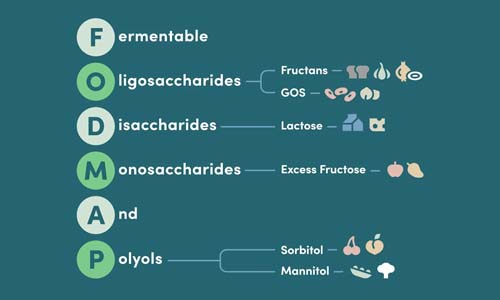
Read the ingredient list before relying on the front label. Garlic and onion may appear as powders, dried ingredients, or parts of a seasoning blend. Dairy can show up as whey, lactose, casein, milk powder, or cheese flavoring. “Dairy-free” addresses dairy, not FODMAP content; “low FODMAP” does not automatically confirm that a product is dairy-free. Check both claims and the applicable serving size.
The Ingredient Red Flags: Whey, Lactose, Casein, Maltodextrin, and “Natural Flavors”
Whey, lactose, casein, and milk powder identify milk-derived ingredients, so they matter when avoiding dairy. Garlic and onion are direct flags for many low FODMAP shoppers. Maltodextrin is not itself a dairy ingredient, but its source and the full formula may be unclear from a quick glance. “Natural flavors” is broad wording that does not explain every component. If an ingredient is unclear, contact the manufacturer rather than guessing.
Certification Marks to Trust: Monash University and FODMAP Friendly
Monash University and FODMAP Friendly offer low FODMAP certification programs. Look for the mark on the exact product, then follow its tested serving guidance. Certification for one item in a product line does not verify every flavor or size. Certification speaks to FODMAP criteria, not dairy-free status, so check ingredient and allergen information separately.
Allergen Statements, “Dairy-Free” Claims, and Anti-Caking Agents
Review both ingredients and the allergen statement. “May contain” language can flag possible cross-contact, which is relevant for milk allergy; discuss your needs with a qualified professional if you have an allergy. Anti-caking agents help powders pour freely, but their presence does not establish whether a product is low FODMAP or dairy-free. Judge the complete label, not one ingredient or front-of-package claim.
A 30-Second Label-Check Checklist
- Scan for onion, garlic, whey, lactose, casein, and milk ingredients.
- Check whether a certification mark applies to this exact seasoning.
- Confirm the serving guidance and number of servings you plan to use.
- Read allergen statements, then verify unclear “natural flavors” with the maker.
- Make sure the dairy-free claim and low FODMAP information both fit your needs.
Cooking Technique: When to Use Powders vs. Infused Oils vs. Broth
Choose a seasoning method by the flavor and texture you want. Powders spread savory notes through hot food, infused oils add aroma and richness, and broth contributes moisture and a savory base. Each can build allium-style flavor without conventional onion or garlic ingredients.
Why Heat Matters: Blooming Powders Without Onion or Garlic Bulbs in Hot Dishes
For soups, skillet meals, sauces, and roasted vegetables, stir a small amount of seasoning powder made without onion or garlic bulbs into warm oil before adding liquid or other ingredients. Brief contact with fat and heat helps distribute seasoning through the dish. Keep the pan at a gentle temperature and stir often; scorched powders can taste bitter. To season a finished dish, mix the powder into a little broth or oil first to prevent dry clumps.
Powders spread savory flavor throughout a recipe. Add them gradually, tasting as you go, especially if the blend also contains salt or chile. For cold dips and dressings, whisk the powder into the wet ingredients and let it sit briefly so the flavor spreads.
Infused Garlic and Onion Oils as Cold Finishers (FODMAP Science: Fructans Are Not Oil-Soluble)
Garlic- or onion-infused oil can provide allium aroma without the same FODMAP content as the whole ingredient. Fructans, the carbohydrates that make garlic and onion high in FODMAPs, are water-soluble rather than oil-soluble, so they do not transfer into pure oil in the same way. Use commercially prepared infused oil or follow food-safety guidance for homemade oil. Strain out all solid pieces, and store the oil according to its label or safe handling instructions.
Drizzle a little over cooked vegetables, potatoes, rice, or soup just before serving to preserve the aroma and give a dish a rounded finish. Infused oil adds fat, not liquid, so it will not replace broth in a soup or sauce.
Building Depth with Low FODMAP Broth: Deglazing, Braising, and Soup Bases
Pour low FODMAP broth into a hot pan after browning meat or vegetables, then scrape up the browned bits with a wooden spoon. This deglazing step turns the fond into a quick sauce base. For braises, add enough broth to partially surround the food, cover, and cook gently until tender. In soup, broth carries herbs and seasonings through every spoonful, so taste before adding extra salt.
For a pantry option, Gourmend’s Low FODMAP Seasonings include seasonings that can complement broth-based dishes. Their certified status is specific to the products; follow each package’s serving guidance, then adjust the recipe to your taste.
DIY Dairy-Free Low FODMAP Blends: Taco, Italian, and Cajun
Making a small batch at home gives you control over dairy ingredients and alliums. Use clean, dry jars and plain spices, then label each mix with its ingredients and preparation date. These recipes contain no dairy ingredients as written. For gluten-free cooking too, check labels on individual spices and any broth or other packaged ingredients you add.
Dairy-Free Taco Seasoning (with Gram Measurements)
Mix 8 g ground cumin, 6 g paprika, 4 g chili powder, 3 g dried oregano, 2 g salt, and 1 g black pepper. For an allium-style note, add a small amount of certified garlic chive powder or green onion powder, following its package serving guidance. This recipe makes a concentrated blend; start with about 1 teaspoon per pound of cooked ground meat or crumbled tofu, taste, and add more only as desired. Add a splash of water or broth so the spices coat the filling.
Italian Herb Blend for Roasting and Dressings
Combine 4 g dried basil, 4 g dried oregano, 2 g dried thyme, 2 g dried rosemary, and 1 g black pepper. Crush the rosemary between your fingers before mixing to break up larger pieces. Toss vegetables with oil and a light sprinkle before roasting, or whisk a pinch into olive oil and vinegar for dressing. Let it stand briefly for a softer herb flavor in a cold dressing.
Cajun Blend Without the Hidden Onion and Garlic
Stir together 6 g paprika, 3 g dried thyme, 3 g dried oregano, 2 g cayenne, 2 g black pepper, and 2 g salt. Use a modest pinch on fish, chicken, or potatoes, then adjust the heat at the table. For a skillet dish, bloom the blend briefly in oil over low heat before adding the main ingredients. Avoid prolonged high heat, which can make ground chile taste harsh.
Serving-Size Safety Notes for Homemade Blends
A homemade blend does not have an independently tested low FODMAP serving just because its individual spices are commonly used in low FODMAP cooking. Total amount per portion, spice tolerance, and packaged additions all matter. Begin with a small serving, keep track of ingredients, and follow your dietitian’s or trusted certification source’s guidance during elimination.
For a ready-made option, Gourmend’s Low FODMAP Seasonings include taco seasoning alongside garlic chive and green onion powders. Check the specific package for serving directions, and adjust salt or heat in the rest of the recipe to suit the blend.
Escaping the Recipe Rut: Five Fast Meals and Your Seasoning Questions, Answered
Recommended dairy-free low FODMAP seasonings? Use them in familiar meals with a different flavor profile. These ideas keep preparation simple while leaving room to adjust salt, heat, and serving size. For a ready-made option, Low FODMAP Seasonings include certified choices for savory, allium-style notes. Check the specific package directions, especially during the elimination phase.
Five Quick Dinners Using the Seasonings Above
- Roast chicken: Rub chicken with olive oil, paprika, rosemary, salt, and pepper. Roast with carrots or potatoes, and serve with a simple green salad.
- Sheet-pan salmon: Season salmon with lemon, oregano, and black pepper. Add zucchini or bell pepper to the pan for a one-pan meal.
- Tacos: Brown ground meat or crumbled tofu with taco seasoning and a splash of water. Serve with corn tortillas, lettuce, tomato, and a suitable portion of toppings.
- Soup: Simmer carrots, potatoes, and shredded chicken in low FODMAP broth with thyme and black pepper. Taste before adding salt.
- Grain bowls: Top rice or quinoa with roasted vegetables and chicken, fish, or firm tofu. Finish with a lemon-herb dressing or a pinch of green onion powder.
How Do I Replace Garlic and Onion Powder in a Recipe?
Use a certified allium-style seasoning, such as garlic chive powder, green onion powder, or garlic scape powder, and start with a small amount. Add it gradually, tasting as you go; these seasonings differ in flavor and strength from conventional powders. For more savory depth, combine the seasoning with herbs, black pepper, or a little broth. Gourmend’s Low FODMAP Seasonings offer options for this adjustment.
Are Store-Bought Blends Ever Low FODMAP?
Yes, some are suitable, but a blend’s name or dairy-free claim alone cannot confirm its FODMAP status. Check the full ingredient list, applicable certification, and serving guidance. If the label is unclear about an ingredient, contact the maker before using it. Keeping verified seasonings on hand can make family meals easier to adapt when a recipe or shared meal includes flavors you need to avoid.
Which Certification Should I Look For?
Look for a Monash University or FODMAP Friendly certification mark on the specific product, and follow its serving guidance. Certification addresses FODMAP suitability, not dairy-free status, so check ingredients and allergen information separately. Checking before cooking can help you choose seasonings confidently and keep weeknight meals varied.
 Organic Garlic Chive PowderGarlic flavor from freeze-dried organic garlic chives, without the garlic bulb.Shop now
Frequently Asked Questions
What seasonings are safe on a low FODMAP diet?
Plain, single-ingredient herbs and spices such as basil, oregano, paprika, cumin, black pepper, rosemary, thyme, and turmeric are the safest choices on a low FODMAP diet. Because these contain only one ingredient, you can see exactly what is in the jar. Check serving guidance for each ingredient, especially during the elimination phase.
Which low FODMAP seasonings are also dairy-free?
Certified low FODMAP products like Gourmend's seasonings are dairy-free by design, made with organic ingredients and no milk-derived additives. For other brands, verify both the low FODMAP certification and the ingredient list separately. A dairy-free claim does not confirm low FODMAP status, and a low FODMAP claim does not automatically confirm dairy-free status.
How do I replace garlic and onion powder in recipes?
Garlic scape powder, garlic chive powder, and green onion powder are the best low FODMAP replacements for garlic and onion powder. Garlic scape powder offers a milder, sweeter garlicky note, garlic chive powder gives a gentle onion-garlic flavor, and green onion powder adds a savory, scallion-like taste. Start with a small amount, taste, then adjust.
Are store-bought seasoning blends low FODMAP, or do they hide garlic and onion?
Many store-bought seasoning blends, including familiar Montreal and Cajun shelf blends, contain garlic or onion, and some include dairy ingredients like whey or lactose. Read the full ingredient list rather than trusting the front label. A certified blend, such as Gourmend's taco seasoning, simplifies the decision but still deserves a quick label check.
What certification should I look for on a low FODMAP seasoning label?
Look for the Monash University or FODMAP Friendly certification mark on the exact product you plan to buy. Certification applies to that specific item, so one certified flavor does not verify every flavor or size in a line. Follow the tested serving guidance, and check dairy-free status separately since certification covers FODMAP criteria only.
What ingredients should I avoid when checking a seasoning label?
Scan for garlic and onion in any form, plus dairy ingredients such as whey, lactose, casein, milk powder, and cheese flavoring. Also review allergen statements for possible milk cross-contact if you have an allergy. If any ingredient is unclear, contact the manufacturer rather than guessing.
When should I use seasoning powders instead of salts or blends?
Seasoning powders like garlic scape, garlic chive, and green onion powders concentrate flavor quickly, so start with a small amount and adjust to taste. Salts such as garlic chive salt or green onion salt add seasoning and allium notes at once. Use blends like taco seasoning by following the package serving directions.