



Recommended Clean Label Low FODMAP Spices

Navigating a low FODMAP lifestyle doesn't mean sacrificing the joy of bold, global flavors in your cooking. For many, the journey begins with a pantry overhaul, and spices are often at the forefront of this culinary adventure. The challenge? Identifying which seasonings are genuinely gut-friendly and which might be hiding unexpected triggers. We understand this quest deeply, as it's the very reason Gourmend Foods was founded. To bring delicious, clean-label ingredients back to the table for those with sensitive systems.
This article is your guide to discovering truly beneficial seasonings. We'll demystify what "clean label" means in the context of spices and provide a clear roadmap to building a pantry that supports your digestive wellness without compromising on taste. Let's discover Recommended clean label low FODMAP spices? and how to use them with confidence.
For those managing digestive sensitivities, finding flavorful spices that align with a low FODMAP diet can feel like searching for a needle in a haystack. The good news is that a vast array of herbs and spices are naturally low in FODMAPs, offering a delightful way to add depth and excitement to your meals. When we talk about "clean label" in this context, it means products made with simple, recognizable ingredients, free from artificial additives, fillers, preservatives, and excessive processing. For Gourmend Foods, this commitment is paramount, ensuring that every pinch of seasoning contributes positively to your culinary experience and your well-being.
Key Takeaway: Many single-ingredient herbs and spices are inherently low FODMAP and considered "clean label" when free from additives. Focus on these, and be mindful of serving sizes for a few specific options.
What Does 'Clean Label' Actually Mean for Spices?
The term "clean label" has become popular, but its application to spices is straightforward: it signifies ingredients that are as close to their natural state as possible. For Gourmend Foods, this means sourcing high-quality, organic herbs and spices without any added fillers like anti-caking agents, starches, or artificial flavorings. It also extends to avoiding preservatives and ensuring the ingredients themselves are not derived from high-FODMAP sources unless specifically processed to remove triggers. Our dedication to clean label principles means you can trust that what you're adding to your food is pure, beneficial, and free from hidden digestive disruptors.
This emphasis on purity is essential for a low FODMAP diet, where even small amounts of certain additives or processing aids can sometimes cause discomfort. By choosing clean label spices, you simplify your ingredient list and gain greater assurance about what you are consuming. It’s about transparency and quality, ensuring that the appealing flavors you enjoy come from wholesome sources. This approach aligns perfectly with being a Certified B Corporation, reflecting our broader commitment to ethical sourcing and environmental responsibility.
The Core List: 20+ Herbs and Spices Confirmed Low FODMAP
The foundation of flavorful, low FODMAP cooking lies in embracing a wide variety of single-ingredient herbs and spices. Research from institutions like Monash University, the pioneers in low FODMAP research, has identified numerous options that are safe to consume in typical serving sizes. These include common favorites like basil, oregano, thyme, rosemary, ginger, and turmeric, which add distinct aromatic profiles and health benefits. Spices also contain antioxidants that protect against oxidative stress, as noted by The IBS Dietitian, adding another layer of wellness.
Beyond these staples, a broader spectrum of options offers exciting culinary possibilities. Consider the pungent warmth of cumin, the subtle sweetness of coriander, the zesty notes of lemongrass, or the gentle heat of paprika. Many dried herbs like dill, mint, and parsley also remain excellent choices. Gourmend Foods offers a curated selection, ensuring each ingredient is not only low FODMAP but also organic and free from fillers. Having these verified options readily available is key to crafting delicious meals, making the exploration of Recommended clean label low FODMAP spices? both accessible and enjoyable.
| Herb/Spice | Low FODMAP Serving Size | Notes |
|---|---|---|
| Basil | Generous | Fresh or dried |
| Black Pepper | Generous | Ground or whole peppercorns |
| Caraway | 1 teaspoon | |
| Chili Powder | 1 teaspoon | Ensure no onion/garlic powder added |
| Cilantro (Coriander Leaf) | Generous | Fresh or dried |
| Cinnamon | 1 teaspoon | Ground or stick |
| Clove | 1/4 teaspoon | Ground or whole |
| Coriander Seed | 1 teaspoon | Ground or whole |
| Cumin | 1 teaspoon | Ground or whole |
| Dill | Generous | Fresh or dried |
| Fennel Seed | 1 teaspoon | |
| Garlic Scape Powder | 1 teaspoon | (Gourmend Product) |
| Ginger | Generous | Fresh or ground |
| Green Onion Powder | 1 teaspoon | (Gourmend Product) |
| Mint | Generous | Fresh or dried |
| Oregano | Generous | Fresh or dried |
| Paprika | 1 teaspoon | Sweet, smoked, or hot |
| Parsley | Generous | Fresh or dried |
| Rosemary | Generous | Fresh or dried |
| Sage | Generous | Fresh or dried |
| Tarragon | Generous | Fresh or dried |
| Thyme | Generous | Fresh or dried |
| Turmeric | Generous | Ground or fresh root |
Serving Size Notes for Conditional Spices
While many herbs and spices are low FODMAP in generous amounts, a few require specific attention to serving sizes. This is because even beneficial ingredients can contain trace amounts of FODMAPs that may become problematic at higher quantities. For example, ingredients like caraway and fennel seed are typically considered low FODMAP up to a teaspoon. Similarly, chili powder and paprika are generally safe in smaller amounts, but it's important to check that these blends do not contain added onion or garlic powder, which are high FODMAP ingredients.
For less common spices or blends, always refer to guidance from reputable sources like Monash University or FODMAP Friendly Certified products. Gourmend Foods ensures all our single-ingredient spices are clearly labeled and safe for regular use. For blends, the focus is on using ingredients like garlic scape powder and green onion powder instead of the high-FODMAP bulbs, allowing for broader enjoyment without concern. Understanding these nuances empowers you to cook with confidence, knowing you're adhering to low FODMAP principles while still enjoying complex flavors.
How to Spot Hidden Onion and Garlic in Pre-Made Spice Blends
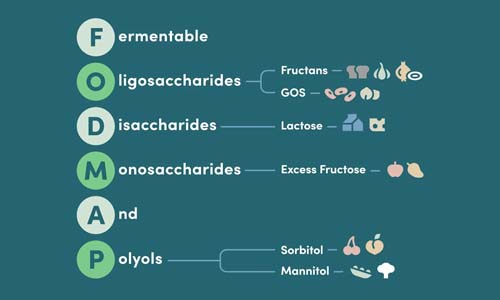
One of the most significant challenges for individuals following a low FODMAP diet is the prevalence of hidden onion and garlic in pre-made spice blends. These ingredients are foundational in many spice mixes, providing a savory depth that is often difficult to replicate without them. Both onion and garlic bulbs are rich in fructans, a type of FODMAP that can trigger digestive distress. As a result, many store-bought seasonings, even those labeled simply as "spice blends," can be problematic. This makes label-reading an essential skill for anyone seeking Recommended clean label low FODMAP spices?.
The journey to a gut-friendly pantry often starts with scrutinizing ingredient lists. Without careful inspection, you might unknowingly introduce high-FODMAP ingredients into your meals. This section aims to equip you with the knowledge to decipher confusing labels and make informed choices, ensuring your spice rack becomes a source of flavor, not frustration. We'll cover common labeling tactics and provide actionable steps to help you avoid common pitfalls.
Decoding 'Spices,' 'Natural Flavors,' and Other Vague Labels
Food manufacturers often use broad terms on ingredient labels that can obscure the presence of high-FODMAP ingredients like onion and garlic. The term "spices" itself is a catch-all that can include anything from safe herbs to problematic powders. More concerning are vague descriptors like "natural flavors" or "flavorings." These are proprietary blends that companies are not required to detail, meaning they could contain onion or garlic derivatives without explicit mention. Even "spices and herbs" listed without further clarification warrants caution.
A chili powder blend might simply list "spices" as an ingredient, potentially including onion powder and garlic powder without naming them. Similarly, "natural flavors" could be used to impart savory notes derived from onion or garlic extracts. The key is to seek transparency. Certified low FODMAP products, like Gourmend's Low FODMAP Taco Seasoning, explicitly list their ingredients and are vetted to ensure they meet strict low FODMAP criteria. This level of detail is what allows for confident consumption.
Your Clean Label Checklist: What to Look For and What to Skip
Building a reliable spice collection requires a proactive approach to label reading. Think of this as your essential checklist for navigating the spice aisle. Always prioritize products where the ingredients are clearly listed and identifiable. Look for single-ingredient spices like pure oregano, basil, or cumin. For blends, your first priority is to skip any that list "onion," "garlic," "onion powder," "garlic powder," "shallots," or "leeks" (unless specified as leek greens) as ingredients.
Beyond direct mentions, be wary of vague terms. If a product lists "spices" or "natural flavors" without further detail, it's often safer to skip it, especially during the elimination phase of the low FODMAP diet. Conversely, look for clear certifications like "Low FODMAP Certified" or "FODMAP Friendly." These labels indicate that the product has undergone rigorous testing and meets specific standards for FODMAP content. Gourmend Foods is committed to this transparency, ensuring our products are truly safe and beneficial for your digestive health.
Clean Label Low FODMAP Spice Checklist
- Look For:
- Single-ingredient herbs and spices (e.g., pure basil, ground cumin)
- Organic certifications
- "Low FODMAP Certified" or "FODMAP Friendly" labels
- Clear, specific ingredient lists (e.g., "chili powder sourced from New Mexico," "garlic scape powder")
- Brands that explicitly state absence of onion/garlic bulbs, fillers, or preservatives
- Skip If You See:
- "Onion," "Garlic," "Onion Powder," "Garlic Powder," "Shallots," "Leeks" (unless specified as leek greens)
- Vague terms like "spices," "natural flavors," "spices and herbs" without further clarification
- Fillers such as corn starch, maltodextrin, or anti-caking agents
- Preservatives or artificial colors/flavors
- Blends that do not carry a low FODMAP certification
Why Single-Ingredient Spices Are Your Safest Starting Point
When you're first establishing your low FODMAP pantry, or even if you're a seasoned low FODMAP cook, single-ingredient spices stand out as the most reliable choice. Their simplicity is their strength. When a product lists only one ingredient, such as dried oregano or ground ginger, you know exactly what you're getting. There's no ambiguity, no hidden components, and no need to decipher complex ingredient lists filled with vague terms. This directness makes them inherently "clean label" and, provided they are pure and free from additives, consistently low FODMAP.
These pure spices allow you to build foundational flavors in your cooking. You can combine them to create custom blends tailored to your taste and tolerance, giving you complete control over your ingredients. While pre-made blends can be convenient, they often introduce the risk of hidden FODMAPs. By prioritizing single-ingredient options like those offered by Gourmend Foods, you eliminate guesswork and can focus on the joy of creating delicious, gut-friendly meals. This approach is fundamental to successfully managing a low FODMAP diet while enjoying culinary exploration.
Frequently Asked Questions About Low FODMAP Spices

Navigating the low FODMAP diet can bring up many questions, especially for frequently used ingredients like spices. It's natural to wonder about specific items, certifications, and how to ensure your pantry aligns with your dietary needs. We've compiled some of the most common inquiries to provide clear, evidence-based answers, helping you cook with confidence and enjoy delicious meals without digestive upset. Understanding these details is key to mastering the art of flavorful, gut-friendly cooking.
Our goal at Gourmend Foods is to demystify low FODMAP eating. We believe that managing digestive health should never mean compromising on taste or culinary exploration. By addressing these frequently asked questions, we aim to equip you with the knowledge needed to make informed choices, whether you're selecting individual herbs or exploring carefully crafted blends. Let's discover the specifics that matter most for your low FODMAP kitchen.
Can I use chili powder and paprika on a low FODMAP diet?
Yes, you can absolutely use chili powder and paprika on a low FODMAP diet, but with an important caveat: always check the ingredient list. Pure chili powder and paprika, made from ground chili peppers, are generally considered low FODMAP in typical serving sizes, often up to 1 teaspoon according to Monash University guidelines. These spices add warmth, color, and a delightful depth to dishes, from tacos to roasted vegetables. The main concern arises when these powders are blended with other ingredients.
Many commercially prepared chili powders and paprikas include additives like anti-caking agents, or worse, high-FODMAP ingredients such as onion powder and garlic powder. These hidden triggers can turn a potentially safe seasoning into a source of digestive discomfort. For Recommended clean label low FODMAP spices?, it's essential to look for single-ingredient chili powder and paprika or blends that explicitly state they are free from onion and garlic. Gourmend Foods prioritizes transparency, ensuring our seasonings are made with carefully selected, pure ingredients that meet low FODMAP standards.
Tip: Always opt for pure chili powder or paprika, or a certified low FODMAP blend, to avoid hidden onion and garlic.
Is garlic-infused oil safe during the elimination phase?
Garlic-infused oil is a remarkable culinary tool for those on a low FODMAP diet, and yes, it is considered safe even during the elimination phase. The reason for its safety lies in the solubility of FODMAPs. The fructans found in garlic, which are high FODMAP, are water-soluble, not oil-soluble. When garlic is steeped in oil, the FODMAP compounds remain in the garlic solids and do not significantly transfer into the oil itself. This means you can enjoy the aromatic essence and flavor profile of garlic without consuming the high-FODMAP compounds.
To ensure your garlic-infused oil is truly low FODMAP, it's important to use high-quality oil and remove the garlic solids before storing or using the oil. This process, thoroughly researched and recommended by Monash University, allows you to add a savory, garlicky nuance to dressings, marinades, and cooked dishes. While this method provides a garlic flavor, it doesn't replicate the dense texture or specific pungency of garlic cloves, but it serves as an excellent substitute for achieving that desirable savory base in your cooking.
Key Insight: FODMAPs are not oil-soluble, making garlic-infused oil a safe way to add garlic flavor during the low FODMAP elimination phase.
What's the difference between FODMAP Friendly and Monash certification?
Both FODMAP Friendly and Monash University certification are valuable indicators for consumers following a low FODMAP diet, but they represent distinct programs. Monash University, based in Melbourne, Australia, is the research institution that pioneered the identification and classification of FODMAPs. They maintain a comprehensive smartphone app listing tested foods and their FODMAP content, including specific serving sizes. When a product carries the Monash University Low FODMAP Certified™ seal, it means Monash has personally tested that specific product and confirmed its low FODMAP status within defined serving sizes.
FODMAP Friendly certification is an independent program administered by a separate organization that also tests and certifies products for their low FODMAP content. Products bearing the FODMAP Friendly logo have also undergone rigorous testing to ensure they meet specific low FODMAP criteria. While both certifications provide a high degree of confidence, the Monash app is often considered the primary reference for a vast array of foods, including many individual ingredients. Gourmend Foods is proud to have many products certified by FODMAP Friendly, ensuring you have trusted options for your pantry. Understanding these certifications helps you navigate the market with greater assurance when seeking Recommended clean label low FODMAP spices?.
Understanding Certification: Both Monash University and FODMAP Friendly certifications indicate a product has been tested and deemed low in FODMAPs, offering trusted options for your diet.
Are all single-ingredient spices automatically low FODMAP?
While most single-ingredient spices are indeed low FODMAP and excellent choices for a clean label approach, it's not entirely accurate to say *all* of them are automatically safe without any consideration. The vast majority of dried herbs and spices, such as basil, oregano, thyme, rosemary, ginger, cumin, and turmeric, are considered low FODMAP in generous, everyday serving sizes. This means you can use them freely to flavor your meals. Their purity and lack of processing make them ideal for a low FODMAP diet, aligning perfectly with our philosophy at Gourmend Foods.
But a few spices have specific serving size limitations due to trace amounts of FODMAPs. For example, spices like caraway and fennel seed are low FODMAP up to a certain quantity (e.g., 1 teaspoon), beyond which they might become problematic for some individuals. Additionally, while pure spices are safe, it’s always wise to confirm the absence of any additives or fillers, especially if a product isn't certified. The "clean label" aspect is paramount; we ensure our single-ingredient spices are organic and free from any unwanted extras, making them a reliable choice for your Recommended clean label low FODMAP spices? collection. Always refer to reputable resources like the Monash University app for precise serving size guidance on less common spices.
General Rule: Most single-ingredient spices are low FODMAP in typical amounts, but always check serving size guidelines for a few specific options and ensure they are free from additives.