



Organic vs. Conventional Green Onion Salt: What's Really in the Jar

difference between organic and conventional green onion salt
To understand the difference between organic and conventional green onion salt, read the ingredient list, not just the front label. The allium may be green onion tops or bulb onion powder, and salt and anti-caking ingredients vary. “Organic” also has a specific scope; it does not automatically describe every ingredient in a blend.
Key Takeaways
- The front label often hides the real ingredients, so the ingredient list is the only reliable way to compare green onion salt products.
- Some jars contain green onion tops while others rely on bulb onion powder, a distinction that affects flavor and suitability for low FODMAP cooking.
- Anti-caking agents and salt quality differ between brands, and these additives can matter as much as the allium itself.
- The organic certification applies only to the ingredients covered by the standard, so an organic label does not guarantee every component of a blend is organic.
These details matter if you want a particular flavor or are choosing seasonings with digestive sensitivities in mind. Check the jar to compare its ingredients and claims.
Organic vs. Conventional Green Onion Salt: The Short Answer
An organic claim refers to sourcing and production standards, not a guaranteed taste or formula. Depending on its label tier, a jar may contain certified organic ingredients alongside permitted nonorganic ingredients. The ingredient list shows what the blend contains.
Why Most 'Green Onion Salt' Is Really Bulb Onion Salt
Onion salt commonly combines salt with bulb onion powder, sometimes with an anti-caking agent to help it pour. Green onion salt may instead use dried green onion tops, which have a lighter, fresher allium character. Names can be inconsistent, so look for “green onion tops,” “scallion,” or “green onion powder” in the ingredient list.
For a green-top option, Organic Green Onion Salt is blended with organic Green Onion Powder from green onion tops (negi scallions). It is Low FODMAP certified for IBS and stomach sensitivities. That certification describes this blend, not every seasoning labeled green onion salt.
How We Evaluated the Comparison: Four Jar-Level Criteria

Compare details shoppers can verify on the package. These criteria separate the formula from marketing language, including when a prominent “organic” claim says little about the allium itself.
-
Allium source: green onion tops vs. bulb onion powder
Look for the plant part and ingredient form. “Green onion tops” or “scallion” differs from “onion powder,” which usually means bulb onion. If the label says only “natural flavors” or “seasoning,” it may not identify the allium.
-
Salt source and anti-caking stack
Check whether the list specifies sea salt, mineral salt, or another source. Scan for starches or other anti-caking agents, too. These can affect texture and composition; their presence alone does not establish organic status or suitability for a particular diet.
-
Organic label tier (100% vs. 'Made With' vs. 'natural')
“Natural” is not a substitute for organic certification. Read the full statement and ingredient panel to see whether the allium, salt, or other components are represented as organic.
-
FODMAP tolerance and serving size
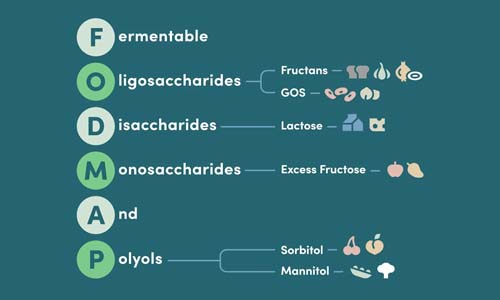
Do not assume onion seasonings share the same FODMAP status. Allium source and serving amount matter; bulb-onion seasoning is not interchangeable with a product carrying specific low FODMAP certification. Follow the certified serving guidance for your chosen product and advice from your qualified health professional.
These checks reveal more about the difference between organic and conventional green onion salt than a front-label comparison. They help distinguish sourcing claims from flavor descriptions and broad marketing terms.
Top Picks by Jar Type: Which Green Onion Salt Deserves Your Pantry Space
These categories rank ingredient transparency and fit for cooks seeking green onion flavor. A clear ingredient list and defined allium source make a jar easier to assess. The right choice depends on its ingredients and your needs.
#1: Certified Organic, Green-Top-First Blends (e.g., Gourmend Green Onion Salt)
Best for: Cooks seeking a certified organic seasoning made with green onion tops and a stated low FODMAP certification. Organic Green Onion Salt pairs organic Green Onion Powder from green onion tops (negi scallions) with mineral-rich salt from a 300-ft deep brine well in Syracuse, NY. Salt is slowly evaporated and hand-packed by a father-daughter team.
The product is naturally free from microplastics and has no fillers, including maltodextrin, starches, or artificial flavors. Its Low FODMAP certification offers a reference for people with IBS and stomach sensitivities. This jar type suits shoppers who want the allium source and certification stated clearly.
#2: Conventional Onion Salt (Bulb Onion Powder + Anti-Caking Agents)
Best for: Cooks who want familiar bulb-onion seasoning and do not require an organic claim or low FODMAP-certified formula. Conventional onion salt often combines salt and bulb onion powder; some blends include an anti-caking ingredient. Formulas differ, so check the label for salt source and additives.
Pros
- Ingredient lists may make the salt and bulb onion powder easy to identify.
- A familiar option for recipes calling for onion salt.
Cons
- Bulb onion powder is not the same ingredient as green onion tops.
- A conventional formula should not be assumed to meet low FODMAP requirements.
'Made With Organic' and 'Natural' Blends: The Middle Tier
Best for: Shoppers open to a blend containing some organic ingredients, provided the label spells out the rest. “Made with Organic” is a different certification tier from “Organic,” while “natural” alone does not establish organic status. Check which ingredients are organic and whether the allium is green onion or bulb onion.
This category ranks below clearly specified green-top blends if the allium source or ingredient stack is unclear. To judge the difference between organic and conventional green onion salt, prioritize verifiable ingredients and certification details over front-of-jar wording.
Side-by-Side: Organic vs. Conventional Green Onion Salt at a Glance
The Comparison Table: Sourcing, Ingredients, Sodium, Flavor, FODMAP Status
Check the allium’s plant part, the salt, and additional ingredients. Sodium depends on the amount of salt in the blend, not simply on whether it is organic. Compare Nutrition Facts panels using the same serving size.
| Jar type | Allium and sourcing | Other ingredients | Flavor and FODMAP considerations |
|---|---|---|---|
| Certified organic, green-top-first blend | Look for organic green onion tops or scallions named in the ingredients. | Check the salt source and whether the formula lists fillers or anti-caking agents. | Green tops provide a different allium profile from bulb powder. Check for product-specific low FODMAP certification and serving guidance. |
| Conventional onion salt | Often lists bulb onion powder; confirm the plant part on the label. | May include an anti-caking agent. Formulas vary by jar. | Expect a bulb-onion seasoning profile. Do not assume it is low FODMAP. |
| “Made with organic” or “natural” blend | Organic status may apply to some ingredients; “natural” alone does not establish organic certification. | Read the full ingredient list to identify the salt and other components. | The allium source and serving suitability depend on the stated ingredients and product guidance. |
Organic Green Onion Salt lists organic Green Onion Powder from green onion tops (negi scallions) and mineral-rich salt from a 300-ft deep brine well in Syracuse, NY. It is Low FODMAP certified for IBS and stomach sensitivities.
What the Allium Research Says: Flavonols, Quercetin, and Pesticide Residues
Research on onions suggests possible differences in plant compounds, not a guaranteed nutritional advantage for every organic seasoning. Natural Grocers, citing allium research, reports higher total flavonols and quercetin in organically grown onions than in conventional onions. SPUD.ca reports that organic soil treatment was associated with roughly 20% higher flavonols than conventional onions. These findings concern onions and growing conditions; they do not establish the flavonol content of finished green onion salt.
This helps explain one factor that can contribute to differences in organic production costs, but does not establish the value or quality of an individual seasoning.
The 3-Step Jar-Label Test Before You Buy
The certification wording describes the organic claim, while the ingredient list shows what is in the blend.
- Identify the allium. Look for green onion tops, scallions, or green onion powder if that is the ingredient you want. “Onion powder” generally indicates bulb onion; the names are not interchangeable.
- Read the full ingredient stack. Note the salt source, any starch or other anti-caking ingredient, and which components are identified as organic. Compare sodium per serving on each Nutrition Facts panel.
- Check certification and tolerance guidance. Confirm the organic label tier, then look for product-specific low FODMAP certification and serving instructions if you follow a low FODMAP plan. Organic Green Onion Salt has a stated Low FODMAP certification; do not generalize that status to other onion salts.
This label-first approach distinguishes sourcing claims from formula details and shows which allium, salt, and added ingredients are in the jar.
Using Green Onion Salt in the Kitchen: Flavor, FODMAP Servings, and Swaps
Green onion salt adds an allium note, but flavor and serving guidance depend on the jar’s ingredients. Green onion tops taste lighter and fresher than bulb onion powder. If digestive sensitivities matter to you, check product certification and serving instructions rather than treating onion seasonings as interchangeable.
Why Green Onion Tops Taste Brighter Than Bulb Onion Powder
Green onion tops have a mild, grassy allium character that works well as a finishing seasoning. Bulb onion powder tends to taste rounder and more concentrated, with a familiar savory flavor. The difference is noticeable in eggs, potatoes, and popcorn, where few other ingredients mask the seasoning.
Organic Green Onion Salt is made with organic Green Onion Powder from green onion tops (negi scallions) and mineral-rich salt from a 300-ft deep brine well in Syracuse, NY. Its Low FODMAP certification offers a defined option for cooks seeking green-top flavor. Try it where you would use onion salt, then adjust to taste.
Low FODMAP Serving Guidance: Green Top Salt vs. Onion Salt
Green onion tops and bulb onion powder are not the same ingredient for low FODMAP cooking. Monash University’s serving-size guidance for green onion and scallion tops can inform your choices, but a seasoning’s suitability also depends on its formula and serving amount. During a structured elimination phase, use the certified serving guidance for the specific jar you choose.
There is no universal serving size for green onion salt because the proportions of allium and salt vary. If you have IBS or another digestive concern, follow your health professional’s guidance. A low FODMAP certification applies to the specified product and serving, not all seasonings with similar names.
Three Quick Uses: Scrambled Eggs, Roasted Vegetables, Finishing Popcorn
- Scrambled eggs: Lightly season the beaten eggs before cooking, then taste before adding more salt. A small pinch adds a gentle allium note without chopped onion.
- Roasted vegetables: Toss vegetables with oil and roast until tender. Add a pinch after cooking to retain the fresher flavor.
- Finishing popcorn: Sprinkle a little over warm popcorn and toss. Start lightly, since the blend already contains salt.
The allium source shapes flavor, while formula and serving guidance matter for dietary fit. For more meal ideas, explore Gourmend’s recipe collection and conversion tools through the site navigation.
FAQ: Green Onion Salt Questions, Answered
Is green onion salt the same as onion salt?
No. Green onion salt may use dried green onion tops, while onion salt commonly uses bulb onion powder mixed with salt. Check for “green onion,” “scallion,” or “onion powder”; the plant part can affect taste and suitability for your cooking needs.
Does organic green onion salt taste different?
Organic status alone does not guarantee a distinct flavor. Allium source, drying, grind, and salt ratio affect taste more directly. A green-top blend may taste lighter than bulb-onion salt, whether organic or conventional. Compare ingredients and try a small amount in a familiar dish.
Is green onion salt low FODMAP, and how much can I use?
It depends on the blend and serving. Green onion tops have different low FODMAP guidance from bulb onion powder, so check for product-specific certification and follow its serving guidance. Organic Green Onion Salt is Low FODMAP certified for IBS and stomach sensitivities; do not generalize that certification to other jars.
Is organic worth it for a seasoning blend?
That depends on what you value. Organic certification covers production standards, while the ingredient panel shows the allium and other components. If organic sourcing matters, check the label tier and which ingredients it covers. Assess allium source and serving guidance separately for flavor or digestive considerations.
Frequently Asked Questions
Does green onion need to be organic?
Green onion does not need to be organic, but choosing certified organic green onion salt guarantees the sourcing and production standards behind the seasoning.
Are organic onions healthier than conventional onions?
Organic onions are not proven to be healthier than conventional onions in terms of nutrition. The organic label describes sourcing and production standards rather than a guaranteed taste, formula, or health outcome, so the ingredient list remains the best guide to what a blend actually contains.
What's better, onion salt or onion powder?
Onion powder is better when you want to control salt levels, while onion salt is better for convenient, pre-seasoned dishes. Onion salt typically combines salt with bulb onion powder and sometimes an anti-caking agent, so read the label to see the salt source and any additional ingredients.
Which green onion is best for seasoning salt?
Green onion tops, also called negi scallions, are the best choice for an authentic green onion salt because they deliver a lighter, fresher allium character than bulb onion powder. Look for 'green onion tops,' 'scallion,' or 'green onion powder' in the ingredient list to confirm the allium source.
What do Mexicans call green onions?
In Mexico, green onions are commonly called cebollitas or cebollines, and grilled green onions are a popular accompaniment to carne asada. In ingredient lists, they may also appear as scallions or green onion tops, terms worth checking when comparing green onion salt products.
How can I tell if green onion salt is made from green onion tops or bulb onion?
Read the ingredient list rather than the front label to identify the allium source. 'Green onion tops' or 'scallion' indicates the green part of the plant, while 'onion powder' usually means bulb onion. Vague terms like 'natural flavors' or 'seasoning' may not identify the allium at all.
Does organic green onion salt differ in taste from conventional versions?
The taste difference comes more from the allium source than from organic certification itself. Green onion tops offer a lighter, fresher flavor, while bulb onion powder tastes like standard onion salt. An organic claim covers sourcing and production standards, not a guaranteed flavor or formula.