



Low FODMAP Juices: Serving Sizes and Ingredients to Check

Best Low FODMAP Juices to Drink
Navigating the low FODMAP diet can feel like a culinary puzzle, especially regarding refreshing beverages. Many people turn to juice for a burst of flavor and nutrients, but the high fructose content in many fruits can lead to digestive distress. If you seek variety beyond plain water or feel limited in your beverage choices, understanding which low fodmap juices are safe and in what quantities is key to enjoying your journey without missing out on delicious flavors.
At Gourmend Foods, our mission is to help you savor every bite and sip, no matter your digestive needs. We believe that clean, flavorful food and drink are accessible to everyone. That’s why we’ve explored the science behind low FODMAP living to bring you clarity on what’s safe to enjoy. This guide is designed to equip you with the knowledge to confidently select or prepare delicious low fodmap juices, ensuring your gut stays happy while your taste buds are delighted.
The Complete List of Low FODMAP Juices: 12 Options With Safe Portion Sizes
Finding juices that align with a low FODMAP diet does not have to be a challenge. While many commercial juices can be high in fructans or excess fructose, several options are perfectly suited for enjoyment when consumed in appropriate serving sizes, as recommended by Monash University, the leading authority in FODMAP research. These guidelines are essential because even low FODMAP fruits can become high FODMAP in larger quantities due to their sugar content. We have compiled a list to help you navigate your choices, ensuring you can enjoy a refreshing glass without the worry of digestive upset. Remember, consistency in serving size is as important as the type of juice itself.
Low FODMAP Fruit Juices You Can Drink Today
Regarding fruit juices, a few stand out as safe and satisfying choices for a low FODMAP lifestyle. Freshly squeezed orange juice, for example, is naturally free of FODMAPs (0g per 120ml), making it a fantastic option. Reconstituted orange juice is also low FODMAP at a 120ml serving. Cranberry juice offers a tart and refreshing alternative; Monash University lists it as low FODMAP at a generous 200ml serving, which is great news for those who enjoy its distinct flavor. Pineapple juice is another delightful choice, considered low FODMAP at 125ml (about half a cup). Even though many fruits can be high in FODMAPs, these specific juices, when consumed within their tested limits, provide a welcome source of flavor and hydration.
Vegetable Juices and Tomato-Based Options
Beyond fruit, several vegetable-based juices can be enjoyed on a low FODMAP diet. Tomato juice is generally considered low FODMAP, though it is wise to check labels for added high FODMAP ingredients like onion or garlic powder. A standard serving of pure tomato juice is typically well-tolerated. Carrot juice is also a good option, offering a touch of sweetness and a wealth of nutrients without triggering symptoms. For those who appreciate a savory profile, a small serving of vegetable juice blends, provided they are made with low FODMAP vegetables and free from high FODMAP additives, can be a welcome addition to your diet. These options expand your choices beyond the usual fruit-based selections.
Juices to Avoid: High FODMAP Categories Explained
The primary reason certain juices are high in FODMAPs is their sugar composition. Apple juice, for example, is high FODMAP at any serving size due to its high levels of fructose and sorbitol, a type of polyol. Similarly, white grape juice can also cause digestive issues for many individuals on a low FODMAP diet. While some sources might suggest small servings of apple or grape juice, it is essential to rely on Monash University's FODMAP data, which clearly identifies these as problematic. Juices made from fruits like mango, pear, and cherry are also typically high in FODMAPs and should be avoided during the elimination phase. Always scrutinize labels for concentrated fruit juices, high fructose corn syrup (HFCS), honey, or agave nectar, as these are common high FODMAP sweeteners found in many commercial beverages.
A Note on Serving Sizes: The low FODMAP diet is inherently portion-dependent. What might be high FODMAP in a large glass could be perfectly fine in a small, measured serving. Always refer to the Monash University FODMAP Diet app for the most accurate, up-to-date serving sizes.
| Juice Type | Low FODMAP Serving Size | Notes |
|---|---|---|
| Orange Juice (Freshly Squeezed) | 120ml / ~1/2 cup | Naturally free of FODMAPs. |
| Orange Juice (Reconstituted) | 120ml / ~1/2 cup | Low FODMAP at this serving. Higher amounts may trigger symptoms. |
| Cranberry Juice | 200ml / ~3/4 cup | A generous serving size makes this a great choice. |
| Pineapple Juice | 125ml / ~1/2 cup | Enjoy in moderation. |
| Tomato Juice | 150ml / ~2/3 cup | Check for added high FODMAP ingredients. |
| Carrot Juice | 100ml / ~scant 1/2 cup | Generally well-tolerated. |
Why Some Juices Trigger Symptoms: The Fructose-to-Glucose Ratio Explained

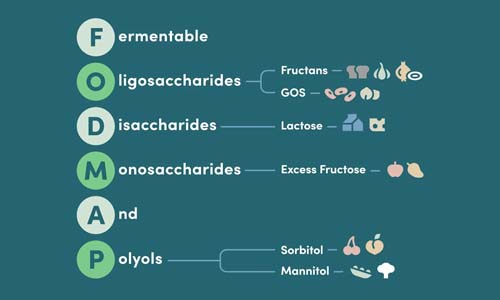
Understanding the science behind FODMAPs is essential for making informed choices about your diet, especially regarding seemingly healthy options like fruit juices. The term FODMAP is an acronym for Fermentable Oligosaccharides, Disaccharides, Monosaccharides, and Polyols. These are short-chain carbohydrates that are poorly absorbed in the small intestine. When they reach the large intestine, they are rapidly fermented by gut bacteria, producing gas and drawing water into the bowel, which can lead to the uncomfortable symptoms associated with IBS, such as bloating, pain, and altered bowel habits. Not all sugars are created equal in terms of their FODMAP potential; the balance of specific sugars within a juice plays a significant role.
What Makes a Juice High or Low FODMAP
The FODMAP content of a juice is primarily determined by the types and amounts of fermentable carbohydrates present. For example, fruits high in fructose that is not balanced by glucose, or those containing polyols like sorbitol or mannitol, will result in high FODMAP juices. Fructose is a monosaccharide, and when it is present in excess of glucose, it is poorly absorbed. Similarly, fructans (chains of fructose molecules) and galactans are also significant FODMAPs found in some fruits and vegetables. The low FODMAP diet aims to reduce these specific types of carbohydrates to minimize fermentation and symptoms. The key is that certain fruits, even when juiced, retain these problematic sugars in concentrations that exceed safe thresholds for many individuals, particularly during the elimination phase of the diet.
Free Sugars vs. Total Fructose: Why Serving Size Matters
While many fruits naturally contain fructose, it is the ratio of fructose to glucose and the total amount of certain fermentable sugars that determine if a juice is low FODMAP. When fructose is present in a greater amount than glucose, it requires a specific transporter (GLUT5) for absorption in the gut. If there is too much fructose relative to glucose, this transporter becomes saturated, leading to unabsorbed fructose reaching the colon and causing symptoms. This is why even a naturally sweet fruit like an apple can yield a high FODMAP juice; it contains excess fructose and sorbitol. Monash University's research provides precise serving sizes, typically around 120-200ml, for juices that remain low FODMAP. Consuming more than these recommended amounts can push the total FODMAP load beyond what the gut can comfortably process, even with inherently low FODMAP fruits.
The Science on Apple vs. Grape Juice: A notable study published in PubMed (2017) found that white grape juice caused significantly lower breath hydrogen levels compared to apple juice, indicating better tolerance. This aligns with Monash University's data, which classifies apple juice as high FODMAP, while certain grape juices, in specific small servings, can be low FODMAP. These findings underscore the importance of specific fruit types and their sugar profiles.
What the Research Says About Apple vs. Grape Juice
The distinction between apple and grape juice is a common point of confusion for those on a low FODMAP diet. Research, including a study from PubMed in 2017, has highlighted significant differences in how these juices are tolerated. The study indicated that white grape juice resulted in substantially lower breath hydrogen levels than apple juice, a marker for carbohydrate fermentation in the gut. This suggests that, in general, white grape varieties might be better tolerated in small quantities compared to apples. Though, it is essential to remember that even "better tolerated" juices can become high FODMAP if consumed in excess. Monash University's comprehensive database is the gold standard, and it lists apple juice as high FODMAP at all serving sizes due to its high fructose and sorbitol content. While some grape juices can be low FODMAP in small amounts (e.g., 125ml), it is always best to consult Monash data for specific types and quantities.
Label Decoding 101: How to Spot Hidden FODMAPs in Any Juice Bottle
Navigating the low FODMAP diet requires a keen eye, especially regarding beverages like juices. While many labels boast fruit content, they can also hide high FODMAP ingredients or sweeteners that can lead to digestive discomfort. Learning to read and understand ingredient lists is an essential skill that enables you to make confident choices, even when you are away from home or exploring new brands. This section is designed to equip you with the knowledge to decipher juice labels, helping you identify potential triggers and select options that align with your gut-friendly lifestyle.
The low FODMAP diet is about more than just avoiding certain fruits; it is about understanding how ingredients are processed and what additives might be present. Many commercial juices, even those made from fruits that are generally considered low FODMAP in moderation, can be problematic due to added sugars or concentrates. For example, apple juice concentrate is a common ingredient that significantly increases the FODMAP load. Recognizing these common culprits on a label can save you from an unpleasant digestive experience. Our goal at Gourmend Foods is to make this process less daunting, providing you with practical tools to navigate the grocery aisles with ease.
Seven Additives That Signal High FODMAP Content
When scrutinizing a juice label, certain ingredients should immediately raise a flag if you are following a low FODMAP diet. High fructose corn syrup (HFCS) is a primary offender, as it is a concentrated source of fructose. Honey and agave nectar are also high in fructose and should be avoided. Apple juice concentrate or pear juice concentrate are frequently used as sweeteners but are concentrated sources of FODMAPs. Look out for sorbitol, mannitol, or xylitol, which are polyols often found in "sugar-free" or diet beverages and can trigger symptoms. Even "natural flavors" can sometimes contain high FODMAP ingredients, though this is harder to ascertain without direct manufacturer information. Finally, inulin or fructooligosaccharides (FOS) are added fibers that are high in fructans.
Green Light Ingredients
- Pure fruit juice (within Monash serving sizes)
- Pure vegetable juice (within Monash serving sizes)
- Water
- Ascorbic acid (Vitamin C)
- Citric acid
- Maple syrup (in moderation)
- Rice syrup
Red Flag Ingredients
- High Fructose Corn Syrup (HFCS)
- Honey
- Agave Nectar
- Apple Juice Concentrate
- Pear Juice Concentrate
- Sorbitol, Mannitol, Xylitol, Isomalt (Polyols)
- Inulin / FOS (Fructans)
- Concentrated fruit juices (unless verified low FODMAP)
- Certain "Natural Flavors" (if derived from high FODMAP sources)
Low FODMAP Sweeteners to Look For Instead
Fortunately, not all sweeteners are off-limits. When choosing juices or making your own, opt for those sweetened with ingredients that are well-tolerated on a low FODMAP diet. Maple syrup, in moderation (typically up to 2 tablespoons or 40ml per serving), is a good choice as it is low in FODMAPs. Rice syrup is another excellent low FODMAP sweetener. Some juices might use small amounts of glucose or dextrose, which are generally well-absorbed and do not contribute to FODMAP issues. When you encounter juices sweetened with these alternatives, and the fruit base itself is also low FODMAP within the serving size, you are likely on the right track for a gut-friendly beverage. Always cross-reference with the Monash University app for precise serving sizes.
Red Flag Words vs. Green Light Words: A Quick Reference
To simplify label reading, think of certain words as "red flags" signaling potential high FODMAP content, while others are "green lights" indicating safety. Red flag words include "concentrate" (especially for apple, pear, mango), "high fructose corn syrup," "agave," "honey," and specific polyols like "sorbitol" or "mannitol." On the other hand, "pure juice" (from low FODMAP fruits/veg), "water," "citric acid," "ascorbic acid," and "natural sweeteners" like maple syrup or rice syrup (when followed by appropriate serving size guidance) are generally green lights. Remember, even with green light ingredients, serving size is paramount. This knowledge transforms juice shopping from a guessing game into an informed decision, ensuring you can enjoy delicious, safe low FODMAP juices.
Enable Your Choices: Understanding how to read labels is a powerful tool. It allows you to move beyond just a list of approved juices and independently assess new products, giving you more freedom and confidence in your low FODMAP journey. Always double-check serving sizes listed on the nutritional panel against Monash University guidelines.
DIY Low FODMAP Juices: 3 Easy Blends You Can Make at Home
One of the most rewarding aspects of the low FODMAP diet is discovering that delicious, gut-friendly food and drink are entirely possible. While store-bought juices can be tricky to navigate, crafting your own allows for complete control over ingredients and portion sizes. Making your own low fodmap juices means you can ensure they are free from high FODMAP additives and sweeteners, and precisely portioned according to Monash University guidelines. This approach not only guarantees safety but also opens up a world of fresh, bright flavor combinations that cater specifically to your digestive needs. We believe that enjoying flavorful beverages should be a simple pleasure, not a source of anxiety.
At Gourmend Foods, we’re passionate about helping you create satisfying culinary experiences. These recipes are designed to be straightforward, using readily available low FODMAP ingredients. They offer a refreshing alternative to plain water and provide a delightful way to incorporate more fruits and vegetables into your diet safely. Each recipe emphasizes fresh flavors and simple preparation, proving that a low FODMAP lifestyle can be both gourmet and accessible. Preparing these at home also allows you to use high-quality, organic ingredients, aligning with our brand's commitment to clean eating.
Citrus Sunrise: Orange, Carrot, and Ginger
This bright and zesty blend offers a refreshing start to your day or a revitalizing afternoon pick-me-up. The sweetness of orange is balanced by the earthy notes of carrot, with a hint of warming ginger to add complexity. Oranges are naturally low FODMAP, and ginger is also considered safe. Carrots are low FODMAP in moderate amounts. This recipe uses these ingredients in proportions that keep the overall FODMAP content low.
Citrus Sunrise: Orange, Carrot, and Ginger
Yields: Approx. 350ml (2 servings)
Prep time: 5 minutes
Ingredients:
- 2 medium oranges, peeled and quartered
- 2 medium carrots, trimmed and chopped
- 1-inch piece of fresh ginger, peeled
- 120ml (1/2 cup) water (optional, for smoother consistency)
Instructions:
- Juice the oranges, carrots, and ginger using a juicer. If you do not have a juicer, you can blend these ingredients with the water in a high-powered blender until smooth, then strain through a fine-mesh sieve or cheesecloth.
- Serve immediately.
FODMAP Notes: This recipe yields approximately 350ml. Each 175ml serving is low FODMAP, based on the low FODMAP status of oranges, carrots, and ginger. Enjoy within recommended serving sizes.
Cranberry Grape Refresher
For those who enjoy a tart yet sweet beverage, this combination is perfect. Pure cranberry juice is low FODMAP in generous amounts, and certain grape varieties can also be included in moderation. This recipe uses a base of low FODMAP cranberry juice and adds a touch of low FODMAP grape juice for sweetness and depth, ensuring it remains within safe limits.
Cranberry Grape Refresher
Yields: Approx. 300ml (2 servings)
Prep time: 5 minutes
Ingredients:
- 150ml (2/3 cup) 100% pure cranberry juice (check label for no added high FODMAP sweeteners)
- 100ml (scant 1/2 cup) white grape juice (ensure it is low FODMAP certified or from a reputable low FODMAP source)
- 50ml (approx. 3 tbsp) water
- Optional: A few fresh mint leaves for garnish
Instructions:
- Combine the cranberry juice, white grape juice, and water in a pitcher. Stir well.
- Serve chilled, over ice if desired. Garnish with mint leaves.
FODMAP Notes: Each 150ml serving adheres to the low FODMAP guidelines for cranberry juice (200ml) and white grape juice (125ml), keeping the total FODMAP load well within safe parameters.
Pineapple Mint Cooler
Pineapple juice is a delicious tropical option that is low FODMAP in specific serving sizes. Combined with cooling mint and a touch of lime, this drink is incredibly refreshing and perfect for warmer days. Mint is considered safe on the low FODMAP diet, adding a subtle herbal note without any digestive concern. This blend celebrates the natural sweetness and tang of pineapple.
Pineapple Mint Cooler
Yields: Approx. 350ml (2 servings)
Prep time: 5 minutes
Ingredients:
- 125ml (1/2 cup) pure pineapple juice
- 1/2 cup fresh mint leaves
- Juice of 1/2 lime
- 120ml (1/2 cup) water
- Optional: Ice cubes
Instructions:
- In a blender, combine the pineapple juice, mint leaves, lime juice, and water. Blend until the mint is finely incorporated.
- Strain the mixture through a fine-mesh sieve to remove mint particles, pressing gently to extract all the liquid.
- Serve chilled, over ice if desired.
FODMAP Notes: This recipe provides two 175ml servings. Each serving contains 62.5ml of pineapple juice, which is well within the low FODMAP limit of 125ml. Mint and lime are also low FODMAP.
Flavorful Freedom: Creating your own low FODMAP juice recipes means you can explore a spectrum of tastes while maintaining digestive peace. It is a wonderful way to enjoy variety and add a gourmet touch to your daily routine, proving that a restricted diet does not mean a restricted palate. For savory flavor needs, consider our Low FODMAP Taco Seasoning, made with clean, gut-friendly ingredients.
Frequently Asked Questions About Low FODMAP Juices

Navigating the low FODMAP diet often brings up specific questions about common foods and beverages. Juices, in particular, can be a source of confusion due to their varying sugar content and potential for triggering digestive symptoms. We understand that clarity is key to enjoying your journey towards better gut health. This section addresses some of the most common inquiries about whether specific juices are suitable for a low FODMAP lifestyle, providing clear answers based on current research and FODMAP guidelines. Our aim is to help you make informed choices and expand your beverage options beyond water.
The low FODMAP diet is designed to identify and manage individual triggers, and understanding the nuances of fruit and vegetable juices is part of that process. Portion size, fruit type, and processing all play a role in determining a juice's FODMAP status. At Gourmend Foods, we are committed to providing science-based guidance to help you savor delicious flavors without compromising your digestive comfort. Whether you are in the elimination phase or reintroducing foods, these answers will serve as a reliable reference for your low FODMAP juice consumption.
Is orange juice low FODMAP?
Yes, orange juice can be a refreshing and safe choice for many on a low FODMAP diet. Freshly squeezed orange juice is naturally free of FODMAPs, containing 0g of FODMAPs per 120ml serving, according to Monash University. Reconstituted orange juice, which is more common in commercial products, is also considered low FODMAP at a serving size of 120ml (approximately 1/2 cup). But, it is important to be aware that consuming larger quantities of reconstituted orange juice, beyond 160ml, may increase the FODMAP load and potentially lead to symptoms for some individuals. Always check the ingredient list to ensure no high FODMAP sweeteners like HFCS or honey have been added.
Is cranberry juice low FODMAP?
Pure cranberry juice is generally well-tolerated and considered low FODMAP. Monash University lists pure cranberry juice as low FODMAP at a generous serving size of 200ml (about 3/4 cup). This makes it a fantastic option for those seeking a tart and flavorful beverage. But, it is important to choose 100% pure cranberry juice or cranberry juice blends that do not contain high FODMAP sweeteners such as high fructose corn syrup, honey, or agave nectar. Many cranberry juice cocktails or blends are sweetened with these ingredients, which would render them high in FODMAPs. Always verify the ingredient list to ensure you are selecting a product that aligns with low FODMAP principles.
Is pineapple juice low FODMAP?
Pineapple juice is another delightful fruit juice that can be enjoyed on a low FODMAP diet. Monash University designates pineapple juice as low FODMAP when consumed within a specific serving size. You can safely enjoy up to 125ml (approximately 1/2 cup) of pineapple juice. Pineapple contains specific FODMAPs, primarily excess fructose, which is why portion control is key. Consuming more than the recommended 125ml serving could increase the FODMAP content beyond what is typically well-tolerated. Opt for 100% pure pineapple juice and avoid products with added high FODMAP sweeteners or concentrates to ensure it remains a gut-friendly choice.
Is apple juice low FODMAP?
Unfortunately, apple juice is generally considered high FODMAP at any serving size. This is primarily due to its high content of fructose and sorbitol, a type of polyol. Even small amounts of apple juice can contain enough of these fermentable carbohydrates to trigger symptoms in individuals sensitive to FODMAPs. While some sources might suggest very small, specific servings, it is best to adhere to the guidance from Monash University, which classifies apple juice as high FODMAP. If you enjoy the flavor of apples, consider other low FODMAP fruit options or focus on juices that have been scientifically tested and verified as low FODMAP within reasonable serving sizes.
Is grape juice low FODMAP?
The FODMAP status of grape juice can be a bit nuanced, but certain types and specific serving sizes are considered low FODMAP. White grape juice, for example, has been shown in studies to be better tolerated than apple juice, with one PubMed study (2017) noting significantly lower breath hydrogen levels compared to apple juice. Monash University data indicates that white grape juice can be low FODMAP in a serving of 125ml (about 1/2 cup). But, it is essential to check the specific type of grape juice and its ingredients. Red grape juice or blends may have different FODMAP profiles. Always look for pure grape juice without added high FODMAP sweeteners like high fructose corn syrup or honey, and stick to the recommended serving sizes to ensure it remains a safe choice.
Is pomegranate juice low FODMAP?
Pomegranate juice is generally considered high FODMAP due to its fructose content, so it is best avoided during the elimination phase of the diet.
Is Ocean Spray cranberry juice low FODMAP?
Many commercial brands like Ocean Spray cranberry juice contain high fructose corn syrup or other high FODMAP sweeteners, so always check the label carefully to ensure it does not contain ingredients that trigger symptoms.
Can I drink juice during the elimination phase?
Yes, you can drink juice during the elimination phase of the low FODMAP diet, provided you choose wisely and adhere to recommended serving sizes. The key is to select juices that are tested and confirmed as low FODMAP and to consume them in moderation. For example, orange juice (reconstituted) is low FODMAP at 120ml, pure cranberry juice at 200ml, and pineapple juice at 125ml. These serve as excellent examples of beverages that can be enjoyed while managing symptoms. The elimination phase is about reducing overall FODMAP intake, so even low FODMAP juices should be consumed within their specified limits to avoid accumulating too much fermentable carbohydrate. Always check labels for hidden high FODMAP ingredients like concentrated fruit juices (especially apple and pear), honey, or high fructose corn syrup, which can turn an otherwise safe juice into a trigger.