


Low FODMAP Garlic Replacer vs Infused Oils: A Culinary and Digestive Comparison

Low FODMAP garlic replacer vs infused oils comparison.
Missing garlic does not mean settling for flat food. A dry scape-based replacer and garlic-infused oil solve different cooking problems. The right choice depends on whether a recipe needs concentrated seasoning, aromatic fat, moisture, or a lower-fat approach. This Low FODMAP garlic replacer vs infused oils comparison explains the science behind each option and shows where each fits in an everyday kitchen.
Infused oil carries garlic’s fat-soluble aroma without carrying its fructans, while a carefully formulated dry replacer contributes allium flavor without relying on oil. Individual tolerance still matters, especially for people who notice symptoms after rich meals. 🐓
Introduction: Navigating Garlic Flavor on a Low FODMAP Diet
The Challenge: Garlic's Allium Powerhouse vs. Digestive Distress
Garlic brings more than heat. Its sulfur compounds create the savory aroma released during chopping, sautéing, roasting, and crushing. Natural sugars and allium character give sauces and broths a rounded base. The same bulb can be difficult for people sensitive to fructans, a FODMAP carbohydrate found in significant amounts in garlic. Removing it may leave a gap in aroma, savoriness, and finish.
Why This Comparison Matters: Beyond Basic Swaps
A teaspoon of infused oil cannot perform the same job as a dry seasoning. Oil spreads aroma through fat and works well as a sautéing medium, while powder distributes seasoning through dry ingredients and can remain present after cooking. Recipe moisture, cooking temperature, fat content, and desired texture all affect the result. This Low FODMAP garlic replacer vs infused oils comparison focuses on those practical differences rather than treating substitutes as interchangeable.
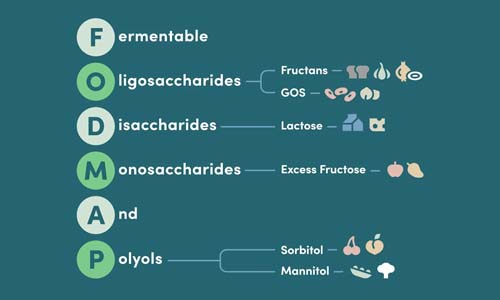
Understanding FODMAPs and Garlic's Role (Fructans)
FODMAPs are short-chain carbohydrates that can be poorly absorbed in the small intestine. Fructans, the main FODMAP concern in garlic, are water-soluble and can move into water-based liquids during cooking. They do not dissolve into pure dietary oil. That distinction explains why a properly made garlic-infused oil may deliver garlic aroma without the same fructan exposure as garlic cloves. Serving size and personal tolerance still deserve attention, and a qualified dietitian can help with an individualized plan.
Our Approach: A Kitchen-Tested Culinary & Scientific Deep Dive
The useful question is not which option wins universally. It is whether a recipe needs an aromatic cooking fat or a seasoning that can travel through dry and wet ingredients alike. The sections ahead examine extraction, label language, food safety, allium flavor, and ingredient design for soups, skillet meals, spice blends, sauces, and baked foods.
The Science & Safety: What's Really in Your Garlic Alternative?

Garlic-Infused Oils: The Chemistry of Flavor Extraction
When garlic contacts warm oil, many aromatic sulfur compounds move into the fat. Those volatile compounds create the familiar garlic nose and a gentler flavor on the tongue than chopped garlic pieces. The oil can carry that aroma through a pan, vinaigrette, or finished dish. Since pure oil does not provide the water phase in which fructans dissolve, a properly prepared product can suit a low FODMAP approach.
Why Fructans Don't Dissolve in Oil: A Solubility Lesson
Fructans are water-soluble carbohydrates, not fat-soluble flavor molecules. They can leach into aqueous liquids within minutes, while pure dietary lipids do not chemically dissolve them. Aroma compounds move into the oil, while fructans remain associated with the garlic solids. This applies only when the finished oil is genuinely oil-based and does not contain garlic pieces, water-based flavoring, or another ingredient that changes its composition.
Potential Pitfalls: Botulism Risks in Homemade Infused Oils
Fresh garlic submerged in oil creates a low-acid, low-oxygen environment where Clostridium botulinum spores may grow. The USDA and FDA identify garlic-in-oil storage as a food safety concern, particularly when homemade oil remains above 38°F for several days. Research guidance cited for this comparison places the risk window around three to four days under those conditions. Homemade batches should not be treated like shelf-stable commercial products. Refrigeration, short storage, or freezing may be advised by food safety authorities, yet the safest choice is to follow current USDA or FDA guidance and discard questionable oil.
Reading Labels: Distinguishing True Infused Oils from Garlic-Flavored Oils
Check whether the label describes an oil infusion or lists garlic pieces, water, juice, puree, or a water-based flavor base. Floating solids deserve caution because they may carry the fructans that the oil itself does not dissolve. A certified low FODMAP statement from a recognized testing program, such as Monash University or FODMAP Friendly laboratory testing, offers more useful evidence than front-label wording alone. Also review serving size, because tolerance is assessed per portion, not merely by the product name.
Low FODMAP Garlic Replacers: The Power of Garlic Scapes & Chives
Dry garlic scape and green onion powders provide plant-based allium notes in a form that blends into rubs, sauces, soups, breadcrumbs, and doughs. Their flavor is more rounded and seasoning-like than infused oil’s top-note aroma. Because the powder contributes solids, it can stay on roasted vegetables or distribute through a dry mix, two functions oil cannot provide. The result suits cooks who want garlic character without adding more fat.
Gourmend's Approach: Utilizing Garlic Scapes & Chives for Allium Depth
Low FODMAP Taco Seasoning is made with garlic scape and green onion powders instead of onion and garlic bulbs. Its single-origin spices, including cumin, coriander, chile, and black lime, create layered seasoning around the allium base. The blend is free from onion bulbs, garlic bulbs, GMOs, gluten, fillers, corn starch, natural flavors, sugar, and preservatives, and it is certified low FODMAP for IBS and digestive conditions.
For cooks seeking a dry option for meat, beans, vegetables, rice, or broth without adding infused oil, Low FODMAP Taco Seasoning offers a practical application of this approach. It supplies allium depth through a measured seasoning blend, especially when fat sensitivity or a dry recipe format limits oil.
Culinary Performance: When to Reach for Powder vs. Oil
The Dual-Trigger Factor: Fat Sensitivity vs. Fructan Intolerance
These options address different digestive considerations. Garlic-infused oil can provide garlic aroma without the fructans found in garlic solids, while a dry scape-based replacer adds allium flavor without cooking fat. Some people with IBS notice symptoms from a high-fat meal even when its ingredients are low FODMAP. In that situation, a measured powder may suit the recipe better than an oil-based substitute. Portion size, the rest of the meal, and personal tolerance should guide the choice.
Application Matrix: Powder vs. Oil Across Cooking Techniques
The most useful Low FODMAP garlic replacer vs infused oils comparison is functional: ask whether the dish needs aromatic fat or seasoning solids. Oil excels in a skillet, vinaigrette, or finishing drizzle. Powder performs better in rubs, coatings, doughs, soups, and recipes where flavor must remain distributed after the fat is absorbed.
| Cooking application | Infused oil | Dry replacer | Preferred choice |
|---|---|---|---|
| Searing and sautéing | Spreads garlic aroma through cooking fat | Seasoning can toast or scorch if added too early | Oil for aroma, powder added later |
| Soups and braises | Rounds the broth with a soft top note | Disperses through the liquid and contributes body | Powder for sustained seasoning |
| Dry rubs and coatings | Cannot distribute without another dry ingredient | Blends with salt, spices, and breadcrumbs | Powder |
| Dressings and marinades | Builds an aromatic oil phase | Needs enough water or acid to hydrate | Either, based on texture |
| Baking | Adds liquid fat and may alter crumb | Fits moisture-sensitive formulas in small amounts | Powder |
High-Heat Searing & Sautéing: Smoke Points and Flavor Burn
Infused oil is usually the more practical starting point for a hot pan because it carries aroma evenly through the cooking fat. Add a dry replacer after meat or vegetables develop color, or stir it into a sauce added near the end. Fine powders can brown rapidly on direct heat, producing bitterness before the main ingredient is cooked. For a lower-fat meal, use a small amount of neutral oil for the pan and add the powder with stock, water, or finishing sauce.
Slow Braising & Simmering: Flavor Infusion and Texture
In a braise, stew, or soup, a dry replacer has an advantage because it enters the aqueous phase and remains part of the seasoning throughout the dish. Infused oil contributes aroma during the initial sauté, yet much of its character may register as a soft surface note. Add powder with broth, tomatoes, or other liquid ingredients, then taste near the end because simmering can mellow sharp allium notes.
Dry Rubs & Seasoning Blends: Solubility and Particle Distribution
Oil is not a substitute for dry seasoning in a rub, breadcrumb coating, popcorn mix, or spice jar. It can clump powders, reduce shelf stability, and prevent even particle distribution. A dry scape or green-onion powder blends with salt, cumin, chile, pepper, and herbs, then adheres when the food’s surface is lightly moistened. This is where Low FODMAP Taco Seasoning fits naturally, supplying allium character within a dry, certified low FODMAP blend.
Dressings, Marinades, and Sauces: Emulsification and Moisture
Infused oil works well in vinaigrettes and marinades because its aromatic compounds occupy the fat phase. Whisking with vinegar, citrus juice, mustard, or another emulsifier helps distribute flavor through each bite. Powder is useful when a sauce needs a direct savory note, though it should be whisked with the liquid phase first to prevent gritty pockets. In a creamy sauce, start with a small amount and allow several minutes for hydration before adjusting.
Baking: Moisture Content and Flavor Stability
Dry replacers are easier to control in savory biscuits, crackers, cornbread, pizza dough, and breadcrumb toppings. They add flavor without changing the recipe’s fat ratio. Infused oil can work in focaccia, roasted doughs, or formulas designed for added oil, but it changes tenderness, spread, and crumb. Use the powder when the formula depends on precise moisture and fat proportions.
Flavor Profile Nuances: Aroma vs. Pungency
Infused oil mainly delivers garlic’s aromatic lift, with a smooth finish and little textural presence. Dried scape-based replacers offer more direct seasoning, a rounded green-allium note, and greater persistence in the finished bite. For a dish built around fragrant olive oil, choose the oil. For food that needs garlic character to remain noticeable after broth, starch, or other ingredients dilute it, choose the dry replacer. This distinction is central to a practical Low FODMAP garlic replacer vs infused oils comparison.
Practical Integration: Making the Most of Your Low FODMAP Garlic Choices
Conversion Ratios: Swapping Garlic Cloves with Replacers and Oils
Start conservatively because dried allium powders vary in strength and garlic-infused oils vary in concentration. For a recipe calling for one garlic clove, begin with about 1/4 teaspoon of a dry scape-based replacer, then taste after hydration. For oil, use 1 to 2 teaspoons in a sauté, dressing, or sauce, reducing another fat by the same amount when the recipe depends on a fixed oil ratio. These are starting points, not universal serving rules. Follow the product label and your individual tolerance, especially during a structured elimination or reintroduction phase.
Beyond Flavor: Enhancing Umami with Broth and Other Allium Notes
A garlic alternative works best as one part of a broader seasoning structure. Add low FODMAP broth to soups, pan sauces, rice, or braising liquid for savory depth, then layer in green onion tops, chives, toasted spices, lemon zest, black pepper, or a small amount of mustard. A dry replacer disperses through broth more evenly when whisked into a few tablespoons of warm liquid first. Infused oil can finish the dish with aroma after cooking. This staged approach gives the palate a grounded savory base and a fresh aromatic note.
Managing Digestive Triggers: When to Prioritize Dry Replacers
Choose a dry replacer when the meal already contains substantial fat, when a recipe needs a dry coating, or when oil has caused discomfort independent of FODMAP content. It is also practical for taco fillings, roasted potatoes, breadcrumb toppings, crackers, and seasoning blends. Keep the portion modest and assess the complete meal rather than one ingredient alone. A dietitian familiar with the low FODMAP diet can help distinguish fructan sensitivity from a response to meal size, fat, or another ingredient.
Storing and Using Your Garlic Alternatives Safely and Effectively
Keep dry powders sealed in a cool, dry cabinet, away from steam rising from the stove. Use a dry measuring spoon to prevent moisture from entering the container, and follow the package date and storage directions. Commercially prepared infused oil should remain refrigerated when the label instructs it, and garlic pieces should not be left submerged in improvised oil at room temperature. The USDA and FDA identify homemade garlic-in-oil mixtures as a botulism concern because of their low-acid, oxygen-limited environment. When storage history is uncertain, discard the oil rather than tasting it to test safety.
Leveraging Gourmend's Expertise: Building Flavor Without the FODMAPs
Low FODMAP Taco Seasoning is made with garlic scape and green onion powders instead of onion and garlic bulbs. It combines those allium notes with chile powder sourced from a small grower in New Mexico, hand-picked cumin from the Hindu Kush mountains, coriander from the Red River in Vietnam, and black lime from a family farm in Guatemala. All spices are hand-picked, single-origin, and cultivated without harmful additives. The blend is certified low FODMAP for IBS and digestive conditions.
Use Low FODMAP Taco Seasoning in ground meat, beans, roasted vegetables, rice, or broth-based fillings when a dry seasoning must remain present from the first stir to the final bite. Its ingredient design makes it useful for cooks comparing aromatic oil with a measured, allium-forward powder. 💚
 Organic Garlic Chive PowderGarlic flavor from freeze-dried organic garlic chives, without the garlic bulb.Shop now
Frequently Asked Questions: Clarifying Low FODMAP Garlic Alternatives
Can I use garlic-infused oil in a dry rub?
Not as the main dry seasoning. Oil can make a rub clump and distribute unevenly. Use a dry scape or chive replacer with the spices, then brush the food lightly with oil if needed for browning.
Why does garlic-infused oil taste different from fresh garlic?
Oil extracts many aromatic compounds but not the full texture, water-soluble components, or fresh pungency of a chopped clove. It gives a smoother fragrance, while a dry replacer supplies more direct seasoning.
What's the difference between garlic-infused oil and garlic-flavored oil?
An infused oil gains aroma from garlic contacting the fat. Garlic-flavored oil may use natural flavor, water-based ingredients, or other flavoring systems. Read the ingredient list and look for a credible low FODMAP testing statement.
Are there any low FODMAP garlic powders besides those made from scapes or chives?
Options vary by formulation and serving size. Do not assume that powdered garlic bulb is low FODMAP. Check laboratory certification, ingredients, and the stated portion before using a product.
How long can I safely store homemade garlic-infused oil?
Follow current USDA or FDA guidance rather than relying on smell or appearance. Homemade garlic-in-oil mixtures can support botulism growth, so refrigerate or freeze only according to authoritative instructions and discard oil with uncertain storage.
When is it better to use a dry replacer over an infused oil for digestive reasons?
Choose the dry option when rich meals or added fat trigger symptoms, or when you need allium flavor without another oil source. Personal tolerance remains the deciding factor.
Frequently Asked Questions
Can I have garlic-infused oil on a low FODMAP diet?
Properly made garlic-infused oil can fit a low FODMAP diet because fructans do not dissolve into pure oil. Choose a product without garlic pieces, water-based ingredients, or puree, and follow the listed serving size. Individual tolerance still matters, especially with rich or high-fat meals.
What can I substitute for garlic that is low FODMAP?
Low FODMAP garlic substitutes include garlic scape or garlic chive seasonings and properly made garlic-infused oil. Dry scape-based replacers add mild, rounded allium seasoning to rubs, soups, sauces, and baked foods, while infused oil adds garlic aroma and cooking fat. Choose based on the recipe’s moisture, texture, and fat needs.
Is there a difference between garlic oil and garlic-infused oil?
Garlic-infused oil carries garlic aroma extracted into oil, while the phrase garlic oil may describe several products with different ingredients. A suitable low FODMAP option should be genuinely oil-based and free from garlic pieces or water-based flavoring. Check the ingredient list and serving guidance before using it.
Which brand of garlic-infused oil is low FODMAP?
A garlic-infused oil is a suitable low FODMAP choice when its ingredients and testing support that status, rather than its brand name alone. Look for recognized certification, such as Monash University or FODMAP Friendly testing, and confirm that the product contains no garlic solids or water-based ingredients. Gourmend also offers FODMAP Friendly certified dry garlic scape and green onion seasonings for cooks who prefer a no-oil replacer.
Is Trader Joe’s garlic-infused olive oil low FODMAP?
Trader Joe’s garlic-infused olive oil should be checked against its current label and serving size before being included in a low FODMAP plan. A suitable product should be oil-based without garlic pieces, water, juice, or puree, since those ingredients can change its FODMAP profile. Product formulas and labels may change, so verify the package or contact the manufacturer.
Which is better, a low FODMAP garlic replacer or garlic-infused oil?
A low FODMAP garlic replacer is better for dry seasoning and recipes that need allium flavor to remain throughout the dish, while garlic-infused oil is better for sautéing, dressings, and aromatic fat. Gourmend garlic scape and green onion powders add mild, rounded seasoning without adding oil. The best choice depends on the recipe’s texture, moisture, and fat requirements.
Can homemade garlic-infused oil be stored safely?
Homemade garlic-infused oil requires careful food safety handling because fresh garlic in oil can support Clostridium botulinum growth under low-acid, low-oxygen conditions. Follow current USDA or FDA guidance, refrigerate or freeze only as directed, store for a short period, and discard questionable batches. Commercial shelf-stable products should not be treated as equivalent to homemade oil.