


Low FODMAP Drink Guide: Sodas, Teas, Alcohol, and Shelf Brands

low fodmap drink
Choosing a low FODMAP drink starts with more than checking for fruit sugars. Sweeteners, serving size, caffeine, and carbonation can all affect how a beverage feels, so a label that looks suitable may not match your personal tolerance.
Key Takeaways
- Check sweeteners and serving size on a low FODMAP drink label because these factors can cause symptoms even when fruit sugars are not present.
- Caffeine and carbonation levels influence how a beverage affects your digestion, so personal tolerance varies beyond FODMAP content alone.
- A drink label that appears suitable for a low FODMAP diet may still lead to discomfort if the serving size is larger than your body can handle.
- Understanding how different sweeteners interact with your gut helps you select a low FODMAP drink that supports your digestive comfort.
This guide separates FODMAP content from other common triggers and offers practical ways to assess ingredients, serving sizes, and your own response.
Your Gut-Friendly Hydration Toolkit: Navigating Low FODMAP Drinks
Many drinks can fit a low FODMAP approach when their ingredients and serving sizes are suitable. Check for polyols such as sorbitol and xylitol, and remember that caffeine or bubbles may cause symptoms for reasons separate from FODMAP fermentation. A drink’s effect depends on its ingredients and your individual sensitivity.
The Challenge: Beyond Just FODMAPs
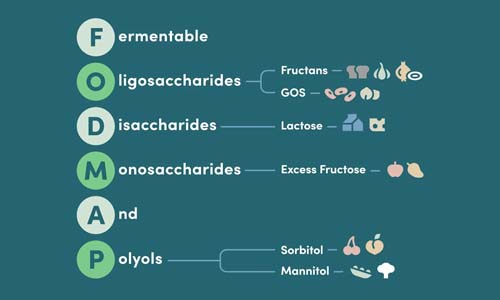
FODMAPs are fermentable carbohydrates that can draw water into the gut or ferment in the large intestine. Other factors can also cause discomfort. Caffeine may prompt bowel urgency in some people, while carbonation adds swallowed gas that can contribute to pressure or distension. These effects do not make a drink high FODMAP; they are separate considerations when tracking symptoms.
Why This Guide is Different: FODMAPs vs. Triggers
Read a beverage label in two passes. First, look for ingredients that may add FODMAPs, including certain fruit concentrates and sugar alcohols. Next, consider non-FODMAP factors such as caffeine, acidity, bubbles, and portion size. Monash University and FODMAP Friendly laboratory testing can help establish tested serving limits, but those limits do not predict how every person will respond to carbonation or caffeine.
Gourmend's Promise: Flavor & Functionality
When a meal needs savory depth without onion or garlic bulbs, the Low FODMAP Taco Seasoning offers a food-focused flavor option. Made with garlic scape and green onion powders instead of onion and garlic bulbs, it is certified low FODMAP for IBS and digestive conditions. It is a seasoning, not a beverage ingredient, so assess drinks by their own labels and portions.
Keeping food choices and drink triggers distinct can make symptom notes easier to interpret.
Decoding Sweeteners: The Sweet Spot for Your Gut
The sweetener name offers a useful first clue, but the full ingredient list and amount per serving matter. Some intense sweeteners do not contain FODMAP carbohydrates, while polyols can be problematic at relevant portions. Check a new drink’s serving size before deciding whether it fits your routine.
Understanding Intense Sweeteners: Stevia, Sucralose, and Aspartame
Sucralose and aspartame do not contain fermentable oligosaccharides, disaccharides, monosaccharides, or polyols, so those sweeteners themselves are not FODMAPs. Stevia is also commonly used in low-sugar drinks. A product may contain other sweeteners or flavoring ingredients, so check the whole list rather than relying on a front-label claim such as “zero sugar.”
The Polyol Pitfall: Sugar Alcohols to Watch Out For (Sorbitol, Mannitol, Xylitol, Erythritol)
Scan ingredient lists for sorbitol, mannitol, and xylitol, which are polyols and can add FODMAPs. Erythritol is also a sugar alcohol; tolerance and FODMAP status can vary by amount and testing. These ingredients may appear in reduced-sugar beverages, syrups, or powdered drink mixes. During the elimination phase, follow a tested serving guide where available and ask your dietitian about uncertain ingredients.
Natural Sugars & High-FODMAP Fruit Concentrates
“Natural” does not automatically mean low FODMAP. Fruit juice concentrates can bring concentrated sugars into a small serving, and some fruits are high in excess fructose or polyols. Read the named fruit ingredients and note whether a concentrate or puree appears near the start of the list. Monash testing allows real fruit cordial when diluted to 16 ml of syrup per 144 ml of water, so a standard pour may exceed that tested mixture.
Sweetener Safety at a Glance: A Comparison Table
Use this table as a label-reading aid, not a guarantee of personal tolerance. Ingredient combinations and serving amounts can change the assessment.
| Sweetener or ingredient | What to check | Practical reading |
|---|---|---|
| Sucralose or aspartame | Other sweeteners in the ingredient list | These do not contain FODMAP carbohydrates themselves. |
| Stevia | Blended sweeteners and serving size | Check the complete formula rather than the front label alone. |
| Sorbitol, mannitol, or xylitol | Polyol names in drinks, syrups, and mixes | These can add FODMAPs; portion matters. |
| Fruit concentrate or cordial | Fruit source and dilution instructions | Concentration and pour size affect the total serving. |
Label tip: Start with the serving size, then scan for polyol names and fruit concentrates. If the label lists a sugar alcohol without a clear amount, do not assume a small-looking portion is automatically suitable.
The Soda & Sparkling Showdown: Decoding Carbonated Drinks
For a low fodmap drink, check the sweetener and serving size, then consider carbonation as a separate source of discomfort. A soda can contain no meaningful FODMAP ingredients and still cause pressure or distension. Formulas can change, so read the current label rather than relying on a familiar name or a “diet” or “zero sugar” claim.
Demystifying Diet Coke & Coke Zero: FODMAPs, Sweeteners, and Carbonation
Is Diet Coke low FODMAP? Its commonly listed sweeteners, aspartame and acesulfame potassium, are not FODMAP carbohydrates. The same distinction applies to Coke Zero when its current ingredient list does not include high-FODMAP sweeteners such as sorbitol or xylitol. These drinks may fit a low-FODMAP ingredient check, but caffeine and carbonation can still bother some people. Confirm the label, since formulas may vary by product or location.
Is Sprite Low FODMAP? A Lemon-Lime Look
Is Sprite low FODMAP? Check the specific formula for sweeteners and fruit ingredients. A version sweetened with sugar or non-FODMAP intense sweeteners may be low in FODMAPs at a usual serving, while a reduced-sugar version containing polyols needs closer scrutiny. Lemon-lime flavor alone does not establish FODMAP content. Caffeine-free formulations remove caffeine as one possible trigger, but bubbles may still contribute to discomfort.
Navigating Other Carbonated Beverages: Seltzers, Cream Soda, and More
Plain sparkling water and unflavored seltzer generally avoid the fruit concentrates and sweeteners that can complicate flavored drinks. For flavored varieties, scan for juice concentrate, honey, and polyols such as sorbitol or xylitol. Cream soda and other sweetened sodas call for the same label check: identify the sweetener, then note caffeine and serving size. A “natural” flavor description does not tell you which ingredients provide sweetness.
The Carbonation Conundrum: Why Bubbles Can Still Cause Bloat (Even with Zero FODMAPs)
Carbonation adds dissolved carbon dioxide, and drinking a fizzy beverage can also mean swallowing air. That gas can contribute to belching, fullness, or abdominal distension without fermenting in the gut like a FODMAP. People with visceral hypersensitivity may notice normal digestive sensations more strongly. If symptoms follow a particular soda, the reaction does not show by itself that the drink was high FODMAP; bubbles, caffeine, and portion size are separate factors to track.
Practical Tips for Enjoying Soda Safely: Serving Sizes & Frequency
Try a smaller pour, drink it slowly, and note the product, amount, caffeine, and symptoms in a food log. Compare the response with still water or a noncarbonated option, changing one factor at a time. During an elimination phase, use tested serving guidance where available and follow advice from your registered dietitian. Personal tolerance can differ even when the ingredient profile looks suitable.
Warm Up & Hydrate: Teas, Coffees, and Beyond
Still beverages offer a way to assess caffeine, acidity, milk, and fruit ingredients without carbonation as an added variable. Plain tea, coffee, and water are often straightforward starting points, but additions and serving sizes matter. Check packaged drinks and flavored tea blends for fruit pieces, concentrates, sweeteners, and milk ingredients.
The Low FODMAP Guide to Teas: Black, Green, Herbal, and Specialty Brews
Plain black and green tea are generally low in FODMAPs; their caffeine content may still affect bowel urgency or sensitivity. Herbal teas vary by plant and blend. Check the ingredient list for fruit, chicory root, or sweeteners rather than assuming every botanical infusion is suitable. Brew strength and portion can influence caffeine exposure, so keep them consistent while tracking your response.
Coffee Comfort: Caffeine, Acidity, and Your Gut
Plain brewed coffee contains no significant FODMAP carbohydrates, but caffeine can stimulate bowel activity in some people. Coffee’s acidity may also feel uncomfortable for certain drinkers, though that is not a FODMAP effect. If coffee seems connected to symptoms, compare a smaller serving or decaffeinated coffee and record changes. Keep preparation similar so added milk or sweetener does not cloud the result.
Dairy-Free Milk Swaps for Your Brews: Almond, Soy, Oat, and Lactose-Free Options
Milk choice can change a drink’s FODMAP load. Lactose-free milk avoids lactose, while almond milk is often suitable in tested portions. Soy milk made from soy protein differs from milk made with whole soybeans, which can contain more FODMAPs. Oat milk can vary by brand and serving size. Check the package for added inulin, chicory root, or sweeteners, and use a tested portion when available.
Hydration Heroes: Water, Infused Waters, and Coconut Water
Still water is a simple hydration choice. For infused water, add slices of a fruit you tolerate and remove them before the flavor becomes too concentrated. Monash testing indicates that pre-packaged coconut water shifts from low to high FODMAP at portions above 100 ml, due to sorbitol and fructans. Measure the amount rather than treating a full bottle as one suitable serving.
Drink Bases: What to Check Before You Pour
Juice can concentrate fruit sugars into a small glass. Check the fruit source and serving guidance, and watch for high-fructose fruit concentrates, honey, and added polyols. Monash testing allows real fruit cordial when diluted to 16 ml of syrup per 144 ml of water. Measure both parts of that mixture; a larger pour or stronger dilution may not match the tested serving.
| Drink base | What to check | Practical note |
|---|---|---|
| Plain tea or coffee | Caffeine and added ingredients | FODMAP content and caffeine response are separate considerations. |
| Milk alternative | Source, serving size, and added inulin | Formulas and suitable portions can differ. |
| Coconut water or juice | Fruit source and measured volume | Concentration and serving size affect FODMAP exposure. |
Sipping Smartly: Alcohol, Energy Drinks, and On-the-Go Choices
For a low FODMAP drink, assess ingredients and serving size first, then consider alcohol, caffeine, and carbonation as separate factors. A beverage may contain few FODMAPs yet still affect how you feel. Read the current label, especially on energy drinks and functional waters with several sweeteners or added ingredients.
Alcohol on a Low FODMAP Diet: What's Generally Safe (and What's Not)
Plain distilled spirits, such as vodka, gin, and whiskey, are generally low in FODMAPs, while some dessert wines, liqueurs, and drinks made with fruit concentrates can add high-FODMAP ingredients. Beer and wine vary by type and serving, so follow tested guidance during the elimination phase. Alcohol itself can affect digestion or symptom sensitivity for some people, independent of FODMAP content. If you choose to drink, consider a modest serving with food and track your response. Follow medical advice about alcohol, and avoid it when advised.
Low FODMAP Mixers & Mocktails: Creating Flavorful Drinks
Build a simple mixer from still water, a measured splash of suitable juice, and fresh herbs or citrus. For a cocktail, pair a plain spirit with a mixer whose label has no concerning polyols or fruit concentrates. In a mocktail, use chilled water and a small amount of tolerated fruit or herb for flavor. Ask about ingredients and pour sizes when ordering; “sugar-free” does not tell you whether a drink contains sorbitol or another polyol. If bubbles bother you, choose a still mixer.
Energy Drinks & Functional Beverages: A Deep Explore Bai, Celsius, and Others
Energy drinks and functional waters can combine caffeine, sweeteners, juice ingredients, and added botanicals. No product-category name or front-label claim provides a reliable verdict. Check the exact ingredient list for sorbitol, mannitol, or xylitol, and note the caffeine amount and serving size. Sucralose or aspartame alone does not make a drink high FODMAP, but the full formula still matters. Caffeine may affect bowel urgency or sensitivity even when the ingredients fit a low-FODMAP plan. Try one new beverage at a time and record your response.
Decoding 'Natural Flavors' and Other Label Mysteries
“Natural flavors” does not identify a specific FODMAP ingredient, so the phrase alone cannot determine whether a drink is suitable. Look for named sweeteners, fruit juices, concentrates, and added fibers such as inulin or chicory root. If the label lacks detail, contact the manufacturer or choose a simpler drink with a clearer ingredient list. For a savory meal alongside your beverage, Low FODMAP Taco Seasoning is certified low FODMAP for IBS and digestive conditions. Made with garlic scape and green onion powders instead of onion and garlic bulbs, it seasons food rather than drinks.
Your Go-To Beverage Checklist for Restaurants & Grocery Aisles
Use this quick check before ordering or buying. A straightforward ingredient list helps separate FODMAP concerns from caffeine or alcohol effects. For a meal at home, Low FODMAP Taco Seasoning offers a food-focused way to add savory flavor without onion and garlic bulbs.
- Check serving size and compare it with tested guidance during elimination.
- Scan for polyols, fruit concentrates, inulin, and chicory root.
- Note caffeine, alcohol, and carbonation as possible non-FODMAP triggers.
- Ask restaurant staff about mixers, syrups, and juice additions.
- Choose one new drink at a time, then log the amount and your response.
 Organic Garlic Chive PowderGarlic flavor from freeze-dried organic garlic chives, without the garlic bulb.Shop now
Frequently Asked Questions
What drinks are good for people with IBS?
Water, and drinks with ingredients that fit your low FODMAP serving limits, are common options for people with IBS. Check labels for polyols such as sorbitol, mannitol, and xylitol, plus fruit concentrates. Caffeine and carbonation can also affect symptoms, separately from FODMAP content.
What juice can I drink on a low FODMAP diet?
Some juices may fit a low FODMAP diet in tested portions, but the fruit source and serving size matter. Fruit concentrates can pack more sugars into a small amount, so check the ingredient list and serving guidance. Monash testing allows cordial diluted with 16 ml of syrup per 144 ml of water.
Is Coke Zero FODMAP friendly?
Coke Zero may fit a low FODMAP ingredient check if its current formula has no high-FODMAP sweeteners such as sorbitol or xylitol. Check the label because formulas can vary by product or location. Caffeine and carbonation may still bother some people with IBS.
Is Sprite OK for IBS?
Sprite may fit a low FODMAP approach if its specific formula and serving size suit your tolerance. Check the label for sweeteners and fruit ingredients, since formulas can vary. Carbonation may contribute to gas or pressure, even when a drink’s ingredients are low FODMAP.
What should I drink if caffeine or carbonation bothers my IBS?
Still water is a simple drink to try if caffeine or carbonation seems to worsen your IBS symptoms. Keep notes on the drink, serving size, and symptoms to spot personal patterns. A symptom response to bubbles or caffeine does not by itself mean the drink is high FODMAP.
Is sugar-free soda always low FODMAP?
Sugar-free soda is not automatically low FODMAP, because some products use polyols such as sorbitol or xylitol. Read the full ingredient list and check the serving size rather than relying on a “zero sugar” claim. Caffeine and carbonation are separate factors that can affect comfort.