



Low FODMAP Cheese: Portions and Lactose Content

Key Takeaways
- You can enjoy cheese on a low FODMAP diet by choosing the right types.
- Aged cheeses like cheddar, parmesan, and brie contain less than 0.5g lactose per 40g serving, making them low FODMAP.
- Proper portion sizes are important to maintain low FODMAP intake.
- Aging cheese reduces lactose content, making it easier to digest for sensitive individuals.
Table of Contents
- Low FODMAP Cheeses: A Flavor-First Guide to Gut-Friendly Choices
- What Makes a Cheese "Low FODMAP"?
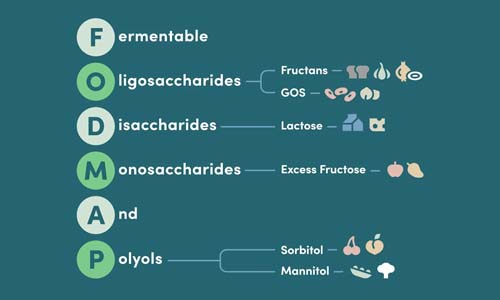
- Understanding Lactose, FODMAPs & Your Digestion
- Low FODMAP Cheese Types & Portion Guidelines
- Hard vs. Soft vs. Vegan Cheeses: FODMAP Breakdown
- Cheese Labels Decoded, Choosing Low FODMAP Like a Pro
- Real-Life Gourmet: Top Low FODMAP Cheeses for Every Occasion
- How to Enjoy Cheese on a Low FODMAP Diet, Techniques & Flavor Hacks
- Cheese, IBS, and Common Pitfalls, Solving Real-World Problems
Low FODMAP Cheeses: A Flavor-First Guide to Gut-Friendly Choices
Yes, you can absolutely enjoy cheese on a low FODMAP diet. Many aged cheeses like cheddar, parmesan, and brie contain less than 0.5g lactose per 40g serving, making them naturally low FODMAP. The key is understanding which cheeses work, proper portions, and how aging transforms lactose into gut-friendly goodness.
If you've been told that managing IBS or following a low FODMAP diet means giving up cheese, we have fantastic news: low FODMAP cheeses can absolutely be part of your flavorful, gut-friendly kitchen. The secret lies in understanding how the cheesemaking process naturally reduces FODMAPs, particularly lactose, through aging and fermentation.
At Gourmend Foods, we've built our entire approach around abundance, not restriction. That's why we're passionate about helping you navigate cheese choices with confidence, because the right knowledge transforms cheese from a "maybe I shouldn't" into an "absolutely I can" moment at every meal.
For those just starting out, our Low FODMAP Pantry Starter Bundle is a great way to stock your kitchen with essentials that pair perfectly with your favorite cheeses. And if you're looking to sample a variety of gut-friendly options, the Low FODMAP Sampler Bundle offers a curated selection designed for easy, delicious meals.
What Makes a Cheese "Low FODMAP"?

The magic happens during the cheesemaking process itself. When milk transforms into cheese, beneficial bacteria consume lactose (the primary FODMAP in dairy) as their food source. Aged cheeses like cheddar and parmesan undergo months or years of this fermentation, leaving behind complex flavors and minimal lactose, typically under 1g per serving.
Here's the science made simple: fresh milk contains about 5g lactose per 100ml, but a 40g serving of aged cheddar contains less than 0.2g. The Monash University research that defines low FODMAP guidelines considers anything under 1g lactose per serving as generally well-tolerated by most people with IBS.
Low FODMAP cheese doesn't mean dairy-free, this is a crucial distinction. Many people assume they need to eliminate all dairy, but the aging process creates naturally gut-friendly options that deliver bold, gourmet flavor. Hard cheeses often contain less lactose than so-called "lactose-free" products that rely on added enzymes.
| Cheese Category | FODMAP Risk | Typical Lactose Content | Flavor Profile |
|---|---|---|---|
| Aged Hard (Cheddar, Parmesan) | Very Low | <0.5g per 40g | Sharp, nutty, complex |
| Semi-Soft (Brie, Havarti) | Low | <1g per 40g | Creamy, mild, buttery |
| Fresh (Cottage, Ricotta) | Moderate | 1-3g per 40g | Light, tangy, versatile |
Understanding Lactose, FODMAPs & Your Digestion
When you eat cheese, your small intestine produces lactase enzyme to break down any remaining lactose into simple sugars. People with lactose intolerance produce less of this enzyme, while those with FODMAP sensitivity may struggle with the fermentation that occurs when undigested lactose reaches the large intestine.
FODMAP sensitivity and lactose intolerance often overlap but aren't identical. FODMAP sensitivity involves multiple carbohydrates (not just lactose) that can trigger IBS symptoms like bloating, gas, and digestive discomfort. This is why serving size matters tremendously, 40g of aged cheddar might feel perfectly comfortable, while 100g could cross your personal threshold.
Your individual tolerance depends on several factors: your natural lactase production, gut bacteria composition, and overall digestive health. This explains why two people can have completely different reactions to the same cheese. The good news? Most people with IBS can enjoy properly portioned, low FODMAP cheeses without digestive distress.
For our Gourmend Foods customers managing IBS, we've found that pairing low FODMAP cheeses with our carefully crafted broths, made with chive sprigs and leek greens instead of onion bulbs, creates satisfying, gut-friendly meals that never feel restrictive.
Low FODMAP Cheese Types & Portion Guidelines
Aged hard cheeses are your flavor MVPs. Cheddar, parmesan, pecorino, Swiss, and Gruyère have undergone extensive aging that eliminates virtually all lactose while developing rich, complex flavors. These cheeses typically contain less than 0.5g lactose per 40g serving, making them the safest and most flavorful foundation for any low FODMAP kitchen.
Semi-soft cheeses like brie, camembert, and havarti occupy the sweet spot between safety and indulgence. Their shorter aging process leaves slightly more lactose (usually under 1g per 40g), but they're still considered low FODMAP when properly portioned. These cheeses deliver creamy textures perfect for cheese boards or melting into dishes.
Conditional picks require more attention to serving size. Feta, cottage cheese, ricotta, and cream cheese can work within a low FODMAP diet, but portions matter significantly. Cottage cheese typically contains 1-4g lactose per 100g, making a small ½ cup serving generally safe for most people following a low FODMAP approach. Feta cheese varies significantly by production method, Greek-style feta often contains less lactose than versions made with added milk solids. Cream cheese sits at roughly 2-4g lactose per 100g, so stick to 2 tablespoons maximum per serving.
Processed and flavored cheeses deserve extra scrutiny. Many cheese spreads, flavored varieties, and "gourmet" blends contain high-FODMAP additives like garlic powder, onion extract, or inulin-based thickeners. Even seemingly innocent herb-crusted cheeses can harbor problematic ingredients that trigger digestive discomfort.
| Cheese Type | Safe Serving Size | Lactose Content | FODMAP Risk | Best Uses |
|---|---|---|---|---|
| Aged Cheddar | 40g (1.5 oz) | <0.1g per 100g | Very Low | Snacking, melting, grating |
| Parmesan | 40g (1.5 oz) | <0.1g per 100g | Very Low | Pasta, risotto, salads |
| Brie | 40g (1.5 oz) | 0.1-0.5g per 100g | Low | Cheese boards, baking |
| Feta | 40g (1.5 oz) | 0.1-4g per 100g | Low-Moderate | Salads, Mediterranean dishes |
| Cottage Cheese | ½ cup | 1-4g per 100g | Moderate | Breakfast bowls, dips |
Our low FODMAP recipe collection exclusively features these safer cheese options, ensuring every dish delivers bold flavor without digestive compromise.
Hard vs. Soft vs. Vegan Cheeses: FODMAP Breakdown

Hard cheeses consistently win the low FODMAP game. The extended aging process that creates their characteristic sharp, nutty flavors also eliminates virtually all lactose. Cheddar, Parmesan, Pecorino, and aged Gouda undergo months or years of fermentation, during which bacteria consume the problematic sugars that trigger digestive distress.
Soft cheeses occupy the middle ground with generally favorable FODMAP profiles. Brie, Camembert, and fresh mozzarella typically contain minimal lactose due to their production methods, though their higher moisture content means slightly more residual sugars than their aged counterparts. The key advantage: their creamy textures and mild flavors make them incredibly versatile for both cooking and cheese boards.
Vegan cheeses present the most complex FODMAP landscape. Despite containing zero lactose, many plant-based alternatives rely on high-FODMAP ingredients like cashews, coconut cream, or inulin-based thickeners. Nutritional yeast, a common flavor enhancer, is generally low FODMAP, but watch for added garlic or onion powders that frequently appear in "cheese-flavored" products.
Smart Shopping Strategy: Hard cheeses offer the most reliable low FODMAP experience, while soft cheeses provide creamy versatility with minimal risk. Approach vegan alternatives with ingredient-list vigilance, not all plant-based means gut-friendly.
For pizza nights and melted applications, aged cheeses like sharp cheddar or Gruyère deliver superior flavor depth compared to processed alternatives, while lactose-free mozzarella provides that classic stretch without digestive consequences. The flavor bonus: aged varieties offer complex, sophisticated tastes that elevate simple dishes into gourmet experiences.
Cheese Labels Decoded, Choosing Low FODMAP Like a Pro
Master the ingredient list first, nutrition panel second. High-FODMAP danger words include "milk solids," "whey powder," "inulin," "chicory root," and any mention of garlic or onion. These additives often appear in flavored cheeses, processed varieties, and even some "artisanal" blends marketed as premium products.
Use the sugar content as your FODMAP proxy. Cheeses listing less than 1g of sugar per serving typically indicate minimal lactose and FODMAP content. This simple rule eliminates guesswork at the grocery store, if the sugar count is low, the cheese likely fits your low FODMAP lifestyle.
"Low lactose" doesn't guarantee "low FODMAP." While lactose represents the primary FODMAP concern in dairy, some cheeses marked as lactose-reduced still contain other problematic compounds or additives. "Lactose-free" offers more reliability, though you should still verify the ingredient list for other potential triggers.
Marinated and herb-crusted varieties require extra scrutiny, as they may contain hidden high-FODMAP ingredients. For a comprehensive overview of how to read labels and make smart choices, you can refer to this authoritative guide to the low FODMAP diet.
Real-Life Gourmet: Top Low FODMAP Cheeses for Every Occasion
For everyday snacking, aged cheddar reigns supreme with its sharp bite and virtually zero lactose. Pair 40g portions with rice crackers or carrot sticks for a satisfying, gut-friendly combination. Swiss and Jarlsberg offer nutty alternatives that satisfy without triggering symptoms.
Melting applications call for strategic choices. Lactose-free mozzarella delivers that classic pizza stretch, while aged gouda melts beautifully into creamy sauces. Havarti provides exceptional meltability for grilled sandwiches and quesadillas when portioned correctly.
Salad toppers and crumbles require portion awareness. Feta adds Mediterranean flair at 40g servings, while blue cheese delivers bold flavor in smaller amounts, stick to 25g to stay within safe limits. Goat cheese works sparingly; its tangy profile makes a little go far.
Three essential low FODMAP cheeses every kitchen should stock:
- Aged cheddar - versatile, reliable, sharp flavor
- Parmesan - umami powerhouse, perfect for finishing dishes
- Lactose-free mozzarella - melting champion for comfort foods
For gluten-free and gut-friendly baking, Parmesan and Pecorino Romano boost savory depth without digestive drama. These hard cheeses concentrate flavor, meaning smaller amounts deliver maximum impact in quiches, frittatas, and grain-free casseroles.
To round out your pantry for cheese pairings and more, try our Low FODMAP Foodie Bundle, a curated collection of gut-friendly essentials perfect for every occasion.
How to Enjoy Cheese on a Low FODMAP Diet, Techniques & Flavor Hacks

Start with 20g portions and wait 6-12 hours before increasing. This methodical approach helps identify your personal tolerance threshold without overwhelming your digestive system. Track your responses in a food diary, noting exact amounts, timing, and any symptoms.
Safe recipe swapping transforms high FODMAP favorites. Replace garlic-herb cheese with plain aged varieties seasoned with chive sprigs. Substitute onion-heavy cheese dips with combinations featuring green leek tops and your chosen low FODMAP cheese melted into Gourmend shelf-stable broth carton for creamy consistency.
Pairing cheese with digestive allies enhances comfort. Acidic accompaniments like pickles or lemon juice help break down fats, while whole grains provide fiber that supports healthy digestion. Rice crackers, sourdough bread (in appropriate portions), and raw vegetables create balanced, satisfying combinations.
Building a gut-friendly cheese board requires strategic curation:
- Choose 2-3 cheeses with different textures (one aged, one soft)
- Add low FODMAP crackers and sliced vegetables
- Include small portions of nuts or olives for variety
For optimal melting results, grate cheese fresh and add just before serving. This technique minimizes cooking time while maximizing flavor release, and the shorter heat exposure may help preserve digestive comfort.
Cheese, IBS, and Common Pitfalls, Solving Real-World Problems
Beyond FODMAPs, cheese reactions stem from multiple sources. High fat content can trigger symptoms in some individuals, while artificial additives in processed varieties may cause inflammation. Cross-contamination during manufacturing introduces unexpected allergens or high FODMAP ingredients.
Hidden ingredient crossovers catch many people off-guard. Marinated feta often contains garlic oil, while herb-crusted varieties may include onion powder. Flavored cream cheese spreads frequently contain wheat-based thickeners or high FODMAP seasonings that aren't immediately obvious.
When symptoms strike, pause and assess systematically. Review exactly what you consumed, including portion sizes and timing. Wait 24-48 hours before trying cheese again, and consider switching to a different variety or reducing portion size for your next attempt.
Distinguishing lactose reactions from FODMAP sensitivity helps guide future choices. If you notice symptoms after eating cheese, consider whether the portion size, fat content, or added ingredients may be the culprit. Keeping a detailed food diary can help you pinpoint your personal triggers and enjoy cheese with greater confidence.
Frequently Asked Questions
What types of cheeses are considered low FODMAP and safe for people with IBS?
Aged cheeses such as cheddar, parmesan, and brie are considered low FODMAP and safe for people with IBS. These cheeses contain less than 0.5g of lactose per 40g serving, making them gentle on digestion while delivering rich, gourmet flavor.
How does the aging process reduce lactose content in cheese and make it easier to digest?
During aging, beneficial bacteria consume lactose as they ferment the cheese, significantly lowering its lactose content. This natural transformation results in complex flavors and less lactose, making aged cheeses easier to digest for sensitive individuals.
Why is portion size important when consuming cheese on a low FODMAP diet?
Portion size matters because even low FODMAP cheeses contain some lactose, so keeping servings within recommended limits helps maintain low FODMAP intake. Sticking to proper portions ensures you enjoy cheese without triggering digestive discomfort.
Can people with lactose intolerance still enjoy dairy through low FODMAP cheeses?
Yes, many people with lactose intolerance can enjoy low FODMAP cheeses since aging reduces lactose to minimal levels. Choosing these cheeses in appropriate portions offers a flavorful way to include dairy without overwhelming sensitive digestion.