


Low FODMAP Almond Milk Guide: Serving Sizes, Labels, and Cooking Swaps

low fodmap almond milk
Yes, almond milk can fit a low FODMAP diet: Monash University’s laboratory testing lists a serving of up to 1 cup (250 mL) as low FODMAP. The ingredients still matter. Some cartons add fibers or sweeteners that can change the FODMAP content, so check both the serving size and the ingredient list.
Key Takeaways
- Almond milk can be included in a low FODMAP diet.
- Monash University has identified up to one cup (250 mL) of almond milk as a low FODMAP serving.
- It is important to check almond milk ingredients for added fibers or sweeteners that might alter its FODMAP content.
- Always review both the serving size and the ingredient list to ensure almond milk fits your low FODMAP plan.
Almond milk differs from whole almonds because straining removes much of the almond pulp, including fiber and some carbohydrates. A quick label routine can help you shop with less guesswork, especially during the elimination phase.
The Low FODMAP Almond Milk Lowdown: Why It's a Gut-Friendly Go-To
Monash University has tested almond milk as low FODMAP at 1 cup (250 mL) per sitting. That finding applies to the tested serving, not automatically to every carton or a larger pour. Check the ingredients for added inulin, chicory root, or high-FODMAP sweeteners, and follow your own plan for portion sizes and symptom tracking.
Understanding FODMAPs and Almond Extraction
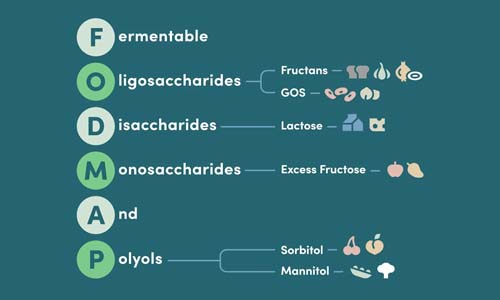
FODMAPs are short-chain carbohydrates that some people absorb poorly. In almonds, the relevant oligosaccharides include galacto-oligosaccharides (GOS) and fructans. Almond milk is made by blending almonds with water and straining the mixture. Much of the almond pulp, including fiber and some of its carbohydrates, is removed. The strained liquid differs from eating whole nuts, though the amount of almond used and any added ingredients vary by carton.
The Science Behind Almond Milk's Low FODMAP Status
Monash University’s serving-size testing provides a practical reference: up to 1 cup (250 mL) of almond milk is low FODMAP. Commercial almond milks typically contain about 2% raw almonds by volume, which helps explain why a cup of the beverage can have a different FODMAP load from a handful of almonds. The tested portion is a useful starting point, not a promise that every formulation or larger serving will work for everyone.
Sweetened vs. Unsweetened: Why It Matters for Digestion
Sweetened almond milk is not automatically high FODMAP. The type and amount of sweetener matter: table sugar differs from high-fructose ingredients such as agave, which can contribute excess fructose. Sweetened versions may also taste out of place in savory recipes. For a neutral base, choose unsweetened almond milk and read the ingredient list rather than relying on “sweetened” or “original” on the front of the carton.
Why Whole Almonds Differ From Almond Milk: The 2% Reality
Whole almonds retain their full carbohydrate and fiber content, so portion size matters more. According to Monash University’s testing data, 12 grams, about 10 almonds, remains low FODMAP, while 24 grams, roughly 20 almonds, reaches moderate GOS and fructan levels. A strained drink made with a small proportion of almonds is not equivalent to eating those nuts whole. If you are sensitive to almonds or following individualized clinical advice, use your own tolerance as a guide.
Decoding the Carton: Your Guide to Reading Low FODMAP Almond Milk Labels
Monash University's Serving Size Thresholds: What You Need to Know
Monash University lists 1 cup (250 mL) as a low FODMAP serving of almond milk. Treat that as a per-sitting reference and check how much you pour; a large mug or a second serving can exceed the tested amount. If you are tracking cumulative intake during the elimination phase, record the beverage alongside other foods rather than assuming that every low FODMAP portion can be combined without limit. Individual tolerance varies, so use your clinician’s guidance when it differs from general testing information.
The Stealth FODMAP Additives to Watch Out For (Inulin, Chicory Root, Agave, etc.)
Scan the ingredients for added sources of fermentable carbohydrates. Inulin and chicory root fiber are concentrated fibers that can raise the FODMAP load. Agave syrup can add excess fructose. These ingredients may appear in products marketed as plant-based or fiber-rich, but front-label claims do not tell you whether a serving fits your plan. If any of these appear, choose a simpler option or check a qualified low FODMAP resource for product-specific guidance.
The 'Clean Label' Checklist for Almond Milk
Use this quick scan before putting a carton in your basket:
- Check the serving size against the tested 1-cup (250 mL) portion.
- Look for inulin, chicory root, and agave in the ingredient list.
- Choose unsweetened if you want a neutral taste for cooking.
- Check for added fibers, syrups, and other ingredients that may not suit your individual plan.
- Review the allergen statement if you need to avoid almonds or other listed allergens.
For taco filling or a savory bowl served alongside almond milk, Low FODMAP Taco Seasoning offers a distinct way to season the food itself. It is made with garlic scape and green onion powders instead of onion and garlic bulbs.
Navigating 'Natural Flavors' and Other Ambiguous Ingredients
“Natural flavors” is a broad label term, and the phrase alone does not identify a FODMAP source. If a carton contains no clearly concerning ingredients but you are unsure about an ambiguous additive, check with the manufacturer or consult a registered dietitian familiar with the low FODMAP diet. During a strict elimination phase, choosing a carton with a short, recognizable ingredient list can reduce uncertainty. Low FODMAP Taco Seasoning is another savory option when you want flavor from a separate, clearly identified ingredient rather than a sweetened milk.
Beyond the Basics: Comparing Plant Milks for Your Low FODMAP Kitchen
Plant milks differ in their source ingredients and tested portions, so one serving rule does not fit every carton. Monash University’s testing lists almond milk as low FODMAP at 1 cup (250 mL). For coconut and oat beverages, the product type and pour size matter. Soy milk made from soy protein can differ from versions made with whole soybeans. Use the comparison below as a starting point, then check the ingredient list and serving guidance for the specific product. If you are tracking cumulative intake, include beverages in your notes alongside meals and snacks.
Almond Milk vs. Other Plant Milks: A FODMAP Comparison Table
This table compares practical serving references and details that may affect a choice. A tested low FODMAP portion is not a guarantee that every formulation or larger serving will suit you. Added fibers, sweeteners, and thickeners can change a beverage’s profile, and personal tolerance varies. If a carton’s ingredients differ from the product you have tested or logged, reassess the serving rather than assuming the same guidance applies.
| Beverage | Serving reference | What to check |
|---|---|---|
| Almond milk | Up to 1 cup (250 mL), per Monash University testing | Added inulin, chicory root, or high-fructose sweeteners |
| Canned coconut milk | 1/4 cup (60 g), per Monash University testing | Keep the portion modest; canned products are concentrated |
| UHT light coconut milk | Up to 1/2 cup (125 mL) before GOS and fructans accumulate | Distinguish light beverage-style cartons from canned coconut milk |
| Oat milk | Small splashes of 2 tablespoons to 1/4 cup (30 to 60 mL) | At 1/2 cup (125 mL), GOS and fructans become high |
| Soy protein milk | Check product-specific guidance | Confirm the source is soy protein, not whole soybeans |
| Rice milk | Check product-specific guidance | Review ingredients and serving size for the carton |
Coconut Milk: Serving Sizes and Best Uses
Is coconut milk low FODMAP? Monash University’s testing lists canned coconut milk at 1/4 cup (60 g), while UHT light coconut milk can reach 1/2 cup (125 mL) before GOS and fructans accumulate. These are different products, not interchangeable measures. Canned coconut milk is thicker and more concentrated, so a small amount can add body to a curry or sauce. Measure it rather than pouring straight from the can, especially when the meal includes other foods that contribute fermentable carbohydrates.
Oat Milk: The Nuances of FODMAP Content
Is oat milk low FODMAP? Portion size is the key distinction in the research provided: a small splash of 2 tablespoons to 1/4 cup (30 to 60 mL) is a more cautious range, while 1/2 cup (125 mL) is high in GOS and fructans. That can make oat milk less convenient when a recipe calls for a full cup. Measure a small amount for coffee or a topping, and choose a different tested beverage when a dish needs more liquid.
Soy Protein Milk: A Safe Alternative?
Soy beverage labels can be confusing because soy protein milk and milk made from whole soybeans are not the same. FODMAPs are carbohydrates, while isolated protein is not itself a FODMAP. The ingredient source can help distinguish the styles, but it does not replace serving-specific testing. For soy milk, check current Monash University or FODMAP Friendly guidance for the exact product and portion instead of assuming every soy drink has the same FODMAP profile.
Rice Milk: A Gentle Option
Rice milk gives recipes a mild, grain-based alternative, but the research available here does not establish an exact tested portion. Check the carton for added ingredients and consult a current low FODMAP testing reference for serving guidance. For a savory meal served with a small glass of rice milk, the Low FODMAP Taco Seasoning can season the food separately. Low FODMAP Taco Seasoning is made with garlic scape and green onion powders instead of onion and garlic bulbs.
Culinary Confidence: Cooking and Swapping with Low FODMAP Almond Milk
Unsweetened almond milk can add a mild, creamy quality to savory food without the sweetness of some flavored varieties. Its thinner texture means it works best as a supporting ingredient, not a one-for-one replacement for heavy cream in every recipe. Start with a small amount, taste as you go, and build body by simmering or blending vegetables. Check that the carton’s ingredients suit your plan and that its flavor is neutral enough for the dish.
The Art of Creamy Savory Dishes: Incorporating Almond Milk into Broths and Soups
In soups, almond milk can soften sharp or spicy flavors and lend creaminess to a broth-based bowl. Add it near the end of cooking, after the vegetables and broth have developed their flavor. A low FODMAP broth, herbs, and seasonings can supply savory depth. Pureeing some cooked vegetables is another way to create a fuller texture without relying on a large pour of plant milk.
For a taco-inspired soup or skillet, Low FODMAP Taco Seasoning can provide a savory seasoning option alongside a splash of unsweetened almond milk. Add the seasoning while the vegetables cook, then stir in the milk near the finish so its flavor stays clean.
Techniques to Prevent Curdling and Separation in Hot & Acidic Environments
Plant milk can separate when it meets high heat or acidic ingredients such as tomatoes and citrus. These steps help keep the texture more even:
- Warm the almond milk gently in a separate pan rather than adding it straight from the refrigerator.
- Lower the cooking temperature before stirring it into a hot soup or sauce.
- Temper it by whisking a spoonful of hot liquid into the milk, then slowly stir the warmed mixture into the pot.
- Add acidic ingredients gradually, taste, and avoid a hard boil after the milk goes in.
Separation can still happen, especially in a very acidic sauce. A quick whisk or brief blend may bring the mixture back together.
Almond Milk as a Dairy-Free Swap for Sauces and Creamy Bases
Use almond milk in a roux-based sauce, mashed potatoes, or a blended vegetable base when you want a lighter texture than cream provides. Since it is relatively thin, combine it with a small flour or cornstarch slurry when a recipe needs more body, and cook until the sauce coats a spoon. Check that any thickener fits your dietary needs. A little olive oil can add richness without sweetness.
Flavorful Applications: Beyond Cereal and Smoothies
Try a modest splash in savory grits, a potato-leek-style soup made with suitable ingredients, or a mild curry where coconut is not the flavor you want. Low FODMAP Taco Seasoning can bring a warm, savory profile to a filling or bowl; add almond milk separately to make a sauce smoother, not as a substitute for seasoning. Match the milk’s mild flavor with herbs, pepper, or toasted spices, and serve the dish promptly for the best texture.
 Organic Garlic Chive PowderGarlic flavor from freeze-dried organic garlic chives, without the garlic bulb.Shop now
Frequently Asked Questions
Which almond milk brands are low FODMAP?
Low FODMAP almond milk depends on the carton’s ingredients and serving size, not just its brand name. Monash University lists a serving of up to 1 cup (250 mL) as low FODMAP, but check labels for inulin, chicory root, or agave. Choose a simple ingredient list and verify product-specific guidance if needed.
What kind of milk can I drink on a low FODMAP diet?
Almond milk is a low FODMAP option at up to 1 cup (250 mL) per sitting, based on Monash University testing. Other milks and plant-based drinks have different ingredients and serving guidance, so check a trusted low FODMAP resource for each one. Read the carton for added fibers and sweeteners, too.
Can IBS patients drink almond milk?
Many people with IBS can try almond milk, which Monash University lists as low FODMAP at up to 1 cup (250 mL). Individual tolerance varies, and added ingredients may affect whether a carton suits your plan. Start with the tested serving, track symptoms, and follow any guidance from your clinician.
What is the best low FODMAP milk alternative?
Almond milk can be a practical low FODMAP milk alternative at a serving of up to 1 cup (250 mL). Choose a carton without added inulin, chicory root, or agave, and consider unsweetened almond milk for a neutral taste. The best choice also depends on your personal tolerance and dietary needs.
What milk is best for IBS sufferers?
There is no single best milk for everyone with IBS, but almond milk is tested as low FODMAP at up to 1 cup (250 mL). Check ingredients for added fibers or sweeteners that may not suit your plan. Keep servings within your guidance and track your own response.