



Keto Bone Broth: Benefits, Recipes, and Low FODMAP Options

keto bone broth
Embarking on a ketogenic journey often means rethinking familiar foods and discovering new allies for your culinary adventures. For many, the desire for warm, savory comfort that aligns with strict macronutrient goals leads them to explore bone broth. It’s a time-honored staple, celebrated for its rich flavor and potential health benefits, but does it truly fit into a keto lifestyle? The answer is a resounding yes, and understanding why unlocks a world of delicious possibilities.
Key Takeaways
- Bone broth offers a warm, savory comfort food that easily fits keto macronutrient limits.
- Its collagen and minerals provide added nutritional support while keeping carbs low.
- Using bone broth as a base for soups or sipping stock helps maintain ketosis without sacrificing flavor.
- A clean homemade version helps you avoid hidden carbs and additives found in many store brands.
- Understanding how bone broth supports your keto goals makes it a smart daily addition to your routine.
We've found that bone broth can be a fantastic addition to a ketogenic diet, offering a satisfying way to stay hydrated and nourished without derailing ketosis. Its unique composition makes it naturally low in carbohydrates and a good source of protein, while also providing essential minerals. Let's break down exactly why it earns its place on a keto-friendly menu.
Is Bone Broth Keto-Friendly? The Short Answer
Macronutrient Profile: Carbs, Protein, and Fat
The primary reason bone broth is a celebrated staple on a ketogenic diet lies in its exceptionally favorable macronutrient profile. A typical cup of bone broth contains virtually no carbohydrates, usually registering at 0 grams. This is a critical factor for anyone strictly monitoring their carb intake to maintain ketosis. The carbohydrate content is so negligible that it won't impact your daily allowance, making it a safe and satisfying choice.
Protein content in bone broth is moderate, typically ranging from 5 to 10 grams per cup, depending on the preparation and the specific ingredients used. For example, Kettle & Fire bone broth often contains around 10 grams of protein per serving, while other brands like LonoLife offer about 8 grams of protein per serving. This protein contributes to satiety and supports muscle maintenance, which is beneficial for those on a keto diet. Fat content is usually minimal, often 0-4 grams per cup, providing a small energy boost without significant calories. This balance makes it an excellent option for meal replacement or a warming beverage between meals.
Why Bone Broth Fits a Ketogenic Framework
The ketogenic diet is fundamentally characterized by very low carbohydrate intake, moderate protein, and higher fat consumption, aiming to shift the body's primary fuel source from glucose to ketones. Bone broth aligns perfectly with these parameters due to its near-zero carbohydrate count. This allows individuals to enjoy a savory, warm beverage or cooking liquid without consuming sugars or starches that would kick them out of ketosis. Its protein content is substantial enough to be satiating but not so high that it risks being converted to glucose via gluconeogenesis, a concern for some strict keto followers.
Also, bone broth offers a rich source of minerals and electrolytes, which are often depleted when transitioning to a ketogenic diet. Sodium, potassium, and magnesium are present in bone broth, aiding in hydration and potentially mitigating common side effects of the keto transition, often referred to as the "keto flu." This makes it more than just a flavorful liquid; it's a functional food that supports the body's needs while adhering to ketogenic principles. The fact that many keto bone broth products are specifically formulated to be low in carbs and high in beneficial components further solidifies its place in a well-structured ketogenic eating plan.
Key Benefits of Bone Broth on a Keto Diet

Electrolyte Replenishment and Keto Flu Prevention
Transitioning to a ketogenic diet often involves a significant reduction in carbohydrate intake, which can lead to a natural diuretic effect. This process can deplete the body's essential electrolytes, such as sodium, potassium, and magnesium. Symptoms of this depletion are commonly known as the "keto flu," which can manifest as fatigue, headaches, muscle cramps, and brain fog. Bone broth is a natural source of these critical minerals, helping to replenish what might be lost during the initial adaptation phase. A cup of bone broth can provide a good dose of sodium, which is particularly important for maintaining fluid balance and nerve function.
The inclusion of potassium and magnesium in bone broth further supports its role in combating keto flu symptoms. These electrolytes are important for muscle relaxation, energy production, and regulating blood pressure. By incorporating bone broth into your daily routine, you can proactively support your body's electrolyte balance, potentially easing the transition into ketosis and reducing the severity or duration of flu-like symptoms. Many consumers turn to bone broth specifically for this reason, seeking a natural and palatable way to stay ahead of electrolyte imbalances. The sourcing of bones and the simmering process also contribute to the mineral profile, making quality bone broth a superior choice for this purpose.
Collagen, Gelatin, and Protein for Muscle and Joint Support
Bone broth is renowned for its rich content of collagen and gelatin, derived from the slow simmering of animal bones and connective tissues. Collagen is a fundamental protein that makes up a significant portion of our body's connective tissues, including skin, tendons, ligaments, and cartilage. On a ketogenic diet, where overall protein intake is carefully managed, the protein and amino acids from bone broth contribute to muscle repair and maintenance. Amino acids like glycine and proline, abundant in bone broth, are essential for building and repairing tissues throughout the body, including joint cartilage and the gut lining.
The gelatin formed from collagen can also contribute to joint health by providing building blocks for cartilage and potentially reducing inflammation, which is beneficial for individuals experiencing joint discomfort or seeking to support their active lifestyles. For those following a keto diet, which can sometimes be perceived as restrictive for athletic performance or recovery, bone broth offers a gentle yet effective way to support physical well-being. Research from sources like NCBI suggests that amino acids such as glycine and proline play a role in joint health and gut lining integrity, making bone broth's contribution valuable beyond just its macro profile. This makes it an excellent choice for anyone looking for nutritional support for their joints and muscles while adhering to a low-carb lifestyle.
Gut Health Considerations for Keto Eaters
Maintaining good gut health is paramount for overall well-being, and this holds true for individuals on a ketogenic diet. The shift in dietary composition can sometimes impact gut flora and digestive comfort. Bone broth, particularly when made with quality ingredients and free from common irritants, can be a gentle ally for the digestive system. The gelatin content, derived from collagen, is believed to help strengthen the gut lining and reduce inflammation, a process sometimes referred to as "leaky gut" syndrome. This can lead to improved nutrient absorption and a more comfortable digestive experience.
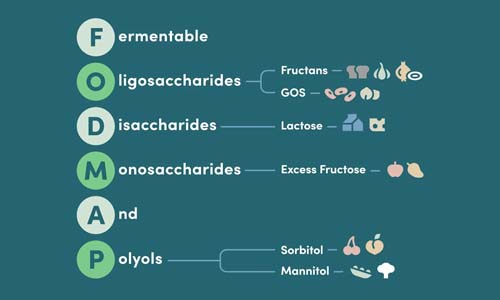
For many people, especially those with pre-existing digestive sensitivities, the ketogenic diet can be challenging if not carefully managed. Conventional broths often contain hidden triggers like onion and garlic extracts, which are high in FODMAPs and can cause digestive distress. Opting for a clean-label bone broth that specifically avoids these common irritants is key. Our Organic Chicken Bone Broth | Low FODMAP & Unsalted is crafted with ingredients like scallion green tops and leek green tops, providing savory depth without the high-FODMAP components found in onion and garlic bulbs. This thoughtful formulation allows keto eaters to enjoy the comforting benefits of bone broth without compromising their digestive health, offering a truly delicious and gentle option.
Low FODMAP Keto Bone Broth: When Digestion Needs Extra Care
For many navigating the ketogenic diet, the journey is not just about managing macronutrients but also about supporting overall digestive wellness. The restrictive nature of keto can sometimes amplify existing sensitivities or even introduce new ones. This is particularly true for individuals managing conditions like Irritable Bowel Syndrome (IBS), where common culinary ingredients can cause significant discomfort. Bone broth, while generally keto-friendly, can unfortunately harbor hidden digestive triggers that are often overlooked by those focused solely on carbohydrate counts.
The challenge arises because many commercially available bone broths, even those marketed for specific diets, can contain ingredients that are problematic for sensitive systems. Understanding these potential pitfalls is the first step toward finding a broth that truly supports both ketogenic goals and digestive peace. It requires a closer look at ingredient lists and a conscious choice to prioritize formulations designed for gentleness alongside flavor and nutritional value. This is where the intersection of low FODMAP principles and keto comes into play, offering a path to enjoyable, gut-friendly savory options.
What to Look For: Clean-Label Ingredients That Work for Keto and IBS
When seeking a bone broth that satisfies both ketogenic macros and low FODMAP requirements, the focus must shift to clean-label ingredients. This means prioritizing products with a short, recognizable ingredient list, free from artificial additives, fillers, and, critically, high-FODMAP alliums like onion and garlic bulbs. Look for broths where the savory depth is achieved through permitted ingredients. These often include the green parts of leeks and scallions, herbs like parsley and chives, and sometimes vegetables like carrots and celery in moderation.
The ideal broth will clearly state its low FODMAP compliance, ideally through a certified program, assuring you that rigorous testing has been conducted to exclude problematic ingredients. Sourcing also matters; opting for organic, grass-fed, or free-range animal bones provides a higher quality base. For example, Gourmend Foods' Organic Chicken Bone Broth | Low FODMAP & Unsalted is crafted with ingredients like scallion green tops and leek green tops, specifically chosen to provide rich flavor without the digestive distress associated with onion and garlic bulbs. This attention to ingredient detail makes it a reliable choice for those managing both dietary approaches.
Umami Without Onion or Garlic: How It's Possible
Achieving that deeply satisfying, savory "umami" flavor is central to gourmet cooking, and it's a common question for those eliminating onion and garlic due to FODMAP sensitivities. Fortunately, a rich umami profile is absolutely attainable without these common triggers. The key lies in understanding how different ingredients contribute to taste complexity and depth. Slow simmering high-quality bones is the foundational element, extracting gelatin and minerals that form the savory base.
Beyond the bones themselves, strategic use of permitted ingredients can build layers of flavor. The green tops of scallions and leeks, Crafting your own keto bone broth can be incredibly rewarding, offering a pure, nutrient-dense foundation for your low-carb lifestyle. But, life often calls for convenience, and that's where high-quality store-bought options shine. When choosing a product, look for brands that prioritize clean ingredients and transparent sourcing. The goal is a flavorful broth that supports your ketogenic journey without introducing hidden carbs or digestive irritants. Whether you're simmering a pot for hours or reaching for a carton, bone broth is a versatile ally. Creating homemade keto bone broth is fundamentally simple, relying on quality bones and a long, slow simmer. For a slow cooker method, begin with 2-3 pounds of high-quality bones (beef or chicken, or a mix) placed in a large slow cooker. Cover with 8-10 cups of filtered water, ensuring the bones are submerged. Add a tablespoon of apple cider vinegar to help extract minerals. You can include aromatic vegetables like carrot chunks and the green tops of leeks or scallions for subtle flavor, but remember to omit high-FODMAP ingredients like onion and garlic bulbs if you're also managing digestive sensitivities. Cook on low for 12-24 hours. The longer it simmers, the richer the flavor and collagen content. For an Instant Pot, use a similar bone-to-water ratio and cook on high pressure for 1-2 hours, followed by a natural pressure release. Strain the broth thoroughly through a fine-mesh sieve, discarding solids. You'll be left with a gelatinous, nutrient-rich liquid, the perfect base for many keto meals and a satisfying warm drink. If you're aiming for a low FODMAP keto bone broth, careful ingredient selection is key. The Organic Chicken Bone Broth | Low FODMAP & Unsalted is crafted with this in mind, using scallion green tops, leek green tops, and chives to impart savory depth without the common triggers found in onion and garlic bulbs. When making your own, consider incorporating these same elements. For example, a recipe might call for: While sipping a warm mug of bone broth is a comforting and keto-friendly ritual, its culinary applications extend far beyond that. It serves as an exceptional base for soups and stews, providing depth and nutrition without adding carbohydrates. Imagine a creamy mushroom soup or a hearty beef stew where the broth is the silent hero, adding body and savory notes. It's also fantastic for braising meats, making them more tender and flavorful. When cooking grains like cauliflower rice or zucchini noodles, using bone broth instead of water infuses them with a delicious umami flavor. You can also use it to deglaze pans after searing meat, capturing all those caramelized bits for a rich sauce. Think of it as a liquid flavor enhancer that aligns perfectly with your macros. For example, when making a quick chicken stir-fry, a splash of bone broth can add moisture and richness to the sauce base, far superior to plain water. The versatility of bone broth truly shines when integrated into everyday cooking. It can transform simple dishes into gourmet experiences. Consider using it as the liquid for cooking risotto-style cauliflower rice, adding a savory dimension that complements the creamy texture. It's also an excellent choice for creating pan sauces for steak, chicken, or pork. Simply deglaze your hot pan with a cup of warm bone broth, scraping up any browned bits, and simmer until reduced. For an extra boost of flavor and nutrients in mashed cauliflower or other vegetable purees, substitute some of the cream or butter with bone broth. This not only adds complexity but also contributes beneficial collagen and electrolytes. It's a simple swap that makes a significant difference in both taste and nutritional profile, making your keto meals more satisfying and flavorful. Proper storage is essential to maintain the quality and safety of your homemade or store-bought bone broth. Once cooled, homemade bone broth should be refrigerated in airtight containers and will typically last for 4-5 days. For longer storage, freezing is the best option. Bone broth freezes beautifully and can be stored for up to 6 months. Consider freezing it in ice cube trays for convenient single-serving portions, perfect for adding to sauces or small batches of soup. Once frozen in larger containers, it can be thawed in the refrigerator overnight or gently reheated on the stovetop or in the microwave. When reheating, do so gently; avoid boiling, as this can degrade the delicate collagen and flavor compounds. Store-bought broths, like the Organic Chicken Bone Broth | Low FODMAP & Unsalted, will have specific expiration dates printed on the packaging. Once opened, refrigerate any unused portion and consume within 3-5 days. When reheating your bone broth, whether it's homemade or a premium option like the Organic Chicken Bone Broth | Low FODMAP & Unsalted, gentle warming is key. You can use a saucepan over medium-low heat, stirring occasionally until heated through. Alternatively, a microwave is a quick option; heat in 30-second intervals, stirring between each, until it reaches your desired temperature. Avoid bringing it to a rolling boil, as excessive heat can diminish its nutritional benefits and alter its texture. If you've frozen your broth in portion-sized containers, simply thaw the needed amount in the refrigerator for several hours or overnight before reheating. This ensures you always have a warming, nutrient-dense beverage or cooking ingredient readily available. Properly stored and handled, bone broth remains a valuable asset to your keto lifestyle, offering both convenience and exceptional quality. Absolutely! Since many high-quality bone broths, like the Organic Chicken Bone Broth | Low FODMAP & Unsalted, are unsalted, you have the freedom to season them to your liking. A pinch of salt, some black pepper, or even a dash of turmeric can add wonderful flavor. If you're following a low FODMAP diet, ensure your seasonings are compliant. Gourmend's Garlic Scape Powder and Green Onion Powder are excellent choices for adding onion-like flavor without the triggers. Both options have their merits. Homemade bone broth allows you complete control over ingredients and sourcing, which can be particularly important for those with strict dietary needs like low FODMAP or for ensuring the highest quality. But, making it at home is time-consuming. High-quality store-bought options, such as Gourmend's range, offer convenience and are carefully formulated with clean, compliant ingredients, making them an excellent choice for busy individuals or those new to bone broth. The best choice depends on your time, budget, and specific dietary requirements. The protein content in bone broth can vary depending on how it's made and the types of bones used. Typically, a 1-cup serving of bone broth contains around 5-10 grams of protein, primarily from collagen and gelatin. For comparison, a serving of Kettle & Fire keto bone broth is noted to contain about 10 grams of protein. This protein contributes to satiety and supports muscle health, fitting well within a ketogenic diet's macronutrient goals. Yes, bone broth can be a valuable source of electrolytes, which are often depleted when transitioning to or maintaining a ketogenic diet. It naturally contains minerals like sodium, potassium, and magnesium, which are essential for hydration and preventing common side effects of the keto diet, often referred to as "keto flu." Sipping bone broth, especially when seasoned with a little salt, can help replenish these important minerals. Traditional broths often use onion and garlic bulbs as flavor bases, which are high in FODMAPs and can cause digestive distress for sensitive individuals. Low FODMAP bone broths achieve their savory depth by using alternative ingredients. For example, they might incorporate the green tops of scallions and leeks, or herbs like chives, which are generally considered low in FODMAPs. Gourmend's commitment to clean-label, FODMAP Friendly Certified products means their broths are formulated to be gentle on the digestive system while still delivering exceptional flavor. Yes, bone broth is a fantastic addition to a ketogenic diet. Its macronutrient profile is naturally very low in carbohydrates, typically containing 0 grams per serving, which helps maintain ketosis. It also provides moderate protein and minimal fat, making it a satisfying and nourishing choice. Bone broth can help combat the 'keto flu' by replenishing essential electrolytes. As carbohydrate intake is reduced on a keto diet, the body can lose sodium, potassium, and magnesium. Bone broth naturally contains these minerals, supporting hydration and potentially easing symptoms like fatigue and headaches. A typical cup of bone broth is very keto-friendly, containing virtually no carbohydrates. Protein content usually ranges from 5 to 10 grams per cup, offering satiety. Fat content is minimal, often between 0 to 4 grams, providing a small energy boost without significant calories. You will likely stay in ketosis when drinking bone broth because it is exceptionally low in carbohydrates. Its near-zero carb count means it won't impact your daily allowance, allowing you to enjoy its savory flavor and benefits without derailing your ketogenic state. Bone broth provides collagen and gelatin, which are rich in amino acids like glycine and proline. These components are building blocks for connective tissues, supporting muscle repair and maintenance. They can also contribute to joint health by providing support for cartilage and potentially reducing inflammation. Bone broth fits the ketogenic framework due to its very low carbohydrate content, which is essential for maintaining ketosis. Its moderate protein content is satiating without posing a risk of excessive gluconeogenesis, and it offers beneficial minerals that support the body's needs during a low-carb transition.Making and Using Keto Bone Broth: Recipes, Storage, and Tips
Homemade Recipe: Slow Cooker and Instant Pot Methods
Low FODMAP Keto Chicken Bone Broth
Yields: Approximately 8 cups
Prep time: 15 minutes
Cook time: 12-24 hours (slow cooker) or 1-2 hours (Instant Pot)
Ingredients:
Instructions:
Notes:
Beyond Sipping: Cooking Uses for Keto Bone Broth
Storage, Shelf Life, and Reheating Guidelines
Frequently Asked Questions
Can I add seasonings to my bone broth?
Is it better to make bone broth at home or buy it?
How much protein can I expect from a serving of bone broth?
Can bone broth help with electrolyte balance on keto?
What makes bone broth low FODMAP?
References
Frequently Asked Questions
Is bone broth suitable for a ketogenic diet?
Can drinking bone broth help prevent keto flu?
What is the macronutrient breakdown of keto-friendly bone broth?
Will I remain in ketosis if I drink bone broth?
How does bone broth support muscle and joint health on keto?
What makes bone broth a good fit for the keto framework?