



Is Watermelon Low FODMAP? Serving Sizes, Melon Swaps, and What to Do When You Miss It

is watermelon low fodmap
If you love watermelon but notice bloating, gas, or abdominal discomfort afterward, the serving size may explain the difference. The answer to is watermelon low fodmap is generally no: Monash University lists it as high FODMAP, though a very small portion may fit some low FODMAP plans.
Key Takeaways
- Monash University classifies watermelon as high FODMAP, so most people following a strict elimination phase should avoid it entirely.
- Portion size matters, and some individuals can tolerate a small amount of watermelon without triggering symptoms.
- The fructose content in watermelon is the main culprit behind bloating and gas for those with FODMAP sensitivity.
- Low FODMAP melons like cantaloupe and honeydew can satisfy a craving for something sweet and juicy while keeping symptoms at bay.
- Reintroducing watermelon carefully during the reintroduction phase can help you determine your personal tolerance level.
That does not mean you have to give up fruit or guess at a picnic. Here’s what the tested portion means in practical terms, and how watermelon compares with other melons.
Watermelon is high FODMAP at typical serving sizes. Monash University’s FODMAP app lists about 23 grams as a low FODMAP serving threshold. That is a small taste, not a usual wedge. Whether that amount works for you can depend on your individual tolerance and what else you eat at the same time.
The Direct Answer Up Front
If you’re asking is watermelon low fodmap for a full bowl or slice, the practical answer is no. Monash University identifies watermelon as high in several FODMAP groups, while its tested green serving is only about 23 grams. That small allowance helps explain why sources can seem to disagree: they may be discussing different portions, and FODMAP content is serving-size dependent. A green serving is not a guarantee that every person will feel fine, either.
What FODMAPs Are (and the Five Types, Briefly)
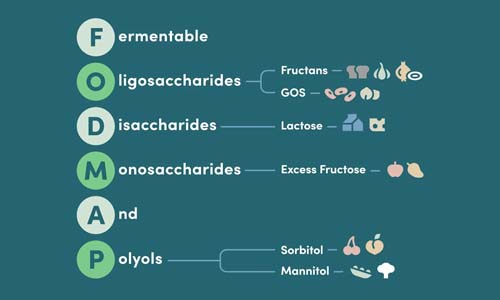
FODMAPs are short-chain carbohydrates that can be poorly absorbed in the small intestine. They may draw water into the gut and ferment in the large intestine, producing gas. For people with irritable bowel syndrome (IBS), these effects can contribute to symptoms such as bloating, gas, pain, or changes in bowel habits.
The five groups commonly described in low FODMAP food lists are excess fructose, lactose, fructans, galacto-oligosaccharides (GOS), and polyols. Sorbitol is one type of polyol. FODMAP content is not a simple label of “good” or “bad”: the food, portion, and combination of foods all matter.
Why Watermelon Is a Triple Threat: Fructose, Sorbitol, and Fructans
Monash University’s testing identifies watermelon as high in excess fructose, sorbitol, and fructans/GOS. A food with several FODMAP groups can add up quickly when the portion grows, especially alongside other foods containing the same types of carbohydrates. This is one reason a generous slice may cause symptoms even if a bite does not. If watermelon has bothered you, the finding is useful portion information, not a reason to assume all fruit will have the same effect.
How Much Watermelon Can You Eat? Exact Serving Sizes and the Melon Comparison Table

The Monash Green-Light Serving: ~23g and What That Looks Like on a Plate
Monash University lists about 23 grams of watermelon as a low FODMAP portion. Since watermelon is mostly water, that amount looks like a few small cubes rather than a wedge. Weighing the edible flesh is more reliable than estimating by slice size: wedges vary greatly in thickness, and rind makes visual comparisons less precise. If you are following the elimination phase, use the Monash app’s current entry and weigh the portion rather than treating 23 grams as a symptom-free guarantee.
Melon Decision Table: Watermelon vs Cantaloupe vs Honeydew by Grams
Melons do not share one serving limit. Monash app data lists a low FODMAP serving of 120 grams for cantaloupe, while watermelon’s tested portion is much smaller. The available research for this guide does not establish a honeydew gram threshold, so check the current app entry before serving it. These amounts describe tested portions, not a universal personal tolerance.
| Melon | Low FODMAP portion information | Practical note |
|---|---|---|
| Watermelon | About 23 g | A few small cubes; weigh the flesh. |
| Cantaloupe | 120 g | A larger tested portion than watermelon. |
| Honeydew | Check the current Monash app entry | Do not assume its portion matches another melon. |
Why a Real Slice Exceeds the Threshold (and Why That's Okay to Know)
A picnic wedge can contain far more edible flesh than 23 grams, so a normal-looking slice may exceed the tested low FODMAP portion. Knowing that difference gives you a practical choice: measure a small taste, choose a melon with a larger tested serving, or skip watermelon during the elimination phase. It does not mean every person will react to the same amount. If you want a savory cookout meal alongside fruit, Organic Chicken Bone Broth (Low FODMAP, Unsalted) can be used in cooking; its vegetable and herb ingredients include scallion green tops and chives in place of onion and garlic bulbs. Organic Chicken Bone Broth (Low FODMAP, Unsalted) is a liquid broth for sipping or cooking.
Low FODMAP Fruit Swaps for Watermelon: Pineapple, Papaya, Cantaloupe, and More
Watermelon is not the only way to bring juicy sweetness to a summer plate. Monash app data lists low FODMAP servings of 120 grams for cantaloupe, 140 grams for pineapple, and 145 grams for papaya. Those portions give you practical options for fruit salad, skewers, or a picnic snack. Use the current Monash University app entry when measuring, since tested serving information can change. Strawberries and grapes may also suit some low FODMAP menus, but check their current app portions rather than guessing or borrowing a serving limit from another fruit.
Safe Swap Table: Cantaloupe, Pineapple, Papaya, Strawberries, and Grapes with Gram Limits
Choose by the dish as well as the tested portion: cantaloupe works well in a melon bowl, pineapple brings tartness to salsa, and papaya pairs with lime. The figures below are low FODMAP servings, not a promise that a particular amount will suit everyone. For fruits without a verified gram amount in the research used here, check the Monash app before serving.
| Fruit | Low FODMAP serving information | Kitchen use |
|---|---|---|
| Cantaloupe | 120 g | Cube for fruit salad or serve chilled. |
| Pineapple | 140 g, about 1 cup | Add to salsa or a lime-dressed fruit bowl. |
| Papaya | 145 g, about 1 cup | Serve with lime or chop into a fresh salad. |
| Strawberries | Check the current Monash app entry | Slice into a small fruit salad. |
| Grapes | Check the current Monash app entry | Chill and serve as a simple snack. |
High FODMAP Fruits to Watch: Apples, Mango, Cherries, and Dried Fruit
Apples, mangoes, cherries, and many dried fruits can contribute more FODMAPs at ordinary portions. Dried fruit is especially easy to over-serve because removing water makes a small handful a concentrated portion. This does not mean these foods are off-limits forever. During an elimination phase, follow your dietitian’s plan and use tested portions from the app instead of relying on a broad low FODMAP fruits list. Ginger is a seasoning rather than a fruit swap; check the app for its tested serving if you plan to use it.
FODMAP Stacking: Why Two “Safe” Servings Together Can Trigger Symptoms
A low FODMAP serving is not a free pass to combine unlimited portions. Several servings eaten close together can add up, particularly when different ingredients contain overlapping FODMAP groups. Monash guidance recommends limiting fruit to two low FODMAP serves per day and spacing them three to four hours apart. At a cookout, choose one measured fruit serving and keep track of fruit in drinks, sauces, and dessert, too. Individual tolerance varies, so a food and symptom record can help you notice patterns without removing every fruit you enjoy.
What to Do When You Miss Watermelon: Portioning, Swaps, and Big Flavor in the Kitchen
Missing watermelon at a barbecue is understandable, especially when it is a familiar summer favorite. A scale, a measured recipe, and a few well-chosen seasonings can make the meal feel less restrictive. If you are avoiding larger portions during the elimination phase, choose an alternative fruit with a tested serving and build the rest of the plate around bright, savory flavors.
How to Portion Watermelon Safely: A Scale-and-Wedge Method
For a measured taste, cut a wedge, remove the rind, and place the edible flesh on a kitchen scale. If the portion is larger than your plan allows, trim off cubes until the scale reads your chosen amount. Keep the remaining fruit separate for someone else or save it for a time when you are not following the elimination phase. At a picnic without a scale, selecting another fruit with a larger tested serving can be simpler than estimating the weight of a wedge.
Recipe: Low FODMAP Watermelon-Lime Agua Fresca (Portion Math Included)
For one small drink, blend 23 grams of watermelon flesh with ¾ cup cold water, 1 tablespoon fresh lime juice, and ice. Strain if you prefer a smoother texture, then sip alongside a meal. The watermelon amount keeps the fruit portion aligned with the small threshold described earlier; do not multiply the recipe without recalculating the amount per serving. For a drink with more fruit, swap in a measured portion of pineapple or papaya instead. Keep the recipe simple so added sweeteners do not complicate portion planning.
Building Summer Flavor Without Garlic and Onion: Green Onion, Chives, and Broth-Based Cooking
Fresh herbs and green tops add savory character to grilled vegetables, rice, and quick pan sauces without relying on onion or garlic bulbs. Try finely sliced green onion tops or chopped chives in a lime dressing. For a warm side dish, cook rice or vegetables with Organic Chicken Bone Broth (Low FODMAP, Unsalted). It is made with seven organic ingredients, including scallion green tops, leek green tops, chives, and parsley, and is slow-simmered for 16 hours. Organic Chicken Bone Broth (Low FODMAP, Unsalted) is a liquid broth for sipping or cooking, with no onion or garlic bulbs.
Label-Checking Checklist for Fruit Products: HFCS, Agave, Inulin, Sorbitol, and Onion/Garlic Powder
Packaged salsa, juice, and dressing can contain ingredients that are easy to overlook. Read the full ingredient list, not just the fruit name on the front. Check for:
- High-fructose corn syrup (HFCS) or agave sweetener.
- Inulin or chicory root fiber.
- Sorbitol and other sugar alcohols.
- Onion powder or garlic powder in savory sauces and dressings.
When an ingredient or serving is unclear, choose a simpler option or check with a registered dietitian familiar with low FODMAP cooking. 💚
Testing Your Own Tolerance: Reintroduction Protocol and Low FODMAP Diet Phases
A low FODMAP plan is meant to help identify personal triggers, not require permanent avoidance of every food that may cause symptoms. If watermelon matters to you, a structured reintroduction can offer clearer information than occasional, unmeasured tastes. Work with a registered dietitian when possible, especially if you have significant symptoms or other dietary needs. Monash University’s app provides tested serving information, while your symptom record helps show how those portions fit your experience.
The Three Phases: Elimination, Reintroduction, and Personalization
The low FODMAP diet for beginners is generally organized into three phases. During elimination, you temporarily reduce high FODMAP foods under professional guidance while keeping meals varied and nourishing. Reintroduction then tests one FODMAP group or food at a time, with portions increased according to a dietitian’s plan. In personalization, you use those results to shape a less restrictive routine around the foods and amounts you tolerate. The elimination phase is not intended to be a permanent menu, and the right timeline can vary from person to person.
A Step-by-Step Watermelon Reintroduction Test (Days, Doses, and What to Record)
Only begin a challenge when symptoms are relatively settled and your dietitian agrees that the timing is appropriate. Follow their instructions if they differ from this general framework. Keep other foods and routines steady during the test, and avoid testing another new food at the same time.
- Choose a baseline day. Record your usual symptoms, meals, and relevant changes such as medication or sleep.
- Start with a measured amount. Use the Monash app’s current watermelon entry and your dietitian’s dose plan. The app lists about 23 grams as a low FODMAP portion; a challenge may use planned increases beyond that amount.
- Follow the planned progression. Increase the serving only on the schedule recommended by your dietitian. Stop the challenge if symptoms become troublesome.
- Record what happens. Note the amount, time eaten, symptoms, onset, duration, and severity. Keep the rest of your meals familiar.
- Allow symptoms to settle before another test. Your dietitian can help interpret the result and decide whether to retry, adjust the portion, or move on.
FAQ: Is Cantaloupe Low FODMAP? Is Honeydew? What About Ginger and Papaya?
Is cantaloupe low FODMAP? Monash app data lists 120 grams as a low FODMAP serving. Individual tolerance can differ, so use the tested amount as a reference rather than a guarantee.
Is honeydew low FODMAP? Check its current entry in the Monash app for a tested portion. Do not assume honeydew has the same serving limit as cantaloupe or watermelon.
Is ginger low FODMAP? Ginger is commonly used as a seasoning, but the research available for this guide does not establish an exact tested amount. Check the app if you need a specific serving.
Is papaya low FODMAP? Monash app data lists 145 grams, about 1 cup, as a low FODMAP serving. During reintroduction, follow your own plan rather than testing multiple fruits together.
Frequently Asked Questions
How much watermelon is low in FODMAP?
About 23 grams is the Monash University tested low FODMAP serving of watermelon, which equals a few small cubes rather than a wedge. Weigh the edible flesh rather than estimating by slice, since wedges vary greatly in thickness and rind size.
Does watermelon cause bloating?
Watermelon can cause bloating in people sensitive to FODMAPs, especially at typical serving sizes. Monash University identifies watermelon as high in excess fructose, sorbitol, and fructans/GOS, carbohydrates that can draw water into the gut and ferment, producing gas and discomfort.
Is watermelon bad for IBS?
Watermelon is high FODMAP at normal serving sizes, so many people with IBS find a full slice triggers symptoms like bloating, gas, or abdominal pain. Individual tolerance varies, so a small 23-gram taste may suit some people during reintroduction or on a maintenance plan.
What is the lowest FODMAP fruit?
Cantaloupe, pineapple, and papaya are among the fruits with larger tested low FODMAP servings, at 120 grams, 140 grams, and 145 grams respectively according to Monash app data. Always check the current Monash app entry, since tested portion information can change over time.
What are the worst FODMAP foods for people with IBS?
Foods high in multiple FODMAP groups tend to be the most problematic, and watermelon is one example because it contains excess fructose, sorbitol, and fructans/GOS. Combining several foods with the same FODMAP types in one meal can also push total intake over your personal threshold.
Is cantaloupe a better melon choice than watermelon on a low FODMAP diet?
Cantaloupe has a tested low FODMAP serving of 120 grams, much larger than watermelon's roughly 23-gram threshold. For fruit salads or picnics, cantaloupe lets you enjoy a more generous portion, though you should still confirm the current Monash app entry before serving.
Can I eat watermelon during the elimination phase of a low FODMAP diet?
Most people skip watermelon during the elimination phase because a normal slice far exceeds the tested low FODMAP portion. If you want a small taste, weigh out about 23 grams of flesh, though a green serving is not a guarantee that every person will feel fine.