



Is Mango Low FODMAP? Safe Servings & Recipes

is mango low fodmap
Mango is a beloved tropical fruit that often raises questions for those following a low FODMAP diet. You might wonder: is mango low fodmap and in what amounts can it be safely enjoyed without triggering digestive discomfort? This guide clarifies mango’s FODMAP profile, serving sizes, and practical tips to incorporate it while managing your gut health.
Key Takeaways
- Mango can fit into a low FODMAP eating plan when you stick to carefully measured portion sizes.
- Understanding the fructose content in this tropical fruit helps you gauge your personal tolerance level.
- Smaller servings of mango may be enjoyed without triggering uncomfortable IBS symptoms.
- Creative recipes let you add sweet mango flavor to meals while keeping your digestion on track.
Is Mango Low FODMAP? The Straight Answer
Fresh Mango at a Glance: 40g Per Serving
FODMAP Friendly research establishes 40 grams as the threshold for fresh mango consumption within a low FODMAP diet. This limit aligns with clinical testing that measures the fruit’s fermentable carbohydrate content, specifically sorbitol and excess fructose. At 40 grams, mango’s FODMAP levels remain below the cutoff to avoid typical IBS triggers. This serving is smaller than many might expect, roughly translating to a modest snack portion rather than a large fruit serving.
How to Visualize 40g Without a Food Scale
To estimate 40 grams of fresh mango without a scale, think of a small handful of diced mango roughly filling a quarter cup measure. This is about one-fifth of an average mango, or a piece the size of a large egg. Visual cues like this help you stay within low FODMAP limits without the need for precise weighing, which can be cumbersome in everyday cooking.
Which FODMAPs Are in Mango?
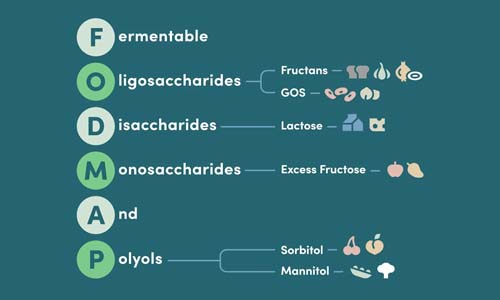
Mango contains two primary fermentable carbohydrates relevant to FODMAP sensitivity: sorbitol and fructose. Sorbitol is a sugar alcohol that some people poorly absorb, while fructose in excess of glucose can also cause digestive distress. The 40-gram serving size keeps these fermentable sugars at manageable levels, but larger amounts increase them enough to potentially provoke symptoms. Understanding this balance is key to including mango safely in your diet.
Fresh, Dried, and Juice: Which Mango Forms Are Safe?

Fresh Mango: Green Light at 40g, Red Light at 120g+
Fresh mango is low FODMAP at 40 grams but becomes high FODMAP when servings reach approximately 120 grams or more. This jump occurs because sorbitol and excess fructose increase proportionally with the fruit’s weight. For those managing symptoms, it is wise to measure portions carefully and avoid large mango servings in one sitting.
Dried Mango: Why Concentrated Fructose Changes the Math
Dried mango concentrates sugars due to water loss, significantly raising fructose and fructan content per serving. FODMAP Friendly categorizes dried mango as high FODMAP, primarily because the dehydration process intensifies fermentable carbohydrates. Even small portions can surpass FODMAP thresholds, making dried mango an unlikely choice for a low FODMAP diet.
Mango Juice and Nectar: What the FODMAP Friendly Data Shows
While mango juice has not been officially tested by the FODMAP Friendly app, it is generally presumed to be high in FODMAPs due to the concentration of sugars during juicing. Juice removes fiber and concentrates fructose and sorbitol, potentially triggering symptoms even at smaller amounts. Nectar forms often contain added sugars and other ingredients that further complicate their FODMAP status.
Amchur (Mango Powder): An Unexpected Seasoning Option
Amchur, a dried mango powder used in Indian cuisine, offers a surprising low FODMAP option when used sparingly. FODMAP Friendly testing indicates that up to 2 grams of amchur powder is low FODMAP, making it a flavorful seasoning that adds tang without triggering symptoms. This powder can add flavor to dishes that benefit from a subtle fruity acidity, such as those using Gourmend’s Low FODMAP Taco Seasoning.
| Mango Form | Safe Serving Size | FODMAP Status | Notes |
|---|---|---|---|
| Fresh Mango | Up to 40g (approx. 1/4 cup diced) | Low FODMAP | Contains sorbitol and excess fructose; portion control critical |
| Dried Mango | N/A (small amounts still high) | High FODMAP | Concentrated fructans and fructose; not recommended |
| Mango Juice/Nectar | Not tested but likely small amounts high | Likely High FODMAP | Concentrated sugars; fiber removed |
| Amchur (Mango Powder) | Up to 2g | Low FODMAP | Used as seasoning; adds acidity and flavor |
Careful consideration of mango forms and serving sizes helps you enjoy the fruit’s bright flavor without digestive consequences. Fresh mango offers a safe window at 40 grams, while dried and juice forms generally pose higher risks due to sugar concentration. Amchur powder provides a creative, low FODMAP seasoning alternative that pairs well with savory dishes, like those featuring Gourmend’s Low FODMAP Taco Seasoning.
How Mango Compares to Other Common Fruits and Vegetables
Navigating the low FODMAP diet can sometimes feel like deciphering a complex map, especially regarding fruits. While fresh mango is a delightful option in moderation, understanding how it stacks up against other popular choices helps paint a clearer picture of your dietary options. Knowing the FODMAP profiles of various fruits allows for informed choices, ensuring you can enjoy a diverse and flavorful diet even when managing digestive sensitivities.
Many fruits that seem similar in taste or texture can have vastly different FODMAP contents. For example, while both pineapple and mango offer tropical sweetness, their safe serving sizes and specific FODMAP triggers can vary. Similarly, common fruits like bananas can be low FODMAP in one form (unripe) but high in another (ripe) due to changes in sugar composition. This section breaks down how mango fits into the broader spectrum of low FODMAP fruits and vegetables, offering practical comparisons and identifying suitable alternatives and complementary ingredients.
Fruit-by-Fruit FODMAP Comparison Table
To help you visualize mango’s place among other familiar produce, here’s a comparison based on FODMAP Friendly's FODMAP research, the leading authority in the field. This table highlights safe serving sizes and the primary FODMAPs present, offering clear guidance for your low FODMAP journey. Understanding these differences is key to avoiding common pitfalls and making informed decisions about your diet.
| Food Item | Safe Serving Size (Low FODMAP) | Primary FODMAPs | Notes |
|---|---|---|---|
| Mango (Fresh) | 40g (approx. 1/4 cup diced) | Sorbitol, Fructose | Higher amounts increase FODMAP load significantly. |
| Pineapple | 140g (approx. 1 cup diced) | Fructose | A more generous serving size than mango. |
| Strawberries | 100g (approx. 3/4 cup) | Fructose, Sorbitol | Generally well-tolerated in moderate servings. |
| Watermelon | 130g (approx. 1 cup diced) | Fructose, Sorbitol | Larger servings (>250g) become high FODMAP. |
| Bananas (Ripe) | N/A (small amounts ~30g) | Excess Fructose, Sorbitol | Unripe bananas are low FODMAP up to 120g. |
| Tomatoes (Fresh) | 105g (approx. 1 medium tomato) | Fructose, Sorbitol | Canned tomatoes are low FODMAP up to 75g. |
Low FODMAP Mango Substitutes for Tropical Flavor
When you’re craving that bright, tropical essence but need to stick to a 40g serving of mango, or if you’re looking for alternatives, other fruits can step in. Pineapple, for example, offers a similar tropical punch and offers a more forgiving serving size of 140 grams according to FODMAP Friendly. Its sweetness and acidity can beautifully substitute for mango in many dishes, from salsas to marinades.
For a milder, yet still refreshing tropical note, consider ripe papaya. While not extensively tested, it is generally considered low FODMAP in moderate amounts and offers a soft texture. Strawberries, with their sweet and slightly tart profile, are also a good option in their recommended 100g serving, providing a different but equally delightful fruit flavor. These alternatives help you maintain variety and flavor exploration within your low FODMAP dietary framework.
Vegetables That Pair Well With Mango in Savory Dishes
Mango’s sweet and tangy profile isn't just for desserts; it shines in savory applications too, especially when paired with expertly crafted low FODMAP seasonings. The key is to balance its FODMAP content with vegetables that are also low FODMAP and complement its unique flavor. For example, finely diced bell peppers (red, yellow, or orange) add sweetness and crunch without the FODMAP triggers found in onions or garlic bulbs.
Fresh cilantro and mint provide a cooling herbaceous contrast, while jalapeños (seeds removed for less heat, if desired) can add a mild kick. Cucumbers offer a refreshing crispness, and jicama brings an earthy sweetness and satisfying crunch. When building savory dishes, consider how ingredients like those found in Gourmend’s Low FODMAP Taco Seasoning. Such as garlic scape powder and green onion powder. Can build complex flavors without relying on high-FODMAP alliums. This seasoning itself, devoid of onion and garlic bulbs, is a smart choice for pairing with mango in flavorful salsas or marinades.
Three Savory Low FODMAP Recipes That Make 40g of Mango Shine
The challenge with mango on a low FODMAP diet often lies in its small safe serving size: just 40 grams. This can leave you wondering how to incorporate this delicious fruit without exceeding limits. The secret is to treat mango as a potent flavor enhancer, a bright accent rather than the main event. By pairing it thoughtfully with other low FODMAP ingredients and using smart seasonings, you can unlock its full potential in savory dishes.
These recipes are designed to highlight the bright, tropical notes of mango in small, manageable portions, ensuring you can enjoy its flavor without digestive upset. We’ll show you how to integrate Gourmend’s clean-label, FODMAP Friendly Certified essentials, like our Organic Chicken Bone Broth and Garlic Scape Powder, to build depth and complexity. These culinary creations prove that a low FODMAP lifestyle can be exciting and full of gourmet possibilities.
Tropical Mango Salsa With Chive and Tomato
This salsa is a perfect example of using just 40 grams of mango to maximum effect. It’s a refreshing accompaniment to grilled fish, chicken, or as a topping for low FODMAP tostadas.
Tropical Mango Salsa With Chive and Tomato
Yields: About 1.5 cups
Prep time: 15 minutes
Serving Size: 2 tablespoons (approx. 40g mango per 1/4 cup of salsa)
Ingredients:
- 40g fresh mango, finely diced (about 1/4 cup)
- 75g ripe tomato, finely diced (about 1/2 cup)
- 50g red bell pepper, finely diced (about 1/4 cup)
- 2 tablespoons fresh cilantro, chopped
- 1 tablespoon fresh chives, finely chopped (or 1/2 tsp Gourmend Green Onion Powder for milder flavor)
- 1 tablespoon fresh lime juice
- Pinch of salt
- Optional: 1/4 jalapeño, seeded and minced (for mild heat)
Instructions:
- In a medium bowl, gently combine the diced mango, tomato, red bell pepper, cilantro, and chives.
- Add the lime juice, salt, and optional jalapeño.
- Stir to combine all ingredients.
- Let the salsa sit for at least 10 minutes to allow flavors to meld.
FODMAP Notes: This serving uses the safe 40g portion of mango. Tomatoes and red bell peppers are low FODMAP in these amounts. Chives and green onion powder are safe low FODMAP allium alternatives.
Mango-Glazed Chicken Thighs in Gourmend Chicken Bone Broth
This recipe uses a concentrated mango glaze, where the fruit’s sweetness is intensified and balanced by savory elements. The 40g of mango is used to create a flavorful glaze for tender chicken thighs, making it a satisfying main course.
Mango-Glazed Chicken Thighs
Yields: 4 servings
Prep time: 10 minutes | Cook time: 25-30 minutes
Serving Size: 1 chicken thigh with glaze
Ingredients:
- 4 boneless, skinless chicken thighs
- 1/4 cup Gourmend Organic Chicken Bone Broth
- 40g fresh mango, pureed (about 1/4 cup)
- 1 tablespoon gluten-free tamari or soy sauce (ensure it is low FODMAP, check label)
- 1 teaspoon rice vinegar
- 1/2 teaspoon grated fresh ginger
- 1/4 teaspoon Gourmend Garlic Scape Powder
- Pinch of red pepper flakes (optional)
- 1 teaspoon olive oil or avocado oil
- Salt and freshly ground black pepper to taste
Instructions:
- Pat chicken thighs dry and season with salt and pepper.
- In a small bowl, whisk together the Gourmend Organic Chicken Bone Broth, pureed mango, tamari, rice vinegar, grated ginger, and Garlic Scape Powder. Add red pepper flakes if using.
- Heat oil in a skillet over medium-high heat. Sear chicken thighs for 2-3 minutes per side until lightly browned.
- Pour the mango glaze over the chicken thighs in the skillet.
- Reduce heat to medium-low, cover, and simmer for 15-20 minutes, or until chicken is cooked through and the glaze has thickened. Baste chicken occasionally with the glaze.
- Serve chicken thighs with the thickened mango glaze spooned over the top.
FODMAP Notes: The 40g of mango in the glaze is a safe serving. Gourmend Organic Chicken Bone Broth is a clean-label, low FODMAP base. Garlic Scape Powder provides onion-like depth without triggers. Ensure your tamari/soy sauce is low FODMAP.
Quick Mango and Coconut Smoothie Bowl
For a breakfast or snack that feels indulgent yet remains gut-friendly, this smoothie bowl uses the 40g serving of mango perfectly. The creamy coconut milk and a touch of sweetness from the mango create a satisfying base, topped with low FODMAP fruits and seeds.
Quick Mango and Coconut Smoothie Bowl
Yields: 1 serving
Prep time: 5 minutes
Ingredients:
- 40g fresh mango, frozen chunks (about 1/4 cup)
- 1/2 cup full-fat canned coconut milk (ensure no high-FODMAP gums are added, check label)
- 1/4 cup unsweetened almond milk or water
- Optional: 1/4 teaspoon vanilla extract
- Optional toppings: low FODMAP fruits like strawberries or blueberries, a sprinkle of shredded coconut, chia seeds, or a small amount of granola.
Instructions:
- Combine the frozen mango chunks, coconut milk, almond milk (or water), and optional vanilla extract in a blender.
- Blend until smooth and creamy. You may need to stop and scrape down the sides. Aim for a thick, spoonable consistency.
- Pour the smoothie into a bowl.
- Add your desired low FODMAP toppings.
FODMAP Notes: This recipe adheres to the 40g serving of mango. Full-fat canned coconut milk is low FODMAP in servings up to 1/2 cup (120ml), and almond milk is low FODMAP. Always check ingredient labels on canned coconut milk and granola for hidden high-FODMAP ingredients.
Incorporating mango into a low FODMAP diet is entirely achievable when you focus on precise serving sizes and creative applications. These savory recipes demonstrate how 40 grams of fresh mango can provide a burst of tropical flavor without triggering symptoms. By using Gourmend’s flavorful, clean-label seasonings and broths, you can build delicious meals that are both gut-friendly and gourmet, proving that a low FODMAP lifestyle doesn't mean sacrificing taste or culinary adventure.
Your Mango and FODMAP Questions, Answered

Can I Eat Mango Every Day on a Low FODMAP Diet?
Eating mango daily within a low FODMAP diet is possible if you strictly adhere to the recommended serving size of 40 grams per day, as established by FODMAP Friendly and confirmed by the FODMAP Friendly app. Consuming more than this amount can increase your intake of sorbitol and excess fructose, which may trigger gastrointestinal discomfort. If you wish to include mango regularly, it’s advisable to monitor your symptoms closely and consider rotating it with other low FODMAP fruits to maintain variety and reduce cumulative FODMAP load. Consulting a healthcare professional or registered dietitian can provide personalized guidance based on your tolerance and digestive health goals.
Why Can I Tolerate Some Fruits but Not Others?
Individual tolerance to fruits on a low FODMAP diet varies due to differences in fermentable carbohydrate types and personal digestive sensitivity. Mango contains sorbitol and excess fructose, which some people absorb less efficiently, leading to symptoms. Conversely, fruits like bananas (especially unripe), tomatoes, and strawberries have different FODMAP profiles, often allowing more generous servings. Variations in gut microbiota, enzyme activity, and overall gut health also influence how your body responds to specific fruits. This explains why you might tolerate certain low FODMAP fruits well but experience symptoms with others, even if they are technically low FODMAP at certain serving sizes.
What If 40g Still Triggers Symptoms?
If you experience symptoms after consuming 40 grams of mango, it may indicate heightened sensitivity to sorbitol or fructose, or a broader intolerance to certain FODMAPs. In such cases, it is best to reduce or avoid mango until you work with a healthcare provider or dietitian to identify your individual triggers. Alternative fruits with lower FODMAP content, such as pineapple or strawberries, might be better tolerated. Additionally, incorporating digestive aids and choosing low FODMAP seasonings like Low FODMAP Taco Seasoning can help support flavor without adding fermentable carbohydrates.
Is Canned Mango Safe?
Canned mango is generally not considered low FODMAP, primarily due to the syrup or juice often added during canning, which increases sugar concentration including fructose and sorbitol. These concentrated sugars can exceed low FODMAP thresholds even in small servings. If you choose canned mango, look for varieties packed in water without added sugars and test your tolerance with small amounts. Fresh mango remains the safer choice for those managing symptoms. Always verify product labels carefully, as added ingredients can alter FODMAP content significantly.
Where Do I Find Reliable FODMAP Serving Sizes?
Accurate FODMAP serving sizes come primarily from research-backed sources like the FODMAP Friendly app, the leading authority on FODMAP testing. This app provides up-to-date, scientifically validated serving sizes along with detailed food lists and symptom management tips. For further education, exploring Gourmend’s Low FODMAP Diet 101 guide and recipe resources can help you navigate ingredient choices confidently and creatively.
References
Frequently Asked Questions
Can mango trigger IBS symptoms?
Yes, mango can trigger IBS symptoms if eaten in amounts larger than 40 grams. Fresh mango contains sorbitol and excess fructose, two fermentable carbohydrates that can cause bloating, gas, or cramping in sensitive individuals. Sticking to the low FODMAP serving size of about one-fifth of a medium mango helps keep symptoms away.
How much fresh mango is considered low FODMAP?
Fresh mango is low FODMAP at a serving size of 40 grams, which is roughly one-fifth of a medium mango or about 1/4 cup of diced fruit. This portion keeps sorbitol and fructose levels below the threshold that triggers digestive issues. Larger servings, such as 120 grams or more, become high FODMAP and should be avoided.
Is dried mango low FODMAP?
No, dried mango is not low FODMAP because the dehydration process concentrates sugars, raising fructose and fructan content significantly. Even small portions can exceed FODMAP thresholds and cause symptoms. For a low FODMAP diet, stick with fresh mango at the 40-gram serving size instead.
Is mango juice low FODMAP?
Mango juice is likely high FODMAP because juicing removes fiber and concentrates fructose and sorbitol. Although not officially tested by FODMAP Friendly, the sugar concentration makes even small amounts risky for those with IBS. Opt for fresh mango in the safe 40-gram portion or try amchur powder for mango flavor.
What is amchur powder and can I use it on a low FODMAP diet?
Amchur is a dried mango powder used in Indian cuisine, and it is low FODMAP in servings up to 2 grams. FODMAP Friendly testing confirms this amount stays below FODMAP thresholds, making it a safe seasoning for adding tangy acidity. I often pair it with Gourmend's Low FODMAP Taco Seasoning for extra flavor without digestive trouble.
What is the lowest FODMAP fruit?
While mango is low FODMAP in small amounts, fruits like strawberries, blueberries, and unripe bananas are among the lowest FODMAP options. These fruits have minimal fermentable carbohydrates and can be eaten in larger servings without triggering IBS symptoms. Always check the FODMAP Friendly app for specific serving sizes.