



Is Kombucha Low FODMAP? Serving Sizes and Ingredients to Check

Key Takeaways
- Most commercial kombuchas are not low FODMAP at typical serving sizes of 8-12 ounces.
- During the elimination phase of a low FODMAP diet, kombucha should be avoided entirely.
- Some individuals may tolerate very small amounts of kombucha, such as 2-4 tablespoons, in later phases.
- Individual tolerance to kombucha varies significantly among people with IBS.
Table of Contents
- Can You Enjoy Kombucha on a Low FODMAP Diet?
- Kombucha 101: What's in Your Glass (and Why It Matters for FODMAPs)
- Is Kombucha Low FODMAP? The Evidence, Serving Sizes, and Nuance
- How to Read Kombucha Labels Through a Low FODMAP Lens
- How to Safely Test Your Kombucha Tolerance With IBS
- Common Kombucha-Related IBS Problems (and Practical Fixes)
- Kombucha vs Other Drinks: What's Gentler on a Low FODMAP Gut?
- Low FODMAP, Gut-Friendly Alternatives to Kombucha
- Kombucha, Probiotics, and IBS: What Science Says
- Gourmend's Approach: Flavor-First, Gentle-Gut Hydration Without the Guesswork
- Final Verdict: Making Smart Kombucha Choices for Your Low FODMAP Journey
Can You Enjoy Kombucha on a Low FODMAP Diet?
Is kombucha low FODMAP? Most commercial kombuchas are not low FODMAP at typical serving sizes (8-12 oz bottles). During the elimination phase, avoid kombucha entirely. In later phases, some people tolerate very small amounts (2-4 tablespoons), but individual tolerance varies significantly.
If you're managing IBS or following a low FODMAP diet, that fizzy bottle of kombucha in your fridge might be working against your gut goals. While kombucha markets itself as "gut-friendly," the reality is more complex, especially when is kombucha low fodmap becomes a daily concern for your digestive comfort.
At Gourmend Foods, we approach this question with science-informed clarity, not fear-mongering. Kombucha can be "gut-friendly" for some people while simultaneously triggering IBS symptoms in others. Understanding the difference between probiotic benefits and FODMAP load helps you make confident choices about what belongs in your glass.
For those seeking a reliable, gut-friendly alternative, our Bone Broth Sampler Bundle offers a comforting way to support digestive wellness without the FODMAP guesswork.
If you want to stock up on essentials for your low FODMAP journey, consider the Low FODMAP Pantry Starter Bundle for a curated selection of gentle, flavorful staples.
Kombucha 101: What's in Your Glass (and Why It Matters for FODMAPs)

What Kombucha Is Made Of
Every bottle starts with four core components, each carrying different FODMAP implications. Tea (black or green) remains naturally low FODMAP in moderate servings. Sugar feeds the SCOBY during fermentation, though some remains after brewing. The SCOBY (symbiotic culture of bacteria and yeast) drives fermentation while potentially creating FODMAP compounds. Flavorings, from fruit juices to herbs, often become the hidden high FODMAP wild cards that transform an otherwise manageable drink into a digestive trigger.
How Fermentation Changes Sugar and FODMAPs
During 7-14 days of fermentation, sugar content declines as acidity and carbonation rise. Yeasts and bacteria convert sugars into organic acids and trace amounts of alcohol. However, "lower sugar" doesn't automatically mean "low FODMAP", the fermentation process can generate excess fructose and oligosaccharide compounds that register as high FODMAP in laboratory testing.
Kombucha vs "Gut-Friendly" vs "Low FODMAP"
Gut-friendly suggests potential microbiome support through probiotics and organic acids. Low FODMAP means laboratory-tested to stay under specific FODMAP thresholds at defined serving sizes. Kombucha can simultaneously be probiotic-rich and high FODMAP in standard 8-12 oz servings, these aren't contradictory classifications, just different measurement criteria for different digestive concerns.
If you're interested in incorporating more low FODMAP recipes into your routine, explore our collection of low FODMAP recipes for inspiration.
Is Kombucha Low FODMAP? The Evidence, Serving Sizes, and Nuance
What FODMAP Testing Labs Say About Kombucha
Laboratory classifications reveal that most commercial kombuchas test as high FODMAP at typical serving sizes (1 cup/250ml). Some varieties only reach problematic levels at larger portions, with servings under ¼ cup (60ml) potentially falling below FODMAP thresholds. This creates a green light/amber/red serving framework where tiny amounts might be tolerable while full bottles consistently trigger symptoms.
Which FODMAPs Are In Kombucha?
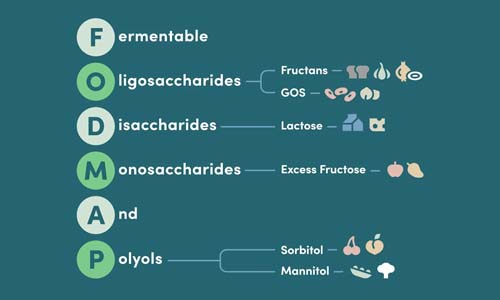
The main culprits stem from fermentation byproducts and flavor additions. Excess fructose develops from fruit juices or concentrates. Oligosaccharides (fructans or GOS) emerge from certain flavorings or added fibers. Polyols appear when stone fruits, specific berries, or sugar alcohols enter the formula. The base tea itself rarely causes issues, fermentation chemistry and flavor enhancement create the FODMAP load.
| Serving Size | FODMAP Classification | Recommended Phase |
|---|---|---|
| 1-2 tablespoons (15-30ml) | Potentially Low | Reintroduction testing only |
| ¼ cup (60ml) | Moderate | Personal tolerance phase |
| ½ cup (125ml) | High for most varieties | Avoid unless well-tolerated |
| 1 cup (250ml) | High FODMAP | Avoid during all phases |
How to Read Kombucha Labels Through a Low FODMAP Lens
Smart kombucha shopping starts with scanning for ingredients that commonly spike FODMAP levels. Many commercial brands add concentrated fruit juices, fiber supplements, or sugar alcohols that can trigger IBS symptoms even in small amounts.
Red-flag ingredients to avoid: Apple juice concentrate, pear juice, mango puree, inulin, chicory root fiber, fructooligosaccharides (FOS), sorbitol, mannitol, and xylitol. These compounds either contain excess fructose or act as fermentable fibers that feed gut bacteria rapidly, creating gas and bloating.
Lower-risk label clues include: Plain tea bases, cane sugar, water, SCOBY cultures, and simple herbs like ginger or lemon essence rather than full-strength juices. While these don't guarantee low FODMAP status, they reduce the overall fermentable load.
Your 60-second label scan should check: sugar alcohols first (if present, put it back), fruit juice types (prefer citrus flavoring over high-fructose options), serving size reality (most bottles contain 2-4 servings), and plan your test portion at 2-4 tablespoons maximum, not half the bottle.
For a convenient way to enjoy gentle, savory hydration, try our Organic Vegetable Broth (Low FODMAP & Unsalted) as a daily alternative to kombucha.
If you prefer a variety of broths, the Broth Lover Bundle is perfect for sampling different flavors while keeping your FODMAP intake in check.
How to Safely Test Your Kombucha Tolerance With IBS

Testing kombucha requires timing and strategy. Wait until after your initial elimination phase when symptoms have stabilized, typically 2-6 weeks into your low FODMAP journey. Testing during active flares makes it impossible to distinguish kombucha reactions from other triggers.
Step-by-step challenge protocol: Choose a calm day with predictable, low FODMAP meals. Start with 1 tablespoon (15ml) sipped slowly over 5-10 minutes. Track symptoms for 24 hours, noting bloating, gas, urgency, or pain on a 0-10 scale. If tolerated, wait 24-48 hours before testing 2 tablespoons, then later ¼ cup (60ml). Never increase portions on consecutive days.
Stop testing immediately if symptoms reach 5/10 or higher, or if you experience intense bloating, cramping, or loose stools. Your personal tolerance might be 2 tablespoons with no issues but clear reactions at ¼ cup, that's valuable data for long-term planning.
Remember that is kombucha low fodmap depends partly on your individual threshold and what else you're eating. Kombucha plus a restaurant meal with unknown FODMAP loads often creates flares that aren't solely from the drink itself.
Common Kombucha-Related IBS Problems (and Practical Fixes)
Bloating and pressure after kombucha stem from three factors: carbonation expanding in your digestive tract, fermentation byproducts creating gas, and FODMAPs feeding colonic bacteria rapidly. Reduce portions to ⅛ cup (30ml) sipped over 20-30 minutes instead of drinking quickly, and avoid pairing with other higher-FODMAP foods in the same 4-6 hour window.
Stomach cramps or loose stools indicate that fermentation compounds are accelerating gut motility beyond your comfort zone. Stop testing kombucha for 3-5 days, focus on gentle low FODMAP meals with soothing broths like Gourmend Chicken or Vegetable Bone Broth, and discuss persistent reactions with your healthcare provider.
Accidentally drank a full bottle during elimination? Don't panic, one exposure doesn't ruin your plan. Return to strict low FODMAP meals, hydrate with water and low FODMAP broths, and track symptoms. You may have unintentionally completed your kombucha tolerance test.
Kombucha can worsen reflux due to carbonation and acidity. Avoid drinking within 2-3 hours of lying down, let it go slightly flat by stirring, or switch to non-acidic low FODMAP beverages if heartburn becomes problematic.
For more meal inspiration, check out our recipe for low FODMAP miso salmon, a delicious, gut-friendly main dish.
Kombucha vs Other Drinks: What's Gentler on a Low FODMAP Gut?
Plain sparkling water wins for everyday fizzy drinks, it provides carbonation without fermentation byproducts or added FODMAPs. Most commercial soft drinks use tested sweeteners in known quantities, making them more predictable than kombucha's variable fermentation.
Comparing fermented options, dairy kefir requires lactose-free versions and careful portions, while water kefir involves similar sugar and flavoring challenges as kombucha. Probiotic supplements offer controlled CFU doses without FODMAP sugars, explaining why many IBS-focused clinicians prefer targeted probiotic trials over relying on fermented drinks.
| Drink Type | FODMAP Risk | Carbonation Level | Comfort Factor |
|---|---|---|---|
| Kombucha | High at typical servings | Moderate-High | Variable, individual |
| Herbal Tea | Low in standard cups | None | Soothing, warming |
| Sparkling Water | Very Low | High | Refreshing |
| Low FODMAP Bone Broth | Low | None | Very High |
Herbal teas like peppermint, ginger, and rooibos provide hydration and digestive comfort without carbonation-related bloating. Warm, non-carbonated beverages often ease existing digestive discomfort better than fizzy alternatives, making them ideal for daily IBS management.
For more creative low FODMAP meal ideas, try our simple low FODMAP gourmet risotto recipe.
Low FODMAP, Gut-Friendly Alternatives to Kombucha

For probiotic benefits without FODMAP risks, try lactose-free yogurt drinks in measured ¼-cup servings, or low FODMAP smoothies using firm tofu, strawberries, and kiwi within tested portions. A gentler approach involves warm cups of Gourmend Chicken or Beef Bone Broth for soothing umami comfort, paired with a separate targeted probiotic supplement.
Best hydrating, IBS-friendly drinks to stock: Still water with citrus slices, low FODMAP herbal teas (peppermint, ginger, chamomile), plain coffee with lactose-free milk within daily limits, and Gourmend Vegetable Broth as a savory mid-afternoon alternative to your usual kombucha habit.
Create DIY "sparkling sippers" using sparkling water plus fresh lemon and a few crushed berries (within low FODMAP servings), or cooled ginger tea topped with sparkling water for mock "ginger kombucha" satisfaction. Enhance Gourmend broth with fresh herbs and citrus for a gourmet, comforting drink experience.
Explore our low FODMAP recipes page for more broth-based drinks and meal ideas that replace kombucha habits with predictable, gentle options.
For a plant-based option, our Plant Based Bundle is a great way to enjoy gut-friendly hydration and flavor.
Kombucha, Probiotics, and IBS: What Science Says
Current research shows kombucha contains various bacteria, yeasts, organic acids, and bioactive compounds, but human studies specifically examining is kombucha good for ibs remain extremely limited. Most purported benefits are extrapolated from general probiotic research or animal studies, not controlled IBS trials. For a deeper look at the science, see this Monash University update on fermented drinks and FODMAPs.
Individual responses vary dramatically due to personal microbiome differences, FODMAP sensitivity levels, and potential histamine intolerance. Some people report feeling less sluggish with small amounts, while others experience immediate bloating, gas, or digestive urgency that outweighs any theoretical benefits.
For long-term gut health, kombucha should be considered optional rather than essential. Many people achieve excellent digestive wellness through low FODMAP diversity in whole foods, bone broths, and targeted probiotic supplements without the unpredictable FODMAP load that kombucha brings. For more on the latest research, read this recent review of kombucha and gut health.
Gourmend's Approach: Flavor-First, Gentle-Gut Hydration Without the Guesswork
Many Gourmend customers skip kombucha entirely and still maintain fresh, gourmet-feeling kitchens. Our broths and seasonings are specifically crafted for people who want bold flavor experiences without the bloating and digestive uncertainty that fermented drinks can bring.
Improve your daily routine by sipping 1 cup of warm Gourmend Chicken, Beef, or Vegetable Broth as a mid-morning or afternoon comfort ritual instead of kombucha. Use these broths as bases for easy soups and grain bowls that keep your FODMAP load predictable while delivering satisfying umami depth through carefully selected ingredients like chives, scallion greens, nori, and oyster mushrooms.
Discover more reliable alternatives by browsing our low FODMAP recipes for broth-based meals and drinks, or try our recipe conversion tool to adapt kombucha-paired dishes into gentler, low FODMAP versions.
If you want to try a little of everything, the Gourmend Sampler is a perfect introduction to our most popular gut-friendly products.
Final Verdict: Making Smart Kombucha Choices for Your Low FODMAP Journey

The answer to is kombucha low fodmap depends on serving size, fermentation variables, and your individual tolerance. While typical 8-12 oz servings are generally high FODMAP, some people successfully incorporate 2-4 tablespoons occasionally after completing their elimination phase and establishing stable symptoms.
Focus on proven low FODMAP hydration strategies first, herbal teas, flavored sparkling water, and warming bone broths provide reliable comfort without digestive gambling. If you choose to test kombucha, do so methodically during reintroduction phases with careful symptom tracking and realistic portion sizes.
Frequently Asked Questions
Why is most commercial kombucha not considered low FODMAP at typical serving sizes?
Most commercial kombuchas contain residual sugars and fermentable carbohydrates that remain after brewing, making typical serving sizes (8-12 ounces) high in FODMAPs. These amounts can trigger digestive discomfort for many people managing IBS or following a low FODMAP diet.
How does the fermentation process in kombucha affect its FODMAP content?
The fermentation process uses a SCOBY to convert sugars into acids and gases, but not all sugars are fully consumed. This means some fermentable carbohydrates remain, contributing to the FODMAP load and potentially causing symptoms in sensitive individuals.
Can individuals with IBS safely include kombucha in their diet, and how can they test their tolerance?
During the elimination phase of a low FODMAP diet, kombucha should be avoided. Later, some people may tolerate very small amounts (2-4 tablespoons). Testing tolerance involves starting with a small serving and monitoring symptoms carefully to find a personal comfort level.
What are some gut-friendly, low FODMAP alternatives to kombucha for those managing digestive issues?
Gentle, low FODMAP alternatives include herbal teas, infused waters, and Gourmend’s shelf-stable bone broths, which offer rich flavor and digestive support without the FODMAP uncertainty of kombucha.