


Is Gingerbread Low FODMAP? The Verdict, Safe Serving Sizes, and a Holiday Recipe You Can Actually Eat

is gingerbread low fodmap
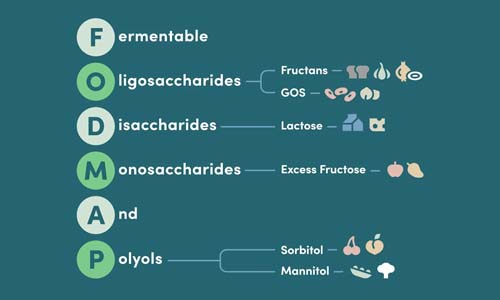
Is gingerbread low FODMAP? Traditional versions usually are not, since wheat flour can contribute fructans. The holiday flavor is still possible: check serving sizes, read packaged-food labels carefully, and choose ingredients that fit your current FODMAP plan.
Key Takeaways
- Traditional gingerbread is usually high in FODMAPs because wheat flour contains fructans, but a holiday-friendly version is still within reach.
- Paying attention to serving sizes can make the difference between a safe treat and a symptom trigger.
- Reading packaged-food labels carefully helps you spot hidden ingredients that may not fit your FODMAP plan.
- Choosing the right ingredients lets you enjoy the classic gingerbread flavor without abandoning your dietary goals.
Molasses itself is not automatically off the menu. Monash University tested molasses at a low FODMAP serving of 1 teaspoon (5 g), a reminder that portion size and the full recipe both matter.
The Verdict in One Paragraph
Traditional gingerbread is generally high in FODMAPs because it is commonly made with wheat flour, a source of fructans. A modified recipe made with suitable low FODMAP ingredients may fit the diet in a tested serving size. There is no single serving rule for every cookie: flour type, sweetener quantity, cookie size, and other ingredients all affect the total. If you are in the elimination phase, follow your clinician’s or dietitian’s portion guidance and check current app listings before relying on a serving amount.
Why Traditional Gingerbread Is High FODMAP (Wheat Fructans)
Many standard recipes use 2 or more cups of wheat flour. Wheat contains fructans, which some people with IBS may need to limit during the elimination phase. A small cookie still contains some of the flour from the whole batch, so portion size matters, but a smaller piece does not automatically make a wheat-based recipe low FODMAP. Molasses and flour alternatives need their own serving-size checks.
Ingredient-by-Ingredient FODMAP Breakdown
Use this table as a starting point, not a guarantee for a finished baked good. Monash University’s tested molasses serving is specific; for other ingredients, check current Monash University or FODMAP Friendly information for the exact product and portion. Tolerance and recipe serving sizes can differ.
| Ingredient | FODMAP consideration | Practical check |
|---|---|---|
| Wheat flour | Contains fructans | Choose a suitable alternative and assess the recipe portion. |
| Molasses | Monash-tested low FODMAP at 1 teaspoon (5 g) | Measure per serving rather than estimating from the whole batch. |
| Golden syrup | Low FODMAP at 1 teaspoon servings | Keep the amount within the tested serving. |
| Ginger and baking spices | Check the specific spice and serving in the current app | Use measured amounts and avoid assuming a whole recipe is tested. |
How Much Molasses Is Low FODMAP? Serving Sizes That Matter
Molasses and Golden Syrup: The 1-Teaspoon Green Light
Monash University announced its testing of molasses in November 2017 and lists 1 teaspoon (5 g) per serving as low FODMAP. Golden syrup is also low FODMAP at a 1-teaspoon serving. These are serving-size findings, not permission to pour freely: divide the amount in a batch by the number of portions, then check whether each portion stays within the listed amount. Cookies may be uneven in size, so weighing or portioning dough evenly makes the calculation more reliable.
Sweetener Swaps: Maple Syrup, Brown Sugar, and What to Skip
Maple syrup and brown sugar can be useful alternatives in baking, but suitability depends on the amount used and the resulting portion. Confirm the current tested serving for the specific sweetener rather than assuming all sugars behave alike. Avoid high-fructose corn syrup (HFCS) when checking packaged gingerbread, and watch for blends that list several sweeteners. Swapping an ingredient may change moisture, sweetness, and texture, so a direct one-for-one substitution may not work in every recipe. Account for sweeteners in icing and decoration as well as the cookie.
Safe Spices: Ginger, Cinnamon, Cloves, and Nutmeg Amounts
Ground ginger, cinnamon, cloves, and nutmeg supply familiar warm, aromatic flavor. Use measured recipe quantities, then consult current Monash University or FODMAP Friendly listings for serving-specific information. The research available here does not establish exact green-light amounts for each spice, so do not treat a pinch or a full batch as a universal safe limit. If you are sensitive to spice intensity, begin with a small portion and keep a food record alongside your dietitian’s advice.
Store-Bought Gingerbread: How to Read the Label Before You Buy
Red-Flag Ingredients: Wheat Flour, HFCS, and Hidden Molasses Loads
Start with the ingredient list, not front-of-package claims. Wheat flour signals a potential fructan issue, while HFCS is a reason to check the product carefully. Molasses may appear well down the list, but the label rarely tells you how much a cookie contains. Check serving size, cookies per package, and whether the nutrition panel’s serving matches how much you plan to eat. A gluten-free claim addresses gluten, not necessarily FODMAP content.
Gluten-Free Flour Blends: Which Work and Which Trigger (Soy, Chickpea, Coconut)
Gluten-free does not automatically mean low FODMAP. Flour blends vary: some use rice flour, while others include soy, chickpea, or coconut ingredients that need individual serving-size checks. Read the full ingredient statement for flour components, fibers, and added sweeteners. If a blend’s ingredients are unfamiliar, look them up in a current app or ask a registered dietitian; do not infer FODMAP suitability from the gluten-free label alone.
A Quick Checklist for Packaged Gingerbread and Baking Mixes
Before choosing a mix or ready-made treat, use this label check:
- Look for wheat flour and identify the flour blend used in gluten-free products.
- Scan for HFCS, molasses, and multiple sweeteners; account for the stated portion.
- Check add-ins, including frosting, chocolate, or dried fruit.
- Compare the labeled serving with the amount you expect to eat, then verify ingredients using current FODMAP testing guidance.
For cooking beyond sweets, Organic Chicken Bone Broth (Low FODMAP, Unsalted) is a liquid broth made with 7 organic ingredients and scallion green tops, leek green tops, and chives in place of onion and garlic bulbs. Organic Chicken Bone Broth (Low FODMAP, Unsalted) is slow-simmered for 16 hours and can be used for sipping or cooking.
Low FODMAP Gingerbread Recipe (Cookies and Loaf, With Portion Guidance)
This flexible gingerbread recipe uses a gluten-free flour blend and measured molasses to recreate warm, spiced flavor without wheat flour. Bake it as small cookies or a loaf, calculating portions before serving. It has not been lab-tested as a finished recipe, so ingredient-level guidance cannot guarantee that every portion will suit every person. Check current Monash University or FODMAP Friendly listings and follow your dietitian’s plan, especially during elimination.
Ingredients and Step-by-Step Method
Makes: 24 small cookies or one loaf cut into 12 portions
Ingredients: 300 g gluten-free baking flour blend; 1 teaspoon baking soda; 2 teaspoons ground ginger; 1 teaspoon cinnamon; 1/4 teaspoon ground cloves; 1/4 teaspoon salt; 100 g softened unsalted butter; 100 g packed brown sugar; 1 large egg; 60 g molasses; 1 teaspoon vanilla extract.
- Whisk the flour, baking soda, spices, and salt in a bowl. In a separate bowl, beat the butter and brown sugar until creamy. Mix in the egg, molasses, and vanilla.
- Stir the dry ingredients into the wet mixture until a soft dough forms. Cover and chill for about 30 minutes, until firm enough to shape.
- For cookies, heat the oven to 350°F. Roll dough between sheets of parchment to about 1/4 inch thick, cut into 24 small shapes, and arrange on a lined baking sheet. Bake for 8 to 10 minutes, then cool completely.
- For a loaf, spread the dough in a parchment-lined loaf pan and bake at 350°F until the center is set, checking near 35 minutes. Cool before cutting into 12 portions.
The recipe uses 60 g molasses across the batch. Divided into 12 equal loaf portions, that is 5 g per slice; divided into 24 cookies, it is 2.5 g per cookie. Monash University’s listed low FODMAP molasses serving is 1 teaspoon (5 g), so the calculation keeps the molasses amount within that reference serving. This is not a lab-tested rating for the finished bake, and the flour blend and other ingredients still need individual consideration.
Frosting, Icing, and Decoration Options
For a simple low FODMAP frosting, beat 60 g softened butter with 120 g sifted powdered sugar and 1 to 2 teaspoons lactose-free milk or water until spreadable. Add liquid gradually so the icing stays thick enough to pipe. A dairy-free alternative can use a plant-based butter whose ingredient list suits your plan; check for added fibers, sweeteners, or other ingredients that may affect FODMAP content. Powdered sugar and frosting portions also count toward the serving, so keep decorations modest.
For a lighter finish, brush cooled cookies with a thin glaze made from powdered sugar and water. Use small amounts of sprinkles or other decorations after checking their ingredient labels. Verify each component and count the topping as part of the total portion, not as a separate free extra.
Cookie Cutter Size and Servings: Keeping Portions in the Green
Use a small cutter and divide the dough evenly into 24 cookies. Larger shapes change the amount of flour, sweetener, and spice in each cookie, so the 24-cookie calculation no longer applies. For loaf baking, cut 12 even slices and use the molasses calculation above as a starting point. A kitchen scale makes portioning more consistent, especially when several people share a batch.
Beyond Cookies: Gingerbread Spices in Low FODMAP Dinners and Lunches
Ginger, cinnamon, and cloves can flavor more than holiday baking. In savory dishes, they bring warmth to soups, braises, glazes, and lunch bowls without making the meal taste like dessert. Start with a modest amount, taste as it cooks, and keep your serving aligned with your current FODMAP plan. These ideas add variety to low FODMAP dinners and low FODMAP lunch ideas, especially when familiar onion and garlic flavors are missing.
Ginger-Spiced Braises and Glazes Built on Bone Broth
For a simple braise, soften carrots in a little oil, add fresh grated ginger and a pinch of cinnamon, then pour in enough broth to cook chicken or pork until tender. Simmer uncovered near the end to concentrate the cooking liquid into a light sauce. For a glaze, reduce broth with ginger and a small amount of maple syrup, then brush it over roasted vegetables or protein. Organic Chicken Bone Broth (Low FODMAP, Unsalted) is made with scallion green tops, leek green tops, and chives in place of onion and garlic bulbs. Its unsalted profile lets you season the dish to taste.
Depth Without Onion or Garlic Bulbs: Garlic Scape and Green Onion Pairings with Ginger
Ginger pairs well with the fresh, savory notes of garlic scapes, garlic chives, and green onion tops. Stir chopped green tops into a finished soup, rice bowl, or stir-fry for an allium-style finish rather than cooking them for a long time. Add a low FODMAP seasoning blend that contains no onion or garlic bulbs, and taste before adding salt. This combination works in a lunch bowl with rice, cooked vegetables, and protein, or as a finishing touch for dinner. Organic Chicken Bone Broth (Low FODMAP, Unsalted) also works as the cooking liquid for grains or a quick pan sauce.
Warming Ginger-Spiced Drinks to Serve Alongside
Serve a ginger-spiced meal with hot water steeped with fresh ginger, or add a cinnamon stick for a gentle baking-spice aroma. Keep the drink simple and check any sweetener or packaged tea ingredients against your plan. A warm, unsweetened drink can accompany lunch or dinner without adding another sauce or seasoning to calculate. Choose the spice intensity you enjoy, and follow personal or dietitian guidance if certain ingredients are a concern.
 Organic Chicken Bone BrothLeek and scallion tops stand in for onion and garlic. Seven organic ingredients, unsalted.Shop now
Frequently Asked Questions
Can I eat store-bought gingerbread on a low FODMAP diet?
Possibly, but the product and portion matter. Check the ingredient list for wheat flour, sweeteners, flour alternatives, and add-ins, then compare the stated serving with the amount you plan to eat. A gluten-free label does not confirm that a product is low FODMAP. If the manufacturer does not provide enough ingredient or serving detail, choose a treat whose ingredients you can assess confidently or ask a registered dietitian for help.
What gluten-free flour should I use for gingerbread?
Choose a gluten-free baking blend whose ingredients fit your current FODMAP plan. Rice-based blends are one possible starting point, but blends vary, so read the full label for ingredients such as chickpea, soy, or coconut flour and added fibers. The blend also affects texture: a flour mix designed for baking may behave differently from a single flour. Check current Monash University or FODMAP Friendly information for serving-specific guidance, and follow the recipe’s measurements rather than swapping flour by volume without testing the result.
How many low FODMAP gingerbread cookies can I eat in one sitting?
There is no universal number. Cookie size, flour blend, sweeteners, toppings, and the rest of the meal all affect the portion. For a batch divided into equal pieces, use the recipe’s serving calculation as a guide, then check each ingredient against current testing information. The recipe above has not been lab-tested as a finished product, so ingredient-level notes do not guarantee that every portion will suit every person. Follow your clinician’s or dietitian’s advice, particularly during the elimination phase.