



Is Coconut Milk Low FODMAP? Serving Sizes, Label Decoding, and Cooking Tips

Navigating a low FODMAP diet can sometimes feel like deciphering a secret code, especially concerning everyday staples like milk and milk alternatives. Many of us reach for plant-based options for their perceived health benefits or to avoid dairy, but determining which ones are truly gut-friendly requires a keen eye and reliable information. Coconut milk, with its rich flavor and creamy texture, is a popular choice, but the question of its FODMAP status often arises. So, is coconut milk low FODMAP? The answer, as with many things in low FODMAP living, depends on a few key distinctions.
Understanding the nuances between different types of coconut milk and their serving sizes is essential for enjoying them without triggering digestive discomfort. We're here to break down the science, offer clear guidance, and help you confidently incorporate suitable options into your culinary adventures. This article explores what the research tells us, focusing on actionable insights that align with our Gourmend Foods philosophy: Delicious First. Gentle Always.
The Quick Answer: Is Coconut Milk Low FODMAP?
Yes, but with important caveats regarding type and serving size. Unsweetened UHT (Ultra-High Temperature processed) coconut milk is considered low FODMAP in servings up to 3/4 cup (185ml), according to FODMAP Friendly. Canned coconut milk, often richer and thicker, is low FODMAP only in smaller servings, typically 1/4 cup (60ml), due to higher concentrations of FODMAPs like mannitol. Sweetened or flavored varieties often contain added high-FODMAP ingredients and should be approached with caution.
UHT Coconut Milk: The 1/2 Cup Sweet Spot
When considering coconut milk for a low FODMAP diet, the type you choose makes a significant difference. Unsweetened UHT coconut milk, often found in shelf-stable cartons and commonly used as a beverage or in lighter cooking applications, is generally more forgiving. FODMAP Friendly, the leading authority in FODMAP research, lists unsweetened UHT coconut milk as low FODMAP in servings up to 3/4 cup (approximately 185ml). This larger serving size makes it a versatile option for many recipes, from smoothies to lighter curries. But, it's always wise to check the ingredient list for any added high-FODMAP sweeteners or thickeners.
Canned Coconut Milk: Why Serving Size Changes Everything
Canned coconut milk, typically richer and creamier than its UHT counterpart, is a different story for FODMAP content. This thicker variety is often made with a higher proportion of coconut solids and is frequently used for its luxurious texture in dishes like curries, sauces, and desserts. Due to its concentrated nature, the low FODMAP serving size is significantly smaller. Research from sources like Healthy Food Guide indicates that canned coconut milk is considered low FODMAP at a serving of 1/2 cup (about 120ml), but FODMAP Friendly's data suggests an even more conservative threshold of 1/4 cup (60ml) to remain low in FODMAPs. This smaller portion is primarily due to higher levels of mannitol, a type of polyol, which can be problematic for sensitive individuals in larger quantities.
Sweetened and Flavored Coconut Milks
The allure of flavored or sweetened coconut milks can be strong, promising an easy shortcut to taste. but, these products often introduce hidden FODMAP triggers. Ingredients like high-fructose corn syrup, honey, agave nectar, inulin, or chicory root fiber are common additions and are high in fructans or other fermentable sugars. Even "natural flavors" can sometimes mask high-FODMAP ingredients. When choosing any coconut milk product, always scrutinize the ingredient list. Opting for unsweetened versions and adding your own low-FODMAP flavorings, like pure vanilla extract or a touch of maple syrup, is a much safer strategy for managing your diet.
Which FODMAPs Are Actually in Coconut Milk?
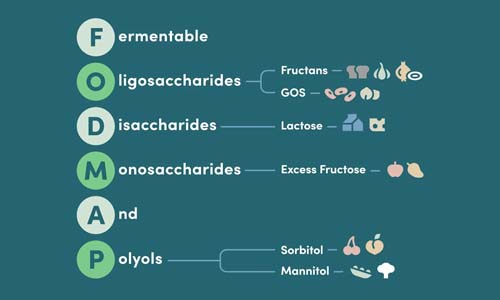
Coconut milk, particularly the canned variety, can contain several types of FODMAPs. The primary culprits are fructans and polyols. Fructans, a type of oligosaccharide, are present in coconut flesh. Mannitol, a specific polyol, is also found naturally in coconuts and can contribute to the FODMAP load, especially in larger servings of canned coconut milk. While coconut itself does not contain lactose or sorbitol in significant amounts, the presence of fructans and mannitol means that serving sizes must be carefully managed. Understanding these specific FODMAP groups helps explain why the distinction between UHT and canned coconut milk, and their respective serving sizes, is so essential for a low FODMAP diet.
Coconut Milk Serving Size Guide (Low FODMAP)
Referencing FODMAP Friendly and other reliable sources, here’s a practical guide:
- UHT Coconut Milk (Unsweetened): Low FODMAP up to 3/4 cup (185ml).
- Canned Coconut Milk (Full-Fat, Unsweetened): Low FODMAP up to 1/4 cup (60ml) per FODMAP Friendly. Some sources suggest 1/2 cup (120ml) may be tolerated, but start conservatively.
- Sweetened/Flavored Coconut Milks: Generally not recommended due to added high-FODMAP ingredients; check labels carefully.
Pro Tip: Always look for "unsweetened" on the label and check for high-FODMAP additives like inulin, chicory root, or high-fructose corn syrup. When in doubt, stick to the smaller, more conservative serving sizes recommended by FODMAP Friendly.
Low FODMAP Milk Alternatives: A Side-by-Side Serving Guide

While coconut milk is a popular choice, the low FODMAP diet offers a spectrum of milk alternatives, each with its own FODMAP profile and ideal serving size. Navigating these options can be daunting, as information can sometimes seem conflicting. We aim to provide clarity, drawing from authoritative sources like FODMAP Friendly, to help you make informed decisions. Whether you're looking for a base for your morning coffee, a creamy addition to a curry, or a simple beverage, understanding these alternatives is key to enjoying your meals with confidence.
Almond, Oat, Rice, and Hemp Milks
Plant-based milks like almond, oat, rice, and hemp are common staples, but their FODMAP content varies significantly. Unsweetened almond milk is generally well-tolerated, with FODMAP Friendly listing it as low FODMAP in generous servings up to 1 cup (250ml). Oat milk, a favorite for its creamy texture, is low FODMAP only in smaller quantities, approximately 1/2 cup (104ml), due to its higher fructan content in larger amounts. Rice milk is typically safe in servings up to 3/4 cup (200ml). Hemp milk is also a good option, usually tolerated in servings similar to almond milk. As always, choose unsweetened varieties and check ingredient lists for additives like inulin or high-FODMAP thickeners.
Soy Milk: Why the Bean Type Matters
Soy milk's FODMAP status is a frequent point of confusion. Soy milk made from whole soybeans is high in GOS (galactooligosaccharides), a type of oligosaccharide FODMAP, making it unsuitable for most individuals on a low FODMAP diet. but, soy milk made from soy protein isolate is typically low FODMAP. FODMAP Friendly lists soy milk made from soy protein as safe in servings up to 1 cup (250ml). This distinction is critical: the processing method and the specific part of the soybean used dramatically alter its FODMAP content. Always check the ingredients to ensure you're choosing a soy milk made from protein isolate, not whole beans.
Lactose-Free Cow's Milk and Other Dairy Options
For those who consume dairy but are sensitive to lactose, lactose-free cow's milk is an excellent option. Lactose is a disaccharide that many people struggle to digest. By removing or breaking down the lactose, lactose-free milk becomes suitable for a low FODMAP diet. FODMAP Friendly lists lactose-free milk as low FODMAP in servings up to 1 cup (250ml). Other dairy products like hard cheeses (cheddar, Swiss, Parmesan) are naturally low in lactose and well-tolerated. but, regular milk, yogurt, and soft cheeses are typically high in lactose and should be avoided or consumed in very small, carefully assessed portions.
Low FODMAP Milk Alternatives: Serving Guide
| Milk Alternative | Low FODMAP Serving Size (Approx.) | Primary FODMAPs (in larger servings) | Notes |
|---|---|---|---|
| Unsweetened Almond Milk | 1 cup (240ml) | Polyols (in some brands due to additives) | Choose brands without added inulin or chicory root. |
| Unsweetened Oat Milk | 1/2 cup (104ml) | Fructans | Higher servings can trigger symptoms. |
| Unsweetened Rice Milk | 3/4 cup (200ml) | None at this serving | Generally well-tolerated. |
| Unsweetened Hemp Milk | 1 cup (240ml) | None at this serving | Good source of omega-3 fatty acids. |
| Soy Milk (from Soy Protein Isolate) | 1 cup (240ml) | GOS (from whole soybeans) | important to select brands made from protein isolate, not whole beans. |
| Lactose-Free Cow's Milk | 1 cup (240ml) | Lactose (removed) | Ideal for dairy drinkers sensitive to lactose. |
| Unsweetened UHT Coconut Milk | 3/4 cup (185ml) | Fructans, Mannitol | Carton versions are typically lower FODMAP than canned. |
| Canned Coconut Milk (Full-Fat) | 1/4 cup (60ml) | Mannitol, Fructans | Use sparingly; rich and creamy but concentrated FODMAPs. |
Important Note: Serving sizes are based on FODMAP Friendly's FODMAP app findings. Always refer to the latest data and check ingredient labels diligently for any hidden high-FODMAP ingredients, especially in flavored or sweetened versions.
The Label Decoder: Spotting Hidden FODMAPs in 'Healthy' Milks
When navigating a low FODMAP diet, the journey often involves scrutinizing ingredient lists with a magnifying glass. Many products marketed as "healthy" or "natural" can still harbor hidden high-FODMAP ingredients that may trigger digestive distress. Plant-based milks, in particular, can be culprits if not carefully chosen. Understanding what to look for is not just about avoiding discomfort; it's about regaining confidence in your food choices and truly enjoying your meals. We believe that knowledge is power, and by decoding these labels, you can make informed decisions that align with your gut health goals, ensuring that what you consume is both delicious and gentle.
Additives That Quietly Trigger Symptoms
Many plant-based milk alternatives rely on thickeners and stabilizers to achieve a desirable texture and shelf life. While some are benign, others can be significant sources of FODMAPs. Inulin and chicory root extract, for example, are common prebiotic fibers often added for their health benefits, but they are high in fructans, a type of FODMAP. Similarly, ingredients like agave nectar, honey, and high-fructose corn syrup, often used as sweeteners, are concentrated sources of fructose and fructans. Even seemingly harmless ingredients like certain fruit juice concentrates can add fructose. Always scan the ingredient list for these common offenders, as they can turn a seemingly safe milk into a trigger.
What 'Natural Flavors' Actually Means
The term "natural flavors" on an ingredient list can be a mystery for many consumers, and it's a space where hidden FODMAPs can reside. While "natural flavors" are derived from natural sources (plant or animal), the specific components are often proprietary and not required to be disclosed. This means they could potentially include high-FODMAP ingredients like onion or garlic extracts, or fruit-derived sugars, depending on the flavor profile being created. For individuals highly sensitive to specific FODMAPs, the ambiguity of "natural flavors" can be a cause for concern. When aiming for strict adherence to a low FODMAP diet, it's often best to choose products where "natural flavors" are either absent or clearly accompanied by other ingredients that confirm their low-FODMAP status.
Why FODMAP Friendly Certification Removes the Guesswork
The complexity of ingredient lists and the ambiguity of terms like "natural flavors" can make label reading a frustrating and time-consuming task. This is precisely why third-party certifications are so valuable. The FODMAP Friendly certification, developed by FODMAP Friendly scientists, provides a trusted seal of approval. Products bearing this certification have undergone rigorous laboratory testing to ensure they meet specific low FODMAP thresholds for serving sizes and ingredients. For consumers, this means eliminating the guesswork and confidently selecting products that are genuinely suitable for their dietary needs. It's a commitment to transparency and gut health, ensuring that you can enjoy your food without constant worry.
Your Low FODMAP Milk Label Checklist
- Scan for Sweeteners: Look out for high-fructose corn syrup, honey, agave, molasses, and fruit juice concentrates. Opt for pure maple syrup or stevia if sweetness is desired.
- Watch for Fibers: Be wary of added fibers like inulin, chicory root, or FOS (fructooligosaccharides).
- Check Thickeners: While some are fine, be mindful of ingredients that might be derived from high-FODMAP sources.
- "Natural Flavors": Consider the overall ingredient list. If other ingredients are unclear, you might want to choose a different product.
- Seek Certification: Look for the FODMAP Friendly logo as a reliable indicator of a product's low FODMAP compliance.
- Prioritize Unsweetened: Unsweetened varieties typically offer more control over FODMAP content.
Cooking With Low FODMAP Milks: Practical Swaps and Recipes
Once you've identified safe low FODMAP milk alternatives, the next step is integrating them easily into your culinary creations. Moving beyond simply drinking them, these milks can form the backbone of flavorful dishes, from creamy sauces to delightful baked goods. The key is understanding how their unique properties. Fat content, flavor profile, and behavior when heated. Affect the final outcome. At Gourmend Foods, we champion the idea that a restricted diet doesn't mean sacrificing taste or gourmet quality. Instead, it's an opportunity to be creative and discover new ways to build delicious, gut-friendly meals. This section focuses on making those practical swaps and building flavor without relying on common trigger ingredients.
Matching Milk to Method: Drinking, Coffee, Curries, and Baking
The best milk alternative for a specific use depends on its characteristics. For drinking or cereal, unsweetened almond, rice, or hemp milk are excellent choices due to their neutral flavor and good serving sizes. In coffee, a milk that froths well and has a creamy texture is ideal; unsweetened almond milk or lactose-free dairy milk often perform best. For rich curries and sauces, full-fat canned coconut milk (in its safe serving size) or a carefully diluted version can provide the necessary creaminess and body. When baking, consider the fat content and flavor. Almond or soy milk (from protein isolate) are often good all-purpose substitutes, while oat milk can add a pleasant richness, though its smaller serving size needs consideration. Always ensure your chosen milk is unsweetened to avoid adding unnecessary FODMAPs.
Building Flavor Without Onion or Garlic
A common challenge on a low FODMAP diet is the absence of onion and garlic, which are foundational aromatics in so many cuisines. Fortunately, there are clever ways to build depth and savory notes. Gourmend Foods' Low FODMAP Taco Seasoning is a prime example, crafted with garlic scape and green onion powders instead of the high-FODMAP bulbs. These ingredients offer a similar aromatic profile without the trigger compounds. Other strategies include using the green parts of scallions or leeks (white and light green parts are high FODMAP), fresh ginger, herbs like chives, parsley, and cilantro, and umami-rich ingredients like nutritional yeast, GF tamari, or a splash of fish sauce (in moderation). Our own organic broths, like our 🐓 Organic Chicken Bone Broth, also provide a rich, savory base that forms the foundation of many flavorful dishes.
Low FODMAP Milk Substitution Guide for Cooking
| Recipe Use | Recommended Low FODMAP Milk Alternatives | Notes |
|---|---|---|
| Drinking/Cereal | Unsweetened Almond, Rice, Hemp, Lactose-Free Dairy | Choose based on personal preference. |
| Coffee/Frothing | Unsweetened Almond, Lactose-Free Dairy, UHT Coconut Milk | Look for barista blends for best frothing. |
| Curries/Soups (Creamy) | Canned Coconut Milk (1/4 cup serving), UHT Coconut Milk (larger serving), Lactose-Free Cream (if available) | Dilute canned coconut milk with water or broth for larger quantities. |
| Baking (Cakes, Muffins) | Unsweetened Almond, Soy (from protein isolate), Rice, UHT Coconut Milk | Consider fat content; almond and soy are good all-rounders. |
| Sauces (White Sauce, Gravy) | Lactose-Free Milk, Unsweetened Almond, UHT Coconut Milk | Thicken with gluten-free flour or cornstarch. |
Recipe: Coconut-Lemongrass Soup With Gourmend Chicken Bone Broth
Let's put these principles into practice with a comforting soup that highlights the power of simple, flavorful ingredients. This Coconut-Lemongrass Soup is designed to be light yet satisfying, using the rich base of our 🐓 Organic Chicken Bone Broth. The broth provides a depth of flavor that is essential for a truly gourmet experience, especially when onion and garlic are off the table. We'll use unsweetened UHT coconut milk for its creamy texture and mild flavor, complementing it with aromatic lemongrass and ginger. A touch of lime juice adds brightness, and fresh herbs bring it all together. This recipe exemplifies how you can create complex, satisfying dishes by focusing on quality ingredients and smart substitutions, bringing Gourmend Foods' "Delicious First. Gentle Always." philosophy to your kitchen.
Coconut-Lemongrass Soup
Yields: 4 servings
Prep time: 15 minutes
Cook time: 20 minutes
Ingredients:
- 4 cups 🐓 Organic Chicken Bone Broth
- 1 stalk lemongrass, tough outer layers removed, bruised and roughly chopped
- 1-inch piece fresh ginger, thinly sliced
- 1 can (13.5 oz) unsweetened UHT coconut milk
- 1 tablespoon low-FODMAP soy sauce or tamari
- 1 tablespoon fresh lime juice, plus more to taste
- Optional: Cooked chicken or firm tofu, sliced chili (capsicum), fresh cilantro, thinly sliced green parts of scallion
Instructions:
- In a pot, combine the 🐓 Organic Chicken Bone Broth, lemongrass, and ginger. Bring to a simmer over medium heat.
- Let it simmer gently for 10-15 minutes to infuse the flavors.
- Strain the broth, discarding the lemongrass and ginger solids. Return the broth to the pot.
- Stir in the unsweetened UHT coconut milk, low-FODMAP soy sauce (or tamari), and lime juice. Heat gently until warmed through; do not boil.
- If using, add cooked chicken or tofu to warm through.
- Taste and adjust seasoning with more lime juice or a pinch of salt if needed.
- Serve hot, garnished with fresh cilantro and the green parts of scallions, if desired.
Culinary Tip: For an extra layer of flavor without high-FODMAP ingredients, consider adding a small amount of Gourmend's Green Onion Powder or Garlic Scape Powder to the broth base before straining. These powders provide concentrated flavor that works beautifully in soups and stews.
Your Coconut Milk and Low FODMAP Questions, Answered

Can I drink coconut milk every day on a low FODMAP diet?
Daily consumption of coconut milk on a low FODMAP diet depends largely on the type and serving size. Unsweetened UHT coconut milk is generally safe up to about 3/4 cup (185ml) per serving, which FODMAP Friendly confirms as low FODMAP. That means moderate daily use is possible for most people without triggering symptoms. but, canned coconut milk, due to its concentrated nature and higher mannitol content, is better limited to smaller servings around 1/4 cup (60ml) to stay comfortably low FODMAP. If you experience digestive symptoms despite adhering to these guidelines, it may be wise to reduce intake or alternate with other low FODMAP milk alternatives. Listening to your body and keeping a food diary can help identify personal tolerance levels.
Is canned coconut cream the same as canned coconut milk for FODMAPs?
Canned coconut cream is typically thicker and richer than canned coconut milk because it contains a higher concentration of coconut solids. From a FODMAP perspective, this means canned coconut cream usually has higher levels of mannitol and fructans per serving, making its safe portion sizes smaller than canned coconut milk. While canned coconut milk is considered low FODMAP at around 1/4 cup (60ml), canned coconut cream servings should be approached with greater caution and likely limited to even smaller amounts. For recipes requiring creaminess, diluting coconut cream with water or broth can help maintain flavor while keeping FODMAP content manageable.
What about coconut yogurt and coconut flour?
Coconut yogurt and coconut flour have different FODMAP profiles compared to coconut milk. Unsweetened coconut yogurt can be low FODMAP if it contains no added high-FODMAP sweeteners or thickeners, but serving size matters. Many coconut yogurts include inulin or other prebiotic fibers, which are high in fructans, so checking labels is essential. Coconut flour, made from dried coconut meat, contains moderate levels of polyols and should be used sparingly on a low FODMAP diet. Small quantities, generally below 1 tablespoon, are often tolerated, but larger amounts may trigger symptoms. Because both products vary widely in composition, choosing those with FODMAP Friendly certification or trusted ingredient lists is advisable.
How do I know if a milk triggered my symptoms?
Identifying whether a specific milk or milk alternative triggered your digestive symptoms involves careful observation and tracking. Keeping a detailed food and symptom diary can reveal patterns correlating consumption with discomfort. The process often involves an elimination phase, where suspected triggers like coconut milk are removed, followed by a controlled reintroduction in safe serving sizes. Monitoring symptom changes during this process helps clarify tolerance levels. Consulting with a registered dietitian experienced in FODMAP management can provide personalized guidance and support, ensuring that your approach is both safe and effective.
Where can I find certified low FODMAP cooking staples?
For reliable low FODMAP cooking essentials, seek products with FODMAP Friendly certification, which guarantees thorough laboratory testing and safe serving sizes. At Gourmend Foods, we offer a curated range of certified low FODMAP items designed for flavorful, gentle cooking. Our Low FODMAP Taco Seasoning is a standout example, crafted with garlic scape and green onion powders instead of onion and garlic bulbs to provide bold taste without triggers. This seasoning includes carefully sourced spices like cumin from the Hindu Kush and black lime from Guatemala, all free from fillers and preservatives. Pairing such products with our organic broths can simplify meal preparation while supporting digestive comfort. For tailored advice on managing your diet, collaborating with a healthcare professional is always recommended.
Key Insight
When navigating whether is coconut milk low fodmap fits your diet, paying attention to product type, serving size, and certification can make all the difference. Certified products like Gourmend Foods' Low FODMAP Taco Seasoning provide both confidence and culinary excitement, turning gut-friendly cooking from a challenge into a pleasure.