



IBS Trigger Foods: What to Eat, What to Avoid, and Easy Low FODMAP Swaps

ibs trigger foods
Food reactions with IBS can feel unpredictable. IBS trigger foods vary by portion, preparation, symptom pattern, and personal tolerance. A food that causes bloating one day may be tolerated in a smaller serving another day.
Key Takeaways
- Individual tolerance to trigger foods can shift based on serving size and how the food is prepared.
- A food that causes bloating on one occasion may be well tolerated in a smaller portion on another day.
- Tracking your own symptom patterns is more reliable than following a one-size-fits-all list of forbidden foods.
- Low FODMAP swaps let you replace common trigger ingredients without sacrificing taste or variety in meals.
Identify patterns instead of eliminating every nutritious food, then replace suspected ingredients with flavorful lower-FODMAP choices. IBS should be diagnosed by a clinician because food intolerance can resemble celiac disease, food allergy, inflammatory bowel disease, or other conditions.
Understanding IBS Trigger Foods: It's Not One-Size-Fits-All
What Are IBS Trigger Foods?
IBS trigger foods are foods or beverages that seem to worsen abdominal pain, bloating, gas, diarrhea, constipation, urgency, or altered stool consistency. The supplied clinical review in PubMed Central reports that more than half of people with IBS self-report food intolerance or symptom worsening after particular foods. Symptoms often appear within a few hours of eating, though timing varies.
Why Individual Tolerance Varies Beyond FODMAPs
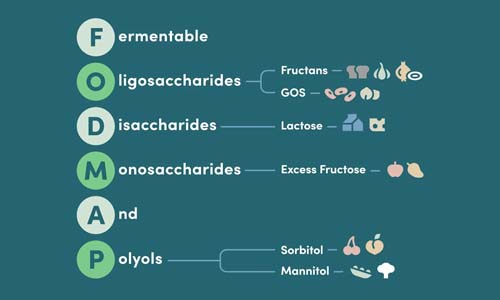
FODMAPs are fermentable carbohydrates that may draw water into the intestine and ferment in the colon. They are only one factor. Large meals, dietary fat, caffeine, alcohol, chili heat, insoluble fiber, stress, poor sleep, and eating quickly can also affect symptoms. Lactose, fructose, wheat fructans, polyols, and food additives are tolerated differently from person to person.
Preparation matters. Raw cabbage may feel harder to tolerate than a cooked portion, and a small serving of oats may work better than a large bowl. The response may reflect the complete meal rather than one ingredient.
The Myth of Universal “Worst Foods” for IBS
Searches for the “ten worst foods for IBS” or the worst fruits for IBS can offer clues, but they cannot predict an individual response. Apples, pears, watermelon, mango, cherries, and dried fruit are often discussed because their FODMAP content can be high at certain portions. That does not mean everyone must avoid fruit. Serving size, ripeness, other foods in the meal, and the dominant symptom pattern matter.
Key Categories of Common IBS Triggers: A Quick Overview
Common categories include garlic and onion, selected fruits and vegetables, lactose-containing dairy, wheat-based foods rich in fructans, beans, fried meals, spicy foods, caffeine, alcohol, and sugar alcohols. Use these categories to guide a food diary, not to create a permanent forbidden-food list. A registered dietitian can support structured elimination and reintroduction while protecting nutritional variety.
Common IBS Trigger Foods & Their Lower-FODMAP Swaps

The Top Suspects: A Practical Guide
The table pairs suspected ingredients with substitutions. “Lower-FODMAP” does not mean unlimited: tolerance depends on serving size, and combined ingredients can create FODMAP stacking. Test meals one variable at a time.
| Trigger category | Common examples | Lower-FODMAP cooking swap |
|---|---|---|
| Alliums | Garlic, onions, shallots, onion powder | Garlic-infused oil, garlic chives, green onion tops, or Gourmend low FODMAP seasonings |
| Fruits | Apples, pears, mango, cherries, watermelon, dried fruit | Oranges, grapes, kiwi, pineapple, strawberries, or a measured portion of firm banana |
| Vegetables | Cauliflower, mushrooms, asparagus, large portions of broccoli | Carrots, bell peppers, zucchini, eggplant, green beans, or a modest serving of broccoli florets |
| Dairy | Milk, ice cream, soft cheese, cream-based sauces | Lactose-free milk, lactose-free yogurt, aged hard cheese, or a non-dairy alternative without inulin |
| Wheat and grains | Wheat bread, pasta, crackers, and baked goods | Rice, quinoa, corn tortillas, potatoes, or a tested gluten-free product |
| Beans and legumes | Large servings of kidney beans, chickpeas, lentils, or baked beans | Small portions of canned, drained legumes, firm tofu, eggs, poultry, or fish |
| High-fat foods | Fried food, greasy sauces, rich cream, fatty cuts | Roasting, grilling, steaming, or sautéing with a measured amount of oil |
| Sweeteners | Sorbitol, mannitol, xylitol, maltitol, and excess high-fructose sweeteners | Plain sugar, maple syrup, or a product sweetened without polyols, in a moderate portion |
Trigger Category: Alliums, Garlic and Onion
Garlic and onion contain fructans and appear in sauces, broths, spice blends, deli foods, and restaurant meals. Garlic-infused oil can provide garlic flavor because fructans do not dissolve into oil. Garlic chives, green-onion tops, chives, scallion greens, ginger, toasted spices, and herbs add savory character. Check products for garlic powder, onion powder, dehydrated onion, shallot, and “natural flavors” that may include alliums.
Trigger Category: Certain Fruits and Vegetables
Reactions often reflect portion size and fermentable carbohydrate content rather than low nutritional value. Try smaller servings of lower-FODMAP produce, cook vegetables when raw produce causes discomfort, and avoid testing several new foods in one meal. Citrus, berries, grapes, kiwi, carrots, zucchini, spinach, and bell peppers provide fiber, potassium, vitamins, and variety.
Trigger Category: Dairy and Lactose
Lactose can cause bloating, cramping, gas, or diarrhea when the small intestine does not digest it fully. Lactose-free milk and yogurt preserve familiar uses, while aged cheeses generally contain less lactose than fresh soft cheeses. A reaction to dairy is not automatically a milk allergy, so persistent or severe symptoms need medical evaluation.
Trigger Category: Grains and Gluten, Including Fructans
Some people associate bread or pasta with gluten, but wheat fructans may be the relevant trigger for others. Gluten avoidance is medically necessary for celiac disease, which differs from IBS. Rice, oats, quinoa, potatoes, and corn tortillas can provide alternatives. Choose certified gluten-free products when celiac disease is a concern, and check for inulin, chicory root, or sugar alcohols.
Trigger Category: Beans and Legumes
Beans and legumes contain galacto-oligosaccharides, which can ferment and produce gas. A small portion of canned, rinsed lentils or chickpeas may be easier to tolerate because some fermentable carbohydrates move into the liquid. Introduce one type at a time, keep portions modest, and use firm tofu or eggs when needed.
Trigger Category: High-Fat and Fried Foods
Fat is not inherently harmful, but greasy meals can intensify urgency, loose stools, nausea, or abdominal discomfort. Fried chicken, heavy cream sauces, rich pastries, and large amounts of oil may be difficult during symptoms. Baking, steaming, grilling, and roasting help control fat while preserving texture and flavor.
Trigger Category: Spicy Foods, Caffeine, and Alcohol
Capsaicin from hot peppers may increase burning or urgency, while caffeine can stimulate bowel activity. Alcohol may affect motility and may be combined with sugary mixers or high-FODMAP ingredients. Test milder seasoning, decaffeinated drinks, and nonalcoholic options separately rather than changing the entire diet.
Trigger Category: Artificial Sweeteners and Sugar Alcohols
Sorbitol, mannitol, xylitol, and maltitol are polyols that may cause gas or diarrhea, especially in sugar-free gum, candy, protein bars, and beverages. Read ingredient lists, including products containing chicory root, inulin, or concentrated fruit juice. Simpler labels make food trials easier to interpret.
Navigating Your Diet During an IBS Flare or Diarrhea
What to Eat When Diarrhea Strikes: Gentle Choices
During diarrhea, choose mild foods that are lower in fat and easy to portion. White rice, plain potatoes, sourdough toast, oatmeal, rice cakes, firm bananas, eggs, baked chicken, and clear broth can provide energy without much grease, spice, or fermentable carbohydrate. Eat small meals slowly. A temporary reduction in raw produce, beans, rich sauces, and large servings of whole grains may help identify gentler foods.
Focusing on “BRAT” and Beyond: Hydration and Easy Digestion
Bananas, rice, applesauce, and toast are familiar BRAT foods, but relying on them alone can leave meals low in protein and variety. Add plain eggs, poultry, fish, lactose-free yogurt, or a small serving of smooth peanut butter as symptoms settle. Replace fluids lost through loose stools with water, broth, or an oral rehydration drink. Take frequent small sips. Very sugary drinks, alcohol, and caffeine can worsen urgency for some people.
Temporary “Safe List” for Acute Symptoms
For a day or two, build meals from foods you have previously tolerated: plain rice or potatoes, cooked carrots, toast, eggs, lean protein, and clear low-FODMAP broth. Keep seasonings simple and avoid testing unfamiliar ingredients during an acute attack. This reduces variables without labeling nutritious foods permanently unsafe. IBS symptoms can overlap with infection, food poisoning, celiac disease, and inflammatory bowel disease, so repeated or severe diarrhea merits clinical evaluation.
When to Reintroduce Foods Gently Post-Flare
When stools and urgency approach baseline, restore foods gradually. Add one item at a time, beginning with a modest serving and allowing time to observe the response. Bring back cooked vegetables before raw salads, modest fiber before large portions, and lighter sauces before fried or creamy meals. Record food, amount, preparation, timing, and symptoms. A registered dietitian can guide reintroduction while preserving variety and adequate nutrition.
Beyond the List: Smart Cooking and Label Reading for IBS
Mastering Serving Sizes: The Key to Tolerance
Portion size often determines whether a food feels manageable. A lower-FODMAP ingredient can still contribute to symptoms when several moderate servings appear in one meal. Start with the serving listed by a recognized testing authority, then adjust according to your response. Measure fruit, legumes, sweeteners, and broth ingredients. Moderately sized meals make it easier to distinguish a food reaction from overeating.
Decoding Labels: Hidden Triggers Like Onion, Garlic Powder, and Inulin
Read ingredient lists whenever a packaged food changes. Look for garlic powder, onion powder, dehydrated onion, shallot, leek, wheat, chicory root, inulin, fructooligosaccharides, sorbitol, mannitol, xylitol, and maltitol. Seasoning blends, bouillon, marinades, soups, protein bars, and meat substitutes may contain several. “Gluten-free” does not automatically mean low-FODMAP, and “natural flavors” may require manufacturer clarification when reactions are consistent.
The Power of Preparation: Cooking, Raw Foods, and Portion Control
Preparation affects texture, volume, and digestion. Steaming, roasting, or sautéing vegetables may make them easier to chew than a large raw serving, though cooking does not remove every FODMAP. Drain and rinse canned legumes, measure oil, and spread fiber across the day. Keep a recipe consistent during testing; changing the grain, sauce, vegetables, and seasoning together makes results difficult to interpret.
Building Flavor Without Alliums: Gourmend’s Culinary Approach
Garlic and onion are not the only ways to create savory depth. Garlic-infused oil, garlic chives, scallion greens, green onion tops, ginger, smoked paprika, toasted cumin, black pepper, citrus zest, herbs, and low-FODMAP taco seasoning add aroma and balance. Gourmend’s organic low-FODMAP broths and broth powder can add a rounded base to sauces, grains, and soups without garlic or onion powder. Taste as you cook, since salt, acidity, heat, and umami each contribute differently.
Practical Swaps for Everyday Meals: From Soups to Stir-Fries
| Meal | Common challenge | Practical adjustment |
|---|---|---|
| Soup | Onion, garlic, or high-FODMAP broth | Use low-FODMAP broth, carrots, spinach, potatoes, and herbs |
| Stir-fry | Garlic, onion, large vegetable portions | Use infused oil, ginger, bell pepper, zucchini, and a measured sauce |
| Grain bowl | Beans, wheat toppings, creamy dressing | Choose rice or quinoa, firm tofu or egg, and a citrus-based dressing |
Creating a Symptom Diary: Your Personal Trigger Tracker
Track meals, serving sizes, ingredients, cooking methods, stress, sleep, menstrual cycle changes, bowel frequency, stool form, pain, bloating, and urgency. Note symptoms within several hours and later in the day. Review several entries instead of reacting to one meal. The record can help a clinician or dietitian separate FODMAP exposure from fat, caffeine, lactose, fiber, or another factor and prevent unnecessary restriction.
FAQ: Your Questions About IBS Trigger Foods Answered

Are oats always safe for IBS?
Not always. Plain oats suit many people, yet a large serving may provide enough fermentable carbohydrate or fiber to cause bloating, gas, or discomfort. Instant products may contain inulin, chicory root, milk powder, or sweeteners. Start with a modest portion of plain oats and check the label.
Can I eat fruit with IBS?
Yes. Fruit supplies fiber, fluid, vitamins, and minerals, so complete avoidance is rarely necessary. Apples, pears, mango, cherries, watermelon, and dried fruit can be difficult at typical portions, while berries, citrus, grapes, kiwi, and pineapple may fit more comfortably. Test one fruit and serving at a time.
What is the difference between IBS-D, IBS-C, and IBS-M triggers?
IBS-D involves diarrhea, IBS-C involves constipation, and IBS-M alternates between both patterns. The same food affects people differently. Possible factors include meal size, fat, caffeine, lactose, FODMAPs, fiber type, or stress. Diarrhea calls for hydration and gentle meals, while constipation often requires an individualized gradual fiber and fluid plan.
How do I know if something is a FODMAP or another type of trigger?
FODMAPs are fermentable carbohydrates, including fructans, lactose, excess fructose, galacto-oligosaccharides, and polyols. Symptoms may also follow fat, caffeine, spice, food additives, or an allergy. A food diary and structured reintroduction with a registered dietitian can help separate these possibilities.
When should I see a doctor or dietitian about my IBS triggers?
Seek medical evaluation for blood in the stool, fever, nighttime symptoms, unexplained weight loss, anemia, persistent vomiting, dehydration, or a major change in bowel habits. A clinician should diagnose IBS and rule out celiac disease or inflammatory bowel disease. A registered dietitian can help preserve nutrition while identifying personal triggers.
Frequently Asked Questions
What food calms an IBS flare-up?
IBS flare-ups may feel calmer with simple, lower-FODMAP foods such as rice, potatoes, oats, bananas, citrus, carrots, zucchini, and lean protein. Smaller portions, gentle cooking, water, and slower eating can help reduce digestive strain. Personal tolerance still matters, so add foods gradually and track symptoms.
What are the 10 worst foods for IBS?
IBS trigger foods do not follow one universal list, but common suspects include garlic, onions, certain fruits, lactose-containing dairy, wheat-based foods, beans, fried meals, spicy foods, caffeine, alcohol, and sugar alcohols. Portion size and preparation can change tolerance, so a food diary is more useful than permanent restriction.
What can cause a flare-up of IBS?
IBS flare-ups can be caused by trigger foods, large meals, high dietary fat, caffeine, alcohol, chili heat, certain fibers, stress, poor sleep, and eating quickly. FODMAPs are one possible factor, but symptoms may reflect the full meal and the person’s current tolerance rather than one ingredient alone.
What food should you avoid if you have IBS?
IBS does not require everyone to avoid the same foods, but people often test smaller portions of garlic, onions, selected fruits, lactose-containing dairy, wheat, beans, fried foods, spicy foods, caffeine, alcohol, and polyol sweeteners. A registered dietitian can guide elimination and reintroduction while protecting nutritional variety.
How can you calm an IBS flare-up immediately?
IBS flare-ups may be eased by pausing suspected foods, choosing a small familiar meal, drinking water, eating slowly, and avoiding caffeine, alcohol, greasy foods, and large portions. Symptoms that are severe, persistent, or unusual need medical evaluation, since celiac disease, allergy, inflammatory bowel disease, and other conditions can look similar.
How can you add flavor to IBS-friendly meals without garlic or onion?
IBS-friendly meals can gain savory flavor from garlic-infused oil, garlic chives, green onion tops, chives, ginger, herbs, and toasted spices. Gourmend low FODMAP seasonings use garlic scape and green onion powders instead of garlic and onion bulbs, and the collection is certified low FODMAP for IBS and digestive conditions.