



How to Start an IBS Food Diary

ibs food diary
Pattern tracking works best when it captures more than the food on your plate. An ibs food diary can connect meals with timing, portions, bowel changes, stress, sleep, medication, and activity, giving you a clearer record to discuss with a qualified healthcare professional.
Key Takeaways
- A useful IBS diary goes beyond meals by logging portion sizes, eating times, and digestive symptoms so repeating patterns become easier to spot over time.
- Recording non-food factors such as sleep quality, stress levels, physical activity, and medications helps identify triggers that diet alone cannot explain.
- Bringing a detailed diary to appointments gives a doctor or dietitian objective data, which can speed up the search for your personal trigger foods.
- Consistent daily entries kept for several weeks reveal symptom patterns far more reliably than occasional or sporadic notes.
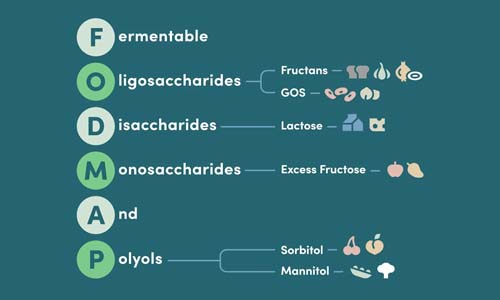
- A food diary pairs well with a structured low FODMAP approach, since it documents how your body responds during elimination and reintroduction phases.
The aim isn’t to label one ingredient as a permanent trigger after one difficult day. Reactions can be delayed or shaped by several factors. A practical diary helps you collect useful observations while continuing to eat as varied and nourishing a diet as your care team recommends. 💚
What Is an IBS Food Diary?
An ibs food diary is a written or digital record of what you eat and drink, how much you consume, when you consume it, and what symptoms follow. You can also record stool pattern, urgency, bloating, abdominal discomfort, stress, sleep, exercise, medications, and menstrual-cycle information when relevant. These details create a clearer timeline than memory alone.
A food diary centers on ingredients, recipes, portions, and meal timing. A symptom diary records physical changes such as cramping, gas, diarrhea, constipation, urgency, or stool consistency. Combining both gives you more useful context. A notebook, food and symptom diary printable worksheet, downloadable food and symptom diary PDF, or digital tracker can work if you can use it consistently.
Key insight: Record the full meal rather than only its headline ingredient. Include sauces, broths, seasoning blends, sweeteners, cooking fats, packaged-food labels, and restaurant additions. Portion size matters during structured low FODMAP work because the amount eaten and the total load across a meal can affect tolerance.
Keep entries specific. “Chicken bowl” tells you little; “4 ounces of chicken, 1 cup cooked rice, 2 tablespoons sauce, and broth-based seasoning at 12:30 p.m.” can be reviewed later. If you use chive sprigs, garlic-chive stems, or a Gourmend product, record the exact amount. Gourmend Foods low FODMAP broths, broth powder, garlic chives, and garlic scapes can add savory flavor while making recipe notes easier to interpret. A diary cannot diagnose IBS, a food allergy, or an intolerance.
What Can an IBS Food Diary Show?

An IBS food diary can reveal whether symptoms repeatedly line up with portion size, several fermentable foods eaten together, irregular meals, poor sleep, or stress. Timing matters, too. The meal immediately before discomfort isn’t automatically the cause, since digestion and symptom onset don’t always follow a simple schedule.
A careful record also supports conversations with a gastroenterologist or registered dietitian. Rather than recalling an entire week, you can bring observations about bowel frequency, stool form, urgency, pain intensity, meal composition, and symptom duration. That context may help a professional decide what to examine next and reduce unnecessary food avoidance.
Tracking can support a structured low FODMAP process. This approach generally includes a limited restriction phase followed by systematic reintroduction, not permanent avoidance of many foods. Notes about serving size, preparation method, and total intake can make each reintroduction more informative.
There are limits. Self-reported diaries may contain recall errors, incomplete entries, and rough portion estimates. Recording every detail can also become stressful. An ibs food diary app may offer reminders and searchable entries, while a handwritten notebook or ibs food diary template may feel quicker and more private. The most useful format is the one you’ll actually complete.
Seek individualized guidance if your diet is becoming highly limited, you’re losing weight, you have nutritional concerns, you’re pregnant, or you have another medical condition. Contact a healthcare professional promptly about blood in the stool, persistent vomiting, fever, anemia, or unexplained weight loss. This information is for educational purposes. Consult a registered dietitian or healthcare provider for personalized advice.
How Should You Choose an IBS Food Diary?
Choose an ibs food diary according to the details you need and the method you can maintain. At minimum, include meal time, food and drink, portion size, ingredients, preparation method, symptoms, bowel movements, and relevant context such as sleep, stress, exercise, medication, and menstrual-cycle changes. A good format gives mixed dishes enough space without turning each entry into a chore.
An ibs food diary app may suit you if reminders, timestamps, searchable entries, and symptom scales help you stay organized. Check whether you can add custom foods, recipes, restaurant meals, serving sizes, and personal symptoms. A downloadable food and symptom diary PDF or food and symptom diary printable worksheet may work better if you prefer handwriting or want to review a page during an appointment. A plain notebook is fine, too.
Key insight: Pick a method that makes ingredient-level notes practical. For soup, record the broth, protein, vegetables, grains, seasonings, cooking fat, and serving amount. If you use Gourmend low FODMAP broth, broth powder, garlic chives, or garlic scapes, note the product and quantity. That detail helps separate one recipe component from the meal as a whole.
Review the diary’s design before committing to it. A useful ibs food diary template separates food details from symptom observations, includes space for delayed symptoms, and lets you describe stool frequency, consistency, urgency, pain, gas, and bloating in your own words. Don’t treat built-in scores as a diagnosis. Use the record to identify questions and recurring patterns.
For low FODMAP tracking, make portion size and meal composition visible. A dish may contain ingredients that are tolerated individually but become harder to interpret when combined or eaten repeatedly throughout the day. Record packaged-food labels, sauces, seasoning blends, restaurant substitutions, and leftovers instead of writing only the meal’s name. Your care team can use these notes during reintroduction planning.
Keep the system manageable. If typing feels burdensome, make brief notes immediately after eating and expand them later. If paper gets misplaced, choose a digital format with reliable backup. People with significant dietary limits, unexplained weight loss, nutritional concerns, pregnancy, or complex medical conditions should seek individualized advice before making major food changes.
References
- National Institute of Diabetes and Digestive and Kidney Diseases: https://www.niddk.nih.gov/health-information/digestive-diseases/irritable-bowel-syndrome
- NHS: https://www.nhs.uk/conditions/irritable-bowel-syndrome-ibs/
- PubMed: https://pubmed.ncbi.nlm.nih.gov/24635864/
Frequently Asked Questions
What should I write in an IBS food diary?
Record the time, food and drink, portion, ingredients, preparation method, and any symptoms that follow. Include sauces, seasonings, broth, cooking fats, sweeteners, packaged-food details, and restaurant ingredients when known. Add bowel movement timing, stool consistency, urgency, pain, bloating, gas, sleep, stress, exercise, and medication if those factors may affect your symptoms. Short notes made close to the event are usually more accurate than relying on memory later.
What is the difference between a food diary and a symptom diary?
A food diary focuses on meals, ingredients, portions, and timing. A symptom diary focuses on physical changes, such as abdominal discomfort, diarrhea, constipation, urgency, or altered stool consistency. Combining the two creates a more useful timeline. Since symptoms may be delayed, do not assume that the last meal eaten caused the reaction. Repeated entries offer better context than a single difficult day.
Is an app better than a printable diary?
Neither format is universally better. An app can provide reminders, timestamps, searchable records, and customizable fields. A printable worksheet, PDF, notebook, or handwritten chart may be easier to review during an appointment and may offer more privacy. Choose the method that you can maintain without added stress. A food and bowel diary app is useful only if its categories allow ingredient details, portion estimates, delayed symptoms, and personal notes.
How long should I keep a food and symptom diary?
Keep records long enough to capture ordinary meals, restaurant food, leftovers, schedule changes, and more than one symptom pattern. Your gastroenterologist or registered dietitian can suggest a suitable tracking period for your situation. If you are following a low FODMAP plan, use the diary alongside the structured restriction and reintroduction process recommended by your care team. Avoid extending restrictive eating without professional guidance.
Should I record every ingredient or only the main foods?
Record every ingredient that you can identify, especially in mixed dishes. A recipe name alone may hide onion or garlic, a seasoning blend, sweetener, broth, or a large portion of a fermentable ingredient. For packaged and restaurant foods, note the label or known components. Precise notes make later recipe adjustments easier, while a qualified professional can help interpret patterns without treating the diary as a diagnostic test.