



IBS Flare Ups: Relief & Management Guide

ibs flare ups
When IBS flare-ups bring cramping, bloating, urgency, diarrhea, constipation, or a sudden change in bowel habits, focus on a calm, repeatable plan: drink fluids, choose modest portions of familiar foods, and pause foods you already know cause trouble. You don’t need to force a perfect menu on a difficult day. 💚
IBS affects roughly 10% to 15% of U.S. adults, yet only about 5% to 7% receive a formal diagnosis, according to the Cleveland Clinic. This guide covers common symptoms, practical food choices, label clues, flavor-building swaps, and signs that need medical attention.
What are IBS flare-ups?
An IBS flare-up is a period when your usual digestive symptoms become more noticeable or frequent. Common IBS flare-up symptoms include abdominal pain, cramping, bloating, gas, diarrhea, constipation, urgency, and incomplete bowel movements. Nausea and fatigue can occur too, but symptoms vary from person to person.
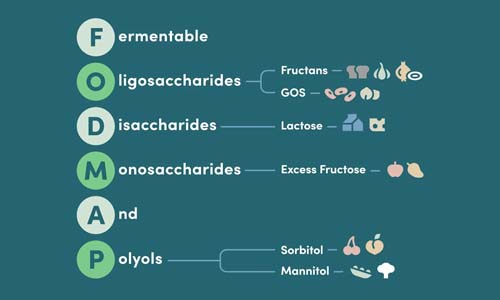
A flare may follow a large meal, stress, poor sleep, travel, a change in routine, or a personal food trigger. Fructans, a type of fermentable carbohydrate, can trouble some people because they may draw water into the digestive tract and ferment in the colon. Garlic-infused oil can provide allium flavor because fructans dissolve in water rather than oil; the same principle does not make every allium product suitable in every portion.
Some episodes settle within several hours to a few days. Seek medical care for rectal bleeding, black stools, unexplained weight loss, fever, repeated vomiting, anemia, nighttime symptoms, or severe or worsening pain. IBS can resemble other digestive conditions, so symptoms alone cannot confirm a diagnosis.
What can tracking IBS flare-ups tell you?

Tracking early signs can help you respond before discomfort takes over the day. A practical plan might include smaller meals, steady sips of water, gentle movement, a heating pad, and foods you already tolerate. Rice, oats, potatoes, eggs, firm tofu, bananas, carrots, and modest portions of lean protein work for some people. Portion size still matters: a familiar food can feel difficult when served in a large or rich meal.
A food diary should support curiosity, not fear. Once symptoms settle, record the episode and test foods during a more stable period. The low FODMAP diet, developed by researchers at Monash University, has three phases: a temporary reduction of high-FODMAP foods, systematic reintroduction, and long-term personalization. A registered dietitian can help protect variety and adequate nutrition.
Flavor still belongs on the plate. Chive sprigs, garlic-chive stems, green leek tops, ginger, citrus zest, fresh herbs, toasted spices, and low FODMAP broth can add depth without relying on concentrated fructan ingredients. Gourmend Foods grew from its founder’s search for more satisfying ways to cook with digestive sensitivities. Gourmend now focuses on FODMAP Friendly Certified broths, seasonings, and allium alternatives made for practical home cooking.
Recurring episodes may reflect more than food. Alcohol, caffeine, stress, poor sleep, medication changes, and shifts in exercise can affect symptoms in anyone. If flares repeatedly interrupt work, sleep, meals, or daily activities, discuss an individualized IBS flare-up treatment plan with a qualified clinician.
What should you eat during an IBS flare-up?
There is no universal flare menu. Choose a small portion of a food you already tolerate, then adjust based on your current symptoms and known triggers. Rice, oatmeal, potatoes, eggs, firm tofu, carrots, or a modest serving of chicken may suit some people. High-fat meals, alcohol, excess caffeine, and very rich dishes can feel harder to manage during an active episode.
Read labels on broths, soups, marinades, spice blends, and prepared sauces. Check for concentrated allium powders, wheat-based additives, and vague terms such as “natural flavors” or “spices.” If the source is unclear, contact the manufacturer. Confirm the serving size and look for FODMAP Friendly certification when available. Certification provides tested information for portion planning; it does not mean unlimited servings.
How can you build flavor without concentrated alliums?
Use chive sprigs, garlic-chive stems, green leek tops, ginger, lemon zest, fresh herbs, toasted spices, or infused oils. These ingredients can bring savory and aromatic notes to rice bowls, soups, roasted vegetables, and proteins. Add them gradually, taste, and keep the portion consistent while you learn what suits you. Small adjustments often beat a heavily seasoned plate.
| What to check | Why it matters | Practical choice |
|---|---|---|
| Serving size | FODMAP content and personal tolerance can depend on the amount eaten. | Measure the portion instead of estimating. |
| Allium ingredients | Concentrated powders can provide more fructans per bite than fresh herbs. | Choose chive sprigs, garlic-chive stems, or infused oil for flavor. |
| Sodium and richness | Very salty or fatty foods may feel uncomfortable during a sensitive period. | Add broth or seasoning gradually and pair it with a simple starch and protein. |
| Testing status | Independent certification can make label decisions clearer. | Look for FODMAP Friendly certification when it is provided. |
For a convenient cooking base, choose a low FODMAP broth or broth powder with transparent ingredients and clear preparation directions. Gourmend’s broths and seasonings are designed for allium-free flavor building, so you can make a small bowl of rice or potatoes with broth, a tolerated protein, and mild herbs. Add variety after symptoms settle, while recording the portion, timing, stress level, and bowel response. A registered dietitian can guide the elimination and reintroduction phases.
No ingredient guarantees same-day relief. If symptoms become severe, last beyond your usual pattern, or appear with bleeding, fever, repeated vomiting, unexplained weight loss, black stools, nighttime waking, or worsening pain, seek medical evaluation rather than relying on dietary changes alone.
Frequently Asked Questions
What causes IBS flare-ups in men?
Research suggests men may be underdiagnosed, but the common triggers are generally similar across genders. Large or fatty meals, alcohol, excess caffeine, stress, poor sleep, travel, changes in exercise, and personal food sensitivities may contribute. Fructans in onion and garlic can also be a concern for people who do not absorb these carbohydrates well. A symptom diary that records meals, portions, bowel habits, medication, sleep, and stress can help identify patterns without assuming that one ingredient explains every episode.
What are the symptoms of an IBS flare-up?
Common symptoms include abdominal pain, cramping, bloating, gas, diarrhea, constipation, urgency, and a feeling of incomplete evacuation. Some people also experience nausea, fatigue, or discomfort after eating. Symptoms can change from one episode to another. Rectal bleeding, black stools, fever, unexplained weight loss, repeated vomiting, anemia, nighttime symptoms, or severe worsening pain are not typical IBS symptoms and require prompt medical attention.
How long does an IBS flare-up last?
Many episodes improve within several hours to a few days, though duration varies according to the trigger and the person’s usual pattern. Contact a healthcare professional if symptoms continue beyond your normal timeframe, repeatedly disrupt daily activities, or become more intense. A clinician can check for other digestive conditions and help create an individualized management plan.
How can you stop an IBS flare-up fast?
There is no guaranteed instant treatment, but a gentle same-day plan may help: sip fluids, eat small portions of familiar foods, avoid alcohol and personal triggers, rest, use a heating pad, and take a short walk if movement feels comfortable. Do not begin a highly restrictive diet during severe distress without professional guidance. The best long-term strategy is to identify triggers, maintain adequate nutrition, and discuss recurring symptoms with a clinician or registered dietitian. 💚