


IBS Fiber Diet: How to Build Daily Fiber Without Bloating or Pain

ibs fiber diet
If fiber leaves you bloated, cramped, or rushing to the bathroom, adding more bran, beans, or fiber powder is not always the answer. An effective ibs fiber diet depends on which fibers you tolerate, how quickly they ferment, and how they are prepared. Most adults eat about 16 grams of fiber daily, below the recommended 25 grams for women and 38 grams for men, according to the International Foundation for Gastrointestinal Disorders.
Key Takeaways
- Choosing fiber based on fermentation speed and personal tolerance is more effective for IBS than simply increasing total grams.
- Slowly fermenting fibers such as psyllium or oats typically cause less bloating and pain than rapidly fermenting options like beans or bran.
- Proper preparation techniques like soaking, cooking, or selecting low FODMAP sources help reduce digestive discomfort when adding fiber to your diet.
- Gradually increasing fiber intake allows your gut to adapt and minimizes the risk of triggering IBS symptoms.
- Meeting the recommended 25 to 38 grams of fiber daily is achievable with careful fiber selection and preparation tailored to your gut.
This guide focuses on soluble foods, thoughtful portions, hydration, and low-FODMAP choices. The goal is steady bowel support without making every meal a symptom experiment. 💚
The Fiber Paradox: Why More Isn't Always Better for IBS
Understanding the Common Misconception: “Eat More Fiber” for IBS
“Eat more fiber” can be reasonable advice for constipation, yet it may miss the reason behind IBS symptoms. A sudden increase in whole grains, legumes, raw vegetables, or bran adds bulk and highly fermentable carbohydrates. Gut bacteria break those carbohydrates down, producing gas that can contribute to pressure, distension, and cramping. Someone with IBS-C may need more stool-softening soluble fiber, while someone with IBS-D may feel worse after a large, rough-textured meal.
Pace matters as much as the food. Portion size, fluid intake, cooking method, meal timing, and personal sensitivity all shape tolerance. Fiber is not one substance with one effect, so relief often comes from choosing a better type rather than pursuing a higher number.
The Gut's Delicate Balance: Fermentable vs. Non-Fermentable Fibers
Fermentable fibers are readily used by intestinal microbes. Some fermentation supports the gut environment, but rapidly fermentable ingredients such as inulin and fructooligosaccharides can create hydrogen and methane gas within about 90 minutes in sensitive guts, according to research summarized by the National Institutes of Health. These ingredients commonly appear in chicory root, concentrated prebiotic powders, and “high-fiber” snacks.
Less-fermentable fibers tend to add structure or hold water without the same rapid gas response. Soluble fiber can form a soft gel, while some insoluble fibers add stool bulk and stimulate movement. Neither category is automatically good or bad; the useful question is whether it produces a manageable stool pattern or adds symptoms.
Introducing the Gourmend Approach: Gentle Fiber for Digestive Peace
Start with fiber-rich foods that fit a low-FODMAP pattern, then build flavor through cooking rather than concentrated additives. Simmer vegetables until tender, blend them into soups, peel coarse skins, and pair fiber with adequate liquid. Gourmend’s low-FODMAP broths and allium alternatives can add savory depth when garlic and onion cause trouble.
Decoding Fiber Types: The Key to IBS Symptom Relief

Soluble Fiber: The Viscous Hero for Bowel Regularity and Gut Comfort
Soluble fiber absorbs water and may form a gel-like texture. This can soften hard stool in IBS-C and give loose stool more structure in IBS-D. Oats, chia seeds in measured portions, kiwi, and some cooked root vegetables can provide soluble fiber without bran’s rough texture. Small servings introduced gradually may be more comfortable than a large scoop of powder.
Soluble fiber works best with enough fluid. Warm oatmeal may be gentler than a cold raw grain bowl, and blended vegetable soup may be easier than a large salad.
Insoluble Fiber: The Bulk Builder, and Why It Can Be Tricky
Insoluble fiber does not dissolve in water. It adds stool bulk and can support intestinal movement, yet coarse sources may feel abrasive. Wheat bran, raw cabbage, vegetable skins, popcorn, and large servings of leafy greens can increase urgency, cramping, or bloating. Peeling, chopping finely, cooking thoroughly, and reducing portions can change tolerance.
During diarrhea-predominant IBS, soft, lower-residue meals may reduce mechanical stimulation during a flare. With constipation-predominant IBS, eliminating every insoluble source can make meals less satisfying. Balance is more useful than a blanket ban.
Fermentable Oligosaccharides, FODMAPs, and Hidden Triggers in High-Fiber Foods
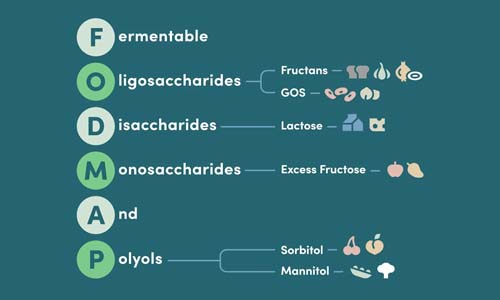
FODMAPs are short-chain carbohydrates that may draw water into the intestine and ferment rapidly. Fructans in wheat, garlic, and onion, galacto-oligosaccharides in many beans, and excess fructose in certain fruits can make a high-fiber meal especially gas-producing. The issue is often the combination of fiber quantity and fermentability.
Read labels on bars, cereals, drink mixes, and supplements. Inulin, chicory root fiber, chicory extract, fructooligosaccharides, sorbitol, and mannitol can deliver a concentrated fermentable dose. This label check is central to an ibs fiber diet.
The Fiber Selection Matrix: Matching Fiber Type to Your IBS Needs
Your stool pattern should guide the first adjustment, but persistent symptoms deserve medical input. Use this framework as a starting point rather than a diagnosis.
| Pattern | Fiber emphasis | Foods and techniques to consider | Potential caution |
|---|---|---|---|
| IBS-C, constipation-predominant | Gradual soluble fiber with fluid | Oatmeal, kiwi, ground chia in a modest portion, tender cooked vegetables, broth-based meals | Sudden bran, large bean servings, or dry fiber powders may increase pressure |
| IBS-D, diarrhea-predominant | Soft, soluble, lower-residue choices during symptom spikes | Rice, oats, peeled potatoes, smooth soups, cooked carrots, simple protein pairings | Large raw salads, coarse skins, excess caffeine, and sugar alcohols may worsen urgency |
| Mixed IBS | Steady portions and symptom-based adjustments | Cooked vegetables, measured grains, consistent meal timing, and a food-symptom record | Frequent extreme restriction can make patterns harder to identify |
The right plan is personalized. Blood in stool, fever, vomiting, unexplained weight loss, severe pain, or nighttime awakening calls for healthcare rather than self-treatment. A registered dietitian familiar with low-FODMAP nutrition can distinguish fiber intolerance from an overly restrictive pattern and guide reintroduction.
Your Low-FODMAP Fiber Roadmap: Foods to Embrace and Foods to Approach with Caution
The “Safe Zone” Fiber Stars: Low-FODMAP Foods to Build Your Diet Around
A practical ibs fiber diet uses foods that provide fiber without loading one meal with several fermentable ingredients. Oats, quinoa, brown rice, peeled potatoes, carrots, eggplant, green beans, firm bananas, kiwi, oranges, strawberries, and blueberries can fit a low-FODMAP pattern when portions are appropriate. Well-rinsed canned lentils may work because water-soluble FODMAPs move into the canning liquid.
Favor soft textures when sensitive. Warm oatmeal with kiwi, rice with tender carrots, or broth-based soup with quinoa can be easier than bran cereal or a large raw salad. Record foods, portions, preparation methods, and symptoms to identify whether the issue is a food, serving size, or combination.
Conditional Comfort: Navigating Serving Sizes for Moderately Fermentable Fibers
Some foods are not automatic exclusions. Monash University’s testing identifies serving thresholds rather than labeling foods permanently safe or unsafe. Try modest portions of cooked lentils, canned chickpeas, chia seeds, avocado, or sweet potato, then observe before increasing.
| Food | Gentler starting approach | What to watch |
|---|---|---|
| Chia seeds | Use a small spoonful, fully hydrated in oats or yogurt | Dry seeds and larger amounts may increase fullness |
| Canned lentils | Rinse thoroughly and begin with a few tablespoons | Beans can become difficult when several servings are combined |
| Sweet potato | Choose a measured portion with rice or lean protein | Larger servings contain more fermentable carbohydrate |
| Avocado | Add a small portion to a meal rather than eating it alone | Portion size can change FODMAP exposure |
Test one variable at a time. Adding chia, lentils, and a large serving of fruit together makes gas or urgency difficult to identify.
The “Trigger Foods” to Reconsider: High-Fiber Foods That Often Cause IBS Distress and Why
Several foods combine coarse fiber with rapidly fermentable carbohydrates. Wheat bran, large servings of whole-wheat pasta, beans, chickpeas, onions, garlic, cauliflower, Brussels sprouts, cabbage, and dried fruit may produce gas, distension, or urgency. Raw vegetables can be difficult during a symptom spike. Try peeled or cooked produce, smaller portions, and low-FODMAP grains before removing every fiber source.
Garlic and onion can be replaced with infused oils, green onion tops, garlic chives, or low-FODMAP seasoning blends. A meal containing bran, wheat cereal, dried fruit, and milk may deliver several possible triggers at once, so consider the whole meal when asking, “what are the worst foods for IBS?”
Beyond the Plate: Understanding Hidden Fiber Sources in Processed Foods
Scan packaged products for inulin, chicory root fiber, chicory extract, fructooligosaccharides, oligofructose, and resistant dextrin. Sorbitol, mannitol, and maltitol may also cause symptoms. Rapidly fermentable inulin and fructooligosaccharides can produce hydrogen and methane gas within about 90 minutes in sensitive guts, according to research summarized by the National Institutes of Health.
Culinary Strategies for Gentle, Flavorful Fiber: Building Your Day, Soothing Your Gut
The Gentle Kitchen Method: Cooking Techniques That Soften and Soothe
Peel coarse skins, cut vegetables small, and simmer, steam, or roast until fork-tender. Blending produce into soup reduces rough texture. Rinse canned legumes, and soak chia or oats for a softer consistency. Keep meals moderate, chew thoroughly, and introduce one new fiber source at a time.
Breakfast Foundations: Building a Fiber-Rich Morning Without the Bloat
Try warm oats cooked in lactose-free milk or water with a small portion of kiwi, strawberries, or firm banana. A spoonful of hydrated chia may add soluble fiber. Another option is soft scrambled eggs with cooked spinach and quinoa or potatoes. Avoid stacking bran cereal, dried fruit, a fiber bar, and a large smoothie; simple combinations make triggers easier to identify.
Savory Swaps: Infusing Flavor with Gourmend’s Allium Alternatives
Gourmend’s low-FODMAP broths can season rice, quinoa, vegetables, and soups. Garlic chives, green-onion tops, garlic scapes, and low-FODMAP seasonings add allium character without garlic cloves or onion bulbs. Infused oil can release garlic flavor before the solids are removed. Herbs, smoked paprika, ginger, lemon zest, black pepper, and measured salt keep meals satisfying.
Flare-Day Fuel: Nourishing Your Gut with Low-Residue, Fiber-Conscious Meals
During a flare, softer, lower-residue meals may reduce stress. Try white rice or peeled potato with tender chicken or eggs, well-cooked carrots, and light broth. Smooth soup with broth, rice, peeled zucchini, and simple protein is another option. Keep portions modest and limit raw vegetables, heavy sauces, beans, greasy food, caffeine, and sugar alcohols until urgency or cramping settles. This is temporary, not a reason to avoid produce and whole grains indefinitely.
- Cook a low-FODMAP broth with peeled carrots, potatoes, or rice until tender.
- Add shredded chicken, firm tofu, or an egg for protein.
- Season with garlic chives, green-onion tops, or a low-FODMAP seasoning blend.
- Eat a small bowl slowly, then record symptoms, stool pattern, and portion size.
Gradually Increasing Fiber: A Safe and Sustainable Approach

The “Start Low, Go Slow” Principle for Fiber Titration
Increase one food or portion at a time, allowing several days to observe your response. A tablespoon of cooked oats, a few bites of a new vegetable, or a small serving of quinoa is more informative than a sudden jump toward a daily target. Keep meal timing and preparation consistent while testing.
Listening to Your Body: Signs of Overdoing It and How to Adjust
New bloating, cramping, excess gas, harder stool, or increased urgency may signal that the portion rose too quickly. Return to the last comfortable amount, simplify the meal, and reassess after symptoms settle.
Hydration: The Unsung Hero of Fiber Tolerance
Water helps soluble fiber form its intended texture and supports easier stool passage. Sip fluids throughout the day, especially when adding oats, chia, vegetables, or other water-holding foods.
When to Seek Professional Guidance: Partnering with Your Healthcare Team
A registered dietitian can personalize portions, reintroductions, and nutritional goals. Seek medical care for blood in stool, fever, vomiting, unexplained weight loss, severe pain, or symptoms that wake you at night. Those signs need evaluation rather than self-directed adjustments.
- Change one fiber variable at a time.
- Record food, portion, preparation, symptoms, and stool pattern.
- Maintain regular fluids and meals.
- Pause and seek guidance if symptoms become severe or unusual.
 Organic Garlic Chive PowderGarlic flavor from freeze-dried organic garlic chives, without the garlic bulb.Shop now
Frequently Asked Questions
What is the best fiber to eat if I have IBS?
The best fiber for an IBS fiber diet is usually gradual, viscous soluble fiber from foods such as oats, kiwi, modest portions of chia, and tender cooked vegetables. Soluble fiber can help soften constipation-related stool and add structure to loose stool. Add one source at a time with adequate fluids.
What are 5 foods to avoid if you have IBS?
Five foods that may worsen IBS symptoms are wheat bran, large bean servings, raw cabbage, garlic, and onion, especially in large portions. These foods can provide coarse fiber or rapidly fermentable carbohydrates. Personal tolerance differs, so a food and symptom log can help identify which foods need smaller portions or temporary limits.
What calms IBS quickly?
A small, simple meal, gentle hydration, warmth, and reduced fiber load may calm IBS symptoms quickly. During diarrhea or cramping, try rice, oats, peeled potatoes, cooked carrots, smooth soups, and a simple protein. During constipation, gradual soluble fiber with fluids may help, but persistent or severe symptoms need medical advice.
What is the number one trigger for IBS?
There is no single IBS trigger for everyone, but rapidly fermentable FODMAP carbohydrates are common triggers. Garlic, onion, some beans, certain fruits, sugar alcohols, and concentrated inulin or chicory root fiber may cause gas, urgency, or cramping in sensitive people. Portion size and sudden diet changes also matter.
What drink calms down IBS?
Water is the best drink for supporting an IBS fiber diet, especially when increasing soluble fiber. Warm, non-caffeinated drinks may feel soothing, while excess caffeine, alcohol, and carbonated beverages can worsen urgency or bloating for some people. A low-FODMAP broth can provide a savory, fluid-based option.
How should I increase fiber on an IBS diet?
An IBS fiber diet should increase fiber gradually, using modest portions of soluble, low-FODMAP foods before adding larger or coarser servings. Cook, peel, chop, or blend produce to make meals gentler, drink enough fluid, and inspect labels for inulin, chicory root, and fructooligosaccharides. Adjust based on stool pattern and symptoms.