


IBS Diet Chart: The Low FODMAP Diet for Beginners + 7-Day Meal Plan

An ibs diet chart can make food choices less uncertain by showing which foods are typically lower or higher in fermentable carbohydrates and where portions matter. Use it as a starting point, not a personalized treatment plan: tolerance varies, and the low FODMAP approach is temporary and followed by food testing.
Key Takeaways
- An IBS diet chart works best as a starting reference rather than a strict rulebook, since individual tolerance to specific foods varies widely.
- The chart helps you identify which foods are typically lower or higher in fermentable carbohydrates and highlights where portion size makes a difference.
- The low FODMAP diet is designed to be temporary, with a structured reintroduction phase to identify your personal trigger foods.
- A printable or written chart can reduce guesswork during meals and make grocery shopping and meal planning easier for beginners.
- Always adapt the chart to your own needs and consult a healthcare professional before committing to a long-term eating plan.
If you are new to this process, learn the three phases and check serving sizes before changing meals. A registered dietitian can help you meet your needs without avoiding more foods than necessary. 💚
IBS Diet Chart Basics: What It Is and How the Low FODMAP Diet Works
An IBS diet chart is a reference for organizing food choices around irritable bowel syndrome (IBS) symptoms. A low FODMAP chart groups foods by fermentable carbohydrate content and may note serving sizes, since some foods are lower FODMAP only in smaller portions. It can help you plan meals and identify ingredients to test, but it does not diagnose IBS or guarantee symptom improvement. The American College of Gastroenterology recognizes a limited trial of the low FODMAP diet as one dietary approach for IBS.
What Are FODMAPs? (And Why They Trigger IBS Symptoms)
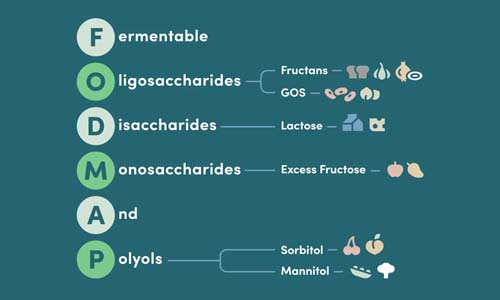
FODMAPs are fermentable short-chain carbohydrates that can be poorly absorbed in the small intestine. They include certain oligosaccharides, disaccharides, monosaccharides, and polyols. In people with IBS, these carbohydrates can draw water into the gut and ferment in the large intestine, contributing to gas, bloating, abdominal pain, or changes in bowel habits. Reactions differ: a food that bothers one person may be tolerated by another.
Researchers at Monash University in Australia developed the low FODMAP approach. Monash’s FODMAP app provides food information and serving-size guidance. The goal is to identify which types and amounts you personally tolerate, not to remove every source of FODMAPs indefinitely.
The Three Phases: Elimination, Reintroduction, and Maintenance
The process has three phases: a short initial restriction, structured testing, and a more personalized way of eating. Keep a food and symptom record throughout, noting portions and timing so you can discuss patterns with your care team.
- Elimination: Choose lower FODMAP alternatives for about 2-6 weeks. This is a trial, not a permanent menu.
- Reintroduction: Test one FODMAP group at a time in planned portions while keeping the rest of your diet steady.
- Maintenance: Use what you learned to include the widest variety of foods you tolerate.
Why You Should Work with a Registered Dietitian
A registered dietitian with digestive health experience can help you choose suitable portions, keep meals nutritionally balanced, and plan food challenges. This support matters if your diet is already limited, you have another health condition, or you are unsure whether IBS causes your symptoms. Discuss a restrictive diet with a qualified health professional before starting. This article is educational and is not medical advice, diagnosis, or treatment.
Your Printable IBS Diet Chart: Low FODMAP Foods to Eat and Avoid
Download the Free Printable Low FODMAP Food List (PDF)
Use the chart below as a quick-reference food list. To make a paper copy, print this page from your browser. Confirm portions with your dietitian or the Monash FODMAP app because food testing and serving guidance can change. This reference is not a downloadable PDF, and foods listed as lower FODMAP are not unlimited.
Foods to Enjoy Freely (Proteins, Grains, Fruits, Vegetables)
“Enjoy freely” means these are often practical choices during the elimination phase at customary portions, not that every amount suits every person. Plain meat, poultry, fish, eggs, firm tofu, rice, oats, quinoa, potatoes, carrots, spinach, and bell peppers can form the base of meals. Choose fruit such as oranges, grapes, or strawberries in appropriate servings, and check current portion guidance when in doubt.
High FODMAP Foods to Limit During Elimination
Common foods to limit during the trial include onion, garlic, wheat-based bread and pasta, some beans, certain dairy products containing lactose, and fruits such as apples and pears. A food’s FODMAP content depends on its type and portion, not just its category. Use substitutions rather than removing entire food groups without guidance.
Serving Sizes Matter: Conditional Foods and FODMAP Stacking
Some foods fit only in measured portions. As a practical reference, keep cooked lentils below ⅓ cup and avocado to about ⅛ of a whole fruit during the elimination phase, then confirm current serving guidance with a qualified resource. “Stacking” means eating multiple moderate-FODMAP portions close together; their combined load may be harder to tolerate than each portion alone. Track ingredients across a meal, not just the main dish.
How to Read Food Labels for Hidden FODMAPs
Scan ingredient lists for garlic powder and onion powder, which can appear in seasoning blends, sauces, soups, and snacks. “Natural flavors” is a broad label term and may not identify its source clearly; contact the manufacturer when the ingredient matters to your plan. Check serving size and look for lactose in dairy ingredients. A short ingredient list can be easier to assess, but it is not automatically low FODMAP.
| Food category | Often lower FODMAP choices | Foods to check or limit during elimination |
|---|---|---|
| Protein | Plain eggs, poultry, fish, firm tofu | Seasoned products with onion or garlic |
| Grains and starches | Rice, oats, quinoa, potatoes | Wheat-based bread and pasta |
| Produce | Carrots, spinach, bell peppers, oranges | Onion, garlic, apples, pears |
| Legumes and fats | Portion-tested tofu and suitable oils | Lentils above a tested serving; larger avocado portions |
7-Day Low FODMAP Meal Plan for Beginners (With Recipes and Shopping List)
How to Use This Meal Plan (Prep Tips and Swaps)
Use this menu as a flexible starting point during the elimination phase, not a prescription. It assumes one person and uses plain ingredients; check each serving against current portion guidance and your dietitian’s advice. If a listed food does not suit you, swap it for a familiar option you tolerate, such as rice for quinoa or an orange for strawberries.
Batch-cook rice and plain proteins, wash produce, and portion snacks before the week starts. Keep sauces and seasonings simple, and check packaged ingredients for onion and garlic. Adjust meal sizes to your appetite and routine, and record foods, portions, and symptoms if your care team recommends it. This plan is not a substitute for individualized nutrition advice.
Day-by-Day Menu: Breakfast, Lunch, Dinner, and Snacks
The schedule offers three meals and a snack each day. Use appropriate serving sizes, especially for fruit, grains, and vegetables, since individual tolerance varies. Water, tea, or another drink that suits you can accompany meals.
| Day | Breakfast | Lunch | Dinner | Snack |
|---|---|---|---|---|
| 1 | Oatmeal with strawberries | Chicken and rice bowl | Baked salmon, potatoes, and carrots | Orange |
| 2 | Scrambled eggs with spinach and toast made from suitable bread | Leftover chicken bowl | Vegetable soup with rice | Grapes |
| 3 | Yogurt that suits your plan with blueberries | Tuna, potato, and lettuce salad | Turkey patties with quinoa and zucchini | Rice cakes |
| 4 | Oatmeal with orange segments | Leftover soup | Chicken with rice and bell pepper | Strawberries |
| 5 | Eggs with potatoes and spinach | Quinoa salad with cucumber and firm tofu | Baked fish with rice and green beans | Grapes |
| 6 | Yogurt with strawberries | Turkey and lettuce rice bowl | Vegetable soup with chicken | Orange |
| 7 | Oatmeal with blueberries | Tuna and rice salad | Roast chicken, potatoes, and carrots | Rice cakes |
Two Beginner Recipes: Garlic-Chive Chicken and Rice Bowl and Low FODMAP Vegetable Soup
Garlic-Chive Chicken and Rice Bowl, 2 servings: Use 300 g boneless chicken breast, 300 g cooked rice, 10 g finely snipped garlic chives, 15 ml garlic-infused oil, 100 g sliced carrots, 100 g sliced red bell pepper, and salt and pepper to taste. Cook the chicken in the oil over medium heat until fully cooked, then rest and slice it. Sauté the carrots and pepper until tender. Divide rice between two bowls, add chicken and vegetables, and finish with chives. Keep the oil free of garlic pieces and check portions against your plan.
Low FODMAP Vegetable Soup, 4 servings: Gather 150 g diced carrots, 150 g diced potatoes, 100 g sliced zucchini, 60 g baby spinach, 1 liter suitable broth, 15 ml olive oil, and salt and pepper to taste. Warm oil in a pot and cook carrots and potatoes for a few minutes. Add broth, bring to a gentle boil, then simmer until the vegetables are tender. Stir in zucchini for the final few minutes and add spinach just before serving. Divide into four portions; refrigerate leftovers promptly.
Printable Shopping List for the Week
Print this checklist or copy it into your meal-planning notes. Quantities depend on appetite, household size, and chosen portions. Select plain, unseasoned meat and fish, and verify packaged items before buying.
- Protein: chicken breast, salmon or other fish, turkey, eggs, tuna, firm tofu
- Grains and starches: rice, oats, quinoa, potatoes, suitable bread, rice cakes
- Produce: carrots, spinach, bell peppers, zucchini, green beans, cucumber, lettuce, strawberries, blueberries, oranges, grapes
- Pantry and chilled items: suitable broth, garlic-infused oil, olive oil, yogurt that fits your plan, salt, and pepper
Eating Out While Following the Plan
Choose straightforward dishes that let you ask about ingredients: grilled fish or chicken with rice or potatoes and plain vegetables can be easier to assess than casseroles, marinades, or heavily seasoned meals. Ask whether sauces, seasoning blends, broth, or cooking oil contain onion or garlic, and request sauces on the side. Ask for ingredient information rather than assuming a dish is suitable based on its name.
Ingredient Swaps That Keep the Flavor: Onion, Garlic, and Wheat Replacements
Replacing Onion and Garlic: Garlic Scapes, Chives, and Green Onion Tops
Onion and garlic bring sweetness and savory depth, so replace them by building flavor in layers. During the elimination phase, try chopped garlic chives, chives, or green tops of scallions in portions that fit your plan. Garlic scapes can add a fresh, mild garlic note; check an appropriate serving with your dietitian or the Monash FODMAP app. Add delicate herbs near the end of cooking to preserve their aroma. For a cooked onion-like base, soften carrots, celery leaves, or scallion green tops in oil, then season to taste.
| Ingredient to replace | Flavor-building swap | How to use it |
|---|---|---|
| Garlic | Garlic chives or garlic-infused oil | Stir chives in at the end; use strained oil to season the cooking fat. |
| Onion | Chives or scallion green tops | Slice finely and add to eggs, rice, soups, or finished dishes. |
| Savory depth | Toasted spices, fresh herbs, or suitable broth | Bloom spices in oil, then simmer broth with the other ingredients. |
Garlic-Infused Oil and Other Flavor-Building Techniques
FODMAPs are water-soluble, not oil-soluble, so properly prepared garlic-infused oil can carry garlic flavor without garlic pieces. Use oil prepared and stored safely, and avoid adding garlic solids to the dish. Build savory depth by browning meat or vegetables before adding liquid, toasting spices briefly in oil, and finishing with fresh herbs, citrus zest, or vinegar. Suitable broth adds body to soups, rice, and pan sauces. Taste as you cook; herbs and acids may provide enough contrast without a packaged seasoning blend.
Low FODMAP Swaps for Wheat, Barley, and High FODMAP Grains
Rice, oats, quinoa, and potatoes can replace wheat-based pasta, bread, or barley, depending on the dish and serving size. Serve a protein and vegetables over rice or quinoa, or use potatoes or rice in soup in place of barley. Choose bread and pasta based on ingredients and serving guidance: products vary, and some contain onion, garlic, or other ingredients that may not suit your plan. Make substitutions one meal at a time so portions and symptoms are easier to track.
Common Beginner Pitfalls (and How to Avoid Them)
A common misstep is treating every lower FODMAP choice as unlimited. Portions still matter, and several moderate servings eaten close together may add up. Check the full meal, including sauces, seasonings, drinks, and snacks. Packaged foods can contain onion or garlic powder, so verify labels rather than relying on a product’s name or flavor description. Record ingredients, portions, and symptoms, and discuss uncertain choices with your dietitian. If the plan feels increasingly restrictive, seek professional guidance rather than removing more foods on your own.
What Comes Next: Reintroduction, Maintenance, and Your Long-Term Plan

How Reintroduction Works: Testing One FODMAP Group at a Time
Reintroduction helps identify which foods and portions you tolerate. Start when your dietitian agrees the elimination trial is complete and symptoms are reasonably steady. Keep usual meals consistent while testing one FODMAP group at a time, making changes easier to interpret.
- Choose one food challenge that represents a FODMAP group.
- Test planned portions over several days, following your dietitian’s or Monash FODMAP app’s guidance.
- Record the food, amount, timing, and symptoms. Stop the challenge if symptoms become difficult to manage.
- Allow symptoms to settle before testing another group.
A clear reaction can guide your next steps, but one challenge does not establish a permanent rule. Discuss results with your dietitian, especially when portions or symptoms are hard to interpret.
Building Your Personalized Maintenance Diet
Use your challenge notes to widen your menu: include foods and portions you tolerate, limit only triggers supported by your testing, and revisit uncertain foods with professional guidance. The aim is a varied, practical eating pattern, not strict restriction forever. Explore suitable recipes and measurement-conversion resources, then check ingredient portions against your personal plan before preparing a dish.
How Long Until I Feel Better? Can I Stay Low FODMAP Forever?
How long until I feel better? Timing varies, and the diet does not work the same way for everyone. Track changes with your care team rather than extending restriction without a plan.
Can I stay low FODMAP forever? The elimination phase is a short trial, followed by testing and personalized maintenance. Ongoing strict restriction can make the diet unnecessarily limited. This article is educational, not medical advice, diagnosis, or treatment; work with a qualified health professional before making restrictive dietary changes.
 Organic Garlic Chive PowderGarlic flavor from freeze-dried organic garlic chives, without the garlic bulb.Shop now
Frequently Asked Questions
What is the recommended diet for people with irritable bowel syndrome (IBS)?
A limited trial of the low FODMAP diet is recognized by the American College of Gastroenterology as one dietary approach for IBS. The low FODMAP approach involves a short 2-6 week elimination phase, structured food reintroduction, and a personalized maintenance phase. A registered dietitian can help you follow the process without avoiding more foods than necessary.
Can I eat a baked potato with IBS?
Yes, baked potatoes are typically considered a lower FODMAP choice and appear among the grains and starches recommended during the elimination phase. Portion sizes still matter, so check current serving guidance with the Monash FODMAP app or your dietitian, especially if you add toppings like butter or seasoned products.
What kind of sandwich is good for IBS?
A low FODMAP sandwich usually starts with gluten-free or wheat-free bread, since wheat-based bread is commonly limited during elimination. Fill it with plain proteins like eggs, poultry, or firm tofu, plus lower FODMAP produce such as spinach or bell peppers, and season with certified low FODMAP options instead of garlic or onion powder.
Can I eat a grilled cheese sandwich with IBS?
Possibly, since some dairy products containing lactose are limited during the elimination phase but lactose-free cheese or hard aged cheeses are often tolerated in suitable portions. Pair the cheese with low FODMAP bread and confirm your tolerance during reintroduction testing, as reactions to dairy vary from person to person.
What are some ideas for low FODMAP meal prep?
Build meals around plain proteins like eggs, poultry, fish, and firm tofu, with staples such as rice, oats, quinoa, and potatoes. Add lower FODMAP vegetables like carrots, spinach, and bell peppers, and keep portions of conditional foods in mind, such as cooked lentils below 1/3 cup and avocado to about 1/8 of a whole fruit.
What is FODMAP stacking and how do I avoid it?
FODMAP stacking means eating multiple moderate-FODMAP portions close together, so their combined load may be harder to tolerate than each portion alone. Track ingredients across a whole meal, not just the main dish, and keep a food and symptom record noting portions and timing so you can spot patterns.
Why should I work with a registered dietitian on a low FODMAP diet?
A registered dietitian with digestive health experience can help you choose suitable portions, keep meals nutritionally balanced, and plan food challenges during reintroduction. This support matters if your diet is already limited, you have another health condition, or you are unsure whether IBS is causing your symptoms.