



Low FODMAP Fruits: Safe & Delicious Choices

fodmap fruits
Navigating food choices when you have a sensitive digestive system can feel like a puzzle, especially regarding the natural sweetness and variety that fruits offer. Many of us have experienced the frustration of trying to decipher conflicting advice or feeling restricted from enjoying simple pleasures. At Gourmend Foods, we understand this challenge deeply. Our mission is to help you rediscover the joy of eating boldly, without the worry of digestive discomfort. We believe that a clean-label, gut-friendly approach to food shouldn't mean sacrificing flavor or culinary excitement. This guide is designed to bring clarity and confidence to your choices regarding fodmap fruits.
Key Takeaways
- Managing fruit choices with IBS means focusing on their fermentable carbohydrate content, not avoiding sweetness altogether.
- Many common fruits can trigger symptoms, but plenty of delicious low FODMAP options let you enjoy natural flavor safely.
- Gourmend Foods was created from firsthand experience with digestive struggles, so we prioritize clarity over conflicting diet advice.
- A clean-label approach to fruits doesn't require bland eating you can still build bold, satisfying dishes without the worry.
This guide brings clarity and confidence to your fruit choices. We examine which fruits are generally considered safe for a low FODMAP diet, providing the specific details you need to make informed decisions. We also discuss the science behind why certain fruits can cause issues for some individuals and how serving sizes play a necessary role. Our goal involves equipping you with practical, easy-to-understand information so you can enjoy a more diverse and delicious diet, supporting your well-being one bite at a time.
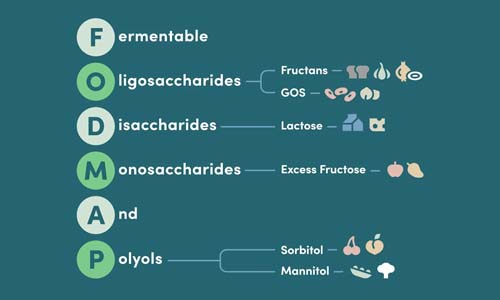
For those managing digestive sensitivities, understanding the fodmap meaning is foundational. FODMAP stands for Fermentable Oligosaccharides, Disaccharides, Monosaccharides, and Polyols. These are types of short-chain carbohydrates that are poorly absorbed in the small intestine. For individuals with conditions like Irritable Bowel Syndrome (IBS), these undigested carbohydrates can ferment in the large intestine, leading to common digestive symptoms such as bloating, gas, abdominal pain, and changes in bowel habits. The low FODMAP diet is a temporary elimination diet designed to identify specific triggers for these symptoms, with guidance from healthcare professionals or registered dietitians. Monash University is recognized as the leading research institution in this field, developing and testing foods for their FODMAP content and safe serving sizes.
The impact of FODMAPs on digestion varies significantly from person to person. In sensitive individuals, the fermentation process draws water into the intestines and produces gases during bacterial breakdown. This can cause the digestive tract to stretch, leading to discomfort and pain. The specific types of FODMAPs found in fruits, such as excess fructose, sorbitol, or mannitol, can contribute to these issues. For example, fruits high in excess fructose, like apples and pears, are often problematic during the elimination phase. Understanding this mechanism helps explain why focusing on low fodmap fruits and vegetables can be an effective strategy for managing IBS symptoms, allowing the gut to rest and recover before potential reintroduction of trigger foods under expert supervision.
Key Takeaway: Low FODMAP Fruits
The low FODMAP diet focuses on limiting specific short-chain carbohydrates found in certain fruits that can cause digestive distress. Serving size is paramount, as many fruits become high FODMAP in larger quantities. Monash University is the primary scientific authority for FODMAP testing.
Commonly Low FODMAP Fruits (in appropriate servings):
- Strawberries
- Blueberries
- Raspberries
- Cantaloupe
- Honeydew Melon
- Kiwi
- Oranges
- Grapes
- Banana (ripe)
- Pineapple (specific serving size)
Your Complete Low FODMAP Fruits List (With Exact Serving Sizes)
When starting a low FODMAP journey, having precise guidance on fruit choices is essential. It's not enough to know a fruit is generally "safe"; understanding exact serving sizes is where true confidence lies. Many fruits that are considered high FODMAP in larger portions can be enjoyed in smaller, measured amounts. As an example, while apples are high in sorbitol and excess fructose, a small serving might be tolerated. Similarly, pineapple, a popular choice, is low FODMAP up to a specific quantity, as detailed by Monash University's extensive testing. Our commitment at Gourmend Foods is to provide clarity, helping you differentiate between safe options and those that require careful portion control during the elimination phase of the low FODMAP diet.
The distinction between fresh, canned, and dried fruits is also a significant factor. Drying fruit concentrates its sugars and often its FODMAP content, making dried fruits generally higher in FODMAPs than their fresh counterparts. For example, raisins or dried apricots are typically high FODMAP. Canned fruits, when packed in water or their own juice, can be a good option, but checking the syrup is necessary. Fruits canned in high-fructose corn syrup or other high-FODMAP sweeteners will increase the overall FODMAP load. Always review labels carefully. For many fruits, the FODMAP Friendly certification symbol offers an additional layer of assurance, indicating that the product has been tested and meets strict low FODMAP criteria.
The Power of Portions
A key principle of the low FODMAP diet is that serving size matters immensely. A food that is high FODMAP in a large serving might be low FODMAP in a smaller one. Always refer to reputable sources like the Monash University FODMAP Diet App for precise, research-backed serving sizes to avoid triggering symptoms.
| Fruit | Low FODMAP Serving (grams) | Approximate Household Equivalent | FODMAP Group/Notes |
|---|---|---|---|
| Strawberry | 150g | About 1 cup, whole | Low in fructans and sorbitol. |
| Blueberry | 60g | About 1/2 cup | Low in fructans. |
| Raspberry | 60g | About 1/2 cup | Low in fructans. |
| Cantaloupe | 160g | About 1 cup, diced | Low in sorbitol and fructans. |
| Honeydew Melon | 120g | About 1 cup, diced | Low in sorbitol and fructans. |
| Kiwi | 75g | 1 medium fruit | Low in fructans. |
| Orange | 135g | 1 medium fruit | Low in excess fructose and sorbitol. |
| Grapes | 100g | About 3/4 cup | Low in fructans and sorbitol. |
| Banana (ripe) | 110g | 1 medium fruit | Low in fructans. Unripe bananas may be higher in resistant starch. |
| Pineapple (fresh) | 140g | About 1 cup, diced | Low in excess fructose. (Canned in juice is lower at ~90g). |
| Papaya | 150g | About 1 cup, diced | Low in fructans. |
| Lemon | 50g | 1 medium fruit (juice/zest) | Low in FODMAPs; primarily used for flavoring. |
| Lime | 50g | 1 medium fruit (juice/zest) | Low in FODMAPs; primarily used for flavoring. |
| Cranberry (fresh) | 100g | About 1 cup | Low in fructans and sorbitol. |
| Rhubarb | 100g | About 1 cup, chopped | Low in fructans. |
| Food Format | General FODMAP Impact | Considerations |
|---|---|---|
| Fresh Fruit | Typically the baseline for FODMAP testing. Serving size is key. | Natural sugars and fibers are present. Adhere strictly to Monash University serving sizes. |
| Canned Fruit | Can be low FODMAP if packed in water or fruit juice. | Avoid fruits canned in high-fructose corn syrup, sugar syrup, or other high-FODMAP sweeteners. Check ingredient lists carefully. |
| Dried Fruit | Often high FODMAP due to concentrated sugars and volume reduction. | Most dried fruits like raisins, dates, and dried apricots are high FODMAP due to concentrated sorbitol and excess fructose. Small amounts of certain dried fruits may be tolerated on a case-by-case basis during reintroduction. |
High FODMAP Fruits and Vegetables to Limit During Elimination

While the low FODMAP diet encourages a wide variety of fruits, it's equally important to identify those that tend to cause digestive upset. During the initial elimination phase, it is advisable to limit or avoid fruits that are high in specific FODMAP types, such as excess fructose, sorbitol, or mannitol. These compounds are poorly absorbed and can lead to fermentation in the gut, triggering symptoms for sensitive individuals. Identifying fodmap fruits to avoid is a key step in managing IBS and related digestive discomfort. For example, apples and pears are commonly cited as high FODMAP due to their sorbitol and excess fructose content, while mangoes can be problematic because of their high fructose levels. Cherries are also often on the list due to sorbitol. Monash University, the leading authority on FODMAP research, provides extensive lists and serving sizes to guide these choices, helping you distinguish between safe options and those to approach with caution.
The goal of identifying high FODMAP fruits isn't to impose permanent restrictions, but rather to temporarily remove potential triggers to allow your digestive system to calm down. This structured approach is central to the low FODMAP diet's effectiveness. Once symptoms have stabilized, the reintroduction phase begins, where foods are systematically tested to determine individual tolerance levels. What might be a trigger for one person could be perfectly fine for another. The "avoid" list during elimination is a temporary guideline, not a lifelong sentence. By understanding the underlying reasons why certain fruits are high FODMAP, you can better navigate your diet and prepare for the personalized reintroduction process, aiming to expand your dietary range safely.
Smart Swaps for Craved Fruits
Restriction can feel disheartening, but reframing your approach with smart swaps can make a significant difference. Instead of focusing on what you can't have, discover delicious alternatives that offer similar textures or flavor profiles while remaining low FODMAP. As an example, if you miss the crisp bite of an apple, consider opting for a small serving of strawberries or blueberries, which are generally well-tolerated and offer a delightful sweetness. If you crave the juicy refreshment of watermelon, cantaloupe or honeydew melon are excellent low FODMAP choices that provide ample hydration and natural sweetness. Even when you're looking for that bold, savory depth in your cooking, you can find low FODMAP alternatives. Our Low FODMAP Taco Seasoning, for example, achieves rich flavor using garlic scape and green onion powders instead of the high FODMAP onion and garlic bulbs, ensuring your meals are as exciting as they are gentle on your stomach.
Smart Swaps & Their Benefits
- Apple → Strawberries/Blueberries: Offers sweetness and texture without sorbitol or excess fructose.
- Watermelon → Cantaloupe/Honeydew: Provides juicy refreshment and natural sweetness, both low FODMAP.
- Mango → Kiwi/Orange: Delivers bright flavor and sweetness with lower FODMAP content.
- High FODMAP Broth Bases → Gourmend Broths: Achieve deep savory notes without onion/garlic triggers.
Considerations for Swapping
- Always verify serving sizes for new low FODMAP choices.
- Reintroduction is key to determining personal tolerance.
- Flavor profiles may differ; experiment to find favorites.
These thoughtful substitutions allow you to enjoy a diverse range of flavors and textures, making the low FODMAP diet feel less like a limitation and more like an exploration of new culinary possibilities. When building meals, think about the flavor profiles you enjoy and seek out low FODMAP fruits that can mimic them. As an example, a touch of sweetness can come from ripe bananas or a small serving of grapes. The key is always to consult a reliable source like the Monash University FODMAP Diet App for accurate serving sizes, as even low FODMAP fruits can become high in FODMAPs if consumed in excess. This deliberate approach ensures you can enjoy the goodness of fruits while respecting your digestive health.
Is Pineapple Low FODMAP? A Close Look at the Most-Asked Fruit
Pineapple is a perennial favorite, known for its tropical sweetness and bright flavor. For those following a low FODMAP diet, a common question arises: "Is pineapple low FODMAP?" The good news is that pineapple can indeed be part of a low FODMAP eating plan, but with a necessary caveat. Serving size. Research conducted by Monash University, the world's leading authority on FODMAPs, indicates that fresh pineapple is low FODMAP in specific quantities. Consuming it within these limits means you can enjoy its unique taste without triggering digestive distress. This is a fantastic example of how understanding portion control is fundamental to successful low FODMAP eating, transforming potentially problematic foods into safe and delightful options.
Regarding fresh pineapple, Monash University recommends a serving size of up to 140 grams, which is roughly equivalent to one cup. This portion contains acceptable levels of fructans and fructose, making it suitable for most individuals during the elimination phase. Exceeding this amount can increase the FODMAP load, potentially leading to symptoms. This precise guidance is invaluable, allowing you to enjoy pineapple in moderation. As an example, a small slice or a cup of diced pineapple can be a refreshing addition to your breakfast or a delightful snack. Remember, individual tolerance can vary, but adhering to these research-backed serving sizes provides a solid foundation for enjoying this tropical fruit confidently.
Pineapple: Fresh vs. Canned Serving Sizes
| Format | Low FODMAP Serving Size | Approximate Household Measure | Notes |
|---|---|---|---|
| Fresh Pineapple | 140g | 1 cup diced | Low in fructans and fructose at this portion. |
| Canned Pineapple (in juice) | 90-97g | About 2/3 cup | Check that it's packed in water or 100% juice, not syrup. |
| Canned Pineapple (in syrup) | N/A (High FODMAP) | N/A | Syrup often contains high-fructose corn syrup or added sugars. |
| Dried Pineapple | N/A (High FODMAP) | N/A | Drying concentrates sugars and FODMAPs significantly. |
The format of pineapple matters significantly when considering its FODMAP content. Canned pineapple, especially when packed in its own juice or water, can also be low FODMAP, but the recommended serving size typically decreases to around 90-97 grams (about 2/3 cup). This is because the canning process can alter the fruit's structure, and the liquid it's packed in can contribute to the overall FODMAP load. Always check labels to ensure it's not packed in high-fructose corn syrup or other high FODMAP sweeteners. Dried pineapple, on the other hand, is generally considered high FODMAP because the drying process concentrates its natural sugars and FODMAPs, making even small amounts problematic. For those seeking bold, flavorful options that align with a low FODMAP lifestyle, remember that our seasonings can add complexity without the usual triggers.
Culinary Tip: For a refreshing and gut-friendly snack or side dish, try a simple pineapple and cucumber salad. Combine diced fresh pineapple (within the 140g limit) with diced cucumber. Dress lightly with a squeeze of lime juice and a pinch of Gourmend's Green Onion Powder for a subtle, savory onion-like note without the high FODMAP triggers. This combination offers a delightful balance of sweet, tart, and fresh flavors, proving that delicious meals are entirely achievable on a low FODMAP diet.
Enjoying pineapple on a low FODMAP approach is about informed choices and mindful portions. By referencing reliable data from sources like Monash University and being aware of preparation methods, you can confidently incorporate this tropical delight into your diet. Remember that the journey with FODMAPs is personal; what works for one may not work for another, but understanding the general guidelines for fruits like pineapple is an excellent starting point for anyone seeking to manage digestive health while savoring great food.
Beyond the List: Making Low FODMAP Fruits Part of Real Meals
Successfully navigating a low FODMAP diet involves more than just memorizing lists of safe and unsafe foods. It's about integrating these choices into your daily culinary life with confidence and creativity. Fruits, with their natural sweetness and versatility, can become fantastic building blocks for enjoyable meals and snacks. Rather than viewing them as mere afterthoughts or restricted items, we encourage you to think of low FODMAP fruits as delicious ingredients that can add dimension and pleasure to your plate. This section moves beyond simple identification to practical application, showing you how to build satisfying dishes and beverages that cater to your specific dietary needs while celebrating great taste.
Our aim at Gourmend Foods is to support your journey by providing the tools and inspiration needed to cook and eat adventurously, even with digestive sensitivities. By understanding the principles of FODMAP stacking and serving sizes, you can unlock a wider array of fruit options. Whether you're crafting a refreshing morning smoothie, adding a burst of flavor to a savory dish, or preparing a delightful dessert, incorporating low FODMAP fruits can be both simple and exciting. We examine how you can bring these bright ingredients into your everyday cooking, making your low FODMAP lifestyle flavorful and fulfilling, without the guesswork.
Low FODMAP Smoothie Framework
Smoothies offer a quick and convenient way to consume fruits, but for those following a low FODMAP diet, the ingredients need careful selection. Creating a balanced, gut-friendly smoothie is achievable by following a simple framework that prioritizes safe fruits and complementary ingredients. Begin with a base liquid; unsweetened almond milk, rice milk, or water are excellent choices, as they are typically low in FODMAPs. Next, add your low fodmap fruits. Berries like strawberries, blueberries, and raspberries are generally well-tolerated in appropriate serving sizes (around ½ cup each). Ripe bananas (up to 110g, or one medium fruit) can add creaminess and sweetness. For a tropical twist, consider a small portion of pineapple (up to 140g) or kiwi. Remember to adhere strictly to the recommended serving sizes for each fruit to avoid exceeding FODMAP limits. Adding a source of protein and healthy fat, such as a tablespoon of chia seeds, a small amount of peanut butter, or a scoop of low FODMAP protein powder, can make your smoothie more satisfying and nutritionally complete.
Texture and flavor can be further adjusted with low FODMAP additions. A small amount of spinach or kale can boost nutrient content without significantly altering the taste. For a touch of sweetness, a tiny drizzle of pure maple syrup is generally acceptable, as it's low in fructose. Avoid high-FODMAP sweeteners like honey or agave nectar. If you enjoy a bit of spice or zest, a small piece of fresh ginger can add a pleasant zing. The key to a successful low FODMAP smoothie is mindful portioning and ingredient selection. By building upon a foundation of safe liquids and fodmap fruits, and layering in nutritious boosters, you can create delicious, gut-friendly beverages that align perfectly with your dietary needs. This structured approach ensures you can enjoy a refreshing drink without digestive repercussions, making it a go-to option for busy mornings or post-workout recovery.
Pairing Fruits with Savory Low FODMAP Ingredients
The idea of pairing fruits with savory dishes might seem unconventional, but it's a classic culinary technique that can add delightful complexity and balance to meals, even within a low FODMAP framework. Think of how cranberry sauce complements turkey or how a fruit salsa brightens grilled fish. These combinations work because the sweetness and acidity of fruits can cut through richness and add a fresh counterpoint to savory elements. As an example, a finely diced salsa made from low FODMAP fruits like strawberries or kiwi, mixed with cilantro, a touch of lime juice, and a hint of chili, can be an excellent topping for grilled chicken or fish. This approach allows you to enjoy the distinct flavors of fruit without relying on high-FODMAP sauces or marinades.
When considering savory bases, remember that many common flavor enhancers like onion and garlic are high in FODMAPs. This is where Gourmend Foods excels. Our products are specifically designed to provide that sought-after depth of flavor without the triggers. For example, the Low FODMAP Taco Seasoning is crafted using garlic scape and green onion powders, offering authentic taco taste without the high-FODMAP bulbs. Imagine using this seasoning to prepare lean ground turkey or chicken, then topping it with a refreshing salsa made from low FODMAP fruits like diced cantaloupe and a squeeze of lime. Alternatively, a simple stir-fry using Gourmend's Organic Chicken Bone Broth as a base can be brightened with the addition of low FODMAP fruits like pineapple chunks or orange segments towards the end of cooking. These pairings demonstrate that a low FODMAP diet can be incredibly flavorful, encouraging you to experiment with sweet and savory notes for exciting meal creations.
A Simple Fruit-Forward Recipe Using Gourmend Essentials
To illustrate how easily low FODMAP fruits can be integrated into your daily meals, consider this simple yet satisfying recipe: a Berry Compote Oat Bowl with a Savory Broth Base. This dish flips the traditional sweet breakfast on its head by incorporating a savory element that provides depth and essential nutrients without triggering digestive distress. Start by preparing your compote: gently simmer a mix of low FODMAP berries like strawberries and blueberries (ensuring you stay within recommended serving sizes) with a splash of water and a teaspoon of pure maple syrup until they break down into a thick, luscious sauce. Meanwhile, cook your favorite gluten-free oats according to package directions, but instead of using water or milk, use Gourmend Organic Chicken Bone Broth as the liquid base. This might sound unusual, but the savory notes of the bone broth create a surprisingly complex and comforting foundation for the sweet compote. The broth, simmered for 16 hours, offers a rich source of collagen and minerals, making it a nourishing start to your day.
Berry Compote Oat Bowl with Savory Broth Base
Yields: 1 serving
Prep time: 5 minutes
Cook time: 10-15 minutes
Ingredients:
- ½ cup gluten-free rolled oats
- 1 ½ cups Gourmend Organic Chicken Bone Broth
- ½ cup mixed low FODMAP berries (strawberries, blueberries)
- 1 teaspoon pure maple syrup (optional, for compote)
- Pinch of salt (optional)
- Optional toppings: chia seeds, a small sprinkle of toasted pumpkin seeds
Instructions:
- Prepare the Compote: In a small saucepan, combine the berries and maple syrup (if using). Cook over medium-low heat, stirring occasionally, for about 5-7 minutes, or until the berries have softened and released their juices, forming a compote. Remove from heat and set aside.
- Cook the Oats: In another saucepan, bring the Gourmend Organic Chicken Bone Broth to a simmer. Add the rolled oats and a pinch of salt, if desired. Cook, stirring occasionally, for 5-8 minutes, or until the oats have reached your desired consistency.
- Assemble: Pour the savory oat mixture into a bowl. Spoon the berry compote over the top. Add any optional toppings like chia seeds or pumpkin seeds.
This recipe showcases how you can marry the sweetness of low FODMAP fruits with the savory depth provided by quality ingredients like our bone broth. For other savory meal ideas, remember that our Low FODMAP Taco Seasoning is perfect for adding bold flavor to ground meats, beans, or roasted vegetables, making it a versatile ally in your kitchen.
Exploring these applications. From smoothies to savory pairings and creative recipes. Transforms the low FODMAP diet from a restrictive challenge into an opportunity for culinary discovery. By focusing on delicious, gut-friendly ingredients and smart preparation, you can confidently enjoy a wide variety of foods. For further assistance in navigating your low FODMAP journey, the Monash University FODMAP Diet App remains an invaluable resource for checking serving sizes and identifying safe foods. We also encourage you to explore the Low FODMAP Recipe Conversion Tool on our site to help adapt your favorite dishes. To make your low FODMAP life even easier, consider downloading our printable low FODMAP fruits cheat sheet, a handy reference for quick meal planning.
References
Frequently Asked Questions
What fruits are ok on a low FODMAP diet?
Low FODMAP fruits include strawberries, blueberries, raspberries, cantaloupe, honeydew melon, kiwi, oranges, grapes, ripe bananas, and pineapple in specific serving sizes. At Gourmend Foods, we recommend checking the Monash University app for exact portions, because even low FODMAP fruits can trigger symptoms if you eat too much.
What is the highest FODMAP fruit?
Fruits high in excess fructose or polyols like apples, pears, and mangoes are among the highest FODMAP options. These fruits contain significant amounts of sorbitol, mannitol, or fructose that can ferment in the gut and cause bloating, especially during the elimination phase of the low FODMAP diet.
What fruits should I avoid with IBS?
If you have IBS, you should avoid high FODMAP fruits such as apples, pears, watermelon, and dried fruits like raisins or apricots during the elimination phase. These fruits contain excess fructose or sorbitol that can trigger digestive discomfort. Serving size matters, so even some high FODMAP fruits may be tolerated in very small amounts.
How do serving sizes affect FODMAP content in fruits?
Serving size is critical because a fruit that is high FODMAP in a large portion can be low FODMAP in a smaller one. For example, pineapple is low FODMAP up to 140 grams (about 1 cup), but beyond that it may cause symptoms. We always advise using the Monash University app to get precise, research-backed serving sizes.
Why are dried fruits often high FODMAP?
Drying fruit concentrates its natural sugars and FODMAP content, making dried fruits like raisins, dates, and dried apricots generally high FODMAP. Even small servings can trigger symptoms because the water removal increases the density of fermentable carbohydrates. Fresh or frozen versions are usually safer choices for a low FODMAP diet.
Can I eat canned fruit on a low FODMAP diet?
Canned fruit can be low FODMAP if it is packed in water or its own juice, but avoid syrups sweetened with high fructose corn syrup or other high FODMAP sweeteners. Always check the label for added ingredients. At Gourmend Foods, we recommend choosing fresh or frozen low FODMAP fruits when possible for the most control.