


Compare Dairy-Free Broths for Soups: A Practical Kitchen Guide to Body, Flavor, and Labels
Compare dairy-free broths for soups?
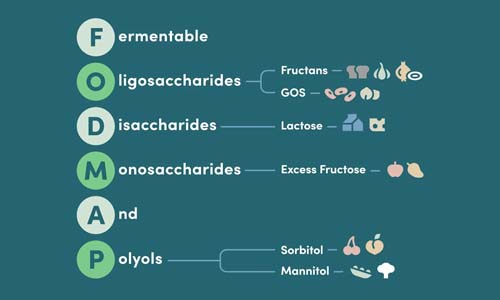
Compare dairy-free broths for soups? Start with more than the absence of milk. A useful soup base should bring satisfying body, balanced seasoning, and a clear ingredient list that suits your dietary needs. A broth can be dairy-free yet contain whey, milk solids, onion, garlic, or other ingredients that do not work for every low FODMAP kitchen.
Key Takeaways
- A dairy-free label does not guarantee the absence of whey, milk solids, or other dairy-derived ingredients, so read the ingredient list carefully.
- Look for a broth that provides satisfying body and balanced seasoning, not just the absence of milk, to create a useful soup base.
- Onion and garlic are common in many broths, so verify the ingredient list if you follow a low FODMAP diet and need to avoid them.
- Compare multiple brands side by side to find a broth that meets your specific dietary needs without sacrificing flavor or texture.
- Choosing a broth with a short, clear ingredient list helps you control exactly what goes into your soup and supports dietary restrictions.
This comparison considers liquid bone broth, vegetable broth, and bouillon through cooking and label-reading criteria. The goal is a base that tastes complete in a clear soup, supports a creamy texture without butter or cream, and provides enough information for a confident choice. 🐓
Introduction: Understanding Dairy-Free Broths for Soup-Making
Why Dairy-Free Matters Beyond Allergy Labels
Dairy-free selection is not only about avoiding an obvious allergen. Powdered soup bases and bouillon cubes may use whey, lactose, casein, or milk-derived flavorings for richness. Some replace dairy with heavy alliums, concentrated flavor additives, or thickeners that may trouble sensitive diners. Read the full ingredient statement, particularly for a low FODMAP kitchen or a restricted diet.
Key Factors: Body, Flavor, and Label Transparency
Body comes from gelatin, dissolved proteins, vegetable solids, or starch. Flavor depends on roasted notes, natural umami, salt balance, and seasoning quality. Label transparency shows whether a product fits your needs before it reaches the pot. Singular Broths offer organic, unsalted, Low FODMAP options across chicken, beef, vegetable, and instant bone broth formats, making the base easier to season for a specific recipe.
How We Evaluated Dairy-Free Broths: Culinary and Label Criteria

Culinary Performance: Body, Mouthfeel, and Emulsification
We considered how each format behaves in the pot as well as its flavor from a spoon. Bone broth can provide rounded mouthfeel from natural gelatin, which becomes more noticeable as the liquid cools. Vegetable broth usually gives a lighter, cleaner finish, while bouillon delivers concentrated seasoning quickly. We also considered whether a broth supports emulsification with olive oil or blended vegetables instead of leaving a watery or greasy surface.
Label Analysis: Hidden Milk Derivatives and Digestive Triggers
Ingredient review included milk, whey, lactose, casein, milk solids, onion, garlic, wheat-based thickeners, and ambiguous flavor blends. A “dairy-free” front label does not automatically confirm low FODMAP suitability. A short ingredient list and clearly stated dietary standard make recipe planning less uncertain. Singular Broths are organic, Low FODMAP, and unsalted.
Sodium Content and Ingredient Clarity Considerations
Salt level affects flavor control and flexibility. An unsalted broth lets you season a delicate rice soup differently from a hearty bean or beef soup. Clear labels identify the broth base, seasonings, and dietary attributes without relying mainly on vague “natural flavors.”
Top Dairy-Free Broth Formats for Soup: Bone Broth, Vegetable Broth, and Bouillon
Organic Bone Broth: Richness from Natural Gelatin
Bone broth suits soups that need depth and fuller mouthfeel without cream. Long simmering extracts collagen and gelatin from poultry or beef bones, giving the liquid a soft, coating texture. It works in chicken soup, beef stew, gravy-style preparations, and blended vegetable soups. Refrigerated bone broth may set slightly when cold, then return to liquid form when heated.
Vegetable Broth: Flavor and Body Without Animal Products
Vegetable broth brings a lighter profile to lentil, rice, tomato-based, and clear vegetable soups. Its quality depends on roasted vegetables, herbs, mushroom notes, and enough concentration to avoid a thin finish. Check closely for alliums and concentrated sweeteners if you need a low FODMAP base.
Dairy-Free Soup Bases Compared: Bone Broth, Vegetable Broth, and Bouillon
Bouillon cubes, pastes, and powders are compact and convenient for small batches or pantry storage. Their concentrated format may hide milk derivatives, excess sodium, yeast extract, or broad flavor declarations. Instant bone broth powder offers similar convenience. Gourmend’s unsalted, organic, Low FODMAP formats include Organic Chicken Bone Broth, Organic Beef Bone Broth, Organic Vegetable Broth, and Instant Bone Broth Powder.
| Format | Texture contribution | Best soup uses | Label check |
|---|---|---|---|
| Bone broth | Gelatin-rich, rounded body | Hearty, creamy-style, meat-based soups | Milk derivatives, alliums, sodium |
| Vegetable broth | Light, clean finish | Clear, plant-based, grain and bean soups | Alliums, flavor concentrates, thickeners |
| Bouillon | Depends on starches and concentrates | Fast single-serving or small-batch cooking | Whey, lactose, yeast extract, salt |
Side-by-Side Comparison of Dairy-Free Broths for Soup Applications
Match the broth’s structure to the finished dish. Bone broth generally brings the fullest mouthfeel, vegetable broth keeps flavors lighter and cleaner, and bouillon provides concentrated seasoning in a compact format. Check every label because dairy-free wording does not always address alliums, yeast extract, or other ingredients that may trouble a low FODMAP kitchen.
| Broth format | Flavor and body | Best soup application | Label points to check |
|---|---|---|---|
| Organic bone broth | Deep savory flavor with natural gelatin and a rounded finish | Creamy vegetable soups, chicken soup, beef soups, and stews | Milk derivatives, alliums, sodium, and stated dietary certification |
| Organic vegetable broth | Light, herbaceous flavor with a clear texture | Rice soup, lentil soup, vegetable soup, and delicate sauces | Onion, garlic, concentrated sweeteners, and vague flavor declarations |
| Bouillon cube, paste, or powder | Strong seasoning with texture that may remain thin | Quick single servings, grains, and recipes needing extra salt | Whey, lactose, casein, yeast extract, wheat, and high sodium |
| Instant bone broth powder | Portable savory depth with adjustable concentration | Small batches, travel cooking, and fast soup preparation | Serving size, milk ingredients, alliums, and added starches |
Flavor Depth and Umami Presence
Bone broth is a strong choice when soup needs savory depth without cream, since gelatin and dissolved proteins give the liquid more presence. Vegetable broth tastes fresher and less heavy, making it a good partner for herbs, greens, rice, and lemon juice. Bouillon delivers immediate salt and umami, though it can seem sharp with salty meat or canned ingredients. Singular Broths provide organic, Low FODMAP, unsalted options for gradual seasoning.
Gelatin Content and Mouthfeel Impact
Natural gelatin changes how soup coats the spoon. Poultry or beef bone broth can create a silky base without butter, while vegetable broth usually depends on blended produce, pureed starches, or olive oil for added body. Bouillon may taste intense but remain watery unless paired with puree or emulsified finishing oil. This distinction matters in dairy-free chowders and blended soups.
Allergen and Allium Content Transparency
Look beyond “dairy-free.” Scan for whey, lactose, casein, milk powder, and butter flavor, then check for onion, garlic, and broad seasoning blends. Singular Broths are organic, Low FODMAP, and unsalted, giving cooks a defined starting point for sensitive-diet recipes.
Sodium Levels and Label Cleanliness
Unsalted broth offers more control than a heavily seasoned cube or paste. It lets you account for cured meat, canned beans, miso, or salty toppings before adjusting the pot. A readable ingredient statement makes the flavor source easier to identify.
Format Tradeoffs at a Glance
Pros
- Bone broth supplies body without dairy.
- Vegetable broth suits lighter soups.
- Powdered formats store conveniently.
Cons
- Bouillon may carry hidden milk derivatives.
- Some formats rely on heavy allium seasoning.
- High sodium can limit recipe flexibility.
Culinary Techniques to Improve Dairy-Free Broth Soups Without Dairy
Test the base in the finished recipe, then build richness through technique instead of cream, nuts, coconut milk, or butter. Gentle simmering preserves flavor, while blended vegetables add thickness without masking the broth’s savory character.
Building Creaminess: Gelatin Emulsification and Olive Oil Integration
Warm bone broth already contains gelatin that can lend a smooth, coating texture. For a velvety finish, blend a small amount of olive oil into hot broth with an immersion blender, adding the oil slowly so it disperses instead of floating. Pureed potato, carrot, pumpkin, or parsnip can provide more body without making the soup dense.
Flavor Boosters Using Low FODMAP Allium Alternatives
Garlic-infused oil can provide aroma without garlic pieces when prepared and portioned appropriately. Garlic chives, green scallion tops, herbs, ginger, black pepper, smoked paprika, and measured lemon juice can add lift. Gourmend’s low FODMAP seasonings and garlic chive products offer ways to build allium-style character while keeping the broth unsalted and easier to balance.
Avoiding Common Pitfalls: Thickening Without High-FODMAP Ingredients
Choose a modest puree, cornstarch slurry, or rice-based thickener when soup needs more structure. Add starch gradually and simmer briefly; excessive thickening can mute seasoning and create a pasty texture. Check prepared thickeners for wheat, milk solids, onion powder, and garlic powder. Controlled portions and gradual seasoning help keep the bowl satisfying and suitable for a sensitive-diet menu. 🐓
Label Decoding Checklist: Spotting Hidden Dairy and Digestive Irritants in Broths
A dairy-free claim deserves a second look before the broth enters your pot. Start with the allergen statement, then read the full ingredient list. Milk, whey, lactose, casein, caseinates, milk powder, butter, and cream may appear in bouillon cubes, soup concentrates, and flavored powders. “Non-dairy” does not confirm that a product fits every dietary need. The Singular Broths line offers an organic, Low FODMAP, unsalted starting point across chicken, beef, vegetable, and instant bone broth formats.
Common Dairy-Derived Ingredients to Watch For
Scan for whey protein, whey powder, lactose, milk solids, and sodium caseinate. If an ingredient list says “contains milk,” treat it as a stop for a dairy-free recipe. Shared-equipment advisory language addresses possible cross-contact rather than confirming milk in the recipe, so follow the eater’s needs and medical guidance.
Identifying Hidden Alliums and Yeast Extracts
Look for onion powder, garlic powder, dehydrated onion, shallot, leek, and allium seasoning blends. These may make a broth unsuitable for some low FODMAP diners even without dairy. Yeast extract, autolyzed yeast, and hydrolyzed vegetable protein intensify savory flavor but make labels harder to interpret. Choose plainly named ingredients where possible.
Understanding Natural Flavors and Their Ambiguity
“Natural flavors” is a broad category, not a full description of the flavor source. Ask the manufacturer for clarification if the term appears alongside a restricted diet, especially in a concentrated powder or paste. Singular Broths are a practical choice because their organic and Low FODMAP positioning is paired with an unsalted format.
 Organic Chicken Bone BrothLeek and scallion tops stand in for onion and garlic. Seven organic ingredients, unsalted.Shop now
Frequently Asked Questions About Dairy-Free Broths and Soup Making
Can Store-Bought Broths Contain Hidden Milk Ingredients?
Yes. Milk derivatives can occur in bouillon cubes, powdered bases, creamy-style concentrates, and flavored broth products. Check for whey, lactose, casein, milk solids, and butter flavor rather than relying on front-of-package wording. Liquid stock is not automatically dairy-free.
What Broth Bases Work Best for Clear Versus Creamy Soups?
Choose clean vegetable or poultry broth for clear soup with herbs, rice, greens, or delicate vegetables. Gelatin-rich bone broth suits creamy-style soup because it contributes fuller mouthfeel without milk. Pureed potato, pumpkin, or carrot can add thickness while keeping the broth’s flavor visible.
How Can You Manage Sodium Levels for Sensitive Diets?
Begin with an unsalted base and season after adding meat, canned beans, cured ingredients, or salty toppings. Taste near the end, then adjust with measured salt, fresh herbs, citrus, or low FODMAP seasoning. Singular Broths provide unsalted options for gradual seasoning.
Are Allium Substitutes Effective in Broth-Based Soups?
They can be. Garlic-infused oil, garlic chives, scallion greens, ginger, black pepper, smoked paprika, and fresh herbs can supply aroma and savory lift without conventional onion or garlic pieces. Add herbs and scallion greens late for freshness, and infused oil at the finish for fragrance. Portion awareness still matters for a low FODMAP meal plan.
Frequently Asked Questions
What is the healthiest broth to use in soup?
The healthiest broth for soup depends on your dietary needs, sodium preferences, and desired texture. Organic low FODMAP bone broth provides gelatin-rich body, while organic vegetable broth offers a lighter plant-based base. Unsalted broth gives you more control over seasoning in the finished recipe.
What are some good dairy-free soups?
Good dairy-free soups include chicken soup, vegetable soup, lentil soup, rice soup, tomato soup, and blended vegetable soup. Dairy-free broths can provide savory flavor and body without milk, butter, or cream. Bone broth suits hearty soups, while vegetable broth works well in lighter plant-based recipes.
What is the best non-dairy milk to use in soups?
Unsweetened, unflavored oat, coconut, almond, or soy milk can work in dairy-free soups, depending on the recipe. Coconut milk adds richness, while oat milk gives blended soups a smooth texture with a mild flavor. Check the label for ingredients that fit your dietary needs, then add the milk after building flavor with broth.
Is all chicken broth dairy free?
Not all chicken broth is automatically dairy free, so check the complete ingredient label before using it. Some packaged soup bases may include milk-derived ingredients such as whey, lactose, casein, or milk solids. A clearly labeled organic, unsalted, low FODMAP chicken bone broth can offer a more informed choice for sensitive kitchens.
What should you check on a dairy-free broth label?
A dairy-free broth label should be checked for milk derivatives, sodium level, dietary certification, and the full ingredient list. Look for terms such as whey, lactose, casein, and milk solids if you avoid dairy. Low FODMAP cooks should also review the label for ingredients that may not suit their individual needs.
Which dairy-free broth is best for creamy-style soup?
Organic bone broth is often the best dairy-free broth for creamy-style soup because natural gelatin gives the liquid a rounded mouthfeel. Blended vegetables, olive oil, or dairy-free milk can add further creaminess without butter or cream. Organic vegetable broth is a good choice when you want a lighter, plant-based result.