


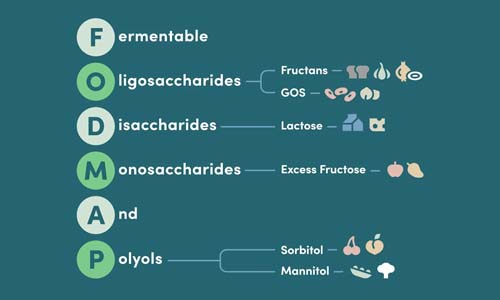

Chicken Bone Broth vs Beef Bone Broth for Gut Health: A Low FODMAP Guide

Chicken bone broth vs beef bone broth for gut health?
Chicken bone broth vs beef bone broth for gut health? The bigger distinction for many low FODMAP cooks is not the animal source, but whether the ingredient list includes onion, garlic, or other potential triggers. A broth’s recipe, serving size, and your individual tolerance matter more than claims about one type being best.
Key Takeaways
- The animal source matters less than the ingredient list, so always check for onion, garlic, and other potential FODMAP triggers before buying any bone broth.
- Serving size plays a major role in FODMAP load, since even a safe broth can cause symptoms if you drink too much at once.
- Your personal tolerance should guide your choice more than general claims about which broth is healthier for gut health.
- Both chicken and beef bone broth can fit a low FODMAP diet when they are made with certified low FODMAP seasonings and simple, clean ingredients.
- Comparing labels for recipe details is more useful than relying on marketing claims about one type of bone broth being superior.
Chicken tends to taste lighter; beef usually brings a deeper, meatier flavor. Neither type is proven to prevent bloating or improve IBS symptoms. Here’s how to compare their collagen, texture, and cooking uses without assuming that a nutrition claim guarantees a digestive benefit.
The Honest Answer Up Front
For a sensitive gut, the ingredient list may matter more than whether broth comes from chicken or beef. A recipe containing onion or garlic can be harder to fit into a low FODMAP eating pattern than an allium-free option. Yeast extract and broadly labeled natural flavors are also worth checking, since the label may not make their sources clear.
Choose based on ingredients, portion, and how you feel after eating it. Chicken broth often suits lighter soups and rice; beef broth brings a deeper taste to hearty dishes. If you want an allium-free chicken option, Organic Chicken Bone Broth (Low FODMAP, Unsalted) is made with scallion green tops, leek green tops, and chives in place of onion and garlic bulbs.
What Counts as Bone Broth (vs. Broth and Stock)
Bone broth is generally made by simmering animal bones in water for an extended period, commonly 12 to 24 hours, to extract gelatin and collagen. Stock is often simmered for less time, while broth may be made with meat and can be seasoned for sipping or cooking. The terms are not always used consistently on packages, so ingredients and nutrition facts provide more useful detail than the name alone.
Composition varies with the bones, cooking time, and added ingredients. The USDA Nutrient Database figures cited by Community Food Co-op put one cup of homemade chicken bone broth at roughly 90 calories, 6 grams of protein, 3 grams of fat, and 9 grams of carbohydrates. Packaged broths can differ, making the label a better guide to the specific carton.
Chicken vs. Beef Bone Broth: Collagen, Amino Acids, and Texture Compared

Collagen Types: Type I in Beef, Type II in Chicken
Beef bone broth is often described as richer in Type I collagen, while chicken broth is associated with Type II collagen. These descriptions reflect the different tissues used, not a guarantee that every carton provides a particular collagen amount. Bone choice, preparation, and processing all affect what ends up in the cup.
Chicken broth may also contain branched-chain amino acids such as leucine. These distinctions can help explain differences in composition, but they do not establish that one broth will improve digestion more than the other. Treat collagen type as one comparison point, not a promise about gut symptoms.
Glycine and Proline: Which Broth Delivers More
Beef broth is generally described as higher in glycine and proline, amino acids found in collagen-rich connective tissue. Amounts vary by recipe, so the animal source alone cannot tell you how much a serving contains. Unless a label provides specific figures, avoid assuming that one cup delivers a set amount.
Gelatin, Body, and What the Jiggle Actually Tells You
A broth that gels when chilled has set gelatin, formed as collagen breaks down during cooking and cools. That texture can signal gelatin in the broth, but it does not reveal an exact collagen dose or predict how your body will respond. A liquid broth may still be useful in soups and grains, even if it does not jiggle in the refrigerator.
Simmer Time and Extraction: 12-16 Hours for Chicken, Up to 24 for Beef
Bone broth recipes commonly call for 12 to 24 hours of simmering, compared with about 2 to 4 hours for stock. Longer cooking can extract more collagen and gelatin, though the result also depends on bone selection and preparation. As one product example, Organic Chicken Bone Broth (Low FODMAP, Unsalted) is slow-simmered for 16 hours.
Fat Content and Easy-to-Digest Differences
Fat content varies between batches and brands, and a rich broth may feel different from a lean one. Neither chicken nor beef is automatically easier to digest for everyone. If a serving seems to cause discomfort, consider its portion, fat content, added ingredients, and what else you ate rather than drawing a conclusion from the meat source alone.
Side-by-Side: Chicken vs. Beef at a Glance
Use this comparison to match broth to the dish, then check the package for the details that vary by brand. Flavor and texture are practical distinctions; collagen and amino acid descriptions are general patterns, not guarantees for a specific carton.
| Feature | Chicken bone broth | Beef bone broth |
|---|---|---|
| Typical flavor | Lighter and more delicate | Deeper and meatier |
| Common collagen association | Often associated with Type II collagen | Often higher in Type I collagen |
| Amino acid pattern | Often described as containing branched-chain amino acids such as leucine | Generally described as higher in glycine and proline |
| Useful cooking fit | Light soups, rice, and sipping | Stews, braises, and fuller-flavored dishes |
| What varies by brand | Ingredients, fat, protein, and serving details | Ingredients, fat, protein, and serving details |
The Label Is the Real Deciding Factor: How to Screen Any Bone Broth for Gut Triggers
When choosing broth for a sensitive gut, the ingredient list can matter more than whether it is made with chicken or beef. Onion and garlic are common sources of FODMAPs, and yeast extract or “natural flavors” may leave their source unclear. Read the full label, including seasonings and flavorings, rather than relying on the front-of-package claims.
Red-Flag Ingredients: Onion, Garlic, Yeast Extract, and Natural Flavors
Look for onion, garlic, onion powder, garlic powder, and ingredients such as onion or garlic juice. These can appear in broth, bouillon, seasoning blends, or flavor bases. Yeast extract is not automatically a FODMAP trigger, but its source and the amount used may not be clear from the label. “Natural flavors” is similarly broad, so contact the manufacturer if you need more detail.
A 5-Step Label-Reading Checklist for the Store Aisle
- Scan the entire ingredient list for onion and garlic in any form.
- Check seasoning blends, extracts, and flavorings, not just the first few ingredients.
- Look at the serving size and sodium per serving on the Nutrition Facts panel.
- Check whether the product has a current FODMAP Friendly certification. Certification indicates that a product has been tested against that program’s criteria; check its listing and serving guidance for the specific product.
- If “natural flavors” or another vague ingredient leaves you unsure, ask the manufacturer before buying.
A short, transparent ingredient list makes it easier to identify what is in your bowl. For example, Organic Chicken Bone Broth (Low FODMAP, Unsalted) uses scallion green tops, leek green tops, and chives in place of onion and garlic bulbs.
How Much Bone Broth Is a Low FODMAP Serving?
There is no universal serving size that guarantees a response will be comfortable for everyone. FODMAP content depends on the product’s recipe and portion, and individual tolerance varies. Use tested product-specific serving guidance when available, start with a modest amount, and consider the other ingredients in the meal. If the package gives no low FODMAP serving information, contact the manufacturer rather than assuming that any amount is suitable.
Who Should Be Cautious: Histamine, Sodium, and Long Simmers
Long-simmered broth, sodium content, and individual sensitivities may be relevant if you notice symptoms after drinking it. Compare labels for sodium, and consider discussing persistent or recurring symptoms with a qualified health professional. This article is educational, not medical advice; it does not diagnose, treat, or prevent a condition.
Allium-Free Flavor: Choosing Between Chicken and Beef and Building Depth Without Onion or Garlic
Choose broth by the flavor and body your dish needs, then build aroma with low FODMAP ingredients you tolerate. Chicken’s lighter flavor can suit delicate recipes, while beef brings deeper savory notes to hearty dishes. For a sensitive gut, choosing an allium-free base and adjusting the portion can be more useful than expecting one animal source to suit everyone.
Use Chicken When: Lighter Soups, Rice Grains, and Gentle Sips
Chicken broth pairs well with rice, mild vegetable soups, and sauces where a strong meat flavor would take over. It can also be sipped on its own if that suits you. Organic Chicken Bone Broth (Low FODMAP, Unsalted) is slow-simmered for 16 hours and can be used for sipping or cooking. Because it is unsalted, you can season the finished dish to taste.
Use Beef When: Braises, Stews, and Deep Umami
Beef broth’s fuller, savory flavor fits braises, lentil-free stews, and pan sauces. For depth without onion or garlic, brown meat and vegetables well, then deglaze the pan with broth. Noris and oyster mushroom can also contribute savory, umami notes in beef broth. Check the ingredient list and portion guidance for any prepared broth you choose.
Flavor-Swap Chart: Garlic Scapes, Chives, and Green Onion Instead of Alliums
These are starting points for flavor, not tested low FODMAP serving limits. Use the green parts of green onions, and adjust the amount to your taste and tolerance.
- Garlic flavor: Try a small amount of finely chopped garlic scape, then taste and adjust.
- Fresh onion finish: Replace a sprinkle of chopped onion with chopped chives or green onion tops.
- Cooked aromatic base: Soften chopped green onion tops in oil before adding broth, rice, or vegetables.
Simmer Your Own: A Simple Allium-Free Home Bone Broth Method
- Place chicken or beef bones in a pot and cover with water. Add carrot, celery, parsley stems, and a few chives, if tolerated.
- Bring the pot to a gentle simmer, then lower the heat. Avoid a hard boil, which can make the broth cloudy.
- Cook until the broth develops the flavor and body you want. Strain it, cool it promptly, and refrigerate or freeze it in portions.
- Taste before seasoning, then add salt, chopped chives, or green onion tops as desired.
Bone Broth Questions, Answered

Is chicken or beef bone broth better for gut health?
Neither is proven to be better for gut health or to prevent digestive symptoms. The recipe, serving size, and your individual tolerance matter. For a low FODMAP choice, check for onion and garlic and follow any product-specific serving guidance. Chicken’s milder flavor suits lighter meals; beef brings a deeper taste to hearty dishes.
Does chicken bone broth really contain Type II collagen?
Chicken bone broth is often associated with Type II collagen, though the amount depends on the bones and preparation. A product’s animal source alone cannot confirm its collagen content. Unless the label provides specific figures, treat collagen-type descriptions as general comparisons, not a measure of what a serving provides.
Can bone broth help with bloating and IBS symptoms?
There is not enough information here to say that bone broth relieves bloating or IBS symptoms. Some people may notice discomfort after drinking it. Review the ingredients, portion, and sodium content, and consider whether other foods in the meal could be contributing. Ongoing or concerning symptoms are worth discussing with a qualified health professional.
Which bone broth should I choose if I'm new to low FODMAP eating?
Start with a broth whose ingredients and serving guidance are clear, then try a modest portion and observe your own response. Organic Chicken Bone Broth (Low FODMAP, Unsalted) is made with seven organic ingredients, including scallion green tops, leek green tops, and chives in place of onion and garlic bulbs. It is slow-simmered for 16 hours and suited to sipping or cooking. For a lighter-tasting option, it is a practical place to start. Organic Chicken Bone Broth (Low FODMAP, Unsalted) also lets you season a dish to taste.
This content is for educational purposes only and is not medical advice. It does not diagnose, treat, or prevent any condition. For a structured introduction to the eating pattern, see the Low FODMAP Diet 101 guide.
Frequently Asked Questions
Which bone broth is best for gut healing?
Neither chicken nor beef bone broth is proven to heal the gut, and no broth type guarantees digestive benefits. For a sensitive gut, the ingredient list matters more than the animal source. Check labels for onion, garlic, yeast extract, or unclear natural flavors, and choose based on ingredients, portion size, and your own tolerance.
Does boiling bone broth destroy collagen?
Bone broth is made by simmering bones for 12 to 24 hours, and that long, gentle cooking is what breaks collagen down into gelatin rather than destroying it. Bone choice, preparation, and processing all affect the final collagen content. A broth that gels when chilled signals gelatin is present, though it does not reveal an exact amount.
What happens if I drink chicken bone broth every day?
Drinking chicken bone broth daily is generally fine for most people, but neither chicken nor beef broth is proven to prevent bloating or improve IBS symptoms. Pay attention to serving size, fat content, and added ingredients. If a serving seems to cause discomfort, consider the portion and what else you ate rather than the meat source alone.
What is the downside to drinking bone broth?
The main downsides are label uncertainty and unmet expectations. Many packaged broths contain onion, garlic, or vaguely labeled natural flavors that can be difficult to fit into a low FODMAP eating pattern. Nutrition also varies by brand and batch, so front-of-package claims about collagen or gut benefits may not match the specific carton.
Does bone broth lower cortisol?
There is no strong evidence that bone broth lowers cortisol levels. Bone broth provides protein, amino acids like glycine and proline, and hydration, but claims tying it to stress hormone reduction are not established. Treat it as a nourishing food to enjoy, not a supplement with proven effects on cortisol.
Is chicken or beef bone broth easier to digest?
Neither chicken nor beef bone broth is automatically easier to digest for everyone. Fat content varies between batches and brands, and a rich broth may feel different from a lean one. Your individual tolerance, portion size, and the specific ingredient list matter far more than whether the broth came from chicken or beef.
What should I look for on a bone broth label for a sensitive gut?
Read the full ingredient list, including seasonings and flavorings, rather than trusting front-of-package claims. Red-flag ingredients include onion, garlic, onion powder, garlic powder, yeast extract, and broadly labeled natural flavors whose sources may be unclear. An allium-free recipe made with scallion green tops or leek green tops can be easier to fit into a low FODMAP pattern.