


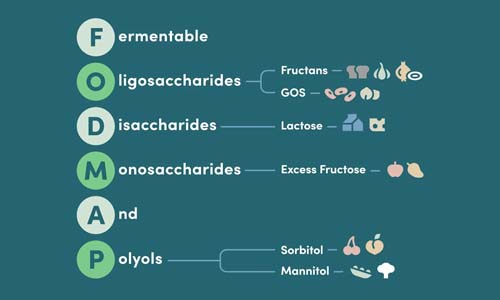

Can You Freeze Bone Broth? 5 Pro Methods + Low FODMAP Tips

Key Takeaways
- Bone broth can be frozen without compromising its quality.
- Freezing bone broth preserves its rich collagen and gelatin content.
- The nutritional density of bone broth remains intact after freezing.
- Frozen bone broth retains its silky mouthfeel, ideal for gut-friendly cooking.
Table of Contents
- Yes, You Can Freeze Bone Broth, Here's Why It's Your Secret Weapon
- Five Freezing Methods Ranked by Your Lifestyle & Kitchen Space
- Prep & Packaging: The Critical Steps Before Your Broth Hits the Freezer
- Maximizing Freezer Organization & Preventing Freezer Burn
- Thawing & Reheating Frozen Bone Broth Without Compromising Quality
Yes, You Can Freeze Bone Broth, Here's Why It's Your Secret Weapon
Can you freeze bone broth? Absolutely, and it's one of the smartest moves you can make for your kitchen. Unlike regular broth, bone broth's rich collagen and gelatin structure actually freeze beautifully, maintaining both nutritional density and that signature silky mouthfeel that makes it so valuable for gut-friendly cooking.
Freezing transforms bone broth from a perishable 3-5 day refrigerator ingredient into a 2-3 month freezer staple. This shift unlocks serious meal-planning power: batch-cook a large pot on Sunday, freeze in portions, and you've got weeks of ready-to-use cooking liquid that requires zero prep time. For busy professionals juggling gluten-free or low FODMAP requirements, this convenience factor alone justifies the freezer space. A bone broth sampler bundle is a great way to stock your freezer with a variety of flavors for different recipes.
Why Freezing Preserves Nutrient Density and Flavor
Bone broth's high protein and mineral content freeze exceptionally well because these compounds don't break down at standard freezer temperatures. The gelatin that creates that satisfying gel-like consistency when chilled actually helps protect other nutrients during the freezing process, acting as a natural preservative matrix.
When you freeze quality bone broth, whether homemade or Gourmend’s shelf-stable bone broths, you're essentially hitting pause on nutritional degradation. Compare this to refrigerated storage, where beneficial compounds slowly oxidize and flavors begin to fade after day three. Organic Chicken Bone Broth is an excellent choice for those seeking a low FODMAP, unsalted option that freezes well.
How Frozen Broth Simplifies Low FODMAP Meal Planning
Pre-portioned frozen bone broth eliminates the guesswork that trips up many low FODMAP followers. Freeze in measured 1-cup or 2-cup portions, and you'll never accidentally exceed serving recommendations or contaminate a batch with high-FODMAP additions.
This precision becomes invaluable when you're using Gourmend's low FODMAP-friendly bone broths, which are crafted with chives and green leek tops instead of onion bulbs. Freezing these verified ingredients in exact portions means your base is always compliant, one less variable to track during elimination phases.
Five Freezing Methods Ranked by Your Lifestyle & Kitchen Space

Not all freezing approaches work for every kitchen setup or cooking style. Here's how the top methods stack up based on space efficiency, thaw speed, and real-world usability.
| Method | Space Efficiency | Thaw Time | Best For | Setup Cost |
|---|---|---|---|---|
| Freezer Bags (Flat) | Excellent | 2-4 hours | Small kitchens, bulk storage | $ |
| Ice Cube Trays | Good | 15 minutes | Portion control, quick use | $ |
| Glass Jars | Fair | 6-12 hours | Plastic-free, reusable | $$ |
| Plastic Containers | Fair | 4-8 hours | Bulk batches, family use | $$ |
| Hybrid Approach | Variable | Variable | Maximum flexibility | $$$ |
Method 1: Glass Jars (Best for No-Plastic Philosophy)
Wide-mouth mason jars work beautifully for bone broth, but only if you use straight-sided, freezer-safe varieties. The key is leaving 2 inches of headspace, bone broth's high protein content expands significantly when frozen. Best for storing 1-2 cup portions when you want completely plastic-free storage and don't mind the slower thaw time.
Method 2: Freezer Bags (Best for Space & Flexibility)
Lay filled bags flat to freeze, then stack vertically like files once solid. This method offers 60% better space efficiency than containers and allows you to portion exactly what you need. Perfect for apartment dwellers or anyone maximizing limited freezer real estate. Use the water-displacement method to remove air before sealing.
Method 3: Ice Cube Trays & Silicone Molds (Best for Portion Control & Low FODMAP Recipes)
Standard ice cube trays yield roughly 2-tablespoon portions, ideal for adding quick bursts of flavor to sautés or deglazing pans. For low FODMAP cooking, this precision prevents accidental serving size violations. Silicone molds pop out easier than plastic trays and can accommodate larger 1/4-cup portions. The Low FODMAP Foodie Bundle is perfect for those who want to keep a variety of compliant broths and ingredients on hand for portion-controlled recipes.
Method 4: Plastic Freezer-Safe Containers (Best for Bulk Storage)
Rectangular containers stack efficiently and protect against freezer burn while accommodating family-sized portions. Look for BPA-free options with secure, freezer-rated lids that won't crack under temperature stress. The key advantage here is stackability, rectangular shapes utilize freezer real estate more efficiently than round containers.
Best for: Families storing 4-8 cup portions, organized meal preppers who value uniform stacking, and those who reheat entire batches at once. The downside? These containers require more thaw time due to their bulk, making them less suitable for quick weeknight cooking.
Method 5: Hybrid Approach (Fresh + Store-Bought Broth Layering)
Here's where strategic thinking pays off: combine homemade bone broth with Gourmend shelf-stable bone broth to create custom blends before freezing. Start with a base of Gourmend Chicken or Beef bone broth, then enhance with your own low FODMAP additions like chive-infused stock or extra collagen powder. This approach delivers gourmet depth without the full time investment of making bone broth from scratch. For more on the benefits of different broths, see this guide to beef broth.
Best for: Time-conscious cooks who want homemade flavor with reliable quality, low FODMAP dieters seeking verified ingredients, and anyone building freezer reserves without weekend-long cooking sessions. The hybrid method also serves as a backup plan, if your homemade batch doesn't gel properly, Gourmend's bone broth provides the collagen foundation your recipes need. The Broth Lover Bundle is ideal for those who want to experiment with both homemade and store-bought blends.
| Method | Space Efficiency | Thaw Time | Portion Control | Best Use Case |
|---|---|---|---|---|
| Glass Jars | Moderate | 4-6 hours | Fixed portions | Plastic-free households |
| Freezer Bags | Excellent | 2-3 hours | Customizable | Small freezers, flexible portions |
| Ice Cube Trays | Good | 15-30 minutes | Precise (2 oz each) | Low FODMAP recipes, single servings |
| Plastic Containers | Very Good | 6-8 hours | Large batches | Family meals, bulk storage |
| Hybrid Method | Variable | Depends on container | Custom blends | Quality + convenience balance |
Prep & Packaging: The Critical Steps Before Your Broth Hits the Freezer
The difference between successfully frozen bone broth and a freezer disaster comes down to three non-negotiable steps: proper cooling, calculated headspace, and systematic labeling. Skip any of these, and you risk cracked containers, freezer burn, or worse, wasted batches of liquid gold that took hours to create.
The Cooling Protocol & Why Rushing It Backfires
Never put hot bone broth directly into the freezer. The thermal shock can crack glass containers, create excessive condensation that leads to freezer burn, and actually raise your freezer's internal temperature, affecting other stored foods. Instead, allow your bone broth to cool to room temperature over 30-60 minutes, depending on quantity.
For faster cooling without safety risks, create an ice bath: place your pot of broth in a larger bowl filled with ice water, stirring occasionally. This technique, borrowed from professional kitchens, can reduce cooling time by half while maintaining food safety standards. The goal is reaching room temperature, not cold, before transferring to freezer containers. For more on the nutritional benefits and uses of bone broth, check out this article on the bone broth diet.
Headspace Math: Preventing Containers from Cracking
Water expands approximately 9% when frozen, and bone broth follows the same physics. This means a completely full container becomes a ticking time bomb in your freezer. Leave 1-2 inches of headspace in rigid containers like glass jars, and about an inch in flexible bags before sealing.
The consequences of insufficient headspace aren't just inconvenient, they're dangerous. Exploding glass jars create safety hazards and can damage other frozen foods. Even if containers don't break completely, the pressure from expansion can compromise seals, leading to freezer burn and quality loss over time.
Labeling for Long-Term Freezer Success
Effective labeling goes beyond just the date. Include the type of bone broth (chicken, beef, or vegetable), the exact quantity, and any special characteristics like "low sodium" or "Gourmend hybrid blend." For low FODMAP dieters, add "verified low FODMAP" to eliminate guesswork during meal planning.
Use freezer-safe labels or permanent markers that won't fade in cold temperatures. A complete label might read: "Chicken Bone Broth, 2 cups, Low FODMAP, Made 3/15/24." This level of detail becomes invaluable when you're staring into a packed freezer six months later, trying to decide what to use for dinner.
To Skim Fat or Not: A Flavor-First Decision
The fat layer on top of cooled bone broth serves as a natural protective seal and adds rich flavor when the bone broth is reheated. Whether you remove this fat before freezing depends on your intended use and personal preference.
For maximum flavor retention, leave the fat layer intact. It acts as a natural barrier against freezer burn and oxidation, preserving the deep, savory notes that make bone broth so satisfying. When you're ready to use the broth, simply reheat and stir, the fat will incorporate beautifully, adding body and richness to soups, stews, and sauces.
However, if you're planning to use the bone broth in recipes where you want to control fat content separately, or if you're following a specific dietary protocol, skim the fat before freezing. You can freeze the rendered fat separately in small containers, it makes an excellent cooking fat for sautéing vegetables or adding depth to grain dishes. This approach gives you the flexibility to add back exactly the amount you want.
For our low FODMAP customers, keeping the fat can be particularly beneficial. It provides satiety and helps with the absorption of fat-soluble vitamins, which can be especially important when following a restrictive elimination diet. The choice is yours, but remember: fat equals flavor in the bone broth world. For more on choosing the best bone broth for your needs, see this guide to the best bone broth.
Maximizing Freezer Organization & Preventing Freezer Burn
Smart freezer organization transforms your frozen bone broth from a chaotic ice maze into a well-orchestrated culinary arsenal. The key lies in strategic placement, proper air removal, and consistent temperature management.
Stacking & Spacing: Geometry for Maximum Frozen Broth Capacity
Freezer real estate is precious, so every inch counts. Store freezer bags flat during the initial freeze, then stack them vertically like files once solid, this creates 60% more storage capacity than bulky containers. Place glass jars upright in the coldest section (typically the back or bottom shelf), never in the door where temperature fluctuates.
Create zones in your freezer: dedicate one area to bone broth, organized by portion size. Keep single-serving ice cube portions in clear containers at eye level for quick access. Store larger family-sized portions toward the back. This system prevents the dreaded freezer archaeology dig when you need broth for a quick weeknight dinner. Organic Vegetable Broth is a great option to keep in your freezer for plant-based recipes and quick meal prep.
Freezer Burn: Root Cause & Three Prevention Tactics
Freezer burn isn't just cosmetic, it's the enemy of the rich, gelatinous texture that makes bone broth special. The culprit is air exposure, which causes moisture to sublimate directly from ice to vapor, leaving behind those telltale dry, discolored patches.
Combat this with the water displacement method for freezer bags: seal the bag almost completely, then submerge it in a bowl of water up to the seal line. The water pressure forces out every bit of air more effectively than manual squeezing. For containers, press plastic wrap directly onto the surface of the cooled bone broth before adding the lid, this creates a double barrier against oxidation.
Double-bagging provides insurance against freezer burn for long-term storage. Place your sealed broth bag inside a second freezer bag, removing air from both. This technique is particularly valuable when you can freeze bone broth in large batches that you won't use for several weeks.
FIFO Rotation: Keeping Track of Your Frozen Inventory
Restaurant kitchens live by FIFO, first in, first out, and your home freezer should too. Mark each container with the freeze date using a permanent marker or freezer-safe labels. Include the type of bone broth (chicken, beef, or vegetable) and the amount for quick identification.
Once monthly, reorganize your freezer to move older bone broth containers to the front. Set a phone reminder if needed, this simple habit prevents waste and ensures you're always using bone broth at peak quality. For households that freeze multiple batches, keep a simple freezer inventory list on the door, checking off items as you use them. For more information on the benefits of organic options, read this article on organic bone broth.
Temperature & Longevity: Why Freezer Settings Matter
Your freezer should maintain a consistent 0°F (-18°C) for optimal bone broth preservation. Every degree warmer significantly reduces quality retention time. Frequent door openings cause temperature fluctuations that create ice crystals and degrade texture, so resist the urge to rearrange constantly.
At proper temperature, frozen bone broth maintains peak quality for 2-3 months and remains safe (though with diminished flavor and texture) for up to 6 months. If your freezer runs warmer or experiences power outages, use frozen bone broth within 1-2 months for best results. For authoritative food safety guidelines, see the USDA's guide to freezing and food safety.
Thawing & Reheating Frozen Bone Broth Without Compromising Quality

The method you choose to thaw frozen bone broth can make the difference between silky, restaurant-quality results and a disappointing, separated mess. Each approach serves different urgency levels while preserving the collagen structure and nutrients that make bone broth valuable.
Refrigerator Thawing: Slow, Safe & Superior
Refrigerator thawing is the gold standard for preserving both flavor and food safety. Plan ahead: a quart of frozen bone broth needs 12-24 hours to thaw completely in the refrigerator. This gradual process maintains the delicate collagen matrix that gives properly made bone broth its characteristic gel-like consistency when cold.
Place frozen containers on a rimmed plate to catch any condensation. The slow, consistent temperature prevents the thermal shock that can break down proteins and create an unpleasant grainy texture. Once thawed, use within 3-4 days, and you can safely refreeze if needed. For more tips on using bone broth in your daily routine, you might also enjoy this article on drinking chicken broth. For additional food safety information, consult CDC's food safety resources.
Frequently Asked Questions
What are the best methods for freezing bone broth based on kitchen space and lifestyle?
Freezing bone broth in airtight containers works well if you have ample freezer space and prefer larger portions. Ice cube trays are perfect for small kitchens or when you want convenient, single-use servings. Using silicone molds or freezer-safe bags can also save space and adapt to your cooking habits.
How does freezing bone broth affect its nutritional content and texture?
Freezing bone broth preserves its rich collagen, gelatin, and minerals, maintaining nutritional density without compromise. The gelatin helps protect nutrients during freezing, and the broth retains its silky mouthfeel, making it ideal for gut-friendly, flavorful cooking even after thawing.
What are the best practices for thawing and reheating frozen bone broth to preserve quality?
Thaw frozen bone broth gently in the refrigerator overnight or use a warm water bath for faster results. Reheat slowly on the stove over low heat to maintain texture and flavor, avoiding rapid boiling which can degrade the broth’s delicate gelatin and nutrients.
How can freezing bone broth simplify meal planning for those following a low FODMAP diet?
Freezing bone broth in pre-measured portions eliminates guesswork and helps you stick to low FODMAP serving sizes. It ensures you always have a gut-friendly, ready-to-use cooking liquid on hand, making meal prep faster and more precise while avoiding cross-contamination with high-FODMAP ingredients.