



Low FODMAP BBQ Sauce: Ingredients, Labels, and a Simple Recipe

bbq sauce low fodmap
As someone who navigated the complexities of IBS and discovered the joys of low FODMAP living, I know the feeling of missing out on classic comforts. Barbecues, cookouts, summer gatherings. They often come with a side of digestive dread for those sensitive to certain carbohydrates. The smoky, sweet, tangy allure of a great BBQ sauce can feel like a forbidden fruit. But what if I told you that enjoying barbecue season doesn't have to mean compromising your gut health? At Gourmend Foods, our mission is to ensure deliciousness comes first, always. We believe that managing digestive discomfort shouldn't mean sacrificing the flavors that make meals memorable. That's why we're exploring what makes BBQ sauce tricky for sensitive stomachs and how you can find or create truly satisfying low FODMAP options.
Key Takeaways
- Many traditional BBQ sauces rely on high FODMAP ingredients like onion and garlic, which can trigger IBS symptoms.
- You can enjoy smoky, sweet, and tangy barbecue flavors without sacrificing digestive comfort by choosing or making low FODMAP alternatives.
- Gourmend Foods focuses on creating sauces that deliver bold taste while supporting gut health.
- Learning to identify problematic ingredients is the first step toward worry-free summer cookouts.
- Homemade low FODMAP BBQ sauce can be just as satisfying as store-bought versions with the right recipe.
We've all been there, scanning ingredient lists at the grocery store, hoping for a miracle. Traditional BBQ sauces are notoriously packed with ingredients that can trigger symptoms like bloating, gas, and discomfort. But with a little knowledge and the right approach, you can reclaim the grill and enjoy your favorite smoky flavors with confidence. This guide is designed to equip you with the insights you need, from understanding ingredient pitfalls to making informed choices. You can enjoy a fantastic Low FODMAP Taco Seasoning-inspired cookout, or any BBQ event, with ease.
Is BBQ Sauce Low FODMAP? The Quick Answer
Yes, BBQ sauce can be low FODMAP, but most traditional store-bought varieties are not. Certified low FODMAP BBQ sauces are available, and homemade versions can be made safely. The key is avoiding specific high-FODMAP ingredients like onion, garlic, honey, and high-fructose corn syrup. Monash University, the leading authority on FODMAP research, has tested and approved certain BBQ sauces at specific serving sizes. Always check for FODMAP Friendly certification or carefully examine ingredient lists.
The question of whether BBQ sauce is low FODMAP is a common one, and the answer is nuanced. While the concept of barbecue flavor is generally compatible with a low FODMAP diet, the execution in most commercial products makes them problematic. High FODMAP ingredients are prevalent, often forming the base of the sauce's flavor profile. This is why understanding the ingredients and looking for specific certifications is paramount for anyone managing IBS or other digestive sensitivities. Our goal is to help you navigate this, ensuring your next plate of ribs or pulled pork is as gentle as it is delicious.
Did You Know? Monash University, the pioneers of the low FODMAP diet, has laboratory-tested and approved certain BBQ sauces. They deem BBQ sauce as low FODMAP at a serving size of 2 tablespoons (30g). This guidance is invaluable, but it applies to sauces specifically tested and found to be compliant at that quantity.
What Makes Traditional BBQ Sauce Problematic
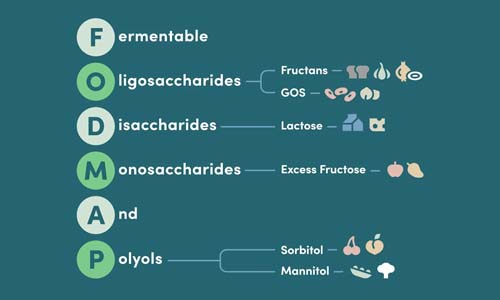
Traditional barbecue sauces often rely heavily on ingredients that are high in FODMAPs, specifically fructans and certain types of sugars. The primary offenders are typically onion and garlic, used in powder or fresh form, which are rich in fructans. These ferment in the gut, leading to gas and bloating. Beyond alliums, sweeteners like high-fructose corn syrup (HFCS), honey, and agave nectar are also frequent culprits. These ingredients are high in fructose and/or fructans, which are poorly absorbed in the small intestine and can cause digestive distress. Even seemingly innocent additions like fruit juice concentrates or certain thickeners can contribute to the FODMAP load.
How FODMAP Friendly Certification Works
Navigating the grocery aisle can be daunting, but certifications offer a valuable shortcut. The FODMAP Friendly certification program, similar to Monash University's testing, involves rigorous laboratory analysis of products. Manufacturers submit their products to be tested for FODMAP content. If a product meets the strict low FODMAP criteria for specific serving sizes, it receives the FODMAP Friendly logo. This certification provides a high level of assurance for consumers that the product is safe to consume within the specified serving limits, taking the guesswork out of label reading. It signifies that the product has been scientifically verified to be low in fermentable oligosaccharides, disaccharides, monosaccharides, and polyols.
Serving Size Basics for BBQ Sauce
Even a product labeled "low FODMAP" or certified as such typically has a recommended serving size. This is where the concept of FODMAP stacking comes into play. While 2 tablespoons (30g) of a certified low FODMAP BBQ sauce might be perfectly fine on its own, consuming multiple low FODMAP foods in one meal can add up. It’s essential to be mindful of these serving sizes, especially when building a complete meal. To illustrate, if you're having a large portion of pulled pork with a side of baked beans, you'll want to be more conservative with your BBQ sauce portion. Always refer to the product's certification or Monash University's app for specific serving size recommendations. This mindful approach helps prevent symptom flare-ups by managing your total FODMAP intake.
High FODMAP Ingredients Hiding in BBQ Sauce

The allure of barbecue sauce often lies in its complex flavor profile, a blend of sweet, tangy, and savory notes. Yet, achieving this taste in many commercial recipes frequently involves ingredients that are problematic for those following a low FODMAP diet. Understanding these hidden culprits is your first line of defense in identifying safe options. It’s not just about avoiding obvious sugars; many less apparent ingredients can trigger digestive issues. Being a knowledgeable consumer means knowing what to look for and what to avoid on any ingredient panel.
Label-Reading Checklist: 7 Red Flags to Watch For
- Onion Powder/Granules/Flakes: A primary source of fructans. Even "natural flavors" can sometimes hide onion derivatives.
- Garlic Powder/Granules/Flakes: Another major source of fructans. Garlic-infused oils are generally safe as FODMAPs are not oil-soluble, but garlic powder is not.
- High-Fructose Corn Syrup (HFCS): High in fructose, a monosaccharide that can be poorly absorbed.
- Honey: Rich in fructose and fructans, making it a double threat for many.
- Agave Nectar: Predominantly fructose, often in higher concentrations than sucrose.
- Fruit Juice Concentrates: Depending on the fruit, these can be high in fructose or sorbitol.
- Molasses: Can be high in excess fructose and fructans.
Onion and Garlic: The Primary Culprits
Regarding high FODMAP ingredients in BBQ sauce, onion and garlic are almost always at the top of the list. These alliums provide a savory depth that is foundational to many classic sauces. Yet, they are packed with fructans, a type of fermentable carbohydrate. Even small amounts, particularly in powdered form which is highly concentrated, can trigger symptoms in sensitive individuals. For those managing IBS, the presence of onion or garlic powder can render an otherwise appealing sauce off-limits. This is why finding low FODMAP alternatives that mimic this umami depth without the fructans is so important. The search for a truly compliant Low FODMAP Taco Seasoning often starts with finding replacements for these ubiquitous ingredients.
Sweeteners That Trigger Symptoms (HFCS, Honey, Agave)
Beyond the alliums, the sweetness in BBQ sauce is another area rife with potential FODMAP triggers. High-fructose corn syrup (HFCS) is a common sweetener in many processed foods, including BBQ sauces. It contains a high proportion of free fructose, which can be poorly absorbed. Similarly, honey, while natural, is a concentrated source of fructose and fructans. Agave nectar, often marketed as a natural sweetener, is also very high in fructose. These sweeteners can lead to osmotic effects in the gut and provide fuel for bacterial fermentation, contributing to bloating, gas, and abdominal pain. When selecting a BBQ sauce, scrutinizing the sweetener used is just as critical as checking for onion and garlic.
Sneaky Additives: Natural Flavors, Maltodextrin, and Fruit Juice Concentrates
The ingredient list can hold surprises beyond the obvious. "Natural flavors" is a broad term that can sometimes encompass hidden FODMAPs, including onion or garlic derivatives, depending on the source. While not always the case, it's a flag to be aware of. Maltodextrin, often used as a thickener or carrier, is generally considered low FODMAP in small amounts, but can be problematic in larger quantities or for individuals highly sensitive to certain starches. Fruit juice concentrates, depending on the fruit, can also be high in fructose or other polyols. For example, apple or pear juice concentrates, common in some BBQ sauces, would be high FODMAP. Reading labels requires vigilance for these less obvious, yet potentially triggering, ingredients.
Tip for Label Reading: When scanning labels for a low FODMAP BBQ sauce, look for certifications like FODMAP Friendly. If no certification is present, carefully examine the ingredient list for onion, garlic (and their powders/extracts), honey, HFCS, and agave. Remember that even ingredients like tomato paste or vinegar are typically low FODMAP in standard serving sizes.
How to Choose a Store-Bought Low FODMAP BBQ Sauce
Finding a truly low FODMAP barbecue sauce in the grocery store can feel like searching for a needle in a haystack. Many products boast "natural flavors" or claim to be "allergy-friendly," but these terms don't automatically guarantee they are safe for a low FODMAP diet. The key is to look beyond marketing and focus on verifiable standards and ingredient transparency. As the founder of Gourmend Foods, I've learned that teaching our readers how to make informed decisions, whether they're choosing a product or crafting their own, is essential. This section will guide you through a repeatable framework for selecting store-bought sauces, ensuring you can confidently bring delicious flavor home.
Expert Tip: When you're in the sauce aisle, remember that the best indicators of a low FODMAP product are official certifications and a clear, simple ingredient list. Don't be swayed by vague claims; rely on science-backed verification.
Why Certification Matters More Than Marketing Claims
For dietary restrictions, certifications are your most reliable allies. For the low FODMAP diet, FODMAP Friendly certification provides independent testing for packaged goods. This program involves rigorous laboratory testing by independent experts to confirm that a product meets strict low FODMAP criteria for specific serving sizes. Unlike marketing terms, which can be broad or even misleading, a FODMAP Friendly logo signifies that the product has been scientifically validated. This means you can trust that ingredients like onion, garlic, honey, or high-fructose corn syrup, which are common triggers, have been either omitted or replaced with safe alternatives. Relying on this certification drastically reduces the guesswork and potential for digestive upset.
What to Look For: A Buyer's Criteria Framework
To confidently select a store-bought low FODMAP BBQ sauce, establish a clear set of criteria. First and foremost, look for the FODMAP Friendly certification logo. If this is present, examine the recommended serving size; usually, 1-2 tablespoons is considered safe. If a product lacks this certification, you must scrutinize the ingredient list meticulously. Prioritize sauces where the primary ingredients are tomatoes, vinegar, and safe sweeteners like maple syrup or cane sugar (in moderation). Avoid any sauce containing onion powder, garlic powder, onion extract, garlic extract, honey, agave, or high-fructose corn syrup. Even "natural flavors" can sometimes be a red flag if the brand isn't transparent. A clean ingredient panel, free from a long list of obscure additives, is always a good sign.
Questions to Ask Before You Buy
Before making a purchase, ask yourself a few key questions to ensure you're making a safe and satisfying choice. Has this product been laboratory tested and certified low FODMAP by an accredited organization like FODMAP Friendly? If not, what are the primary sweeteners used? Are they maple syrup, cane sugar, or potentially problematic options like honey or HFCS? Does the ingredient list contain any forms of onion or garlic? Are there any fruit juice concentrates that might be high in fructose or polyols? Understanding the answers to these questions helps you move beyond assumptions. For example, while many brands might offer a "sugar-free" option, this doesn't automatically make it low FODMAP, as sugar-free can sometimes mean artificial sweeteners or sugar alcohols that are also triggers. Always prioritize transparency and verifiable safety.
Homemade Low FODMAP BBQ Sauce Recipe (Ready in 10 Minutes)
For many managing a low FODMAP diet, the idea of recreating beloved classics at home is incredibly empowering. Barbecue sauce is no exception, and the good news is that you can whip up a delicious, safe, and flavor-packed version in a matter of minutes. The secret to achieving that signature depth without the usual onion and garlic lies in smart ingredient choices. This recipe is designed for speed and simplicity, proving that you don't need hours of simmering to achieve gourmet results. It's a testament to how the right components can deliver bold taste while respecting your digestive needs.
Culinary Note: Garlic scapes and the green parts of scallions (like those found in our Low FODMAP Taco Seasoning) offer aromatic compounds that provide onion-like depth without the fructans found in garlic and onion bulbs. This is a key insight for low FODMAP cooking.
The Allium Solution: Garlic Scapes and Chives
The primary challenge in making low FODMAP BBQ sauce is replicating the savory, umami notes typically provided by onion and garlic. Traditional recipes rely heavily on these ingredients, which are high in fructans. Our approach uses ingredients that offer similar aromatic qualities without the FODMAP load. Garlic scapes, the flower stalks of garlic plants, provide a milder, more nuanced garlic flavor that is low FODMAP. Similarly, the green tops of scallions (green onions) and chives offer a fresh, oniony bite that is safe. By using powders derived from these safe allium alternatives, such as Gourmend's Garlic Scape Powder and Green Onion Powder, you can build a complex flavor base that mimics traditional BBQ sauce without triggering digestive distress.
Ingredients and Equipment
This no-cook recipe requires minimal equipment and a short list of accessible ingredients. You'll need a medium saucepan or a bowl for mixing, a whisk or spoon, and measuring cups and spoons. The core ingredients include a base of tomato paste or ketchup (ensure it's low FODMAP, free from HFCS and onion/garlic), a safe sweetener like maple syrup or brown sugar, apple cider vinegar for tang, and water to achieve the desired consistency. For flavor, we'll use Gourmend's Garlic Scape Powder and Green Onion Powder, along with classic spices like smoked paprika, a pinch of cayenne for heat, and salt. A touch of molasses can add depth, but use sparingly as it can be high FODMAP in larger quantities.
Quick & Easy Low FODMAP BBQ Sauce
Ingredients
- 1 cup tomato paste (ensure low FODMAP, no onion/garlic)
- 1/2 cup water
- 1/4 cup maple syrup (or brown sugar)
- 1/4 cup apple cider vinegar
- 1 tablespoon Gourmend Garlic Scape Powder
- 1 teaspoon Gourmend Green Onion Powder
- 1 teaspoon smoked paprika
- 1/2 teaspoon salt
- 1/4 teaspoon black pepper
- Pinch of cayenne pepper (optional)
- 1 teaspoon molasses (optional, use sparingly)
Instructions
- In a medium bowl or saucepan, combine tomato paste, water, maple syrup, and apple cider vinegar. Whisk until smooth.
- Add the Garlic Scape Powder, Green Onion Powder, smoked paprika, salt, black pepper, and cayenne pepper (if using). Stir well to combine all ingredients.
- If using molasses for added depth, whisk it in now.
- Taste and adjust seasonings as needed. Add more salt for savoriness, vinegar for tang, or sweetener for sweetness.
- This sauce is ready to use immediately. For a smoother consistency, you can blend it briefly with an immersion blender.
FODMAP Serving Size:
Approximately 2 tablespoons (30g) per serving. This recipe yields about 12 servings.
Three Flavor Variations: Smoky, Spicy, Maple-Bourbon
Once you have the base recipe, you can easily customize it to suit your taste preferences. For an extra smoky kick, increase the smoked paprika to 2 teaspoons or add a dash of liquid smoke (check ingredients for FODMAPs). To make it spicy, add more cayenne pepper or a pinch of red pepper flakes, or even a low FODMAP hot sauce. For a sophisticated Maple-Bourbon twist, swap half of the maple syrup for 2 tablespoons of bourbon (alcohol is low FODMAP) and ensure you're using pure maple syrup. These variations show how versatile a simple low FODMAP base can be, allowing you to create a unique Low FODMAP Taco Seasoning-inspired BBQ sauce for any occasion.
Storage and Shelf Life
Homemade low FODMAP BBQ sauce should be stored in an airtight container in the refrigerator. Due to the absence of commercial preservatives, its shelf life is typically shorter than store-bought varieties. Properly stored, it should remain fresh and flavorful for about 2 to 3 weeks. Always check for any signs of spoilage, such as an off smell or mold, before using. If you find yourself making larger batches, consider freezing portions in ice cube trays for convenient single-serving use, or portioning into freezer-safe containers. This ensures you always have a safe and delicious topping on hand.
References
- Low-FODMAP diet - Wikipedia
Frequently Asked Questions
What store-bought barbecue sauce is low FODMAP?
Low FODMAP barbecue sauce is available from select store-bought brands that are FODMAP Friendly certified. Always check for the certification logo on the label or use the Monash app to find approved products. Most traditional brands contain high FODMAP ingredients.
Is Sweet Baby Ray's barbecue sauce low FODMAP?
Sweet Baby Ray's barbecue sauce is not low FODMAP because it contains high FODMAP ingredients like onion powder and high-fructose corn syrup. These ingredients can trigger digestive symptoms in people with IBS. Look for certified low FODMAP alternatives such as those tested by Monash University.
Is BBQ sauce bad for IBS sufferers?
BBQ sauce can be bad for IBS sufferers if it contains high FODMAP ingredients like garlic, onion, honey, or high-fructose corn syrup. Certified low FODMAP BBQ sauces are safe in appropriate serving sizes, typically 2 tablespoons. Always check the ingredient list or certification before consuming.
Can I make low FODMAP BBQ sauce at home?
Homemade low FODMAP BBQ sauce is easy to make using low FODMAP ingredients such as tomato paste, maple syrup, smoked paprika, and garlic-infused oil (without garlic pieces). This gives you full control over the ingredients and avoids hidden triggers. Many recipes can be created in under 15 minutes.
What high FODMAP ingredients hide in BBQ sauce?
High FODMAP ingredients commonly hidden in BBQ sauce include onion powder, garlic powder, honey, high-fructose corn syrup, and fruit juice concentrates. These ingredients are high in fructans or excess fructose. Reading labels carefully for these red flags is essential for a low FODMAP diet.
How much low FODMAP BBQ sauce can I eat?
The safe serving size for certified low FODMAP BBQ sauce is typically 2 tablespoons (30 grams) per meal, as tested by Monash University. Be mindful of FODMAP stacking if you eat other moderate or high FODMAP foods in the same meal. Stick to the recommended portion to avoid digestive symptoms.