


Are Oranges Low FODMAP? Serving Sizes, Stacking, and Citrus Swaps for Real Cooking

If you’re asking “are oranges low FODMAP,” the answer is yes at the tested serving: Monash University lists one medium orange, about 130 g, as low FODMAP. The amount and form matter, so fresh fruit, juice, and zest should not be treated as interchangeable.
Key Takeaways
- A medium orange weighing about 130 grams is the tested low FODMAP serving according to Monash University.
- Fresh oranges, orange juice, and zest are tested and listed separately, so don’t use the whole-orange serving for juice or zest.
- Portion size is a major factor: larger servings of orange can raise the FODMAP load past the tested low FODMAP amount.
- Portions from several foods can add up in one meal (FODMAP stacking), so look at the whole plate, not just each ingredient.
- Personal tolerance matters too. A registered dietitian can help you find your own limits during reintroduction.
Table of Contents
- Are Oranges Low FODMAP? The Quick Answer and Exact Serving Sizes
- Serving Size Reference: Fruits, Vegetables, and Nuts at a Glance
- FODMAP Stacking: How a Low FODMAP Orange Can Add Up in a Meal
- Cooking with Citrus and Tomato Without Garlic or Onion
- FAQ: Oranges, Citrus, and the Low FODMAP Diet
Serving references can make meal planning less uncertain. The Organic Chicken Bone Broth (Low FODMAP, Unsalted) is one cooking option; check each ingredient’s serving guidance and your personal tolerance as you build meals.
Are Oranges Low FODMAP? The Quick Answer and Exact Serving Sizes
Monash University lists one medium orange, approximately 130 g, as a low FODMAP serving. This is more useful than “one orange” alone, since fruit size varies. Weigh the edible portion if you need a precise reference, and follow the serving shown in the Monash FODMAP app. A low FODMAP serving does not guarantee that every amount will suit every person.
Mandarins, Clementines, and Tangerines: Check Each Fruit Separately
The 130 g serving applies to a medium orange. Mandarins, clementines, and tangerines are listed as separate foods, so don’t assume the same weight or count applies to each one. Check the app entry for the specific fruit you plan to eat. This matters most with small citrus, where “one piece” can be a very different portion from a large orange.
Orange Juice vs. Orange Zest vs. Dried Orange Peel: How Form Changes the Answer
Juice, zest, and dried peel each have their own entries and serving guidance, so don’t use the 130 g whole-orange serving as a stand-in for any of them. Juice is easy to drink in amounts that equal several oranges, while zest and dried peel are used in much smaller quantities. Check the relevant app entry, and review packaged products for added juice concentrate or sweeteners.
What FODMAPs Are and Why Fruit Serving Sizes Matter
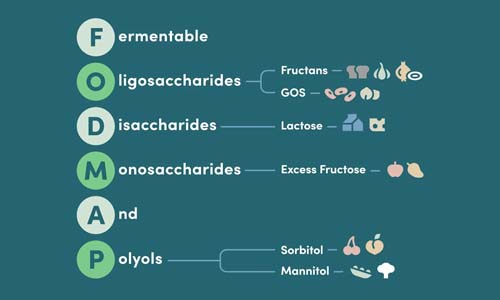
FODMAP stands for fermentable oligosaccharides, disaccharides, monosaccharides, and polyols. These short-chain carbohydrates can be poorly absorbed in the small intestine. Researchers at Monash University developed the low FODMAP approach, which uses portion guidance because a food’s FODMAP content can matter at one serving but not another. If you are considering the diet, consult a registered dietitian familiar with it; it is used in phases rather than as a permanent list of restricted foods.
Serving Size Reference: Fruits, Vegetables, and Nuts at a Glance
Use this reference to plan portions, not to label an entire food as always fine or always off-limits. Monash University’s entries are serving-specific, and amounts can be updated as foods are retested. Check the app for current guidance, especially for foods without a gram or cup amount listed here. Individual tolerance and the rest of a meal also matter.
Fruit Servings: Tomatoes, Bananas, Strawberries, Pineapple, and Papaya
For common tomato, Monash lists about 65 g as a low FODMAP serving; cherry tomatoes have a listed serving of about 45 g. Pineapple is listed as low FODMAP at 140 g. Strawberries and papaya both have tested low FODMAP servings in the app; check the current amounts before portioning, since strawberry guidance has been revised over time. Bananas depend on ripeness, as explained below.
Firm vs. Ripe Bananas and the Fructan Threshold
Monash lists one firm, unripe banana as low FODMAP. Ripe bananas with brown spots are higher in fructans, so the low FODMAP serving is much smaller, roughly a third of a banana. Ripeness changes the guidance, so a green-tipped banana and a soft, heavily spotted one should not be treated as equivalent portions.
Low FODMAP Vegetables for Everyday Cooking: Carrots, Zucchini, Bell Peppers, Spinach, and More
Carrots, zucchini, bell peppers, and spinach are practical vegetables for low FODMAP cooking. Check the app for each vegetable’s tested amount, then measure portions if you are following the elimination phase. A food list is most useful when it helps you portion ingredients in an actual dish, rather than treating every vegetable serving as unlimited.
Nuts: Almonds (10 Nuts), Walnuts, Pecans, and Why Pistachios and Cashews Are High
Monash lists 10 almonds as a low FODMAP serving; larger servings are high in GOS and fructans. Walnuts and pecans also have low FODMAP servings in the app, so check their amounts rather than applying the almond count. Pistachios and cashews are rated high FODMAP at typical servings because of their GOS and fructan content, which is why they are usually swapped out during elimination. Low FODMAP nuts can add crunch to meals, but portions still count.
A Note on Watermelon, Plums, and Nectarines
Don’t rely on a broad fruit list to decide whether watermelon, plums, or nectarines fit your plan. Their status depends on tested portions, so check each fruit’s app entry before adding it to a meal.
FODMAP Stacking: How a Low FODMAP Orange Can Add Up in a Meal
What Stacking Means and Why Cumulative FODMAP Load Matters
FODMAP stacking describes how portions of different foods can add up to a larger load of fermentable carbohydrates in one meal or across a short stretch of time. A serving that fits a tested low FODMAP portion on its own does not guarantee that a meal containing several such foods will feel comfortable. Foods can contribute different FODMAP types, so stacking is not simply a matter of adding up one sugar. Your overall meal, portion sizes, and personal tolerance all matter.
Monash University’s FODMAP app provides tested serving guidance for individual foods, not a personal prediction for every combination. Use those portions as a starting point, and track meals and symptoms if you are following a clinician-guided plan. A reaction does not prove that one particular ingredient was responsible.
Stacking Scenario Walkthrough: Building a Lunch with Orange, Tomato, and Almonds
Picture a lunch with a medium orange, a salad containing common tomato, and 10 almonds sprinkled on top. Each portion fits its own Monash low FODMAP reference, but combining them may still make the meal harder for some people to tolerate. The combination is not automatically high FODMAP, and no universal threshold predicts an individual response.
To make the meal easier to assess, keep each portion measured and avoid adding concentrated sweeteners or dried fruits at the same sitting. If symptoms occur, note the ingredients, quantities, and timing. A registered dietitian can help interpret that pattern during reintroduction and avoid unnecessary long-term restrictions.
The Tipping Point: How Honey, Dried Fruit, or Juice Concentrate Change the Total
Honey, dried fruit, and juice concentrate can add concentrated sugars or FODMAPs to a meal, depending on the ingredient and amount. Adding one to the lunch above changes the total, even if each fresh ingredient began within its own serving reference. There is no single tipping point for everyone, since tested portions, product formulations, and personal tolerance vary. Treat concentrated additions as separate ingredients rather than harmless flavor accents.
If you are unsure, leave the sweetener out while assessing the meal, then test a small amount separately according to your dietitian’s plan. The Organic Chicken Bone Broth (Low FODMAP, Unsalted) can provide a savory cooking liquid when a meal needs depth without added sweetness.
Label Checklist for Citrus and Tomato Products: Concentrates, Marmalade, Sun-Dried Paste, and Natural Flavors
Packaged citrus and tomato foods can contain ingredients absent from fresh produce, and their serving sizes can differ from whole-food references. Read the ingredient list and check the amount you plan to use. “Natural flavors” is a broad label term; it does not identify a specific source or establish whether a product suits your plan. Ask the manufacturer when the source is unclear, and consult current app guidance for the product type.
- Check for honey, dried fruit, or fruit juice concentrate, and note where each appears in the ingredient list.
- Review marmalade for concentrated juice and added sweeteners; use its product-specific serving guidance.
- For sun-dried tomato paste, check the portion and ingredients rather than applying the fresh tomato serving to a concentrated product.
- Record the amount used, especially when a packaged sauce or spread joins a meal with several other fruit or vegetable portions.
For a savory base, the Organic Chicken Bone Broth (Low FODMAP, Unsalted) is made with scallion green tops, leek green tops, and chives in place of onion and garlic bulbs. Check the full ingredient list and portion guidance for every packaged ingredient you add.
Cooking with Citrus and Tomato Without Garlic or Onion
A tested orange serving can still add plenty of flavor to meals built without garlic or onion. Use orange zest for aroma, juice for acidity, and tomato for savory depth, keeping portions in line with current Monash guidance. Scallion green tops and chives bring a gentle onion note without the bulbs. Build flavor in layers with ingredients that suit your plan.
Zest-Forward Dressings and Marinades: Big Acid and Aroma, No Onion or Garlic Bulbs
For a quick dressing, whisk olive oil with orange zest, a little orange juice, vinegar, salt, and black pepper. Add chopped chives or the green parts of scallions for a savory edge. Taste before adding more juice, especially if the meal includes other fruit or sweet ingredients. For a marinade, use the same flavor base with a measured amount of citrus, then refrigerate the food while it marinates.
Citrus-Marinated Vegetables for Grilling and Roasting
Coat vegetables such as carrots, zucchini, or bell peppers with oil, orange zest, salt, and pepper before grilling or roasting. A small splash of citrus juice adds brightness, while high heat develops browned edges and deeper flavor. Stir in chopped chives after cooking to keep their fresh aroma. Check each vegetable’s serving guidance in the Monash FODMAP app, then choose portions that work for your meal.
Orange-and-Green-Onion Salsa (Greens Only) for Fish and Tacos
Combine diced orange with sliced green onion tops, chopped cilantro, lime juice, and salt for a fresh topping on fish or tacos. Use the green tops, not the white bulb, and count the orange in the salsa toward your orange serving. If tomato is part of the meal, account for its portion too.
Building Deep Flavor in Tomato Dishes with Low FODMAP Broth and Seasonings
For a tomato-based soup or sauce, soften suitable vegetables in oil, add tomato and herbs, then simmer with a splash of Organic Chicken Bone Broth (Low FODMAP, Unsalted). Its scallion green tops, leek green tops, and chives provide savory notes without onion or garlic bulbs. A low FODMAP seasoning such as our Low FODMAP Taco Seasoning can add another layer; taste as you go, since broth and seasonings each contribute flavor and salt.
FAQ: Oranges, Citrus, and the Low FODMAP Diet
Are oranges low FODMAP?
Yes, at a tested serving of one medium orange, about 130 g, according to Monash University. Because fruit sizes vary, weighing the edible portion gives a more precise reference than counting whole oranges. Individual tolerance and overall meal composition still matter.
Are mandarins, clementines, and tangerines low FODMAP?
Check each one separately in the Monash FODMAP app rather than assuming it shares the medium-orange serving. Small citrus fruits vary in size, so counting pieces may not give the same portion each time.
How much orange juice is low FODMAP?
Orange juice has its own entry in the Monash app, separate from whole oranges. Use that entry rather than the 130 g whole-fruit serving. Juice is easy to drink in larger amounts than you’d eat as fruit, so measure it and check packaged juice for concentrate or added sweeteners.
Is orange zest low FODMAP?
Zest is used in small quantities for aroma, but the whole-fruit serving doesn’t tell you the zest serving. Check current app guidance, and read the ingredient list if you’re using dried peel or a packaged citrus product.
Which fruits are high FODMAP?
Many fruits are low FODMAP at one serving and high at a larger one, so serving size usually matters more than the fruit itself. Ripe bananas are a good example: the low FODMAP serving is about a third of a banana, while a firm banana is low FODMAP at a full fruit. For watermelon, plums, nectarines, and any fruit you’re unsure about, check the Monash app entry.
Is a firm banana lower in FODMAPs than a ripe banana?
Yes. Monash lists one firm, unripe banana as low FODMAP, while ripe bananas with brown spots are higher in fructans and have a much smaller low FODMAP serving.
How many almonds can you eat on a low FODMAP diet?
Monash lists 10 almonds as a low FODMAP serving; larger servings are high in GOS and fructans. For walnuts, pecans, pistachios, and cashews, check the app for each nut’s own guidance rather than applying the almond count.
What is FODMAP stacking and how does it affect portions?
Stacking is how portions of different foods add up to a larger fermentable carbohydrate load within one meal or a short period. A single food at a tested low FODMAP serving may still contribute to discomfort when combined with other foods, so look at the whole meal.
What is the most common FODMAP trigger?
There is no single most common trigger, since tolerance varies from person to person. A registered dietitian familiar with the low FODMAP diet can help identify your specific triggers through the diet’s phases.
Can I eat an orange every day on the elimination phase?
A tested serving does not mean the same food will suit everyone every day. Follow your plan’s portion guidance, consider the rest of each meal, and discuss frequency with a registered dietitian familiar with the low FODMAP diet. If symptoms change, record the meal and serving rather than removing foods indefinitely on your own.
Is the low FODMAP diet meant to be permanent?
No. The Monash University program describes three phases: elimination, reintroduction, and personalization. The elimination phase is generally limited to 2 to 6 weeks, followed by structured testing to identify personal tolerances. Work with a registered dietitian before starting, since this is a dietary management tool, not a cure or substitute for medical care. Organic Chicken Bone Broth (Low FODMAP, Unsalted) can be one savory cooking option within a meal plan tailored to you.