


Are Beets Low FODMAP? Serving Sizes, Pickling, and Cooking Guide

are beets low fodmap
Beets can fit into a low FODMAP meal, but portion matters: Monash University lists 32 grams of fresh or cooked beetroot, about two thin slices, as a low FODMAP serving. A larger portion may contain more fructans and GOS, so a generous helping can be harder to tolerate.
Key Takeaways
- Portion size is the deciding factor with beets, because larger servings carry a heavier load of fructans and GOS than small ones.
- Monash University identifies 32 grams, roughly two thin slices, as the tested low FODMAP amount for fresh or cooked beetroot.
- Raw and cooked beets follow the same serving guidance, so preparation method does not change the safe cutoff.
- Sticking to the measured portion lets you enjoy beets in a low FODMAP meal without pushing past your tolerance threshold.
Use the serving size as a starting point, then follow your own response and your dietitian’s guidance. Preparation affects tested serving thresholds: canned, drained, and pickled beets have different limits, covered below.
Yes, beets can be low FODMAP in a measured portion. Monash University identifies 32 grams of fresh or cooked beetroot, around two thin slices, as a low FODMAP serving. At 40 grams, beetroot reaches a moderate range for fructans and GOS. That small gap is why portion size can matter more than whether the beet is raw or cooked.
Beets and FODMAPs: The Fructan Factor
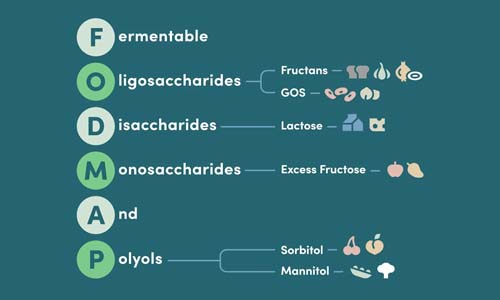
Fresh and cooked beetroot contain fermentable carbohydrates, including fructans and GOS. A larger serving can raise the total amount in a meal, though tolerance varies. Beets can be low FODMAP within the tested serving.
Key Takeaway: Serving Size Is Everything
Decoding Beet FODMAP Content: Raw vs. Cooked
The Science Behind Beet Intolerance: Fructans and GOS
FODMAPs are short-chain carbohydrates that may be poorly absorbed in the small intestine and fermented by gut bacteria. Beetroot’s relevant FODMAP groups include fructans and galacto-oligosaccharides, or GOS. A few slices and a large side serving do not provide the same FODMAP load. Individual tolerance differs, so a low FODMAP portion is a tested guide, not a promise that everyone will feel the same.
Monash University Serving Sizes: Raw Beets
Monash University lists 32 grams of fresh beetroot, about two thin slices, as a low FODMAP serving. At 40 grams, the tested portion moves into the moderate range for fructans and GOS. Weigh raw beet before adding it to a salad or snack, especially during the elimination phase. This cutoff explains why broad lists labeling beets simply “safe” or “high FODMAP” can be confusing.
Monash University Serving Sizes: Cooked (Boiled/Roasted) Beets
Monash University gives the same low FODMAP threshold for fresh or cooked beetroot: 32 grams. Roasting or boiling does not automatically make a larger portion low FODMAP. Weigh the beetroot portion you plan to eat rather than assuming heat has removed the relevant carbohydrates.
| Preparation | Low FODMAP portion | What to keep in mind |
|---|---|---|
| Fresh or raw beetroot | 32 g, about two thin slices | At 40 g, fructans and GOS reach a moderate range. |
| Boiled or roasted beetroot | 32 g | Cooking alone does not increase the listed low FODMAP serving. |
| Beet greens | Check a tested serving before portioning | Leaves are a different part of the plant; do not apply beetroot thresholds to them. |
Why Cooking Changes the FODMAP Profile
Cooking changes texture, moisture, and flavor, but boiling or roasting does not necessarily lower the total FODMAP content of the beet you eat. Water-soluble carbohydrates can move into cooking liquid when food is boiled; the effect depends on the method and whether the liquid is discarded. Roasting uses little added water, so it should not be treated as a FODMAP-removal step. Keep the tested portion in mind whether you serve beets warm or chilled.
Are Beet Greens Low FODMAP?
Beet greens are not the same ingredient as the beetroot tested in the serving figures above. Do not assume the 32-gram beetroot threshold applies to the leaves or infer a tested serving without a specific entry. During an elimination phase, check an up-to-date Monash University food guide for beet greens and its serving size. If you try them, keep the portion modest and track them separately from beetroot to identify your response.
The Pickling & Canning Advantage: How Preparation Lowers FODMAPs
Pickled and canned beets can have different low FODMAP serving thresholds from fresh beetroot because some water-soluble carbohydrates move from the vegetable into the surrounding liquid during processing. This helps explain why a portion of drained beets may be easier to fit into a meal than the same weight of fresh or roasted beets. The figures below apply to the specified preparations and drained portions, not every beet product or recipe.
Osmosis at Work: Fructan Leaching into Brine
During pickling, water and dissolved compounds move between beet tissue and acidic brine. Research cited for this preparation reports that vinegar processing can leach up to 80% of water-soluble fructans into the brine. Discarding the liquid also discards some of the compounds that migrated into it. This changes where some fructans are found; it does not prove every pickling method removes the same amount.
Monash University Serving Sizes: Pickled Beets
Monash University lists drained pickled beetroot as low FODMAP up to 75 grams. The tested amount refers to the beet pieces after draining, not a serving that includes brine. Use a scale during the elimination phase, since jarred slices vary in thickness and visual estimates can mislead. Check the ingredient label: added onion or garlic can change the FODMAP profile of the finished product.
Monash University Serving Sizes: Canned Beets
Monash University identifies 60 grams of canned, drained beetroot, about ½ cup, as a low FODMAP serving. This threshold is higher than the listed fresh or cooked beet portion, but applies to canned beets after draining. The canning liquid is not part of the measurement. Assess additional ingredients on the label separately; the beet serving size does not cover the whole product.
| Preparation | Low FODMAP serving | Serving detail |
|---|---|---|
| Pickled beetroot | Up to 75 g | Drain before weighing; do not include brine. |
| Canned beetroot | 60 g, about ½ cup | Measure the drained beets. |
Practical Prep: Draining and Rinsing for Safety
Pour off the brine or canning liquid, then weigh the beet pieces you plan to eat. A brief rinse can remove surface liquid and excess salt, though it cannot guarantee a lower FODMAP amount inside the beet. For a salad, drain first and add fresh dressing after portioning. Keep the jar or can’s ingredient list nearby when tracking symptoms, since seasonings and added ingredients differ by product.
Understanding Beet Juice and Powder FODMAP Status
Do not apply drained-beet serving figures to beet juice or beet powder. Juicing and drying change the ingredient’s concentration and serving size, and the research cited here does not establish a tested low FODMAP portion for either form. During an elimination phase, choose a product with a specific tested serving listed in a current Monash University resource, or ask your dietitian before adding it.
Flavor Without the Flare-Up: Seasoning Beets Safely
Beets’ earthy sweetness pairs well with savory, tart, and herbal flavors. Build a dish without onion or garlic bulbs by layering salt, acidity, fresh herbs, and suitable low FODMAP seasoning. Keep the beet portion within your tested serving, and check labels on spice blends, broth, and dressings so seasoning does not add an unmeasured source of FODMAPs.
Building Umami with Gourmend's Broths and Seasonings
For roasted beets, toss measured pieces with oil, salt, and a small amount of broth powder before roasting. For a warm side dish, simmer beets in broth until tender, then finish with vinegar or citrus. Choose broth and seasoning products whose ingredients suit your needs. Low FODMAP Taco Seasoning can add cumin, chile, coriander, and black lime notes to roasted root vegetables.
Low FODMAP Allium Substitutes: Chives, Green Onion Tops, and Scapes
Fresh chives, green onion tops, and garlic scapes can supply the aromatic quality often sought from alliums. Chop them finely and add them near the end of cooking to preserve their fresh, savory character. Use a portion that fits your plan, particularly when combining ingredients with tested limits. These options bring a gentle onion-like or garlicky note without onion or garlic bulbs.
Herbal Pairings for Roasted Beets
Thyme and rosemary suit roasted beets, while dill and parsley work well in chilled salads. Add hardy herbs before roasting so their flavor infuses the oil; scatter tender herbs over the beets just before serving. Lemon juice or red wine vinegar cuts through natural sweetness. If adding cheese or nuts, account for their portions separately within your meal plan.
Creating a Savory Beet Salad Dressing (No Garlic/Onion Bulbs)
Whisk olive oil with lemon juice or vinegar, Dijon mustard, salt, and black pepper for a simple dressing. Add chopped chives or parsley, then adjust the acidity to taste. Toss with drained or cooked beet pieces only after measuring your serving. For a savory finish, add a pinch of suitable low FODMAP seasoning rather than garlic powder, onion powder, or an unverified spice mix.
Gourmend Product Spotlight: Flavoring Root Vegetable Dishes
Low FODMAP Taco Seasoning is made with garlic scape and green onion powders instead of onion and garlic bulbs. Its chile comes from a small grower in New Mexico; the cumin is hand-picked in the Hindu Kush mountains, and coriander comes from the Red River in Vietnam. Black lime from a family farm in Guatemala gives the blend a tart, citrus-like note.
All spices are hand-picked, single-origin, and cultivated without harmful additives. The seasoning is free from onion bulbs, garlic bulbs, GMOs, gluten, fillers, corn starch, natural flavors, sugar, and preservatives, and is certified low FODMAP for IBS and digestive conditions. Sprinkle it over a measured beet portion before roasting, or stir a pinch into dressing for a warm, spiced finish.
Mastering Root Vegetable Stacking: Beets and Beyond
FODMAP stacking happens when a meal combines several foods that each contribute fermentable carbohydrates. A portion that works on its own may feel different alongside other ingredients, particularly during the elimination phase. Consider the whole plate, including vegetables, sauces, and seasonings, rather than treating each food as an isolated serving. Monash University serving thresholds can help plan measured portions, but do not predict individual tolerance or replace your dietitian’s guidance.
The Principle of FODMAP Stacking
Keep portions of tested foods in view across the meal, and avoid combining several generous servings just because each ingredient seems manageable alone. A food scale can help during elimination; later, a symptom and meal log can show which combinations suit you. Leave room between higher-FODMAP portions, and add familiar low FODMAP vegetables such as carrots, spinach, or zucchini for variety.
Beets + Sweet Potatoes: A Flavorful Combination
Beets and sweet potatoes make a naturally sweet, earthy pairing, but portion both separately. Sweet potato tolerance depends on serving size, so consult a current tested guide rather than assuming the combined dish is low FODMAP. For a balanced side, use a measured amount of each, then add rice or another familiar grain and fresh herbs.
Planning a Beet-Based Meal: Portion Checks by Component
Cabbage type and portion matter, so check a tested serving before combining it with beetroot. Whether cabbage is low FODMAP depends on the variety and amount. Start with a measured portion of one vegetable alongside a familiar base, rather than introducing several new ingredients at once.
| Meal component | Planning approach |
|---|---|
| Beetroot | Measure the portion for its preparation. |
| Sweet potato or cabbage | Check the tested serving for the specific food and variety. |
| Grain and seasoning | Choose familiar options and review added ingredients. |
Creating Balanced Low FODMAP Meals with Multiple Vegetables
Build the plate around a protein and familiar starch, then add measured vegetable portions for color, texture, and flavor. Roasted carrots or zucchini can round out a beet side without relying on multiple large portions of root vegetables. Include sauces and spice blends in your calculation, since onion or garlic ingredients can add FODMAPs beyond the vegetables.
Your Low FODMAP Meal Planning Toolkit
Use current serving references, a kitchen scale, ingredient labels, and a simple food-and-symptom log. Test combinations gradually, changing one variable at a time so a reaction is easier to interpret. Once you know which portions and pairings work for you, record them as reliable meal templates. This measured approach makes room for variety without treating every vegetable combination as automatically safe or off-limits.
 Organic Garlic Chive PowderGarlic flavor from freeze-dried organic garlic chives, without the garlic bulb.Shop now
Frequently Asked Questions
Are beets okay with IBS?
Beets can fit an IBS-friendly, low FODMAP diet when eaten in a measured portion. Fresh or cooked beetroot is listed as low FODMAP at 32 grams, about two thin slices. Larger servings may provide more fructans and GOS, so track your personal response during reintroduction.
What is the lowest FODMAP serving of beets?
The lowest FODMAP serving of fresh or cooked beets is 32 grams, about two thin slices. At 40 grams, beetroot reaches a moderate range for fructans and GOS in Monash University testing. A kitchen scale can help keep portions consistent during the elimination phase.
Are canned beets low FODMAP?
Canned beets can be low FODMAP at 60 grams, about one-half cup, when drained. The serving refers to the beet pieces after draining, not the canning liquid. Check the ingredient label separately because added ingredients can change the FODMAP profile of the finished product.
Are pickled beets low FODMAP?
Pickled beets can be low FODMAP at up to 75 grams when drained. The tested portion applies to the beet pieces and excludes the brine. Vinegar processing may move some water-soluble fructans into the liquid, but added onion or garlic can affect a product's suitability.
Are sweet potatoes lower FODMAP than beets?
Sweet potatoes and beets have different tested serving sizes, so neither food should be labeled lower FODMAP without specifying the portion and preparation. Beetroot is low FODMAP at 32 grams when fresh or cooked. Use current Monash University serving data for a direct comparison.
Are beet greens low FODMAP?
Beet greens need their own tested serving guidance because beet leaves and beetroot are different parts of the plant. Do not apply the 32-gram beetroot serving to the greens. Check an up-to-date Monash University guide, then introduce a modest portion and track your response.