



Where to Get Low FODMAP Green Powders Cheap: Label Guide & Budget Swaps

Where can I get low FODMAP green powders cheap
Where can I get low FODMAP green powders cheap? Start with the ingredient panel, not the front label. A low price can become expensive if a scoop causes bloating, abdominal discomfort, or an afternoon digestive flare. Many greens blends combine concentrated vegetables with added fibers, fruit powders, sweeteners, and flavor systems that make the total FODMAP load difficult to judge.
Key Takeaways
- Check the ingredient list before buying any cheap green powder to avoid hidden FODMAP triggers like chicory root, inulin, or concentrated fruit extracts.
- A bargain price means nothing if the powder contains fibers or sweeteners that cause bloating or discomfort after a single scoop.
- Blends with multiple vegetables and added flavor systems make the total FODMAP load hard to predict, so stick to single-ingredient or certified low FODMAP options.
- Compare the cost per serving across brands only after confirming each product's safety through the ingredient panel, not the front label.
Check the serving size, identify every fiber source, look for a transparent ingredient list, and treat certification as supporting evidence rather than a substitute for personal tolerance. 🐓
The Gut-Friendly Green Powder Dilemma: High Price, Hidden Triggers
Where can I get low FODMAP green powders cheap? Look for a short ingredient list with a clearly stated serving size and no inulin, chicory root fiber, FOS, or concentrated high-fructose fruit blend. A single-ingredient powder is easier to assess than a proprietary formula. If a greens product costs $50 to $80 per tub, calculate its cost per serving before assuming the larger container offers better value.
Understanding the “Why” Behind Your Gut Reactions
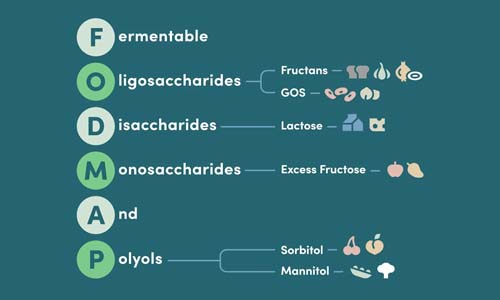
FODMAPs are short-chain carbohydrates that can draw water into the digestive tract and ferment in the gut. For people with IBS or other digestive sensitivities, they may contribute to gas, pressure, altered bowel habits, and discomfort. A concentrated greens scoop can deliver the equivalent of several cups of produce in a small amount of powder. A food tolerated in a modest portion may feel different when extracted, dried, and consumed quickly.
Symptoms may also reflect the total meal, the day’s fiber intake, hydration, or several fermentable ingredients consumed together. Introduce one new powder at a time, begin with the labeled serving guidance or a smaller amount, and record timing, preparation, and symptoms. A registered dietitian can help interpret reactions during a structured low FODMAP process.
The Expensive Supplement Trap: What You’re Really Paying For
A high tub price may cover packaging, flavoring, processing, testing, marketing, and a long ingredient panel rather than a larger amount of usable greens. Divide the purchase price by the number of labeled servings, then inspect how much of that serving is actual spinach, kale, or wheatgrass. A formula with dozens of ingredients may provide less label clarity than a modest pouch containing one dried plant.
A powder that sits unused after a flare is not economical, even if its initial serving cost looks reasonable. Choose a format you can prepare consistently, store dry, and measure accurately. The goal is a manageable ingredient routine, not the biggest scoop.
Spotting High-FODMAP Fillers: Inulin, FOS, and Beyond
Inulin, chicory root fiber, and fructooligosaccharides, often shortened to FOS, are common label watch-outs. They are added for sweetness, soluble fiber, texture, or bulk, yet their fructan content can be difficult for some people with IBS. Agave, honey powder, apple powder, pear powder, and concentrated fruit blends may add excess fructose. Sugar alcohols such as sorbitol, mannitol, and xylitol may also increase the fermentable carbohydrate load.
Decoding Labels: Your Low FODMAP Green Powder Audit Checklist

The “Proprietary Blend” Red Flag: Why It Matters
A proprietary blend may name its components without stating the amount of each one. That makes it difficult to estimate how much spinach is present, whether a fiber appears near the top of the formula, or whether several small portions could stack together. Favor products that disclose ingredient quantities, serving weight, allergen information, country of manufacture, and storage directions. A registered dietitian typically starts by identifying the dose before judging an ingredient.
Key Low-FODMAP Greens: What to Seek Out
Pure spinach, kale, and wheatgrass powders may offer a simpler starting point because the primary ingredient is easy to identify. “May be suitable” is more accurate than declaring every powder automatically low FODMAP, since processing, serving size, and testing practices differ. Check for added roots, fruit, prebiotic fiber, or flavor compounds. A plain ingredient lets you adjust quantity with greater precision.
- Look for a short, fully disclosed ingredient list.
- Confirm the serving weight and servings per container.
- Check whether the main green appears before added fibers or sweeteners.
- Review allergen, gluten, and manufacturing statements that apply to your needs.
- Compare cost per serving, not only the tub or pouch price.
Hidden FODMAPs to Avoid: Fructans, Oligosaccharides, and More
Scan for alternate names, including chicory, chicory root extract, inulin, oligofructose, FOS, and Jerusalem artichoke. Garlic powder, onion powder, and wheat-derived fructans may also appear in savory formulas. Ingredient order offers context but does not reveal exact amounts. Several fermentable ingredients may be harder to tolerate than a product containing only a tested green.
Beyond Greens: Examining Added Fibers, Fruits, and Sweeteners
Added fiber is not automatically beneficial for every digestive system. Resistant dextrin, soluble corn fiber, psyllium, and other prebiotic fibers can change stool consistency and gas production, especially when introduced quickly. Fruit powders can concentrate fructose and polyols, while monk fruit or stevia blends may include carriers such as inulin or sugar alcohols. Read the complete panel, including “natural flavors,” gums, and flow agents, rather than relying on claims such as clean, detox, or superfood.
The FODMAP Friendly Certification: Your Seal of Approval
A recognized certification can offer reassurance because it indicates assessment against a defined testing standard at a stated serving size. Treat that serving size as part of the certification, not as permission to take multiple scoops. Verify the certification mark through the relevant program, then review the current formula and directions. A certified product can still disagree with an individual, especially during a symptom flare or alongside other high-fiber foods.
For a culinary alternative to a complicated greens formula, Low FODMAP Taco Seasoning is made with garlic scape and green onion powders instead of onion and garlic bulbs. It is certified low FODMAP for IBS and digestive conditions, and its transparent savory use makes portion control easier than treating every green powder as a daily health drink. Low FODMAP Taco Seasoning is free from onion bulbs, garlic bulbs, GMOs, gluten, fillers, corn starch, natural flavors, sugar, and preservatives.
The Single-Ingredient Hack: Budget-Friendly Powders for Gut Health
Why Single-Ingredient Is King for Cost and Clarity
Where can I get low FODMAP green powders cheap? Start with a plain powder made from one clearly named plant. A single-ingredient formula gives you a defined serving, a shorter label, and fewer variables if symptoms appear. It also removes the cost of flavor systems, proprietary blends, added fibers, sweeteners, and decorative wellness ingredients. It does not guarantee tolerance, so serving size and personal response still matter.
Measure a smaller amount into water, a smoothie, or a meal before trying a full serving. Record the ingredient, quantity, preparation method, and symptoms. This is especially useful during a structured low FODMAP process, when changing several ingredients at once can make reactions difficult to interpret.
Top Affordable Greens: Pure Spinach, Kale, and Wheatgrass Powder
Pure spinach, kale, and wheatgrass powder are practical candidates because each has a recognizable source ingredient. Look for a product that states the plant name plainly, provides a serving weight, and does not hide the powder inside a blend. Leafy greens differ in flavor, color, texture, processing, and tolerance, so choose one you can use in a measured portion without digestive distress.
| Powder type | What to check | Practical use |
|---|---|---|
| Pure spinach | One-ingredient panel and stated serving weight | Blend into a savory smoothie, soup, or egg dish |
| Pure kale | No added chicory, inulin, fruit concentrate, or sweetener | Stir a small amount into a sauce or blended drink |
| Wheatgrass | Clear serving guidance and manufacturing information | Mix with water or add to a simple smoothie |
Where to Source Bulk Powders: Online Retailers and Bulk Buys
Online purchasing can make plain powders easier to find, but a larger pouch is not automatically a better deal. Compare net weight, number of servings, serving size, shipping charge, expiration date, and storage instructions. Buy in bulk only after confirming that you tolerate the ingredient and can finish it while the powder retains its intended quality. A smaller package reduces waste during a first trial.
Save the current ingredient panel, confirm that the package is sealed, check allergen statements, and review whether refrigeration is needed after opening. Do not base a purchase solely on detox, super greens, natural, or clean label claims.
Cost-Per-Ounce Showdown: Branded Blends vs. Single Ingredients
Calculate cost per ounce and cost per labeled serving. Divide the package price by net ounces for the first figure and by the number of servings for the second. Then inspect the serving weight. A low serving price can mislead if several scoops are required, while a larger pouch may remain unused if its flavor or tolerance does not suit you.
Include waste. A powder that clumps, tastes unpleasant, or causes discomfort may have a higher real cost than a simpler ingredient used consistently. A transparent panel also removes the need to estimate how much of a proprietary blend comes from greens, fiber, fruit, or flavoring.
Hydration and Stacking: Tips for Safe Supplementation
Mix fiber-containing powders thoroughly and drink enough fluid with the preparation. Introducing concentrated powder while consuming little water may contribute to bloating, heaviness, or constipation. Try one new product rather than stacking greens, prebiotic fibers, protein powders, and fruit concentrates in the same drink. A crowded ingredient list makes tolerance and cost harder to assess.
Keep the first trial separate from a restaurant meal or busy workday. Follow package directions, avoid increasing the serving quickly, and pause if significant symptoms develop. A dietitian can help determine whether a powder fits your nutritional needs, medication schedule, and current low FODMAP phase.
Culinary Greens: Flavorful, Affordable Alternatives to Supplement Powders
Rethinking “Greens”: Leveraging Pantry Staples for Nutrition
Not every green ingredient needs to be consumed as a wellness drink. Frozen spinach, fresh herbs, leafy vegetables, and dried seasonings can add color, flavor, and variety to meals without the cost of a specialized tub. Food-based ingredients let you see the portion and spread intake across meals instead of concentrating several servings into one scoop.
Confirm the plant source, check for onion or garlic bulbs, and watch for maltodextrin, unexplained natural flavors, sweeteners, and added fibers. A savory ingredient with a short panel may be more useful than a sweet blend that stays unopened.
The Power of Allium Greens: Garlic Scape and Green Onion Powder
Garlic scapes and green onion tops can provide the savory character many people miss when onion and garlic bulbs are limited. Their flavor works in eggs, roasted vegetables, rice, potatoes, soups, marinades, and dipping sauces. Use a small amount first, then adjust according to taste and tolerance. For a single-ingredient option, explore Organic Green Onion Powder.
Gourmend’s Approach: Building Flavor Without the FODMAPs
Low FODMAP Taco Seasoning is made with garlic scape and green onion powders instead of onion and garlic bulbs. It is certified low FODMAP for IBS and digestive conditions, with spices that are hand-picked, single-origin, and cultivated without harmful additives. The blend is free from onion bulbs, garlic bulbs, GMOs, gluten, fillers, corn starch, natural flavors, sugar, and preservatives.
Use Low FODMAP Taco Seasoning in a bean-free taco filling, roasted potatoes, ground meat, eggs, or a rice bowl. You can measure it by the meal and adjust the amount gradually.
Savory “Green Drinks”: Warming Broths and Seasoned Water
If you enjoy a drinkable routine, try a small mug of warm broth with a modest amount of suitable green seasoning rather than combining several concentrated powders. Keep the recipe simple so each ingredient is identifiable, and check your tolerance before adding inulin, chicory root, apple powder, pear powder, or sugar alcohols.
Simple Kitchen Swaps for Daily Nutrient Boosts
Stir spinach powder into a savory omelet, whisk green onion powder into lactose-free yogurt dip, or add chopped herbs to broth-based soup. Sprinkle a measured amount of Low FODMAP Taco Seasoning over roasted carrots, rice, or chicken. These swaps support food variety without requiring one expensive supplement to carry the entire routine. 🐓
Your Budget-Friendly Low FODMAP Green Routine: Putting It All Together
Creating Your Personal “Green” Strategy
Build your routine around tolerance, convenience, and repeatable cost rather than a large serving of concentrated powder. Choose one green ingredient or culinary seasoning, measure a modest portion, and use it consistently for several days before adding another variable. Record the ingredient, serving size, preparation, hydration, and symptoms. If you are completing a structured low FODMAP protocol, coordinate changes with a registered dietitian.
Sample Daily and Weekly Budgets
Include package price, servings per container, shipping, and likely waste. Divide total cost by usable servings, not only the number printed on the front label. Start with a small package when testing an ingredient, then consider a larger size after confirming that it suits you.
| Routine | Weekly structure | Budget principle |
|---|---|---|
| Powder trial | One measured serving on selected days | Limit waste while checking tolerance |
| Food-first plan | Leafy greens, herbs, and seasoned meals | Use ordinary groceries across multiple dishes |
| Flavor-focused plan | Broth, rice bowls, eggs, or roasted vegetables | Buy one versatile culinary seasoning |
Integrating with Gourmend Essentials: Broth and Seasonings
Use Low FODMAP Taco Seasoning as a meal-based alternative to another sweet greens drink. It is made with garlic scape and green onion powders instead of onion and garlic bulbs, and it is certified low FODMAP for IBS and digestive conditions. Stir Low FODMAP Taco Seasoning into rice, eggs, potatoes, or a simple protein, then pair the meal with a measured green ingredient if desired.
Final Thoughts: Nourishing Your Gut Without Breaking the Bank
Where can I get low FODMAP green powders cheap? Compare transparent, single-ingredient options with affordable culinary staples and calculate the real serving cost. A routine you tolerate and enjoy is more useful than an expensive tub that remains unopened. Keep portions measured, introduce changes gradually, and choose simple meals that make your digestive response easier to understand. 💚
Frequently Asked Questions
Is there a low FODMAP greens powder?
Low FODMAP greens powders are available, but suitability depends on the ingredients, serving size, and testing approach. Choose a product with a short, fully disclosed panel and check for inulin, chicory root, FOS, concentrated fruit powders, and sugar alcohols. Plain spinach, kale, or wheatgrass powders may be easier to assess.
What is the most affordable brand of greens powder?
The most affordable greens powder is the one with a clear cost per serving and a formula you can tolerate consistently. Compare the container price with the number of servings, then check how much actual green powder each serving provides. A simple product may offer better value than a large tub with many added ingredients.
What protein powder is best for a low FODMAP diet?
The best low FODMAP protein powder has a short ingredient list, a clearly stated serving size, and no inulin, chicory root fiber, FOS, or high-fructose fruit blend. Review sweeteners, sugar alcohols, and added fibers before buying. Start with a small serving and track digestive responses alongside the rest of the meal.
What are some low FODMAP greens?
Plain spinach, kale, and wheatgrass powders are common low FODMAP greens to consider, provided the serving size and processing fit your tolerance. Fresh greens may also be easier to portion than concentrated powders. Check the complete label for added roots, fruit powders, prebiotic fibers, sweeteners, and flavor ingredients.
What greens are best for IBS?
The best greens for IBS are the greens you tolerate in an appropriate portion, such as spinach, kale, or wheatgrass. Concentrated powders can deliver a large amount of plant material quickly, so begin with a small amount and record timing, preparation, hydration, and symptoms. A registered dietitian can help with structured testing.
How can I buy low FODMAP green powder cheaply?
Low FODMAP green powder can cost less when you compare cost per serving instead of the tub price and select a transparent, simple formula. Look for single-ingredient powders or short panels without inulin, chicory root, FOS, concentrated fruit blends, or sugar alcohols. Avoid paying for a large container that may go unused after digestive discomfort.