



What Are Low FODMAP Foods? Your Guide

what are low fodmap
If you are searching for “what are low fodmap” foods, start with one useful distinction: FODMAP tolerance depends on both the food and the serving size. A meal that feels comfortable in a modest portion may cause symptoms when the portion is larger, especially if several fermentable ingredients appear together. Learning the basics can make food choices feel less confusing and help you build flavorful meals without relying on onion or garlic bulbs.
Key Takeaways
- Serving size matters as much as the food itself when following a low FODMAP diet, because a small portion may be safe while a larger one triggers symptoms.
- Combining several fermentable ingredients in one meal increases the risk of discomfort, even if each ingredient is low FODMAP on its own.
- Mastering basic low FODMAP principles helps you create satisfying dishes that avoid common triggers like onion and garlic bulbs.
- Understanding portion control and ingredient combinations reduces confusion and makes grocery shopping and cooking more straightforward.
This guide explains the meaning of FODMAP, the purpose of a low-FODMAP approach, and practical ways to think about everyday ingredients. It is general educational information, not individualized medical advice. A registered dietitian or qualified gastrointestinal clinician can help tailor the process to your symptoms, nutritional needs, and medical history. 🐓
What is what are low fodmap?
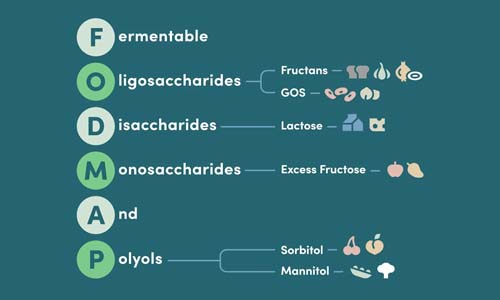
FODMAP stands for fermentable oligosaccharides, disaccharides, monosaccharides, and polyols. These are short-chain carbohydrates that can be absorbed incompletely in the small intestine. They may draw water into the digestive tract and ferment in the colon, which can contribute to gas, bloating, abdominal discomfort, diarrhea, or constipation in people who are sensitive to them.
Low-FODMAP foods contain smaller amounts of these carbohydrates at a tested serving size. Common examples may include rice, oats, eggs, firm tofu, plain meat, lactose-free dairy, carrots, zucchini, spinach, strawberries, oranges, grapes, and kiwi. Portions matter. Apples, pears, watermelon, wheat-based products, onions, garlic, cauliflower, mushrooms, beans, and some dairy foods are often included among high FODMAP foods, though preparation and serving size can change their status.
The low-FODMAP diet is generally structured as a short elimination phase, followed by systematic reintroduction. It is not intended as a permanent list of forbidden foods or a weight-loss plan. During reintroduction, one FODMAP group is tested at a time so that a person can identify individual tolerance. Online food lists, a low FODMAP diet chart, and a fodmap diet pdf can provide starting information, but they should not replace current dietetic guidance or product-specific label review.
Benefits of what are low fodmap

The main reason people consider a low-FODMAP approach is symptom assessment. For some people with irritable bowel syndrome, reducing selected fermentable carbohydrates can lessen food-related bloating, gas, pain, urgency, loose stools, or constipation. Response is not universal, and the diet does not cure IBS. A qualified clinician can also check whether symptoms may reflect another digestive condition before restrictive changes begin.
A structured process can replace guesswork with useful observations. Keeping a food and symptom journal helps connect portion size, preparation method, timing, and ingredients with digestive reactions. This matters because a meal may contain several possible triggers, such as wheat, milk, onion, garlic, or a large quantity of legumes. Testing foods separately during reintroduction gives clearer information than removing every suspected ingredient indefinitely.
Another benefit is learning to cook with more control. Reading labels can reveal onion powder, garlic powder, inulin, chicory root, honey, high-fructose corn syrup, lactose, or sugar alcohols such as sorbitol and mannitol. Replacing alliums with garlic-infused oil, green onion tops, chives, herbs, spices, citrus, ginger, and umami-rich broth can keep familiar meals satisfying. Gourmend’s Low FODMAP Taco Seasoning is made with garlic scape and green onion powders instead of onion and garlic bulbs, giving tacos, roasted vegetables, rice bowls, and ground meat a layered savory flavor.
For cooks who miss the warmth of traditional taco spices, Low FODMAP Taco Seasoning offers a practical pantry option. It is certified low FODMAP for IBS and digestive conditions, and its ingredient profile is free from onion bulbs, garlic bulbs, GMOs, gluten, fillers, corn starch, natural flavors, sugar, and preservatives. Use the serving size listed on the package, since a certified product still belongs within an overall portion-aware eating pattern. 💚
How to Choose what are low fodmap
Choosing suitable ingredients starts with portion awareness rather than a permanent list of permitted and forbidden foods. FODMAP content can change with serving size, ripeness, preparation, and the combination of ingredients in one meal. A small serving of a food may fit your personal tolerance while a larger portion does not. Begin with simple meals built from familiar staples, then record the amount eaten, cooking method, symptoms, and timing. A food and symptom journal can reveal patterns more accurately than relying on a generic low FODMAP diet chart alone.
Read packaged-food labels from top to bottom. Look for onion powder, garlic powder, wheat, lactose, honey, high-fructose corn syrup, inulin, chicory root, and sugar alcohols such as sorbitol, mannitol, and maltitol. These ingredients may appear in sauces, broth, seasoning blends, marinades, snack foods, and prepared meats. “Natural flavors” does not provide enough detail to determine FODMAP content by itself, so contact the manufacturer when the ingredient list is unclear. A certification mark or laboratory-backed testing program offers more meaningful support than an unsupported low-FODMAP statement. Even certified foods should be used according to their tested serving size.
For home cooking, select plain proteins, rice, oats, quinoa, potatoes, firm tofu, lactose-free dairy, and vegetables or fruits that suit your current phase and personal tolerance. Fresh herbs, citrus juice, ginger, chives, green onion tops, infused oils, paprika, cumin, coriander, and black pepper can add depth when onion and garlic bulbs are not suitable. Low FODMAP broths deserve close label review because onion, garlic, wheat, and concentrated sweeteners are common additions. A short ingredient list makes it easier to identify possible triggers and adjust one component at a time.
Seasoning blends need the same scrutiny as sauces. Gourmend’s Low FODMAP Taco Seasoning is made with garlic scape and green onion powders instead of onion and garlic bulbs,Chile powder sourced from a small grower in New Mexico,Hand-picked cumin from the Hindu Kush mountains,Coriander from the Red River in Vietnam,Black lime from a family farm in Guatemala,All spices are hand-picked, single-origin, and cultivated without harmful additives,Free from onion bulbs, garlic bulbs, GMOs, gluten, fillers, corn starch, natural flavors, sugar, and preservatives,Certified low FODMAP for IBS and digestive conditions,Priced at $14.99. Use the package serving guidance in tacos, rice bowls, roasted potatoes, soups, or seasoned ground meat, and account for the other ingredients in the meal.
Frequently Asked Questions
What are low FODMAP foods?
Low FODMAP foods contain relatively small amounts of fermentable carbohydrates at a specific serving size. Examples may include rice, oats, eggs, plain meat, firm tofu, carrots, zucchini, spinach, strawberries, oranges, grapes, and kiwi. Tolerance varies, so a food list should serve as a starting point rather than a permanent rulebook. Preparation, ripeness, portion size, and the other ingredients in a meal can all affect how a dish fits your eating plan.
What does FODMAP stand for?
FODMAP means fermentable oligosaccharides, disaccharides, monosaccharides, and polyols. These short-chain carbohydrates may be absorbed incompletely in the small intestine. In sensitive individuals, they can draw water into the digestive tract and ferment in the colon, contributing to gas, bloating, abdominal pain, diarrhea, or constipation. FODMAPs are not unhealthy for everyone, and many foods that contain them provide useful fiber and nutrients.
Is a low-FODMAP diet permanent?
Usually, the clinical process involves a temporary elimination phase followed by structured reintroduction. The exact timing should be individualized with a registered dietitian or qualified gastrointestinal clinician. Testing one FODMAP group at a time can help identify personal thresholds and expand food variety. Staying highly restrictive without professional guidance may make it harder to meet energy, fiber, calcium, or other nutritional needs.
Can I season tacos without onion and garlic?
Yes. Cumin, coriander, chile, black lime, paprika, citrus, chives, green onion tops, and garlic-infused oil can provide savory depth without onion or garlic bulbs. Gourmend’s Low FODMAP Taco Seasoning is a convenient option for tacos, rice bowls, roasted vegetables, and ground meat. Low FODMAP Taco Seasoning is certified low FODMAP for IBS and digestive conditions, so follow its package serving guidance and consider the full meal.
When should I seek professional guidance?
Consult a healthcare professional for unexplained, severe, persistent, or worsening digestive symptoms, including bleeding, fever, vomiting, dehydration, or unintended weight loss. A dietitian can also help if food reactions feel unpredictable, eating becomes stressful, or your diet is becoming increasingly limited. A food and symptom journal can make that conversation more productive.