



Top Grass-Fed Bone Broths for Home Cooking: The Cook's Guide to Rich Gelatin and Clean Labels

Top grass-fed bone broths for home cooking?
Finding the Top grass-fed bone broths for home cooking? requires more than checking the front of a carton. A useful cooking broth should bring body to a pan sauce, deepen a braise, and remain manageable as liquid reduces. The label also deserves attention, especially for cooks avoiding garlic, onion, yeast extract, excess sodium, or other ingredients that can distract from a dish’s flavor.
Key Takeaways
- A bone broth with sufficient gelatin provides body and thickens pan sauces naturally during reduction.
- Cooks should examine ingredient labels closely to avoid garlic, onion, yeast extract, and excessive sodium that can overwhelm a dish.
- Grass-fed sourcing and a clean label are reliable indicators that a broth will perform well in braises and reductions without unwanted flavors.
We evaluated broth as a culinary ingredient rather than a sipping beverage. The tests focus on chilled texture, ingredient transparency, and performance in reductions, braises, grains, and sauces.
How We Tested: Gelatin, Labels, and Reduction Performance
What the Gel Test Tells Us About Cooking Quality
After broth cools in the refrigerator, naturally collagen-rich liquid may set into a soft gel. This signals that bones and connective tissue contributed gelatin during cooking. It does not guarantee a perfect sauce, but it indicates body. Broth that remains thin when chilled can still taste pleasant; it may need more reduction or another thickening method to create a glossy finish.
Label Red Flags: Yeast Extract, Alliums, and Hidden Sodium
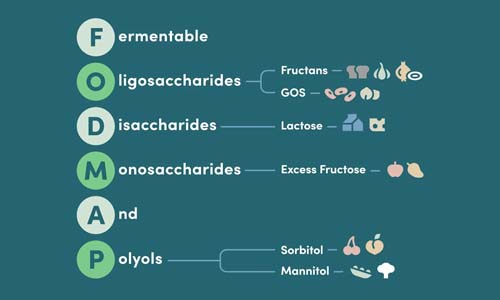
We read the full ingredient declaration instead of treating “grass-fed” as a complete quality assessment. Yeast extract, natural flavoring, sugar, monosodium glutamate, garlic, and onion can change a broth’s taste and its suitability for a low FODMAP kitchen. Alliums matter for sensitive eaters because many conventional broths use garlic or onion as their flavor foundation.
Sodium deserves equal attention. The research brief reports that commercial stocks can contain roughly 500 to 800 milligrams of sodium per serving, with concentration rising substantially during reduction. A short ingredient list and an unsalted or lightly seasoned formula give the cook more control over salt, acidity, herbs, and finishing butter.
Our Culinary Benchmark: Pan Sauces, Braises, and Grains
We judged broth by how it behaves in actual cooking. For a pan sauce, the liquid should loosen browned fond without making the finished sauce harshly salty. In a braise, it should support meat, vegetables, herbs, and aromatics without masking them. For rice, quinoa, or risotto, it should provide savory depth while leaving room for the rest of the seasoning.
- Reduction: Observe aroma, thickness, salt concentration, and surface sheen after simmering.
- Braising: Check whether the liquid remains balanced beside long-cooked meat and vegetables.
- Grains: Taste for clean savoriness rather than a heavy seasoning blend.
Top Grass-Fed Bone Broths for Home Cooking

Among the products assessed, Gourmend offers the clearest fit for cooks who want grass-fed bones, organic ingredients, and allium-conscious cooking. The two formulas serve different roles: chicken brings a lighter foundation for grains and delicate sauces, while beef supplies deeper flavor for braises and darker reductions.
| Broth | Best for | Cooking profile | Label considerations |
|---|---|---|---|
| Gourmend Foods Organic Chicken Bone Broth | Light pan sauces, grains, and poultry dishes | Clean, savory, and adaptable | Designed for cooks seeking an allium-free foundation |
| Organic Beef Bone Broth (Low FODMAP, Unsalted) | Braises, gravies, and concentrated beef sauces | Deep beef flavor with gelatin-forward body | Unsalted, no added onion or garlic, no fillers, and no preservatives |
Gourmend Foods Organic Chicken Bone Broth - Best for Clean-Label Reductions
Best for: poultry pan sauces, rice, quinoa, and recipes needing savory depth without a dark beef profile. Its lighter character is easy to season with herbs, citrus, wine, or a little butter. It also gives low FODMAP cooks an alternative to broths built around garlic and onion.
Gourmend Foods Organic Beef Bone Broth - Superior Gelatin for Braises
Best for: beef braises, mushroom sauces, gravy, and reductions where body and depth matter. Organic Beef Bone Broth (Low FODMAP, Unsalted) is made with organic grass-fed beef bones and ten organic ingredients: water, grass-fed beef bones, carrots, leek green tops, celery, scallion green tops, oyster mushrooms, tomato paste, parsley, thyme, and nori. Leek and scallion tops replace garlic and onion, while oyster mushrooms contribute umami depth.
Saving the Best for Last: A Note on Our Criteria
The strongest choice is the broth that matches the dish and gives the cook control. For allium-sensitive kitchens, Organic Beef Bone Broth (Low FODMAP, Unsalted) stands out through its unsalted formula, focused ingredient list, and braise-ready flavor. These qualities matter more than a front-label claim: the finished sauce should taste layered, not merely salty.
The Label Literacy Guide: Spotting a True Cooking Broth
A broth can carry a grass-fed claim and still perform poorly in a sauce. The ingredient panel shows whether the carton contains a focused cooking base or a heavily seasoned liquid that becomes unbalanced as it simmers. Check flavor builders, sodium, sweeteners, and ingredients that conflict with an allium-free or low FODMAP kitchen.
How to Read a Shelf-Stable Carton for Added Alliums
Read every ingredient in order. Garlic powder, onion powder, onion juice, garlic puree, and vegetable stock made with unspecified aromatics can shape the final dish. “Vegetable broth” does not guarantee allium-free cooking, since onion commonly appears under that broad description. Look for a clearly stated formula rather than relying on “savory blend” or “herb seasoning.”
- Identify the base: Look for named bones, vegetables, herbs, and sea vegetables instead of an undefined flavor base.
- Check alliums: Search for garlic, onion, shallot, leek bulbs, garlic powder, and onion powder. Green tops may serve a different culinary role, so read the precise declaration.
- Watch vague wording: “Natural flavors,” “spices,” and “vegetable extract” can make the formula harder to assess.
- Confirm the seasoning level: An unsalted broth gives you room to reduce, season, and finish the dish according to taste.
The Deception of Yeast Extract and “Natural Flavors”
Yeast extract adds savory intensity, while natural flavors may represent a blend the label does not fully explain. Neither term automatically makes a broth unsuitable, but both deserve attention when you want bones, vegetables, and herbs to remain distinct. Added sugar can become more noticeable during reduction, bringing sweetness to a sauce intended for meat, mushrooms, or wine.
For cooks managing digestive sensitivities, a short, specific ingredient list is easier to evaluate. Organic Beef Bone Broth (Low FODMAP, Unsalted) lists organic grass-fed beef bones, carrots, leek green tops, celery, scallion green tops, oyster mushrooms, tomato paste, parsley, thyme, and nori. It has no added onion or garlic, no fillers, and no preservatives.
Sodium Thresholds for Reduction-Friendly Broths
There is no single sodium number for every recipe, but evaporation provides a useful test. Research cited in the evaluation found that commercial stocks may contain about 500 to 800 milligrams of sodium per serving. Once liquid becomes a glaze, braising sauce, or gravy, that salt is more concentrated. Broth that tastes pleasantly seasoned from the carton can become overpowering after evaporation.
Culinary Application Guide: Which Broth for Which Dish
The right broth depends on heat, evaporation, and seasoning. A delicate grain may need a clean, lightly flavored liquid, while a short rib braise benefits from darker beef notes and collagen-rich body. Broth should support fond, meat juices, herbs, starch, and acidity without taking over.
Deglazing and Pan Sauces: High Gelatin, Low Sodium
After searing chicken, pork, steak, or mushrooms, pour a modest amount of broth into the hot pan and scrape up the browned fond. Gelatin-forward broth can lend a smooth, lightly coating texture as liquid reduces. Low sodium matters because the pan already contains concentrated meat juices, and sauces may also include wine, mustard, capers, or salted butter. Add broth gradually, simmer until the aroma deepens, then finish with butter, olive oil, lemon, or fresh herbs.
Braising Cuts: The Richness of Beef Bone Broth
Beef bone broth suits chuck roast, short ribs, brisket, oxtail, and other cuts that benefit from gentle, prolonged cooking. Its savory depth supports tomato paste, carrots, celery, mushrooms, thyme, and pepper without requiring a separate onion or garlic base. The Organic Beef Bone Broth (Low FODMAP, Unsalted) is useful here because grass-fed beef bones and oyster mushrooms bring depth, while the unsalted formula leaves control with the cook. Use enough liquid to partially surround the meat, not fully submerge it, so the exposed surface can brown and concentrate.
Poaching Grains and Cooking Risotto: Chicken or Vegetable Broth
For rice, quinoa, polenta, or risotto, choose a broth that remains pleasant after starch absorbs part of the liquid. Chicken broth works with poultry, seafood, spring vegetables, and herbs. A suitable vegetable broth can serve a similar role in plant-forward dishes, provided its declaration does not hide garlic or onion. Warm broth before adding it to risotto, and season in stages so the grains taste savory rather than salty.
- Match intensity: Use chicken or vegetable broth for lighter dishes and beef broth for dark sauces or hearty braises.
- Control evaporation: Start with less seasoning than you think you need, especially for reductions.
- Finish deliberately: Taste after the liquid has concentrated, then adjust salt, acid, herbs, and fat.
Frequently Asked Questions About Grass-Fed Bone Broth for Cooking
Why won't my store-bought bone broth gel in the fridge?
Chilled broth may remain liquid when it contains less dissolved gelatin, has been diluted, or was made with a shorter simmering process. Gel formation also depends on the ratio of bones, connective tissue, and water. A broth that does not gel is not automatically poor quality, but it may provide less body for pan sauces and gravies. Use flavor, ingredient clarity, and cooking performance alongside the refrigerator test. A soft gel that melts when warmed is a useful sign of collagen-derived body.
Can I use grass-fed bone broth as a substitute for stock in any recipe?
In most savory recipes, yes, though the result may be richer and more gelatinous than standard stock. Grass-fed beef broth works well in braises, gravy, mushroom sauces, and beef-based soups. For delicate fish, poultry, or vegetable dishes, chicken or vegetable broth may suit the flavor better. Adjust seasoning before adding salt, since broth varies in sodium. The Organic Beef Bone Broth (Low FODMAP, Unsalted) gives cooks a flexible beef foundation without added onion or garlic.
How much sodium is too much when I'm reducing a sauce?
There is no universal cutoff because the finished salt level depends on the volume reduced and the other seasoned ingredients in the pan. Research cited in this guide found that commercial stocks may contain roughly 500 to 800 milligrams of sodium per serving. That concentration can become overwhelming in a glaze or braise. For reduction cooking, choose unsalted broth when available, reduce it before final seasoning, and taste after adding butter, cheese, wine, or salted meat drippings.
Is yeast extract added to cooking broths?
Some manufacturers add yeast extract to create a stronger savory taste, though it is not present in every broth. Check the declaration for “yeast extract,” “autolyzed yeast,” or similar wording. Also scan for natural flavors, sugar, MSG, garlic, and onion if you need a transparent low FODMAP cooking base. Organic Beef Bone Broth (Low FODMAP, Unsalted) uses ten organic ingredients, including beef bones, vegetables, herbs, oyster mushrooms, and nori, with no added onion or garlic, fillers, or preservatives. That focused formula makes the flavor of a reduced sauce easier to predict.
Frequently Asked Questions
What makes a grass-fed bone broth good for home cooking?
A good grass-fed bone broth provides clean flavor, useful body, and enough versatility for sauces, braises, grains, and reductions. Chilling a small portion can reveal whether the broth forms a soft gel from collagen. A focused ingredient list also helps cooks control seasoning as the liquid reduces.
Which grass-fed bone broth is best for pan sauces and grains?
Gourmend Foods Organic Chicken Bone Broth is a strong choice for pan sauces, rice, quinoa, poultry dishes, and other lighter recipes. Its clean savory profile leaves room for herbs, citrus, wine, and butter. The broth works well when a dish needs depth without a dark beef flavor.
Which grass-fed bone broth is best for braises and gravy?
Gourmend Foods Organic Beef Bone Broth is best suited to braises, gravy, mushroom sauces, and concentrated beef reductions. Its gelatin-forward body gives cooked sauces a fuller texture, while its deep beef flavor supports long cooking. The unsalted formula gives cooks control over final seasoning.
How can you tell if bone broth will thicken a sauce?
Bone broth that forms a soft gel when chilled is more likely to provide body in sauces and braising liquids. Warm the chilled broth gently to see whether the gel loosens into a silky liquid. A broth that stays thin can still work, but it may need more reduction or another thickening method.
Why does sodium matter when choosing broth for reductions?
Sodium matters because simmering concentrates salt along with flavor and liquid. An unsalted grass-fed bone broth, such as Gourmend Foods Organic Beef Bone Broth, lets cooks season gradually with salt, herbs, acidity, and finishing butter. This makes the broth easier to adapt to pan sauces, gravy, and braises.
What should you check on a grass-fed bone broth label?
A grass-fed bone broth label should identify the broth base, list its vegetables and seasonings, and show whether the formula is unsalted or lightly seasoned. Cooks following a low FODMAP approach should read the full ingredient panel for specific aromatics rather than relying only on broad terms such as vegetable broth. This supports better control in home cooking.