



The Best IBS Diet: A Culinary Guide to Low FODMAP Eating and Flare-Up Relief

best ibs diet
If you are searching for the best IBS diet, you need more than foods to avoid. You need a practical way to reduce symptoms, identify personal triggers, and keep meals enjoyable. A low FODMAP approach offers a structured starting point, especially when onion, garlic, dairy, wheat, or sugar alcohols seem to cause digestive trouble.
Key Takeaways
- A structured low FODMAP diet provides a practical method for managing IBS symptoms and discovering personal food triggers.
- Beyond simply avoiding certain foods, the low FODMAP approach aims to make meals enjoyable while reducing digestive distress.
- This dietary strategy is particularly helpful when common culprits like onion, garlic, dairy, wheat, or sugar alcohols cause discomfort.
This guide explains why common ingredients create problems, how hidden FODMAPs appear in packaged foods, and how careful choices can support flavorful home cooking without making restriction permanent.
Understanding the "Best" IBS Diet: Beyond Restriction to Flavorful Relief
There is no single menu that works for every person with irritable bowel syndrome. The most useful plan is individualized, nutritionally adequate, and flexible enough for daily life. For many people, a supervised low FODMAP diet provides a short-term framework for identifying fermentable carbohydrates that may contribute to bloating, abdominal pain, gas, diarrhea, or constipation. The goal is not permanent avoidance of every potential trigger, but learning which foods and portions your body handles.
The Low FODMAP Diet: A Science-Backed Framework for Gut Health
FODMAPs are short-chain carbohydrates that can draw water into the intestine and ferment in the colon. A low FODMAP diet temporarily reduces major sources, then adds them back in measured portions. Harvard Medical School reports that clinical studies show significant symptom improvement for up to 76 percent of people with IBS who follow this approach. Monash University research and testing resources show why serving size matters: a food may be tolerated in a small portion but troublesome in a larger one.
The three stages are elimination, structured reintroduction, and long-term personalization. Skipping reintroduction can create an unnecessarily narrow diet and make meals harder to balance. A registered dietitian familiar with gastrointestinal disorders can help interpret symptoms, protect fiber and nutrient intake, and distinguish a true food response from coincidence.
Why Generic Advice Fails: The Hidden Triggers in Everyday Foods
Advice such as “eat more fiber” or “reduce stress” may be sensible, yet it does not identify which breakfast, sauce, seasoning blend, or restaurant meal is causing trouble. Soup may contain onion powder, garlic powder, wheat-based thickeners, or milk ingredients. Large portions of beans, certain fruits, and sweeteners ending in “-ol” can also exceed an individual tolerance threshold.
A food and symptom diary can record ingredients, portion sizes, timing, stool changes, pain, and stress without labeling every reaction as a permanent intolerance. This pattern-based approach is more useful than chasing a new remedy whenever symptoms return.
Your Culinary Ally: How This Guide Supports Delicious, Gentle Eating
Low FODMAP cooking can include infused oils, fresh herbs, citrus, toasted spices, scallion green tops, chives, garlic scapes, ginger, roasted meats, and carefully selected broth. Blooming spices in oil, reducing broth, browning proteins, and balancing salt with acidity create depth without large amounts of onion or garlic.
The best IBS diet is one you can understand and maintain. Ingredient labels, portion awareness, and practical substitutions turn vague avoidance rules into clear cooking decisions. 🐓
Decoding FODMAPs: Identifying Your Top IBS Food Triggers

What Are FODMAPs? A Simple Breakdown
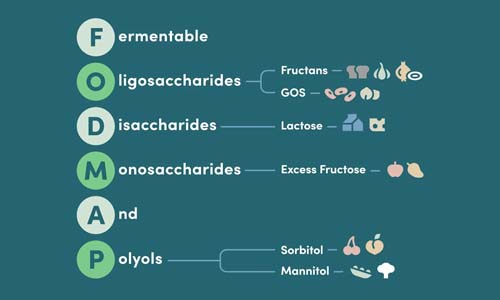
FODMAP stands for fermentable oligosaccharides, disaccharides, monosaccharides, and polyols. These groups include fructans, galacto-oligosaccharides, lactose, excess fructose, sorbitol, and mannitol. Some people absorb them poorly in the small intestine. In the colon, gut bacteria ferment them, producing gas, while their osmotic effect can shift water into the digestive tract and contribute to loose stools or urgency.
FODMAP content is not a simple good-or-bad label. Variety, ripeness, preparation, and serving size matter. Several moderate sources eaten together may create a higher total load, sometimes called FODMAP stacking.
The Top Five IBS Culprits: Onion, Garlic, Lactose, Wheat, and Polyols
Onion and garlic are major sources of fructans and appear in savory recipes, spice blends, marinades, stocks, and convenience foods. Lactose in milk, ice cream, and soft cheeses may cause symptoms for people who digest it poorly. Wheat can contribute fructans, though wheat sensitivity is not automatically the same as celiac disease or a wheat allergy. Polyols, including sorbitol and mannitol, occur in some fruits, vegetables, and reduced-sugar products.
| Trigger group | Common sources | Why label and portion checks matter |
|---|---|---|
| Fructans | Onion, garlic, wheat products | Powders and concentrated seasonings can hide in small-looking portions. |
| Lactose | Milk, ice cream, soft cheese | Tolerance varies, and serving size affects the total amount consumed. |
| Excess fructose | Some fruit, honey, and high-fructose sweeteners | Pairing several sweet ingredients may increase the carbohydrate load. |
| Polyols | Sorbitol, mannitol, some stone fruit and sugar-free candy | Ingredient names ending in “-ol” can signal a potential source. |
Beyond the Obvious: Hidden FODMAPs in Sauces, Seasonings, and Processed Foods
Look for onion, garlic, shallot, wheat flour, milk solids, whey, honey, high-fructose corn syrup, inulin, chicory root, and sugar alcohols. These may appear in pasta sauce, gravy, chips, seasoning packets, sausage, salad dressing, broth, and protein bars. “Natural flavors” may require extra investigation during elimination, so choose transparent ingredient lists when possible.
Focus first on concentrated sources and foods that repeatedly appear before symptoms. Keep serving sizes consistent while testing a product, since changing the portion and the rest of the meal together makes the result difficult to interpret.
Understanding IBS Subtypes and Their Dietary Nuances
IBS-D is associated mainly with diarrhea, IBS-C with constipation, and IBS-M with alternating diarrhea and constipation. These labels describe symptom patterns, not separate causes, and symptoms can change. Someone with IBS-C may need fluids, gradual soluble fiber, and regular meals. Someone with IBS-D may focus on personal triggers, moderate large fatty meals, and replace lost fluids. A person with IBS-M can track which pattern is present before making a major adjustment.
Diet can help manage IBS symptoms, but it cannot confirm the diagnosis or guarantee a permanent cure. Bleeding, unexplained weight loss, fever, anemia, nighttime symptoms, or a new change in bowel habits warrants medical evaluation. The best IBS diet should support symptom learning while leaving room for clinical care. 💚
The Flavor Solution: Mastering Low FODMAP Allium Swaps & Culinary Techniques
The “Flavor Void” Myth: How to Reclaim Savory Depth Without Onion or Garlic
Removing onion and garlic does not require giving up savory food. Their usual roles are sweetness, aroma, bitterness, and depth. Garlic-infused oil, fresh herbs, citrus zest, black pepper, smoked paprika, ginger, toasted cumin, browned meat, mushrooms in a suitable portion, and firm tofu can cover those roles.
Build flavor in layers: season proteins before cooking, bloom spices briefly in oil, add lemon juice or vinegar, and taste for salt near the end. These steps give rice bowls, soups, roasted vegetables, eggs, and skillet meals a fuller profile without concentrated fructans.
Your Allium Arsenal: Green Onion Tops, Chives, and Garlic Scapes Explained
Green onion tops offer a fresh onion note for eggs, potatoes, noodles, dips, and tacos. Use the green leaves rather than the white bulb, which contains more fructans. Chives bring a delicate onion flavor to baked potatoes, omelets, salads, and lactose-free sour cream. Garlic scapes, the curled stems of garlic plants, have a softer garlic character and work in stir-fries, frittatas, or herb sauces.
Green onion tops are fresh and crisp, chives are best added near serving, and garlic scapes benefit from brief sautéing or roasting. Add a modest amount first and adjust after tasting.
Practical Serving Sizes: Navigating Green Onion Tops, Chives, and Garlic Scapes
Tolerance depends on the total FODMAP load of a meal. Monash University testing demonstrates that portions influence whether a food fits within a low FODMAP pattern, so use certified app guidance or a registered dietitian’s recommendations for exact quantities. Begin with a small garnish, keep the rest of the plate familiar, and record your response. Avoid testing several new allium substitutes in one meal.
| Instead of | Try | Best use |
|---|---|---|
| Garlic clove | Garlic-infused oil or a small amount of garlic scape | Roasted vegetables, sauces, sautés |
| Onion garnish | Green onion tops or chives | Tacos, eggs, potatoes, soups |
| Onion base | Carrot, celery leaves, herbs, and infused oil | Stocks, stews, skillet dishes |
Beyond Alliums: Building Umami with Gourmend Broths and Other Gentle Ingredients
Umami can come from low FODMAP broth, tamari, nutritional yeast, Parmesan in a tolerated portion, tomato paste, toasted sesame oil, or browned proteins. Gourmend organic low FODMAP broths and broth powder can provide a savory base for rice, gravy, soup, and pan sauces. Reduce broth gently, then balance it with herbs, pepper, and acid.
Label Decoding: Spotting Hidden Onion and Garlic Powders Like a Pro
Scan ingredient lists for onion, garlic, shallot, leek bulb, onion powder, garlic powder, and undisclosed seasoning blends. Also check sauces and mixes for wheat-based thickeners, inulin, chicory root, honey, milk solids, and sugar alcohols. A product labeled “natural flavors” may need clarification during elimination. Choose transparent labels and compare the listed portion with the amount you eat.
Your Daily Gut-Friendly Blueprint: Simple Breakfasts and Meal Planning
Morning Reboot: Quick, Safe, and Delicious Low FODMAP Breakfast Ideas
Try oats with lactose-free milk, chia seeds, and a suitable portion of berries; scrambled eggs with chives and sourdough toast; or a rice bowl with spinach, firm tofu, and garlic-infused oil. Prepare cooked grains, hard-boiled eggs, or overnight oats in advance, and keep portions consistent while learning your tolerance.
Building Your Low FODMAP Pantry: Essential Staples for Easy Cooking
Stock rice, quinoa, certified oats, canned lentils in a measured portion, canned tomatoes, infused oil, low FODMAP broth, chives, dried herbs, ginger, paprika, cumin, mustard, tamari, and lactose-free dairy if tolerated. Keep quick proteins and frozen vegetables available. Read every seasoning blend, sauce, and broth label for concentrated onion or garlic.
The 3-Phase Low FODMAP Journey: Elimination, Reintroduction, and Integration
- Elimination: Follow a dietitian-guided low FODMAP plan for a limited period while keeping meals varied.
- Reintroduction: Test one FODMAP group at a time in measured portions, with a stable baseline diet.
- Integration: Build the broadest diet you tolerate, using personal results rather than permanent blanket restrictions.
The Power of a Food and Symptom Diary: Your Personal Guide to Long-Term Success
Record the meal, ingredients, portion, eating time, bowel pattern, urgency, bloating, pain, sleep, and stress. Review entries after several days instead of judging one reaction. This can reveal portion thresholds, meal combinations, and non-food patterns to discuss with a qualified clinician.
Navigating Flare-Ups and Sustaining Gut Harmony

When Symptoms Strike: A Gentle, Practical Flare-Up Protocol
When pain, urgency, bloating, diarrhea, or constipation intensifies, simplify the day rather than starting another extreme diet. Pause suspected foods, keep portions modest, and choose familiar ingredients. A short walk may help trapped gas, while a warm compress may comfort cramps. With diarrhea, prioritize fluids and consider an oral rehydration solution recommended by a healthcare professional. With constipation, avoid abruptly adding large amounts of fiber.
Soothing the Gut: Hydration, Soluble Fiber, and Easily Digestible Foods
Gentle foods may include rice, potatoes, oats, eggs, firm tofu, plain poultry, lactose-free yogurt if tolerated, and cooked low FODMAP vegetables. Soluble fiber from oats, chia, or psyllium can support stool consistency, but introduce it gradually with adequate fluids. Diarrhea may call for smaller meals and less rich food. Constipation may improve with regular meals, warm fluids, movement, and a measured increase in soluble fiber.
The Role of Quality Broths in Gut Recovery and Daily Nourishment
A carefully chosen low FODMAP broth can make simple meals more appealing when appetite is low. Use it to cook rice, oats, potatoes, or quinoa, or sip it alongside a small meal. Broth can add fluid, salt, and savory flavor without heavy sauce. Check for onion, garlic, shallot, wheat-based thickeners, and inulin. Gourmend’s organic low FODMAP broths and broth powder provide an allium-conscious base for soups, gravies, and quick pan meals. Keep portions appropriate for your sodium needs and medical guidance.
Setting Realistic Expectations: Diet as Management, Not a Permanent Cure
Current dietary guidance supports symptom management, not a guaranteed permanent cure. Symptoms can change with stress, sleep disruption, infection, medication changes, menstrual cycles, and other health factors. Repeatedly removing foods can increase nutritional gaps, food anxiety, and fear of eating away from home. Elimination is intended to identify patterns, then expand variety through reintroduction and personalization.
Your Next Steps: Consulting a Professional and Embracing Flavorful Living
Bring a food and symptom diary to a gastroenterologist or registered dietitian who understands IBS and the low FODMAP method. Ask about conditions that can resemble IBS, especially if symptoms are new, severe, or changing. Seek prompt medical care for rectal bleeding, black stools, persistent vomiting, fever, unexplained weight loss, anemia, dehydration, or symptoms that regularly wake you at night.
The best IBS diet is a flexible pattern that supports adequate nutrition, calmer decisions, and enjoyable meals. Use herbs, infused oils, measured seasonings, fresh greens, and savory broth to make gentle food satisfying. 💚
Medical disclaimer: This information is educational and does not diagnose, treat, or cure IBS. A qualified healthcare professional can help create a plan based on your symptoms, health history, medications, and nutritional needs.
Frequently Asked Questions
What three foods make IBS worse?
Three common IBS triggers are onion, garlic, and lactose-containing foods, though personal tolerance varies. Onion and garlic provide fructans, while milk, ice cream, and soft cheese may provide lactose. A food and symptom diary can help identify individual reactions, including portion size and hidden ingredients in sauces or packaged foods.
What calms IBS quickly?
A small, simple meal, gentle hydration, and temporary avoidance of a suspected trigger may calm IBS symptoms quickly. Low FODMAP choices such as plain rice, suitable proteins, or broth can be easier to tolerate during a flare. Seek medical guidance for severe, persistent, or unusual symptoms.
Is pasta OK for IBS sufferers?
Pasta can fit an IBS diet when the portion and ingredients are well tolerated. Wheat pasta may provide fructans, while sauces often contain onion, garlic, or dairy, so check labels and consider a suitable low FODMAP alternative. Testing one serving at a time makes personal tolerance easier to assess.
What drink calms down IBS?
Water and peppermint tea are commonly used drinks that may feel calming during IBS symptoms. Still water supports hydration without adding fermentable carbohydrates, while tea should be tested according to personal tolerance. Limit drinks containing excess fructose, lactose, or sugar alcohols if those ingredients repeatedly worsen symptoms.
What ice cream is best for IBS?
Lactose-free ice cream is often the best starting choice for people with lactose-related IBS symptoms. Check serving size and the ingredient list for sweeteners such as sorbitol or mannitol, which can also cause trouble. A small portion can help reveal whether lactose or another ingredient is the concern.
What is the best IBS diet for long-term symptom control?
The best IBS diet is an individualized plan that identifies personal triggers while preserving variety and nutrition. A supervised low FODMAP process can begin with short-term reduction, followed by structured reintroduction and long-term personalization. Registered dietitians can help protect fiber intake and prevent unnecessary food restrictions.
Can low FODMAP seasonings make IBS-friendly meals more flavorful?
Low FODMAP seasonings can add depth to IBS-friendly meals without relying on onion or garlic bulbs. Gourmend seasonings use garlic scape and green onion powders, are certified low FODMAP, and can be paired with herbs, citrus, toasted spices, or infused oils. Always follow the product serving guidance and your own tolerance.