



Stock Cubes 101: Your Gut-Friendly Flavor Guide

Key Takeaways
- Stock cubes provide concentrated umami flavor in a convenient, shelf-stable form.
- Conventional stock cubes often contain onion and garlic powders that may cause digestive discomfort.
- Clean-label stock cubes use herbs, spices, and real vegetables to offer bold flavor without gut issues.
- Choosing the right stock cube can help manage IBS and support cleaner ingredient preferences.
- Using stock cubes strategically can elevate everyday meals to gourmet quality.
Table of Contents
- What Are Stock Cubes, Really? (And How Do They Differ From Bouillon)
- From Pantry Staple to Low FODMAP Ally: Choosing the Right Stock Cube
- How Stock Cubes Work Their Magic: Flavor, Umami & Mouthfeel
- Exactly How to Use Stock Cubes in Everyday Cooking (With Precise Ratios)
- Homemade Stock Cubes: Clean, Customizable, and Low FODMAP–Friendly
- Health, Sodium, and Sensitive Stomachs: What to Know About Stock Cubes
Stock Cubes 101: A Gourmet, Gut-Friendly Guide to Big Flavor in a Tiny Package
Stock cubes pack concentrated umami power into a tiny, shelf-stable format, but not all cubes are created equal. While conventional options often rely on onion and garlic powders that can trigger digestive discomfort, clean-label alternatives use herbs, spices, and real vegetables to deliver bold flavor without the gut distress. Whether you're managing IBS, seeking cleaner ingredients, or simply want restaurant-quality depth in weeknight cooking, understanding how to choose and use stock cubes strategically transforms everyday dishes into gourmet experiences.
For those looking to upgrade their pantry, Bone Broth Sampler Bundle and Organic Beef Bone Broth | Low FODMAP & Unsalted offer clean, gut-friendly alternatives to conventional stock cubes, delivering robust flavor and nutritional benefits.
Stock cubes are a staple in many kitchens, but not all are created with sensitive digestion in mind. If you're interested in learning more about the differences between chicken stock and broth, check out this helpful guide on chicken stock vs broth for a deeper dive into their unique qualities.
What Are Stock Cubes, Really? (And How Do They Differ From Bouillon)
Clear Definitions: Stock Cubes vs Bouillon vs Broth vs Bone Broth
A stock cube is compressed, dehydrated stock that reconstitutes in hot water, typically one cube per 500-750ml of water. Bouillon cubes are often used interchangeably with stock cubes, though bouillon can lean more heavily seasoned and salt-forward.
Broth is liquid made by simmering meat, vegetables, or bones with water and seasonings. Stock uses more bones for gelatin-rich body, while bone broth involves longer cooking times (12-24 hours) for maximum collagen extraction. Gourmend Chicken & Beef are bone broths, providing superior protein content and gut-supporting nutrients.
Quick Reference:
- Stock cubes: Emergency flavor boost, camping, quick pan sauces
- Liquid broth: Everyday soups, cooking grains, sipping
- Bone broth: Gut health focus, serious stews, comfort meals
What Stock Cubes Are Made Of (Conventional vs Cleaner Labels)
Conventional stock cubes typically contain 40-60% salt by weight, plus dehydrated meat or vegetable derivatives, added fats, and flavor enhancers like MSG or disodium compounds. Many include preservatives, anti-caking agents, and artificial colorings for shelf stability and visual appeal.
Clean-label alternatives prioritize real vegetables, herbs, sea salt, and natural seasonings without onion or garlic powders, key for sensitive digestion. These options use ingredients like chive sprigs, leek greens, and herb blends to achieve onion-like depth without FODMAPs. Expect 600-900mg sodium per cube, making portion control essential.
Forms of Stock Cubes and Who They're Best For
Hard cubes offer maximum shelf life and pantry convenience. Granules and powders dissolve instantly, perfect for quick seasoning and last-minute flavor adjustments. Soft stock pots and liquid concentrates provide more control for advanced cooks who want precise flavor dosing.
Paste formats work brilliantly for marinades and rubs, while liquid concentrates suit professional kitchens needing consistent results. Choose based on your cooking frequency, occasional cooks benefit from hard cubes' longevity, while daily cooks appreciate granules' versatility.
From Pantry Staple to Low FODMAP Ally: Choosing the Right Stock Cube

Reading the Label Like a Pro (Especially for Sensitive Digestion)
Start with the ingredient list, scanning for onion powder, garlic powder, or vague "spices" that often hide FODMAP triggers. Check sodium per serving, aim under 500-600mg per prepared cup if managing blood pressure or fluid retention.
Look for recognizable ingredients over chemical-heavy formulations. For gluten sensitivity, confirm "gluten-free" certification and absence of wheat derivatives. IBS Irene should prioritize FODMAP-friendly herbs, while Gut Health Grace can research specific additives that align with her wellness goals.
Stock Cubes for Different Dietary Needs (Low FODMAP, Vegan, Gluten-Free)
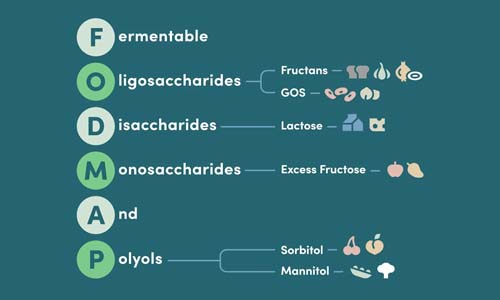
Low FODMAP considerations: Avoid onion and garlic powders, which contain fructans that ferment in the gut, causing gas and bloating. Seek options using chives, scallion greens, leek greens, and herbs for aromatic depth without digestive distress.
Vegan options should exclude meat extracts and dairy derivatives. Gluten-free varieties must avoid wheat, barley, and malt-based ingredients, always verify certification when celiac disease is a concern. Gourmend Foods designs broths and seasonings to be naturally gentle on digestion while maintaining bold, gourmet flavor profiles.
Quick Comparison: Conventional Stock Cubes vs Clean-Label Options
| Feature | Conventional Stock Cubes | Clean-Label Options |
|---|---|---|
| Ingredients | Onion/garlic powders, MSG, preservatives | Real herbs, chives, leek greens, sea salt |
| Sodium per cup | 700-1000mg | 400-600mg |
| Additives | Anti-caking agents, artificial colors | Minimal processing, natural ingredients |
| Flavor profile | Salt-forward, one-dimensional | Layered, herb-driven complexity |
Gourmend-style broths represent the premium end of clean-label options, using bone broth concentration and strategic herb blends for restaurant-quality depth. When stock cubes can't deliver the complexity your dish deserves, liquid bone broth provides superior protein content and naturally gentle digestion support.
How Stock Cubes Work Their Magic: Flavor, Umami & Mouthfeel
The Science of "Big Flavor in One Cube"
Umami, the savory fifth taste, drives stock cubes' flavor impact through concentrated glutamates from meat and vegetable proteins. Dehydration intensifies these compounds up to 10-fold, explaining why a tiny cube can transform plain water into rich-tasting broth.
Yeast extract and natural glutamates enhance perceived richness without artificial flavoring. Dehydrated aromatics release volatile compounds when rehydrated, while included fats create silky mouthfeel and carry fat-soluble flavors across your palate. This scientific precision explains why quality stock cubes outperform simple salt water for cooking grains and building sauce bases.
Why Some Stock Cubes Taste Artificial (and How to Avoid That)
Artificial taste stems from unbalanced salt ratios, synthetic flavor compounds, and insufficient real meat or vegetable content. High sodium levels mask rather than enhance natural flavors, creating a one-dimensional, chemical-like profile.
Choose shorter ingredient lists with recognizable components. Add fresh herbs, lemon juice, or combine half a cube with Gourmend broth for more natural, layered complexity. This technique reduces artificial notes while boosting nutritional value and digestive gentleness.
Building Layers of Flavor Without Overloading Your Gut
Layer flavors strategically: start with your stock cube base, add aromatic herbs like thyme and chive sprigs, then brighten with lemon juice or vinegar. This progression builds complexity without overwhelming sensitive digestion.
For IBS Irene, keep portions modest and avoid multiple FODMAP sources simultaneously. Amateur Chef Cindy can toast spices in oil before adding diluted cubes for restaurant-depth results. The key is patience, let each layer develop before adding the next component.
Exactly How to Use Stock Cubes in Everyday Cooking (With Precise Ratios)
Standard Dilution Ratios and Timing
Use 1 cube per 500ml (2 cups) water for standard cooking strength, or 1 cube per 750-1000ml for lighter applications like cooking grains. Start conservative, you can always add more, but over-salted dishes require dilution or waste.
Quick Answer: For soup, use 1-2 cubes per liter depending on brand strength and desired intensity. Always taste after 5-10 minutes of simmering before adjusting.
Timing matters: add diluted cubes early in cooking for integrated flavor, or reserve half for finishing to maintain bright, distinct notes. Long-simmered dishes intensify, so start with 75% of your intended amount.
Best Practices for Dissolving Stock Cubes Smoothly
Boil 250-500ml water, then crumble the cube into a small bowl. Pour hot water over and whisk vigorously for 30-60 seconds until completely dissolved. This concentrate method prevents grainy textures and ensures even distribution.
For slow cookers, always dissolve cubes in hot water first, cold liquid won't properly integrate the compressed ingredients. If mixture remains grainy, microwave for 15-20 seconds and stir again. This extra step prevents undissolved pockets that create uneven seasoning.
Using Stock Cubes in Soups, Stews, and Sauces
Soups and stews: Add diluted cubes at the beginning, then taste 10-15 minutes into simmering. For long-cook stews, start with 75% of usual amounts since salt concentrates as liquid reduces. Layer with Gourmend broths for bone broth richness and gut-friendly depth.
Sauces and gravies: Use ½ cube per cup of sauce base, whisking until fully dissolved. Adjust to taste as needed for intensity and saltiness.
Homemade Stock Cubes: Clean, Customizable, and Low FODMAP–Friendly

Why Make Your Own Stock Cubes?
Creating homemade stock cubes gives you complete control over salt, ingredients, and FODMAP content while reducing food waste. Transform vegetable trimmings and leftover bones into concentrated flavor bombs that save precious freezer space compared to storing large containers of liquid stock.
Start with Gourmend shelf-stable broth cartons as your flavor-packed base. Their bone broths provide rich, natural depth that concentrates beautifully into cube form, delivering gourmet results without the lengthy simmering traditional recipes require.
Simple Method for Low FODMAP Vegetable or Chicken Stock Cubes
Step-by-Step Concentration Method:
- Start with 4 cups (1 L) of Gourmend Chicken, Beef, or Vegetable broth
- Add 2–3 cups low FODMAP vegetables: carrots, celery tops, leek greens, scallion greens, fresh herbs
- Simmer uncovered 45–60 minutes until reduced by half
- Strain and continue reducing until you have 1–1½ cups thick, syrupy concentrate
- Cool 20–30 minutes, then spoon into silicone ice cube trays (1 tablespoon per cube)
- Freeze 6–8 hours, pop out, and store in airtight containers for up to 3 months
Skip onion bulbs and garlic cloves entirely. Instead, rely on chive sprigs and leek greens for aromatic depth that won't trigger digestive discomfort.
Freezing, Storing, and Using Homemade Cubes Safely
Label cubes with date and type; use within 3 months for peak flavor. Store in zip-top freezer bags with air pressed out to prevent freezer burn. One homemade cube (about 1 tablespoon) equals roughly ½ cup of strong broth when diluted in ½–1 cup water.
Always cool completely before freezing to avoid damaging ice crystals, and reheat thoroughly to a simmer before serving. This method ensures food safety while preserving the concentrated flavors you've worked to create.
Customizing Flavors for Different Dishes
Herb garden cubes: Blend parsley, thyme, chive sprigs, and lemon zest into your base for bright, versatile flavor perfect for spring soups and risottos.
Roasted vegetable cubes: Roast carrots and leek greens at 400°F for 25 minutes before simmering into broth. This caramelization adds profound depth ideal for hearty stews and pan sauces. Explore Gourmend's recipe conversion tool to adapt your favorite recipes using these custom cubes.
Health, Sodium, and Sensitive Stomachs: What to Know About Stock Cubes
Sodium, Additives, and Everyday Use
Most stock cubes contain 600–900mg sodium per cube, translating to roughly 300–450mg per prepared cup of stock. If you're monitoring blood pressure or sodium intake, start with fewer cubes and boost flavor using herbs, citrus, and vinegar instead of reaching for more salt.
Many conventional cubes include MSG and flavor enhancers like disodium inosinate. While MSG is generally recognized as safe, some individuals may be sensitive to it. For more information on sodium content in foods, see this authoritative nutrient database.
If you're looking for more ways to cook delicious, gut-friendly meals, explore these low FODMAP recipes for inspiration and practical tips.
For those with sensitive digestion, research continues to evolve on the impact of food additives and sodium. You can learn more about the science behind food additives and gut health in this peer-reviewed article.
Finally, if you're ready to stock your pantry with clean, gut-friendly options, consider the Low FODMAP Pantry Starter Bundle for a curated selection of essentials.
Frequently Asked Questions
What are the main differences between stock cubes, bouillon cubes, broth, and bone broth?
Stock cubes are dehydrated, compressed stock that you dissolve in hot water, usually one cube per 500-750ml. Bouillon cubes are similar but often saltier and more heavily seasoned. Broth is a liquid made by simmering meat, vegetables, or bones with water and seasonings, while stock uses more bones for a gelatin-rich texture. Bone broth is cooked longer (12-24 hours) to extract collagen, like Gourmend’s Chicken & Beef broths.
How can choosing clean-label stock cubes help manage digestive issues like IBS?
Clean-label stock cubes avoid common triggers like onion and garlic powders, which can cause digestive discomfort. Instead, they use herbs, spices, and real vegetables that provide bold flavor without upsetting your gut. This makes them a smart choice for those managing IBS or sensitive digestion while still enjoying rich, gourmet meals.
What ingredients should I look for in stock cubes if I want to avoid gut discomfort caused by onion and garlic?
Look for stock cubes that use chive sprigs, green leek tops, or garlic-chive stems as onion and garlic substitutes. These ingredients offer similar savory depth without the high FODMAP compounds that can cause gut issues. Clean-label cubes often include real vegetables and herbs to boost flavor naturally and gently.
How can I use stock cubes effectively to enhance the flavor of everyday meals while maintaining a low sodium intake?
Use stock cubes sparingly, start with one cube per 500-750ml of water and adjust to taste. Diluting cubes in water helps control sodium while adding umami richness. Pair them with fresh ingredients and herbs to build layered flavor without over-salting, turning simple dishes into gourmet experiences that are gentle on digestion.