



Low FODMAP Vegan Recipes for Flavorful, Satisfying Meals

low fodmap vegan recipes
Navigating dietary choices can feel like a complex puzzle, especially when balancing personal values with digestive well-being. For many, the journey involves exploring plant-based eating for ethical, environmental, or health reasons. Simultaneously, a significant number of individuals seek relief from digestive discomfort, often finding guidance in the low FODMAP diet. The question then arises: can these two paths merge successfully? Can you build a diet that is both entirely plant-based and gentle on the gut, without sacrificing flavor or nutritional completeness?
Key Takeaways
- Combining vegan principles with low FODMAP guidelines creates an opportunity to support both digestive comfort and ethical eating goals.
- Plant-based meals can be adapted to meet low FODMAP requirements while maintaining satisfying flavors and complete nutrition.
- The intersection of vegan and low FODMAP diets offers a solution for those who experience digestive discomfort but wish to avoid animal products.
- Creating meals that honor both dietary approaches requires thoughtful ingredient selection and creative cooking methods.
At Gourmend Foods, we understand this challenge intimately. As a Certified B Corporation dedicated to clean-label, FODMAP Friendly Certified products, our mission is to enable everyone to enjoy delicious meals without digestive distress. We believe that managing your gut health shouldn't mean compromising on taste or variety. This guide is crafted to show you that a low FODMAP vegan lifestyle is not only achievable but can be a source of exciting culinary discovery.
Absolutely. A low FODMAP vegan diet is entirely possible and can be incredibly satisfying when approached with the right knowledge and ingredients. The key lies in understanding which plant-based foods fit within the low FODMAP framework and discovering clever ways to infuse flavor without common triggers like onion and garlic. It requires mindful selection of proteins, grains, and vegetables, alongside smart seasoning strategies to ensure every meal is both gut-friendly and delicious. This approach helps manage symptoms for a large percentage of individuals with digestive issues, allowing for a more enjoyable and varied plant-based eating experience.
Understanding the Low FODMAP Framework for Plant-Based Eaters
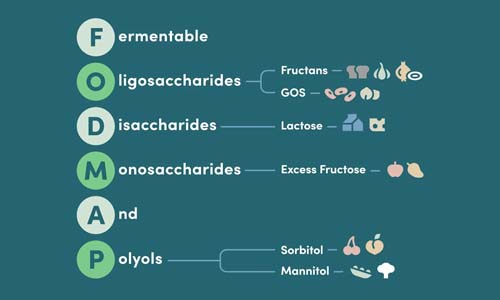
The low FODMAP diet is a science-based approach designed to identify and manage foods that can trigger digestive symptoms like bloating, gas, and abdominal pain, particularly for those with Irritable Bowel Syndrome (IBS). FODMAP stands for Fermentable Oligosaccharides, Disaccharides, Monosaccharides, and Polyols. Types of carbohydrates that are poorly absorbed in the small intestine. When these ferment in the large intestine, they can cause discomfort. For the 1 in 7 people worldwide who suffer from IBS, as reported by the International Foundation for Gastrointestinal Disorders, this diet can be transformative, with studies from Monash University showing symptom reduction in 50-80% of patients.
Adopting a vegan lifestyle, which typically excludes all animal products, presents a unique opportunity to integrate the low FODMAP principles. Many staple vegan foods, such as certain legumes, fruits, and vegetables, can be high in FODMAPs. But, the diet is not about complete elimination but rather about identifying safe serving sizes for moderate-FODMAP foods and prioritizing naturally low-FODMAP options. The goal is to create a sustainable eating pattern that nourishes your body with plant-based goodness while keeping your digestive system calm. This framework allows for a diverse range of plant-based meals, focusing on whole foods and strategic ingredient choices.
Solving the Flavor Gap: Cooking Without Onion and Garlic
One of the most significant challenges for many embarking on a low FODMAP diet, especially those who are also vegan, is the absence of onion and garlic. These alliums are foundational flavor bases in countless cuisines, providing depth, aroma, and savory notes. Their removal can often lead to meals feeling bland or uninspired, a major pain point for anyone seeking flavorful food. Fortunately, clever culinary solutions exist to mimic that satisfying umami and aromatic complexity without the high-FODMAP content.
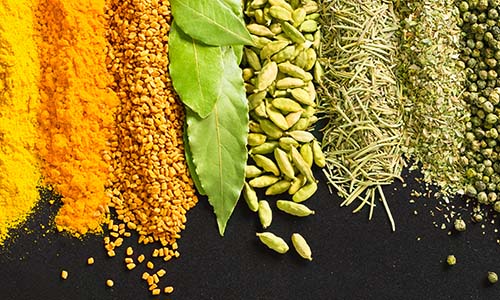
The secret lies in understanding which parts of plants and which natural compounds can deliver similar flavor profiles. For example, the green tops of scallions and leeks are low in FODMAPs and can impart a mild, pleasant oniony taste. Similarly, garlic scapes, the flower stalks of garlic plants, offer a distinct garlic flavor without the high fructan content found in garlic bulbs. Also, garlic-infused oil is a low-FODMAP staple; the FODMAPs themselves are water-soluble, not oil-soluble, meaning they remain behind when the garlic is steeped in oil, leaving behind the delicious flavor. At Gourmend Foods, we've harnessed these principles by developing products like our Low FODMAP Taco Seasoning, which uses garlic scape and green onion powders, alongside other carefully selected single-origin spices, to deliver bold flavor without the digestive triggers found in traditional seasonings.
Building Your Low FODMAP Vegan Pantry: Proteins and Flavor Bases
Establishing a well-stocked pantry is the first step toward confidently preparing delicious, gut-friendly vegan meals. When focusing on a low FODMAP diet, the emphasis shifts to selecting ingredients that are naturally low in fermentable carbohydrates or can be consumed in safe, specified quantities. This includes identifying versatile plant-based proteins and discovering the best alternatives to high-FODMAP aromatics that can transform simple dishes into gourmet experiences. Our aim is to guide you in stocking your kitchen with essentials that make cooking easy and enjoyable, ensuring you always have the building blocks for satisfying meals.
Safe Serving Sizes for Vegan Proteins (Tofu, Tempeh, and Legumes)
Protein is a cornerstone of any balanced diet, and for vegans, plant-based sources are key. Navigating these options on a low FODMAP diet requires attention to specific serving sizes, as some otherwise healthy vegan proteins can become high in FODMAPs in larger quantities. For example, firm tofu, when drained, is considered low FODMAP at a serving of about 100 grams, making it an excellent base for stir-fries, scrambles, or baked dishes. Tempeh, a fermented soybean product, is also a valuable protein source and is safe at 75 grams per serving, offering a slightly firmer texture and nutty flavor that works well in a variety of recipes.
Legumes present a bit more nuance. While many are high in FODMAPs, certain types can be enjoyed in small, carefully measured portions. For example, canned lentils are low FODMAP at a serving of approximately 40 grams (about 1/4 cup), and canned chickpeas are safe at around 50 grams (about 1/4 cup). These smaller portions can add texture and nutrients to salads, soups, or dips. It’s essential to consult resources like Monash University’s FODMAP Diet App for precise serving sizes, as these can vary. By understanding these guidelines, you can confidently incorporate these protein powerhouses into your low FODMAP vegan diet, ensuring you meet your nutritional needs without triggering digestive upset.
Onion and Garlic Alternatives: Garlic Scapes and Green Onion Tops
The absence of onion and garlic can be a significant hurdle, but innovative solutions abound for achieving rich, savory flavors in low FODMAP vegan cooking. Instead of relying on the bulbs of alliums, we can turn to their green parts or related vegetables. Green parts of scallions and leeks, for example, offer a milder, more palatable onion-like flavor profile that is well-tolerated. These can be finely chopped and added to sautés, sauces, or garnishes, providing aromatic depth without the high FODMAP content found in the white bulbs.
Garlic scapes are another fantastic, albeit seasonal, alternative. These tender stalks of the garlic plant have a milder, greener garlic taste compared to cloves and are significantly lower in fructans, making them a safe choice for most individuals on a low FODMAP diet. When these aren't readily available, or for year-round flavor, consider using garlic-infused oil. As FODMAPs are not fat-soluble, the flavor of garlic transfers to the oil without the problematic carbohydrates. Gourmend Foods offers clean-label solutions designed to simplify this process. Our Low FODMAP Taco Seasoning, for example, is crafted with garlic scape powder and green onion powder, providing a convenient way to add complex, savory notes to dishes like tacos, chili, or roasted vegetables, all while adhering to low FODMAP principles. This focus on intelligent ingredient substitution ensures that your meals remain exciting and flavorful, making the low FODMAP vegan journey a culinary success.
Everyday Low FODMAP Vegan Recipes to Add to Your Rotation

Transitioning to a low FODMAP vegan lifestyle doesn't mean sacrificing the joy of cooking and eating. With a bit of creativity and the right foundational ingredients, you can build a repertoire of meals that are both satisfying and gentle on your digestive system. The key is to focus on simple, wholesome dishes that highlight naturally low-FODMAP ingredients and use smart flavor-building techniques. We’ve curated a selection of everyday recipes, from quick breakfasts to hearty dinners, designed to fit smoothly into your week. These ideas demonstrate how easy it is to prepare delicious low FODMAP vegan recipes that cater to your dietary needs and culinary preferences.
Our goal at Gourmend Foods is to make gut-friendly eating an exciting culinary adventure rather than a restrictive chore. By incorporating our clean-label broths and seasonings, you can effortlessly add depth and complexity to your dishes, transforming everyday meals into gourmet experiences. These recipes are designed for practicality, many requiring just 30 minutes or less to prepare, making them perfect for busy schedules. They also serve as excellent examples of how to meet your nutritional goals, particularly protein, within the low FODMAP vegan framework. Let's look at some delightful options to inspire your kitchen endeavors.
Breakfast: Quinoa and Pumpkin Seed Porridge
Starting your day with a nourishing and gut-friendly breakfast sets a positive tone for the entire day. This Quinoa and Pumpkin Seed Porridge is a fantastic option for those following a low FODMAP vegan diet. It offers a satisfying blend of complex carbohydrates, healthy fats, and plant-based protein, keeping you full and energized until your next meal. Quinoa itself is a complete protein and is low FODMAP in moderate servings, making it an excellent base for a hearty breakfast. Pumpkin seeds add a delightful crunch and are a good source of magnesium and zinc, while also being low FODMAP.
The beauty of this porridge lies in its simplicity and adaptability. You can prepare the base quickly on the stovetop, simmering quinoa in water or a low-FODMAP plant-based milk like almond or oat milk (ensure it's certified low FODMAP if sensitive). Once cooked to a creamy consistency, it’s ready for your personal touch. For sweetness, a drizzle of maple syrup or a few low-FODMAP berries like blueberries or raspberries work wonderfully. A sprinkle of cinnamon adds warmth and flavor without any digestive distress. This warm, comforting bowl is a gentle yet substantial way to begin your day, proving that breakfast can be both health-conscious and deeply satisfying.
Lunch: 30-Minute Tempeh and Rice Bowl with Peanut Sauce
For a quick and flavorful midday meal, this 30-Minute Tempeh and Rice Bowl is an ideal choice. It’s packed with plant-based protein and customizable to your taste, making it a go-to for busy weekdays. Tempeh, a fermented soybean product, is a nutritional powerhouse that is low FODMAP in servings of 75 grams. It offers a firm texture and a slightly nutty flavor that absorbs marinades beautifully. Pairing it with fluffy rice, which is a universally safe and low-FODMAP grain, creates a balanced and filling base for your bowl.
The star of this dish, beyond the tempeh, is the creamy peanut sauce. Crafting a low FODMAP peanut sauce involves careful ingredient selection. Use smooth peanut butter (ensure it contains only peanuts and salt), a splash of tamari or gluten-free soy sauce for umami, a touch of rice vinegar for tang, and a little water or a low-FODMAP vegetable broth to reach your desired consistency. For a hint of sweetness, maple syrup is a perfect choice. To add that essential aromatic depth often missing without onion and garlic, consider incorporating a bit of grated fresh ginger and a dash of sesame oil. This quick assembly lunch brings together satisfying textures and a rich, savory flavor profile, proving that delicious easy low fodmap vegan recipes are achievable in under half an hour.
Dinner: Umami Vegetable Broth Ramen with Tofu and Chives
Concluding your day with a comforting and deeply flavorful meal is entirely possible on a low FODMAP vegan diet. This Umami Vegetable Broth Ramen is designed to deliver that rich, savory experience without high-FODMAP ingredients. The foundation of any great ramen is its broth, and here, we turn to a high-quality, organic vegetable broth. To boost the umami and complexity, consider simmering your broth with a piece of nori seaweed and some dried shiitake mushrooms (though mushrooms can be tricky; check Monash guidelines for specific types and quantities). This technique creates a more profound, satisfying base, similar to what you'd find in traditional ramen broths. Using Gourmend's Organic Vegetable Broth provides a clean, flavorful starting point that is certified low FODMAP.
For protein, firm or extra-firm tofu is an excellent choice. Press it well to remove excess water, then cube and pan-fry or bake until golden and slightly crisp. This preparation method gives the tofu a pleasant texture that holds up well in the broth. To echo the oniony notes often found in ramen, finely chopped green onion tops (the green parts only) are perfect for both simmering in the broth for flavor and as a fresh garnish. Other low-FODMAP additions can include sliced carrots, bok choy, or spinach. For a final touch of savory depth and a hint of a garlic-like flavor without the triggers, a drizzle of garlic-infused oil or a sprinkle of Gourmend's Garlic Scape Powder can elevate the dish. This ramen bowl offers a complete, warming, and delicious low fodmap vegan dinner recipes option, showcasing how lively plant-based meals can be.
Ensuring Nutritional Adequacy Without High-FODMAP Foods
Transitioning to a low FODMAP vegan diet can raise questions about ensuring complete nutrition. It's natural to wonder if eliminating certain plant-based staples, which might be high in FODMAPs, could lead to deficiencies in essential nutrients like protein, iron, or vitamin B12. The key is not to fear restriction but to approach your diet with informed choices and strategic planning. By understanding the nutritional profiles of low-FODMAP vegan foods and how to supplement effectively, you can build a diet that is both gut-friendly and comprehensively nourishing.
The foundation of a nutritionally adequate low FODMAP vegan diet lies in variety and mindful selection. While certain legumes might be limited, others, like firm tofu and tempeh, are excellent low-FODMAP protein sources. Incorporating a range of low-FODMAP fruits, vegetables, nuts, and seeds will naturally provide a spectrum of vitamins, minerals, and fiber. For nutrients that can be harder to obtain from a vegan diet, such as vitamin B12, fortified foods or reliable supplements are essential. This proactive approach ensures you meet all your body's needs while enjoying the benefits of a plant-based, gut-friendly lifestyle.
Meeting Iron and B12 Requirements on a Plant-Based Diet
For individuals following a vegan diet, attention to iron and vitamin B12 intake is particularly important, and this remains true for those also adhering to a low FODMAP framework. Plant-based sources of iron, such as spinach, lentils (in small, safe portions), and pumpkin seeds, are generally non-heme iron, which is less readily absorbed than heme iron from animal products. To improve absorption, pair these iron-rich foods with vitamin C sources, like bell peppers or strawberries, in the same meal. For example, a salad featuring spinach and bell peppers is a smart way to boost iron intake.
Vitamin B12 is almost exclusively found in animal products, making it a critical nutrient for vegans to supplement. B12 is not produced by plants or animals but by microorganisms. Since it is not naturally present in most vegan foods, regular supplementation or consumption of B12-fortified foods (like some plant milks or nutritional yeast, checking FODMAP content) is non-negotiable. Monash University, a leading authority on the low FODMAP diet, confirms that B12 is not a FODMAP itself, so fortified products or supplements are safe for those managing digestive health. Ensuring adequate intake of these nutrients supports overall energy levels, immune function, and cellular health, making your low FODMAP vegan journey a success.
Avoiding Common Mistakes: Portion Control and Hidden Triggers
A common pitfall when navigating the low FODMAP diet, vegan or otherwise, is misunderstanding portion sizes for foods that are only low FODMAP in specific amounts. For example, while avocado is a healthy fat source, only 1/8 of an avocado is considered low FODMAP. Similarly, certain fruits like apples and pears are high in polyols and should be avoided or consumed in very small, specific quantities. Overconsumption of even "low FODMAP" foods can sometimes lead to digestive symptoms, underscoring the importance of sticking to recommended serving sizes, especially during the elimination phase of the diet.
Another area where mistakes can occur is in overlooking hidden FODMAPs in processed foods. Many vegan products, from baked goods to sauces and convenience meals, can contain high-FODMAP ingredients like inulin, chicory root, or apple juice concentrate, even if the main ingredients seem safe. Always read ingredient labels carefully. Look for products certified low FODMAP or choose brands like Gourmend Foods that prioritize clean-label ingredients, are free from fillers, and are specifically formulated to be gut-friendly. Our products, such as the Low FODMAP Taco Seasoning, are crafted without onion or garlic bulbs, making them a trustworthy choice for adding lively flavor to your low fodmap vegan recipes without introducing hidden triggers.
Navigating Nutritional Adequacy
Pros
- Focus on nutrient-dense, low-FODMAP plant-based foods like tofu, tempeh, quinoa, and certain seeds.
- Enhanced absorption of iron by pairing with vitamin C-rich foods.
- Reliable B12 supplementation ensures essential nutrient intake.
- Certified low FODMAP products simplify ingredient selection and avoid hidden triggers.
- Variety in allowed fruits and vegetables provides a broad spectrum of vitamins and minerals.
Cons
- Requires careful attention to portion sizes for conditionally low-FODMAP foods.
- Potential for B12 deficiency if supplementation is overlooked.
- Hidden FODMAPs in processed vegan products can be easily missed.
- Limited intake of certain high-FODMAP legumes can affect fiber variety if not managed.
- Seasonal availability or cost can sometimes impact access to specific low-FODMAP produce.
References
Frequently Asked Questions About Low FODMAP Vegan Cooking
Navigating the intersection of veganism and the low FODMAP diet can bring up specific questions. From understanding legume allowances to flavor replacements, we've compiled answers to common queries to help you confidently prepare delicious, gut-friendly meals. These insights are designed to provide clarity and support your culinary journey, ensuring you can enjoy a varied and satisfying plant-based diet without digestive discomfort.
At Gourmend Foods, we are committed to providing the tools and knowledge necessary for successful low FODMAP cooking. Our products are developed with these specific challenges in mind, offering clean-label solutions that simplify meal preparation. Whether you're a seasoned vegan or new to the low FODMAP approach, these answers aim to demystify the process and enable you to create flavorful easy low fodmap vegan recipes and more.
Are all legumes high FODMAP?
No, not all legumes are high FODMAP. While many common legumes like kidney beans or black beans are high in oligosaccharides and should be avoided or consumed in very small quantities, certain types can be enjoyed in safe serving sizes. For example, canned lentils are low FODMAP at a serving of about 40 grams (approximately 1/4 cup), and canned chickpeas are safe at around 50 grams (approximately 1/4 cup). Canned versions are often preferred as the canning process can reduce the FODMAP content. It's always best to refer to Monash University's FODMAP Diet App for the most accurate and up-to-date serving size information for specific legumes.
How much tofu is safe to eat on a low FODMAP diet?
Tofu is a fantastic protein source for low FODMAP vegan diets. Firm or extra-firm tofu is considered low FODMAP when consumed in a serving size of about 100 grams (approximately 1/2 cup). This amount provides a good source of protein and can be incorporated into countless dishes, from stir-fries and scrambles to baked or grilled preparations. Softer varieties of tofu may have different FODMAP profiles, so sticking to firm or extra-firm is generally recommended for consistency and safety. Ensure your tofu is made primarily from soybeans, as added ingredients could potentially increase FODMAP content.
What is the best way to replace chicken or beef stock in vegan recipes?
Replacing chicken or beef stock in vegan recipes requires focusing on building deep, savory flavors using plant-based ingredients. A high-quality organic vegetable broth is the most direct substitute. To achieve a richer umami profile, consider simmering your broth with ingredients like nori seaweed or dried shiitake mushrooms (in moderation, according to Monash guidelines). For a foundational depth that mimics meaty stocks, Gourmend Foods offers Organic Vegetable Broth, crafted to be clean-label and certified low FODMAP. Additionally, incorporating ingredients like tamari, nutritional yeast, or finishing with a drizzle of garlic-infused oil can add complexity. Our Low FODMAP Taco Seasoning also provides a convenient way to add a savory, complex flavor base to vegan chili, stews, or marinades, effectively replacing the need for traditional stocks packed with high-FODMAP ingredients.
Frequently Asked Questions
Can you follow a vegan diet while also being low FODMAP?
A low FODMAP vegan diet is absolutely possible when you know which plant-based foods fit within the framework. The key is selecting the right proteins, grains, and vegetables while using smart seasoning strategies to keep meals flavorful and gentle on the gut. Many people successfully combine these two dietary paths without sacrificing taste or nutrition.
What can I use instead of onion and garlic on a low FODMAP diet?
The green tops of scallions and leeks are low in FODMAPs and provide a mild onion flavor, while garlic scapes deliver a garlic taste without the fructans found in bulbs. Garlic-infused oil is also a pantry staple since FODMAPs are water-soluble, not oil-soluble, so the flavor transfers to the oil without the triggers. These alternatives help solve the flavor gap beautifully.
What are good vegan protein sources on a low FODMAP diet?
Firm tofu is low FODMAP at about 100 grams per serving, and tempeh is safe at 75 grams per serving, making both excellent protein options. These can be used in stir-fries, scrambles, and baked dishes to maintain a balanced plant-based diet. Some legumes can also work in specific, measured portions.
How does the low FODMAP diet help with IBS symptoms?
The low FODMAP diet is a science-based approach that helps identify foods triggering digestive symptoms like bloating, gas, and abdominal pain. Research from Monash University shows symptom reduction in 50 to 80 percent of IBS patients. This makes it a proven method for managing digestive discomfort while maintaining a varied and satisfying eating pattern.
What is in Gourmend Foods Low FODMAP Taco Seasoning?
Gourmend Foods Low FODMAP Taco Seasoning uses garlic scape and green onion powders instead of onion and garlic bulbs, along with hand-picked, single-origin spices like chile powder from New Mexico and cumin from the Hindu Kush mountains. It is certified low FODMAP and free from gluten, fillers, sugar, and preservatives. Every spice is cultivated without harmful additives.
Do I have to eliminate all FODMAPs permanently on this diet?
The low FODMAP diet is not about complete elimination but rather about identifying safe serving sizes for moderate-FODMAP foods and prioritizing naturally low-FODMAP options. The goal is to build a sustainable eating pattern that nourishes your body with plant-based goodness while keeping your digestive system calm. You can still enjoy a diverse range of meals.
Is garlic-infused oil actually safe on a low FODMAP diet?
Garlic-infused oil is considered low FODMAP because the fermentable carbohydrates in garlic are water-soluble, not oil-soluble. This means that when garlic steeps in oil, the FODMAPs stay behind while the delicious flavor transfers to the oil. It is a fantastic way to add depth and aroma to your low FODMAP vegan recipes.