



Low FODMAP Sourdough Bread: Safe Brands, Serving Sizes, and Buyer's Guide

low fodmap sourdough
If wheat bread leaves you uncomfortable, the issue may not be gluten. In many people with IBS, fructans in wheat are the more relevant FODMAP. Traditionally fermented low fodmap sourdough can reduce those carbohydrates while preserving wheat bread’s flavor and texture, provided the loaf has undergone genuine fermentation and is eaten in an appropriate portion.
Key Takeaways
- Fructans, rather than gluten, are usually the FODMAP that triggers digestive symptoms when people with IBS eat wheat bread.
- A genuine, slow fermentation process breaks down fructans while preserving the taste and texture of traditional wheat bread.
- Serving size matters just as much as fermentation, because even a well-fermented loaf can cause discomfort in large portions.
- Not every bread marketed as sourdough has undergone true fermentation, so shoppers should confirm fermentation time before buying.
This guide explains how fermentation changes dough, how to distinguish authentic sourdough from bread flavored with vinegar or added acids, and which label details deserve attention. The same label-reading habit helps with pantry staples such as Low FODMAP Taco Seasoning, where ingredient transparency matters as much as flavor. 🐓
Understanding Sourdough's Gut-Friendly Magic: The Science Behind Low FODMAP Bread
Traditional sourdough may be low FODMAP because wild yeast and lactic acid bacteria ferment some fructans and galacto-oligosaccharides, or GOS, during a long rise. Research summarized by A Little Bit Yummy reports that fermentation lasting more than 12 hours can reduce these carbohydrates by as much as 70% to 90% compared with standard baker’s yeast dough. This does not make every sourdough loaf suitable: flour, fermentation, added ingredients, and serving size all matter.
Why Traditional Sourdough Differs from Standard Wheat Bread
Standard sandwich bread often uses commercial yeast and a relatively short proof, leaving much of its original fructan content. Traditional sourdough contains wild yeasts and acid-producing bacteria. During longer fermentation, these microorganisms consume available sugars and alter acidity, aroma, structure, and carbohydrate content.
Two wheat loaves can affect digestion differently. Naturally leavened bread may have a tangy flavor, open crumb, and longer production schedule. Bread labeled “sourdough” may instead contain baker’s yeast plus an acidifying ingredient that creates a sour taste without allowing the culture enough time to change fructans.
The Role of Fermentation: Breaking Down Fructans and GOS
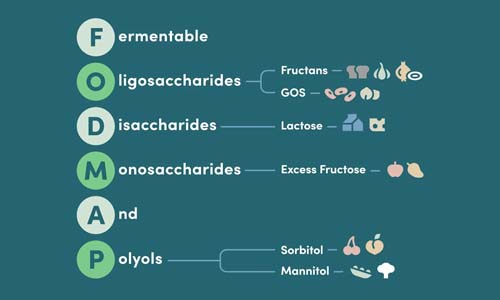
Fructans and GOS are fermentable carbohydrates in the FODMAP family. They are poorly absorbed in the small intestine and can draw water into the digestive tract before gut bacteria ferment them. Long sourdough fermentation lets the culture metabolize part of this load. The result is not a completely FODMAP-free loaf, but it may be more tolerable at a tested portion.
| Dough type | Typical process | What it means for FODMAPs |
|---|---|---|
| Traditional sourdough | Active starter with extended fermentation | Fructans and GOS may be substantially reduced |
| Standard yeast bread | Commercial yeast with a shorter rise | More of the original wheat fructans may remain |
| Acidified “sourdough-style” bread | Vinegar, acetic acid, or similar flavoring with little fermentation | Sour flavor does not confirm meaningful fructan reduction |
Fructans vs. Gluten: Why Sourdough May Suit IBS but Not Celiac Disease
Fructans and gluten are different components of wheat. A person with IBS may react to wheat’s fermentable carbohydrates, while a person with celiac disease must avoid gluten because it triggers an immune reaction that can damage the small intestine. Sourdough fermentation can lower some fructans, but it does not reliably remove gluten.
People with celiac disease should not treat wheat sourdough as gluten-free. They need medically appropriate gluten avoidance and protection from cross-contact. Anyone in an elimination phase should follow guidance from a qualified dietitian or clinician, since tolerance can change with portion size, meal composition, and total FODMAP intake.
Flour Matters: Which Grains Work Best for Low FODMAP Sourdough
White wheat flour is often easier to portion than dense, bran-rich bread because a tested serving may contain less of certain fermentable carbohydrates. Traditional spelt sourdough is another option discussed in low FODMAP guidance. Spelt can begin with lower fructan content than some modern wheat varieties, though fermentation and portion size still matter. Whole wheat, rye, barley, sweeteners, dried fruit, honey, and added inulin can change a recipe’s FODMAP profile.
Read the full formula instead of choosing by color or “artisan” wording. A dark crust, sour aroma, or rustic shape cannot confirm suitability. Look for identified flour, an active sourdough culture, documented fermentation, and serving guidance supported by testing.
Decoding the Loaf: How to Spot Authentic Low FODMAP Sourdough on Store Shelves

The 3-Ingredient Authenticity Filter: Beyond Just Flour, Water, and Starter
A simple naturally fermented sourdough formula contains flour, water, and sourdough starter, with salt commonly included as a fourth ingredient. The starter supplies wild yeast and lactic acid bacteria, so every microorganism need not appear on the label. What matters is an active culture and enough time to ferment.
Use a short ingredient list as an initial screen, not proof of low FODMAP status. Seek statements describing natural leavening, long or overnight fermentation, or a starter-led process. If packaging gives only a sour flavor description and no process details, be cautious.
Identifying Deceptive “Sourdough Flavors”: Vinegar, Yogurt Powder, and Yeast Extracts
Some commercial loaves create tang with vinegar, acetic acid, lactic acid, yogurt powder, or other flavorings. These can make bread taste sour without replacing the time required for mature fermentation. Added baker’s yeast may speed rising, but it does not establish the same process as dough leavened primarily by sourdough culture.
Check for sweeteners, fruit juice concentrate, honey, chicory root, inulin, wheat fiber, onion powder, garlic powder, and legume-based additions. Prepared seasonings deserve the same care: Low FODMAP Taco Seasoning uses garlic scape and green onion powders instead of onion and garlic bulbs, so its wording identifies what is present.
Fermentation Time: What to Look For and What to Avoid
Useful label clues include “naturally leavened,” “levain fermented,” “slow fermented,” and “overnight proofed.” These phrases do not replace certification or laboratory testing. A package listing sourdough starter near the beginning of the ingredients may provide more information than one mentioning sourdough only in the product name.
Be cautious with “sourdough flavor,” “sourdough style,” or “made with sourdough” when vinegar and fast-acting yeast also appear. These terms do not prove enough fermentation to lower fructans. If the process is undisclosed, test a small portion rather than assuming the loaf matches tested serving data.
Label Reading Checklist: Your Guide to Navigating Grocery Store Ingredients
Before buying a loaf, check:
- Find the culture: Look for sourdough starter, levain, or a natural leavening statement.
- Check the flour: Identify wheat, spelt, rye, or blended grains, then consider the tested serving.
- Look for fermentation clues: Search for long-fermented, overnight, or naturally leavened language.
- Flag shortcut ingredients: Vinegar, acetic acid, lactic acid, yogurt powder, and added yeast may signal sour flavor without extended fermentation.
- Screen for FODMAP additions: Watch for honey, inulin, chicory root, garlic, onion, dried fruit, and concentrated fruit juice.
- Review certification: Recognized low FODMAP certification or published testing offers more confidence than packaging language alone.
- Start with the tested portion: An authentic loaf may still cause symptoms if the serving exceeds your tolerance.
Your Low FODMAP Sourdough Shopping Guide: Safe Brands and Serving Sizes
Choosing low fodmap sourdough requires more than finding “sourdough” on a package. Fermentation, flour, added ingredients, certification, and portion size all affect suitability. A certified product with published testing offers the clearest guidance. Without that information, screen the label and fermentation details, then introduce a modest serving.
Monash University's Official Serving Size Thresholds for Sourdough
Monash University lists two slices, about 52 grams, of authentic white wheat sourdough as a low FODMAP serving. This is summarized by A Little Bit Yummy. Standard white bread reaches a high FODMAP serving at one slice, about 24 grams, according to the same reference. The distinction reflects fermentation, not simply bread color or shape.
Use 52 grams as a reference, not a target to reach immediately. Bakery slices vary in thickness, and a dense slice reaches that weight sooner than an airy one. During elimination, follow your dietitian’s plan and count FODMAP ingredients elsewhere in the meal.
| Bread choice | Reference serving | Shopping interpretation |
|---|---|---|
| Authentic white wheat sourdough | 2 slices, about 52 g | Use as the commonly cited low FODMAP reference |
| Standard white bread | 1 slice, about 24 g may be high FODMAP | Do not assume ordinary wheat bread matches sourdough guidance |
| Traditional spelt sourdough | Serving depends on product testing | Check the loaf’s certification and portion instructions |
US-Accessible Brands: Vetted Options for Low FODMAP Sourdough
In the United States, prefer a loaf with recognized low FODMAP certification or transparent laboratory testing. Certification should identify the product, serving size, and dietary conditions tested. A bakery’s “naturally fermented” statement is useful but does not replace testing. Ask whether the dough uses a mature starter, how long it ferments, and whether the packaged formula matches the bakery formula.
- Certified packaged loaf: Prefer a clear serving size and certification mark.
- Local bakery loaf: Ask about starter use, fermentation duration, flour, and sweeteners.
- In-store bakery bread: Request the complete formula, including conditioners and flavoring acids.
- Online specialty bread: Confirm storage instructions, ingredient changes, and tested weight per serving.
The same precision helps with pantry seasonings. Low FODMAP Taco Seasoning lists recognizable ingredients and is certified low FODMAP for IBS and digestive conditions. That transparency lets you judge the formula rather than a broad marketing phrase.
What to Do When Your Favorite Bread Isn't Certified Low FODMAP
Ask the bakery or manufacturer whether the loaf is naturally leavened, whether commercial yeast is used, and whether it contains vinegar, acetic acid, inulin, chicory root, honey, garlic, onion, or fruit concentrate. Request serving weight instead of relying on “one slice.” If answers remain unclear, freeze individual portions and test one measured serving with otherwise familiar foods. Record the bread, weight, toppings, timing, and symptoms.
Understanding Individual Tolerance and Flare-Ups
A tested serving is a population reference, not a personal guarantee. Tolerance can vary with stress, constipation or diarrhea, meal size, total FODMAP load, and toppings. A loaf may suit one slice but not two. If symptoms appear, review the whole meal before blaming wheat sourdough. Reintroduce with guidance during a structured elimination and challenge process. Persistent or severe symptoms require medical or dietetic support, especially with suspected celiac disease, unexplained weight loss, anemia, or nutritional concerns.
Beyond Toast: Culinary Applications for Low FODMAP Sourdough
Once you identify an authentic low fodmap sourdough loaf, use it for sandwiches, soups, salads, and baked dishes. A measured slice adds chew, acidity, and toasted depth. Keep the entire meal in mind: garlic, onion, honey, or high-FODMAP sauces in toppings can change the meal’s profile.
Building Flavorful Sandwiches and Toasts with Low FODMAP Ingredients
Try toast with scrambled eggs, spinach, cheddar, and chives, or lactose-free ricotta, tomato, basil, and black pepper. For a sandwich, layer turkey, lettuce, cucumber, mustard, and firm cheese. For avocado toast, use a portion that fits your tolerance and add lime, salt, cilantro, and red pepper flakes. Check condiments for onion powder, garlic powder, honey, and high-fructose sweeteners.
Creative Uses: Croutons, Panzanellas, and Savory Bread Puddings
Stale slices absorb flavor well. Cube them with olive oil, dried herbs, salt, and pepper, then bake until crisp for croutons. Add them to a salad with lettuce, cucumber, tomatoes, olives, feta, and lemon dressing. Other options include:
- Skillet croutons: Brown bread cubes with olive oil, rosemary, and salt.
- Tomato panzanella: Combine toasted bread, tomatoes, basil, cucumber, and red wine vinegar.
- Savory bread pudding: Soak cubes in eggs, lactose-free milk, spinach, cheddar, and herbs, then bake until set.
- Soup topping: Finish broth with crisp crumbs and chopped green onion tops.
Pairing Sourdough with Gourmend's Low FODMAP Broths and Seasonings
Sourdough suits broth-based meals because its acidity balances savory flavors. Serve toasted slices beside chicken soup or use them as herb croutons. Gourmend’s organic low FODMAP broths provide a savory base, while Low FODMAP Taco Seasoning can season turkey, eggs, roasted potatoes, or permitted vegetables.
Low FODMAP Taco Seasoning uses garlic scape and green onion powders instead of onion and garlic bulbs. Sprinkle it over toasted sourdough crumbs for a taco-inspired salad topping or stir it into broth-based soup. Begin with the package serving suggestion and consider the complete meal.
Simple Home Baking Tips: Maintaining Your Starter and Achieving Long Fermentation
A healthy starter shows regular bubbling, a pleasantly tangy aroma, and predictable activity after feeding. Keep a consistent schedule, use a clean container, and record rising time. Follow a tested formula, measure flour and water by weight, and allow adequate fermentation. Avoid honey or fruit juice unless the recipe has been checked, and refrigerate dough when a slower schedule is needed.
Homemade bread still varies with flour, hydration, starter maturity, proofing temperature, and baking time. Introduce it gradually and record your response.
Frequently Asked Questions About Low FODMAP Sourdough

Is all sourdough bread considered low FODMAP?
No. Suitable ingredients and genuine extended fermentation are needed. Vinegar-flavored bread is not automatically equivalent.
Can I eat sourdough if I'm gluten-free?
Wheat sourdough contains gluten. It is not suitable for celiac disease or medically required gluten avoidance unless specifically verified gluten-free.
What's the difference between white, whole wheat, and spelt sourdough?
White flour makes a lighter loaf, while whole wheat includes more bran and germ. Spelt has a different wheat profile. Serving guidance depends on the formula and testing.
How can I tell if my sourdough starter is healthy?
Look for consistent bubbling, a clean tangy aroma, and reliable rising after feeding. Discard a starter with mold, pink or orange discoloration, or an unpleasant odor.
What are common high-FODMAP ingredients to watch out for in “sourdough” bread?
Check for honey, inulin, chicory root, garlic, onion, dried fruit, fruit concentrates, and some legume-based additions. These can matter even when the base dough is traditionally fermented.
Frequently Asked Questions
Is sourdough bread okay for a low FODMAP diet?
Low FODMAP sourdough can fit a low FODMAP diet when it is traditionally fermented and eaten in a tested portion. Long fermentation may reduce wheat fructans and GOS, but flour type, added ingredients, fermentation time, and serving size still matter. Check the label for an active starter and documented fermentation.
Is Trader Joe's sourdough bread low FODMAP?
Trader Joe's sourdough bread cannot be confirmed as low FODMAP without checking the specific loaf, ingredients, fermentation process, and serving guidance. A sour flavor alone does not prove meaningful fructan reduction. Look for natural sourdough fermentation and avoid loaves with ingredients such as honey, inulin, chicory root, onion, or garlic.
What brands of sourdough bread are low FODMAP?
Brands with verified low FODMAP testing or clearly documented long sourdough fermentation are the best choices. Product formulas can vary by loaf, so review the ingredient list for flour, starter, salt, and added sweeteners or fibers. A certified serving size provides more dependable guidance than the word “sourdough” on its own.
Which bread is the lowest FODMAP?
A tested serving of traditionally fermented sourdough made with suitable wheat or spelt flour is often among the lower FODMAP bread choices. Gluten-free bread may also fit, depending on ingredients. Portion size remains important, since whole grains, rye, barley, dried fruit, honey, inulin, and added fibers can increase the FODMAP content.
Can sourdough irritate IBS?
Sourdough can irritate IBS symptoms if the portion is too large, fermentation is insufficient, or the loaf contains other high-FODMAP ingredients. Traditional fermentation may lower fructans, but it does not make bread FODMAP-free. Introduce a small tested serving and consider total FODMAP intake, personal tolerance, and professional dietary guidance.
How can you tell if sourdough bread is genuinely low FODMAP?
Genuine low FODMAP sourdough should show evidence of an active starter, extended fermentation, suitable ingredients, and a tested serving size. A short ingredient list is useful but does not prove FODMAP status. Vinegar, acetic acid, or other sour flavoring can create tang without providing the same fermentation process.