



The Complete Guide to Low Fodmap Meal Plan

low fodmap meal plan
A practical low fodmap meal plan gives you a repeatable way to choose portions, prepare flexible components, and keep meals flavorful. Build each meal around a protein, a measured serving of rice, potatoes, oats, or quinoa, low FODMAP vegetables, and a clearly labeled seasoning or sauce.
Key Takeaways
- Construct a balanced meal by combining a protein source with a specific portion of safe carbohydrates like rice or quinoa.
- Include low FODMAP vegetables in every dish to ensure nutritional variety and proper digestion.
- Verify that all seasonings and sauces are clearly labeled to avoid accidental ingestion of high FODMAP ingredients.
- Prepare flexible meal components in advance to simplify daily cooking and maintain dietary consistency.
- Focus on portion control and ingredient selection to keep your meals flavorful and symptom free.
Use this plan as an educational cooking tool, not as a substitute for individualized guidance. A registered dietitian can help you move through elimination, reintroduction, and long-term personalization based on your needs.
What Is a Low FODMAP Meal Plan?
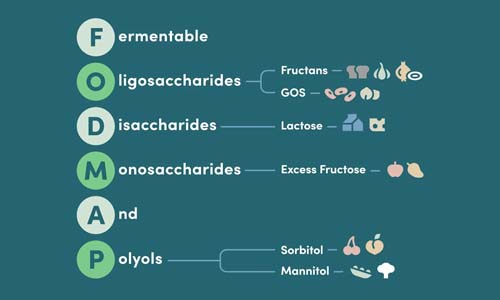
A low FODMAP meal plan is a short-term eating framework built around foods that are lower in fermentable carbohydrates at appropriate serving sizes. FODMAPs include fructans, galacto-oligosaccharides, lactose, excess fructose, sorbitol, and mannitol. Some people find that reducing these carbohydrates helps them identify dietary patterns connected with bloating, abdominal discomfort, gas, or changes in bowel habits.
The framework is usually approached in stages: a structured reduction period, careful reintroduction, and a personalized long-term pattern. Portion size matters because a food may fit one serving but become less suitable in a larger amount. Useful staples include rice, potatoes, oats, quinoa, eggs, poultry, seafood, firm tofu, lactose-free dairy, selected fruits, and low FODMAP vegetables. Check seasonings, sauces, and broths for high FODMAP ingredients.
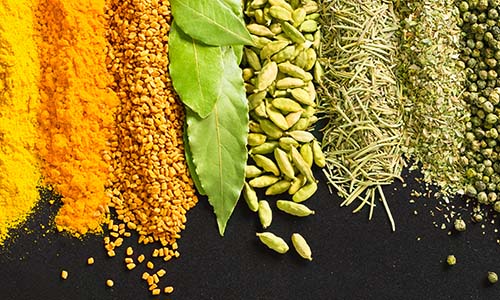
Flavor can come from garlic-infused oil, chive sprigs, ginger, citrus zest, herbs, smoked paprika, cumin, and black pepper. For tacos, bowls, roasted vegetables, or ground meat, Low FODMAP Taco Seasoning offers a convenient option made with garlic scape and green onion powders. The blend is free from onion bulbs, garlic bulbs, GMOs, gluten, fillers, corn starch, natural flavors, sugar, and preservatives, and it is FODMAP Friendly Certified.
Benefits of a Low FODMAP Meal Plan

The main benefit of a carefully designed low fodmap meal plan is structure. A written menu helps you identify dependable staples, record portions, and shop with purpose. It can also reduce last-minute choices involving heavily seasoned sauces, oversized servings, or packaged foods with unclear labels.
Planning leaves room for variety. Rotate proteins, grains, vegetables, fruits, and cooking methods rather than relying on plain chicken and rice. Roasting, grilling, steaming, sautéing, and simmering create different textures and flavors from familiar ingredients. Carrots, bell peppers, zucchini, tomatoes, leafy greens, strawberries, kiwi, oranges, and firm bananas can each play a different role when their portions fit your individual plan.
Cooking from clearly labeled ingredients also gives you more control over flavor. Homemade dressings, broths, marinades, and spice blends let you adjust both seasoning and serving size. Check blends for onion powder, garlic powder, wheat-based fillers, high FODMAP sweeteners, and polyols. Low FODMAP seasonings can work across turkey skillets, roasted potatoes, stuffed peppers, tacos, and rice bowls.
Consistent meals can make reintroduction easier to interpret. If you change several ingredients at once, it becomes difficult to connect a response with one food. Keep the base of a meal familiar while testing one variable at a time, then broaden your choices with professional guidance.
How to Choose a low fodmap meal plan
Choose a low fodmap meal plan that matches your current stage, cooking habits, and personal tolerance. A useful plan shows serving sizes instead of labeling foods as universally “safe” or “unsafe.” Look for meals built from familiar staples such as eggs, oats, rice, quinoa, potatoes, chicken, fish, firm tofu, lactose-free dairy, carrots, zucchini, spinach, bell peppers, kiwi, citrus, and strawberries. Substitution notes matter, too; they let you change an ingredient without rebuilding the whole menu.
Review ingredient lists for concentrated sources of onion, garlic, wheat, lactose, honey, high-fructose corn syrup, and polyols such as sorbitol or mannitol. Broth, marinades, sauces, spice mixes, and prepared meats deserve particular attention. If the plan comes as a low fodmap meal plan pdf, check for a grocery list, batch-cooking notes, storage instructions, reheating guidance, and a way to record food responses. A polished layout is less useful than precise cooking information.
Check Flavor, Flexibility, and Preparation Demands
Choose menus that build flavor with garlic-infused oil, chive sprigs, ginger, citrus zest, fresh herbs, smoked paprika, black pepper, cumin, and low FODMAP vegetable broth. A single seasoning blend can give the same base ingredients different directions: tacos, rice bowls, roasted potatoes, stuffed peppers, eggs, and ground turkey. The blend linked above uses garlic scape and green onion powders and is FODMAP Friendly Certified.
For weekly planning, share a few base ingredients across meals but change the technique. Roasted chicken can become a salad topping, rice-bowl protein, or taco filling. Cooked quinoa can support breakfast, lunch, or dinner. Store grains, proteins, vegetables, and sauces separately so portions remain adjustable. Low FODMAP Taco Seasoning can be stirred into meat, sprinkled over vegetables, or mixed with lactose-free yogurt for a dip.
Frequently Asked Questions
How long should I follow the low FODMAP diet?
The elimination phase is generally intended to be temporary, followed by structured food challenges and personalization. The exact timeline depends on symptom patterns, nutritional needs, and professional guidance. A registered dietitian can help you test individual FODMAP groups, track portions, and avoid unnecessary long-term restriction. Keeping meals consistent during challenges makes it easier to connect a response with a specific food rather than with several changes at once.
Can I eat the same meals every day?
Repeating a few dependable meals can simplify cooking, but rotating proteins, grains, vegetables, herbs, and preparation methods supports variety. Try changing the flavor profile of a familiar base: use citrus and herbs with fish, smoked paprika with potatoes, or cumin and coriander with a taco bowl. Batch-cooked ingredients can be stored separately, allowing different combinations without preparing a completely new recipe each day.
How do I check packaged food labels?
Scan ingredient lists for onion, garlic, wheat, honey, high-fructose corn syrup, lactose, and polyols such as sorbitol or mannitol. Pay special attention to broth, marinades, sauces, spice blends, and prepared meats. A clear label should identify the ingredients rather than relying on vague flavor descriptions. Serving size still matters, so record the amount eaten alongside any symptoms.
What can I use instead of onion and garlic?
Build savory flavor with garlic-infused oil, scallion greens, chives, ginger, toasted spices, citrus zest, herbs, and low FODMAP broth. For tacos, roasted vegetables, rice bowls, and ground meat, Low FODMAP Taco Seasoning provides a ready-to-use option made with garlic scape and green onion powders instead of onion and garlic bulbs. Use the portion that fits your personal plan, and pair it with fresh toppings such as tomatoes, lettuce, cilantro, or lactose-free yogurt.
When should I seek professional guidance?
Ask a healthcare professional for support if symptoms are persistent, severe, changing, or accompanied by unexplained weight loss, bleeding, fever, or nighttime symptoms. A dietitian familiar with digestive disorders can also help with nutrient adequacy, food reintroduction, allergies, and dietary restrictions that overlap with FODMAP concerns.