



Low FODMAP Food Plan for Beginners: A Flavorful 7-Day Meal Plan, Grocery List, and Cooking Swaps

low fodmap food plan
A low fodmap food plan works best as a short, structured learning process rather than a permanent list of forbidden foods. This beginner-friendly seven-day outline provides meals, shopping guidance, and portion reminders. Use current serving information from Monash University and discuss dietary changes with a registered dietitian or gastroenterology professional, especially if you have a diagnosed digestive condition, unintended weight loss, or a history of restrictive eating.
Key Takeaways
- A low FODMAP food plan is designed as a temporary learning tool, not a lifelong restriction.
- This seven-day meal outline includes practical shopping guidance and portion reminders to simplify the process.
- Always check current serving sizes from Monash University before following any low FODMAP recommendations.
- Consult a registered dietitian or gastroenterologist before starting the plan if you have a digestive condition or a history of restrictive eating.
Understanding Your Low FODMAP Food Plan: A Gentle Start
What Exactly Are FODMAPs and Why Go Low FODMAP?
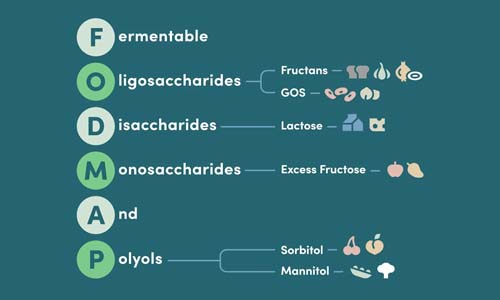
FODMAP stands for fermentable oligosaccharides, disaccharides, monosaccharides, and polyols. These short-chain carbohydrates can draw water into the digestive tract and ferment during digestion. Foods often discussed in this group include wheat-based products, certain legumes, milk products containing lactose, some fruits, honey, onion, and garlic. A low FODMAP approach temporarily reduces selected foods, then tests them again in a planned way. It is not a measure of whether a food is healthy.
The “Why” Behind the Plan: Beyond Simple Restriction
The goal is to identify personal triggers while keeping meals nourishing, satisfying, and enjoyable. Johns Hopkins describes three stages: elimination, reintroduction, and personalization. Elimination commonly lasts about two to six weeks, not indefinitely. Research cited by Johns Hopkins reports symptom improvement for approximately 50% to 86% of people who use the diet for relevant conditions, although individual results differ. A dietitian can help protect fiber intake, calcium intake, energy needs, and food variety.
Key Principles for Beginners: Serving Sizes, Stacking, and Tolerance
Portion size matters from the first meal. A food may fit a tested serving at breakfast yet contribute to a higher FODMAP load if you eat more or combine it with several foods from the same category. This is sometimes called stacking. Record ingredients, approximate portions, meal timing, and symptoms. Do not assume a reaction proves one ingredient caused it. Rice, bananas, oats, and other foods may be tolerated differently depending on quantity, ripeness, preparation, and personal sensitivity.
Use an up-to-date Monash FODMAP app or qualified professional guidance for current serving information. Begin with familiar foods, introduce one major change at a time, and avoid making the plan more restrictive than necessary.
Your Flavorful 7-Day Low FODMAP Meal Plan & Grocery Guide

Building Your Culinary Toolkit: Essential Low FODMAP Staples
Build meals around a protein, suitable carbohydrate, colorful produce in tested portions, and flavorful fat or seasoning. Useful staples include eggs, chicken, firm tofu, canned tuna, plain lactose-free yogurt, rice, quinoa, potatoes, certified gluten-free oats, carrots, zucchini, spinach, bell peppers, green beans, citrus, berries, kiwi, grapes, olive oil, garlic-infused oil, fresh herbs, and low FODMAP broth. Check packaged ingredients for onion, garlic, wheat, milk powder, inulin, chicory root, and polyol sweeteners.
For a savory base, the Low FODMAP Taco Seasoning uses garlic scape and green onion powders instead of onion and garlic bulbs. It is certified low FODMAP for IBS and digestive conditions. Use a measured amount in ground beef, chicken, tofu, rice bowls, or roasted vegetables, then assess your portion and response.
The 7-Day Meal Plan: Breakfast, Lunch, Dinner, and Snacks
This 7-day low fodmap meal plan is a flexible starting point, not a universal prescription. Adjust portions according to current testing guidance, appetite, and professional advice. Choose water, tea, or coffee without high-FODMAP sweeteners, and keep snacks optional.
| Day | Breakfast | Lunch | Dinner | Optional snack |
|---|---|---|---|---|
| 1 | Oats with lactose-free milk, blueberries, and chia | Chicken, quinoa, spinach, cucumber, and lemon | Salmon, roasted potatoes, and green beans | Kiwi with lactose-free yogurt |
| 2 | Scrambled eggs with spinach and sourdough spelt toast | Tuna and potato salad with herbs | Ground beef rice bowl with bell pepper and the Low FODMAP Taco Seasoning | Grapes and a small handful of walnuts |
| 3 | Lactose-free yogurt with strawberries and pumpkin seeds | Leftover beef rice bowl | Chicken, quinoa, carrots, and zucchini cooked in low FODMAP broth | Orange |
| 4 | Overnight oats with kiwi and cinnamon | Egg and spinach potato bowl | Firm tofu with rice, green beans, and ginger | Rice cakes with peanut butter |
| 5 | Two eggs, roasted potatoes, and fruit | Chicken quinoa salad with lemon dressing | Baked salmon with rice and carrots | Blueberries with lactose-free yogurt |
| 6 | Oats with strawberries and chia | Leftover salmon rice bowl | Turkey burger, potato wedges, and sautéed spinach | Firm banana, if tolerated |
| 7 | Yogurt bowl with grapes and pumpkin seeds | Tuna, quinoa, cucumber, and carrot salad | Chicken and vegetable soup made with low FODMAP broth | Kiwi or an orange |
Smart Shopping: Your Organized Grocery Checklist
Shop from the meal plan instead of purchasing every food labeled “low FODMAP.” This reduces waste and makes portion tracking easier. Read ingredient panels on broth, seasoning packets, deli meat, sauces, yogurt, bread, and snacks. A product may contain a small amount of a trigger ingredient hidden in a long list.
- Proteins: eggs, chicken, salmon, lean ground beef or turkey, canned tuna, and firm tofu.
- Grains and starches: rice, quinoa, potatoes, certified gluten-free oats, rice cakes, and suitable sourdough spelt bread.
- Produce: spinach, carrots, zucchini, bell peppers, cucumbers, green beans, blueberries, strawberries, kiwi, oranges, grapes, and bananas.
- Dairy alternatives: lactose-free milk and plain lactose-free yogurt.
- Flavor builders: lemons, ginger, chives, parsley, cilantro, olive oil, garlic-infused oil, walnuts, pumpkin seeds, chia, and low FODMAP broth.
- Pantry checks: inspect packaged foods for onion, garlic, wheat, lactose, inulin, chicory root, sorbitol, mannitol, and xylitol.
Prep Ahead Power: Making Weeknights Easier
Set aside one hour to cook rice or quinoa, roast potatoes and carrots, wash greens, portion snacks, and prepare two proteins. Store cooked food promptly in shallow containers and label each with the date. Keep broth-based meals ready for busy evenings, and freeze extra portions if you will not eat them within a safe refrigerated period.
Write the planned serving beside each dish. This separates a food choice from a portion decision and makes reintroduction notes more useful. Leave one meal flexible each day for appetite, leftovers, and dietitian recommendations.
Mastering Flavor Without Onion & Garlic: Your Ultimate Swap Guide
The Allium Challenge: Why Onion & Garlic Are Tricky (and How to Replace Them)
Onion and garlic add taste, sweetness, savoriness, aroma, and depth to sauces, soups, marinades, tacos, and roasted dishes. Their fructans can make them difficult during elimination. Removing both bulbs may leave food flat if you use only extra salt. Build layers with infused oils, fresh herbs, toasted spices, acidic ingredients, and savory broth.
Identify each allium’s function. Garlic supplies sharp aroma, while onion provides sweetness and body. Garlic-infused oil captures garlic flavor without transferring the water-soluble fructans found in the bulb. Chives, green onion tops, and garlic scapes add a fresh allium note. Add small amounts, record your serving, and follow current Monash University guidance because tolerance depends on food, portion, recipe, and personal response.
Gourmend's Flavor Arsenal: Garlic Scapes, Chives, and Green Onion Tops
Garlic scapes have a gentle garlic character with a fresh, green quality. Slice them for omelets, grain bowls, dressings, or sautéed vegetables. Chives work as a finishing herb over potatoes, eggs, soups, and lactose-free dips. Green onion tops, also called scallion tops, can be sliced into noodle bowls, salads, and cooked sauces. Keep green portions separate from bulbs, since bulbs are commonly limited in a low FODMAP approach.
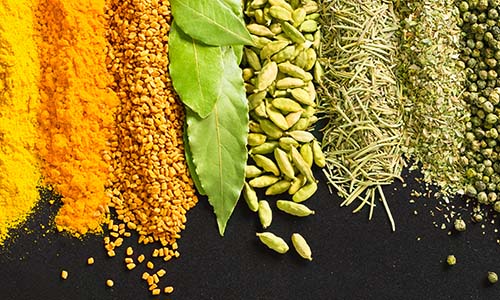
For a pantry option, low FODMAP seasonings use garlic scape and green onion powders instead of onion and garlic bulbs. Chile powder sourced from a small grower in New Mexico, Hand-picked cumin from the Hindu Kush mountains, Coriander from the Red River in Vietnam, and Black lime from a family farm in Guatemala give tacos, roasted potatoes, rice, and ground meat a layered savory profile. Low FODMAP Taco Seasoning is Certified low FODMAP for IBS and digestive conditions.
Savory Swaps: Building Umami with Broth, Spices, and Infused Oils
Use a cooking sequence rather than one replacement ingredient. Warm garlic-infused olive oil, add spices until fragrant, then stir in low FODMAP vegetable broth or citrus. Broth supplies salt and savory character in soups, pan sauces, rice, and braises. Smoked paprika, cumin, coriander, black pepper, ginger, mustard, lemon zest, and fresh cilantro add warmth, brightness, and aroma without onion or garlic bulbs.
| Flavor role | Low FODMAP option | Best uses |
|---|---|---|
| Garlic aroma | Garlic-infused oil or sliced garlic scapes | Stir-fries, dressings, roasted vegetables |
| Fresh allium finish | Chives or green onion tops | Eggs, potatoes, soups, dips |
| Savory body | Low FODMAP broth | Grains, gravies, soups, braised proteins |
| Warm spice depth | Cumin, coriander, chile, black lime | Tacos, beans in tested portions, meat, tofu |
Reading Labels Like a Pro: Spotting Hidden FODMAP Triggers
Check packaged broth, seasoning, deli meat, sauces, marinades, and snacks carefully. Scan for onion, garlic, onion powder, garlic powder, wheat, milk powder, inulin, chicory root, honey, high-fructose corn syrup, sorbitol, mannitol, and xylitol. Terms such as “natural flavors” or “seasoned” may not explain the recipe, so choose products with a clear ingredient panel when possible.
- Check the full ingredient list, not only package claims.
- Look for onion and garlic in powders, concentrates, extracts, and seasoning bases.
- Confirm whether broth or sauce has been tested at the listed serving.
- Compare the label with current Monash University guidance or a dietitian’s advice.
- Record the product, portion, and symptoms before assigning responsibility to a food.
Navigating Your Journey: Beyond the Elimination Phase
A low FODMAP food plan is a starting framework, not a permanent menu. Elimination generally lasts about two to six weeks, with guidance from a registered dietitian or gastroenterology professional. If symptoms do not change, avoid extending restriction on your own. The Johns Hopkins approach describes elimination, reintroduction, and personalization. This structure helps identify foods and portions that fit your digestion while protecting meal variety.
What If It Doesn't Work? Understanding Non-Responders
Limited improvement does not mean you have failed. Symptoms may relate to portion size, meal timing, constipation, stress, lactose, another food component, or a condition requiring separate evaluation. Review your food and symptom record with a professional instead of removing more foods. Check packaged ingredients, combined portions from one FODMAP group, fiber, fluids, and overall calorie intake. Johns Hopkins reports improvement for approximately 50% to 86% of people using the diet for relevant conditions, so response varies.
The Next Steps: Reintroduction and Personalization
Once symptoms are steadier, test one FODMAP category at a time while keeping other meals familiar. Use a measured portion on the first day, a larger portion on the second if advised, and a further test on the third when appropriate. Record symptoms, timing, and serving size. After a rest period, move to the next challenge. Current Monash University guidance should determine foods and portions because tolerance is not universal. The goal is the broadest comfortable diet, not the strictest one.
- Elimination: Follow tested lower-FODMAP portions for about two to six weeks with professional support.
- Reintroduction: Challenge one FODMAP group at a time and record your response.
- Personalization: Restore tolerated foods and create a varied routine around your own thresholds.
Making Low FODMAP Sustainable and Enjoyable
Build repeatable meals instead of a permanent avoidance list. Keep tolerated grains, proteins, produce, herbs, infused oils, and broth available for quick combinations. For savory meals, Low FODMAP Taco Seasoning adds depth to tacos, roasted potatoes, tofu, and rice bowls without onion or garlic bulbs. Low FODMAP Taco Seasoning is certified low FODMAP for IBS and digestive conditions. Recheck labels as recipes change, and revisit portions when routine, stress, or activity level changes.
Frequently Asked Questions
What do I eat in a day on a low FODMAP diet?
A low FODMAP day can include oats with lactose-free milk and blueberries, a chicken quinoa salad, and salmon with potatoes and green beans. Optional snacks include kiwi with lactose-free yogurt or a small serving of walnuts. Portion size and current Monash University serving guidance should guide each meal.
What is the best low FODMAP meal plan?
The best low FODMAP meal plan is a short, flexible seven-day structure built around protein, rice or potatoes, tested produce portions, and suitable fats or seasonings. A plan should support adequate fiber, calcium, energy, and food variety while symptoms are tracked. A registered dietitian can help personalize the plan.
Can you give me a list of low FODMAP foods?
A low FODMAP food list can include eggs, chicken, salmon, firm tofu, rice, quinoa, potatoes, certified gluten-free oats, carrots, zucchini, spinach, bell peppers, green beans, kiwi, citrus, berries, grapes, lactose-free milk, and plain lactose-free yogurt. Serving amounts still matter, so check current Monash University testing information.
What can you eat unlimited on a low FODMAP diet?
No food should be considered unlimited on a low FODMAP diet because serving size and meal combinations can affect FODMAP load. Choose tested portions, record meals and symptoms, and watch for stacking several foods from the same FODMAP category. Appetite, nutrition needs, and personal tolerance should guide portions.
What are the top 10 worst high FODMAP foods?
Common high FODMAP foods discussed during the elimination stage include onion, garlic, wheat-based products, honey, some legumes, lactose-containing milk products, apples, pears, watermelon, and foods sweetened with polyols. FODMAP content depends on serving size and preparation, so use current testing data instead of treating every food as permanently forbidden.
How can I add flavor to a low FODMAP food plan?
A low FODMAP food plan can use olive oil, fresh herbs, ginger, citrus, garlic-infused oil, and certified low FODMAP seasonings for flavor. Gourmend Low FODMAP Taco Seasoning uses garlic scape and green onion powders instead of onion and garlic bulbs, making it suitable for measured portions in rice bowls, meats, tofu, and roasted vegetables.
How long should you follow a low FODMAP food plan?
A low FODMAP food plan is commonly followed for about two to six weeks during the elimination stage, followed by structured reintroduction and personalization. Long-term restriction is not the goal. A gastroenterology professional or registered dietitian can help protect nutrition and identify individual tolerances.