



The Complete Guide to Low Fodmap Food Chart

low fodmap food chart
If you are building meals around a low fodmap food chart, the most useful starting point is not a long list of forbidden ingredients. It is learning how food categories, serving sizes, preparation methods, and packaged ingredients affect a meal. This guide explains how to read a chart, choose satisfying foods, and season dishes without relying on onion or garlic bulbs.
Key Takeaways
- A low FODMAP food chart becomes more useful when you focus on food categories and serving sizes instead of memorizing a list of forbidden ingredients.
- Preparation methods and packaged ingredients can change the FODMAP content of a meal, so they deserve careful attention.
- You can season dishes without onion or garlic bulbs by using alternatives like garlic scapes or low FODMAP seasonings.
- Learning how to read a chart helps you choose satisfying foods that fit your dietary needs without feeling restricted.
FODMAP information can feel overwhelming, especially during elimination. A practical chart should support informed choices while leaving room for personal tolerance, cultural foods, and enjoyable cooking. Use it as an educational tool, not as a substitute for guidance from a registered dietitian or physician.
What is low fodmap food chart?
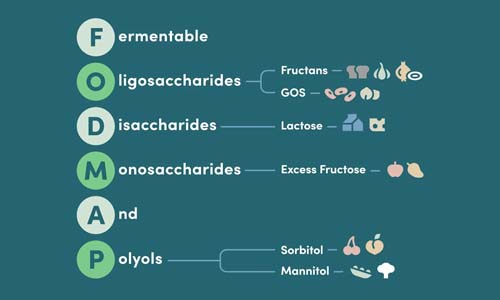
A low-FODMAP food chart is a reference that groups foods according to their content of fermentable carbohydrates. FODMAP stands for fermentable oligosaccharides, disaccharides, monosaccharides and polyols. Common groups include fructans, galacto-oligosaccharides, lactose, excess fructose, and polyols such as sorbitol and mannitol. The chart may show foods that are generally suitable in tested portions, foods that require a smaller serving, and foods commonly limited during the elimination phase.
A chart is not a universal list of foods that every person must permanently avoid. Ratings can change as ingredients, processing methods, and serving research develop. A low-FODMAP approach typically has three stages: a short elimination period, structured reintroduction, and personalization. Portion size matters, and several moderate-FODMAP foods eaten together may affect a meal differently than one carefully measured ingredient. A current food database with tested serving information is more useful than an undated social media graphic or a generic printable list.
Plain meat, poultry, seafood, and eggs do not inherently contain FODMAP carbohydrates, yet prepared versions may include onion, garlic, wheat-based coatings, milk, or sweeteners. This is why label reading matters for marinades, deli foods, sauces, soups, snack bars, and restaurant meals. Garlic and onions are commonly limited during elimination because they contain fructans. Garlic-infused oil can provide aroma because FODMAP carbohydrates do not dissolve into oil, while garlic scapes, garlic chives, and green onion tops can bring a fresh allium note to many recipes.
Benefits of low fodmap food chart

A well-organized low fodmap food chart can reduce decision fatigue by turning a stressful ingredient search into a repeatable process. Instead of checking every item from scratch, you can sort foods into useful groups such as proteins, grains, produce, dairy alternatives, seasonings, and convenience foods. That structure helps beginners plan balanced plates with a carbohydrate, protein source, vegetables or fruit, and a satisfying sauce or broth. It also makes grocery preparation more predictable, particularly when familiar products contain unexpected onion or garlic ingredients.
The chart can support more confident cooking, too. A potato, rice, quinoa, firm tofu, or plain egg may form the base of a meal, while herbs, citrus, infused oils, and low-FODMAP seasonings supply character. Gourmend’s Low FODMAP Taco Seasoning is one example for taco fillings, roasted vegetables, rice bowls, or seasoned ground meat. It is made with garlic scape and green onion powders instead of onion and garlic bulbs, giving cooks an allium-style flavor option during a restricted cooking period.
Using a chart can also reveal nutrition gaps before they become frustrating. People eating vegetarian or vegan meals may need deliberate protein planning with suitable portions of firm tofu, tempeh, eggs, lactose-free dairy, nuts, seeds, or other tolerated choices. Fiber, calcium, iron, and overall calorie intake deserve attention as well. A registered dietitian can help tailor the plan, especially if symptoms, food anxiety, allergies, or a highly restricted diet make meals difficult.
Finally, a chart creates a record for reintroduction. Note the food, portion, preparation, time, and symptoms rather than labeling an ingredient as permanently unsafe. Individual tolerance varies, and a packaged food or restaurant dish may differ from the plain food listed in a database. Keep the Low FODMAP Taco Seasoning available as a measured seasoning option, then document how the complete meal fits your own reintroduction process and preferences.
How to Choose low fodmap food chart
Choose a low fodmap food chart that explains tested serving sizes, food categories, and preparation details rather than presenting a simple yes-or-no list. The most useful resource identifies whether a rating applies to a plain ingredient, a specific portion, or a prepared product. Look for clear coverage of fructans, galacto-oligosaccharides, lactose, excess fructose, sorbitol, and mannitol. A current database or certification resource is preferable to an undated graphic because laboratory findings, recipes, and packaged-food formulations can change.
Check the source and intended audience before relying on a chart. North American shoppers may need information that reflects products and ingredient labels found in local grocery stores, not only foods from another country’s supermarket system. A chart should distinguish general education from individualized medical advice and acknowledge that tolerance differs from person to person. If the resource does not explain its testing method, update date, portion basis, or clinical review, treat its ratings as a starting point rather than a final decision.
Key insight: The best chart helps you make a meal decision. It should connect a food rating with serving size, ingredients, cooking method, and the rest of the plate.
Choose a format that supports real shopping and cooking. A searchable database can help with branded foods, while a printable list may be useful for planning a grocery trip. Neither format replaces label reading. Scan sauces, broths, spice mixes, marinades, deli meats, snack bars, and dairy products for onion, garlic, wheat ingredients, lactose, honey, high-fructose sweeteners, and polyols. Familiar foods can contain different ingredients after processing, so compare the actual package with the plain-food entry in your reference. Gourmend’s low FODMAP seasonings can help add flavor while you review ingredient labels and serving sizes.
A practical chart should also help you build balanced meals. Look for sections covering protein, grains, vegetables, fruit, dairy alternatives, fats, condiments, and seasonings. Plain meat, poultry, seafood, and eggs are naturally free from FODMAP carbohydrates, but breading, marinades, and sauces may change the recipe. For vegetarian or vegan cooking, identify suitable protein choices such as firm tofu, tempeh, eggs, lactose-free dairy, nuts, and seeds, then confirm each serving in a current database. This approach is more useful than collecting a long list of low FODMAP foods without a plan for adequate protein or calories.
Finally, favor a resource that reflects the three-phase structure: elimination, reintroduction, and personalization. The goal is not permanent, broad restriction. Your notes should record the ingredient, portion, preparation, meal combinations, timing, and symptoms during food challenges. For a flavorful shortcut, the Low FODMAP Taco Seasoning uses garlic scape and green onion powders instead of onion and garlic bulbs. It can season tacos, rice bowls, roasted potatoes, or ground meat while you evaluate the complete meal. Keep Low FODMAP Taco Seasoning in the seasoning section of your chart, and verify the current package label before use.
Frequently Asked Questions
Which foods are low FODMAP?
Suitable choices can include plain meat, poultry, seafood, eggs, rice, potatoes, quinoa, firm tofu, and selected fruits and vegetables when eaten in tested portions. A current food database should guide serving sizes because FODMAP content can vary by portion, ripeness, preparation, and product formulation. A simple list of low FODMAP foods is useful for planning, but it should not replace package-label checks for sauces, marinades, breads, broths, and prepared meals.
What foods should beginners limit during elimination?
During the elimination phase, people commonly limit foods high in fructans, galacto-oligosaccharides, lactose, excess fructose, sorbitol, or mannitol. Garlic, onions, some wheat-based products, certain legumes, selected dairy foods, and some fruits may require particular attention. The right choice depends on the tested portion and your clinician’s guidance. The elimination phase is generally temporary, followed by structured reintroduction and personalization rather than indefinite avoidance.
Can I eat restaurant meals while using a low-FODMAP chart?
Yes, with advance questions and flexible planning. Ask whether a dish contains onion, garlic, wheat-based sauces, honey, milk, or sugar alcohols. Request plain grilled protein, rice, potatoes, or vegetables when the kitchen can accommodate that preparation. Restaurant recipes may differ from entries in a database, so record the ingredients, portion, and symptoms if you are testing a meal. A chart provides direction, not a guarantee for a composite dish.
Are garlic and onions low FODMAP?
Garlic and onions are commonly limited during elimination because they contain fructans. Garlic-infused oil can add aroma because FODMAP carbohydrates do not dissolve into oil. Garlic scapes, garlic chives, and green onion tops may offer an allium-style flavor in suitable portions. Check a current database for serving guidance, and discuss persistent symptoms, food anxiety, or nutritional concerns with a registered dietitian or physician.