



The Complete Guide to low fodmap diet list

low fodmap diet list
A useful low FODMAP diet list does more than divide foods into “safe” and “unsafe” columns. Serving size, preparation, product labels, and your own tolerance all shape the answer. This guide covers the diet’s three phases, practical label checks, lower-FODMAP vegetables, and ways to keep meals savory while you learn what works for you.
Key Takeaways
- No food is simply safe or unsafe on a low FODMAP plan, because portion size, cooking method, and your personal tolerance all change the outcome.
- Working through the diet's three phases, elimination, reintroduction, and personalization, helps you pinpoint which ingredients actually trigger your symptoms.
- Checking product labels is a practical skill, since garlic, onion, wheat, and other high FODMAP additives often hide in sauces, soups, and packaged foods.
- Plenty of vegetables remain on the menu when you choose low FODMAP varieties and pay attention to serving sizes.
- Keeping meals flavorful is possible during elimination by using low FODMAP broths, seasonings, and garlic scapes in place of garlic and onion.
Allium flavor can be one of the hardest parts of low FODMAP cooking. Garlic scapes, green onion products, broths, herbs, and carefully formulated seasonings give you more options than a plain-food approach. Gourmend Foods makes these cooking essentials with clean, transparent ingredients, so you can focus on building a good meal. Not decoding every seasoning blend. 🐓💚
What is a low FODMAP diet list?
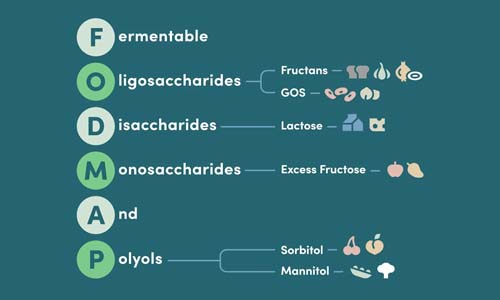
A low FODMAP diet temporarily reduces fermentable carbohydrates called FODMAPs. The acronym stands for fermentable oligosaccharides, disaccharides, monosaccharides, and polyols. These carbohydrates can draw water into the digestive tract and ferment in the colon, which may contribute to bloating, abdominal discomfort, gas, diarrhea, or constipation for some people with IBS.
Monash University has tested more than 1,000 foods for FODMAP content. Use a current database or app rather than an old chart copied from site to site. Results can vary with serving size, variety, ripeness, and processing. Carrots, bell peppers, spinach, potatoes, measured portions of zucchini, and scallion greens can fit a low FODMAP pattern, but a larger serving may change the result.
The diet has three phases. Elimination usually lasts about 2 to 6 weeks, with meals built from a varied selection of lower-FODMAP foods. Reintroduction tests individual FODMAP groups in planned portions, often over several weeks. Personalization brings back foods you tolerate, leaving you with a broader routine than the elimination phase alone. Cleveland Clinic guidance and Oshi Health offer additional background on the process.
Key insight: A low FODMAP plan is not intended as permanent broad restriction. Its purpose is to identify patterns, preserve as much dietary variety as possible, and create a practical eating routine with guidance from a registered dietitian when available.
Benefits of a low FODMAP diet list

The clearest benefit is better symptom awareness. A structured list helps you record the food, portion, preparation method, and timing of a meal instead of guessing from a single ingredient. That distinction matters: meal size, stress, timing, and rich cooking methods can affect how you feel. Yale Medicine reports that up to 80% of people with IBS may benefit, though that figure is not a promise or a diagnosis.
A well-designed reference also makes shopping faster. Group foods by produce, grains, proteins, dairy alternatives, sauces, and snacks, then add serving notes beside foods whose FODMAP content changes with quantity. A label check should cover seasoning blends, broths, sauces, and marinades. Watch for allium powders, wheat, inulin, chicory root, honey, and high-FODMAP sweeteners.
Flavor is part of making the approach workable. Infused oil, scallion greens, chives, ginger, citrus, herbs, toasted seeds, and low FODMAP broth can add aroma and savory depth. Gourmend's Low FODMAP Taco Seasoning uses garlic scape and green onion powders in place of allium bulbs. It is FODMAP Friendly Certified, gluten-free, GMO-free, preservative-free, and made without fillers or natural flavors.
Try the seasoning on tacos, roasted potatoes, rice bowls, firm tofu, or a measured serving of low FODMAP vegetables. Start with the label's serving guidance, then record the portion in your food-symptom log. A good seasoning should act like a well-tuned bass line: present enough to give the dish depth, never so loud that it hides the other ingredients.
How to choose a low FODMAP diet list
Choose a low FODMAP diet list that explains portions, preparation, and food categories. Avoid references that label ingredients as permanently “safe” or “unsafe,” since FODMAP content can change with serving size, ripeness, variety, and processing. A useful list might include carrots, bell peppers, potatoes, spinach, and an appropriate portion of zucchini, with a reminder to check current testing data and your own response.
Look for support across all three phases: elimination, reintroduction, and personalization. During elimination, use the list to assemble meals with protein, rice or quinoa, produce, suitable dairy alternatives, and satisfying fats. During reintroduction, note the FODMAP group, challenge food, portion, and response. A printable list can sit beside your shopping list; it should not replace current testing information or individualized advice from a registered dietitian.
Packaged foods need their own inspection. Read the ingredient panel on broths, stock cubes, sauces, spice blends, marinades, and snacks. Check for allium powders, wheat, inulin, chicory root, honey, high-FODMAP sweeteners, and vague flavor terms. FODMAP Friendly certification provides another useful screening step, but the product's serving size still matters.
For tacos, rice bowls, or roasted vegetables, Low FODMAP Taco Seasoning offers a measured way to add savory flavor. Its blend combines garlic scape and green onion powders with chile, cumin, coriander, and black lime. Add the labeled amount to lean ground meat, firm tofu, potatoes, or a measured serving of low FODMAP vegetables, then record the recipe and portion in your log.
A practical reference should fit your kitchen routine. Keep a current digital database for serving information, a printable sheet for shopping, and a short rotation of dependable meals for busy days. Treat a “30-day low FODMAP meal plan PDF” as an idea source, not a fixed prescription. Check its date, credentials, regional ingredient differences, and whether it distinguishes individual foods from completed dishes.
Frequently Asked Questions
What are the three phases of the low FODMAP diet?
The three phases are elimination, reintroduction, and personalization. Elimination temporarily reduces high-FODMAP foods. Reintroduction tests individual FODMAP groups in planned portions, one category at a time. Personalization brings back foods you tolerate and keeps only the restrictions that appear useful. A low fodmap diet list should support this process rather than encourage permanent avoidance of every food on a high-FODMAP chart.
How long does the elimination phase last?
Elimination commonly lasts about 2 to 6 weeks, according to Cleveland Clinic guidance. If symptoms do not change during that period, continuing restriction indefinitely may not provide added value. A registered dietitian can help assess the plan, check nutritional balance, and determine whether another explanation deserves attention.
Which vegetables are low FODMAP?
Common options include carrots, bell peppers, potatoes, spinach, and measured portions of zucchini. Scallion greens and chives can add an allium-like note without using onion bulbs. Serving size remains the deciding factor, so consult an updated database rather than relying on an undated fodmap food list printable chart. Keep a food-symptom log to record preparation, portion, and response.
Can I replace garlic and onion in recipes?
Yes. Garlic-infused oil, scallion greens, chives, ginger, citrus, herbs, and certified seasonings can supply aroma and savory depth. For tacos or seasoned vegetables, Low FODMAP Taco Seasoning uses garlic scape and green onion powders instead of onion and garlic bulbs. Low FODMAP Taco Seasoning is certified low FODMAP for IBS and digestive conditions, giving you a practical label-based option while you track personal tolerance.
Are online food lists reliable?
Use lists that show serving sizes, source dates, preparation details, and certification information. Monash University’s tested database is a dependable reference because FODMAP readings vary by food variety and portion. A downloadable PDF can support shopping, but it should not replace current guidance or individualized reintroduction.